Expanded Cinema: LIGHT MUSIC
Lis Rhodes
Light Music is a dizzying celebration of the pivotal nature of sound in film; a direct and powerful transcription of film as sound.
Arika have been creating events since 2001. The Archive is space to share the documentation of our work, over 600 events from the past 20 years. Browse the archive by event, artists and collections, explore using theme pairs, or use the index for a comprehensive overview.
Light Music is a dizzying celebration of the pivotal nature of sound in film; a direct and powerful transcription of film as sound.
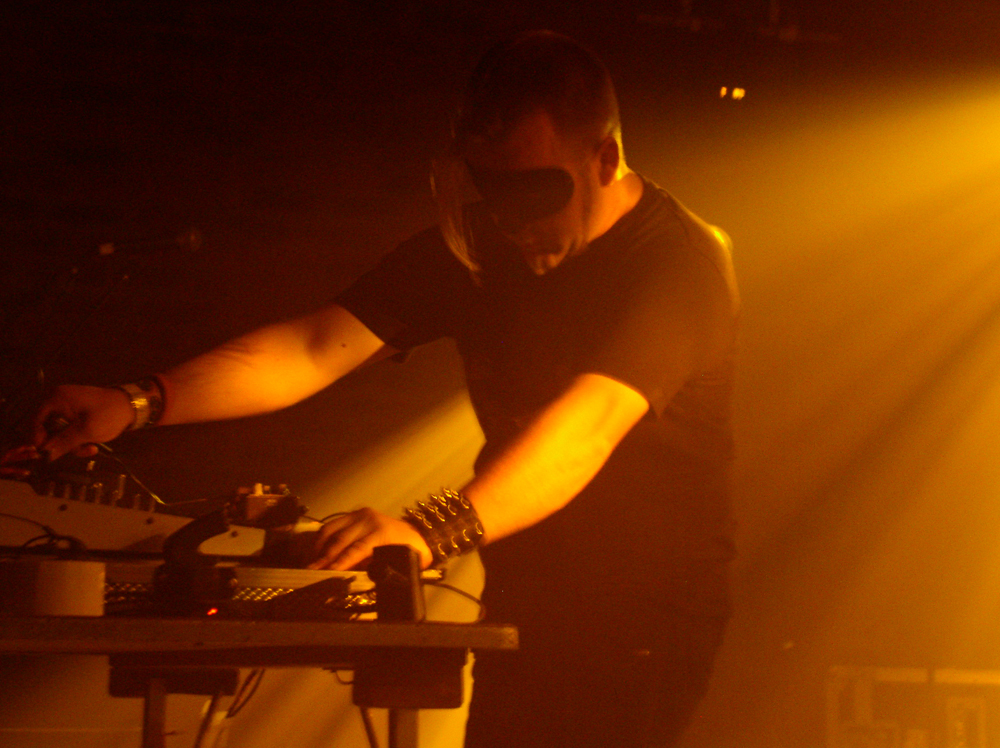
Avant-wrongdoers Blood Stereo performing in Garthamlock the town spawned them.
Sachiko’s very simple, pure sine tones and structures. Otomo on double pianos. Filament’s music isn’t composed and it isn’t improvised: it’s a hybrid of the two.
A riot of 60’s psychedelia, magick, ritual and tight black leather, this programme highlights underground innovators who use and subvert pop music for their own experimental ends; and be warned, in Anger, there’s real darkness.
Performances at Anthology Film Archives by by Loren Mazzacane Connors, Alan Licht & Jandek.
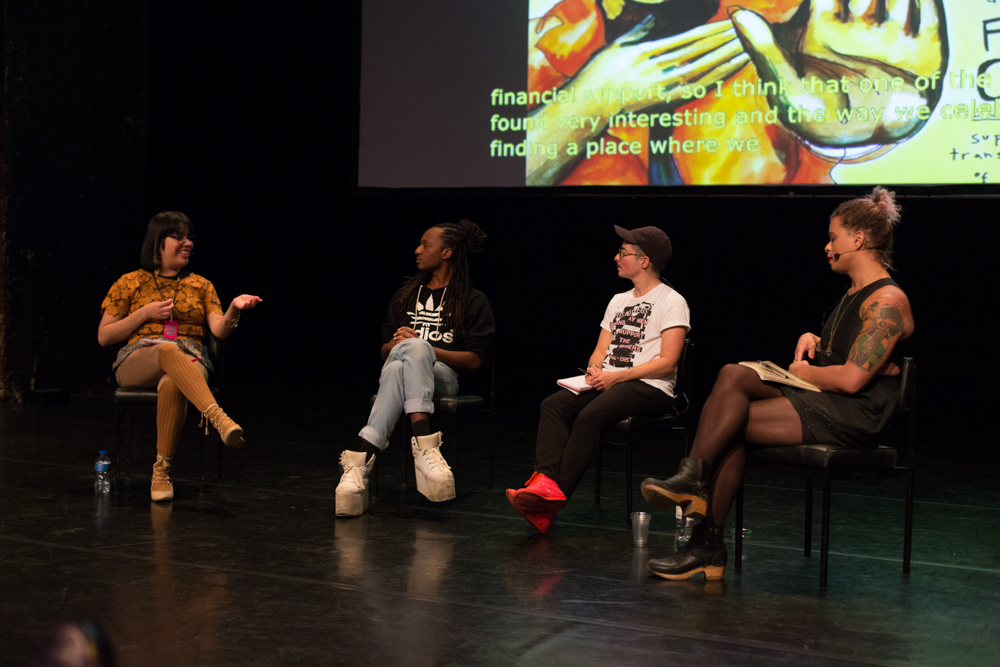
A joyful conversation discussing disability, gender transition and care labour as expressions of virtuosic and innovative skills that make care – good care – possible.
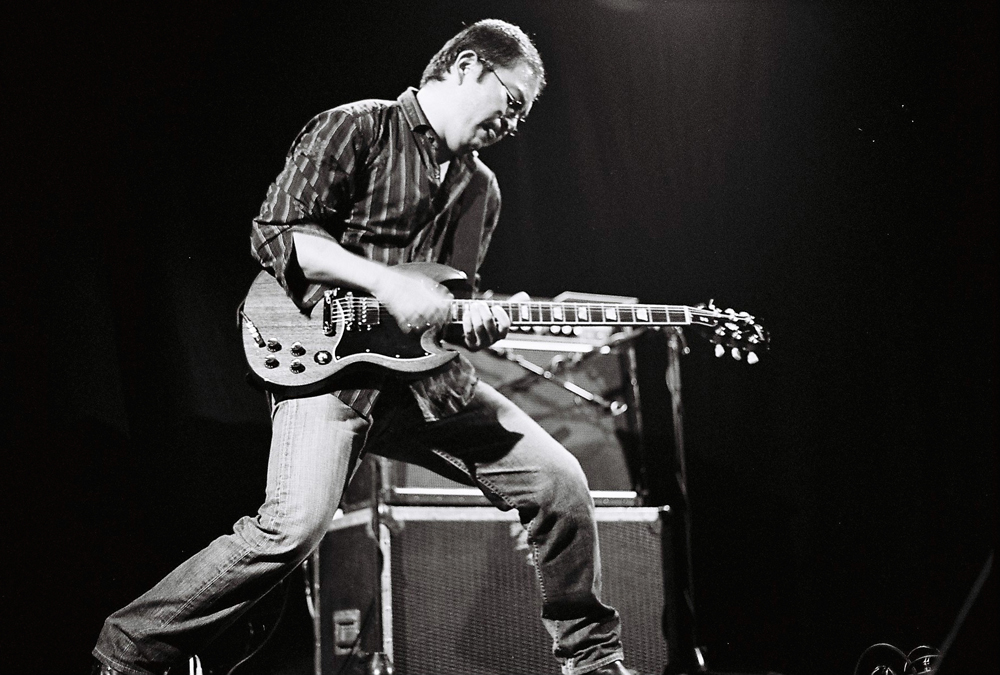
Munehiro Narita’s Kyoaku No Intention (Worst Intentions) fired out some of the most compelling no-wave improvised rock of the 80s.
A collaborative duo performance, Anoyonodekigoto sets up a sort of negotiation between a musician, a dancer, the audience and the space we’re all sharing.
Giants of the Japanese avant-rock scene Ruins are a hardcore prog rock bass + drums duo led by drummer extraordinaire Tatsuya Yoshida and joined in Dundee by Sasaki Hisashi.
The mutability of the body and the mobility of identity: queered pop culture, drag, lip-sync and performance.
Birthed from the collective stagger in global consciousness of the late 50’s and 60’s, this programme celebrates epochal, groundbreaking films that all address sound in their own way and that have opened pathways to experimentation.
Film and sound stripped of ‘content’ and experienced spatially, to be looked at not on the screen but in the space of the gallery