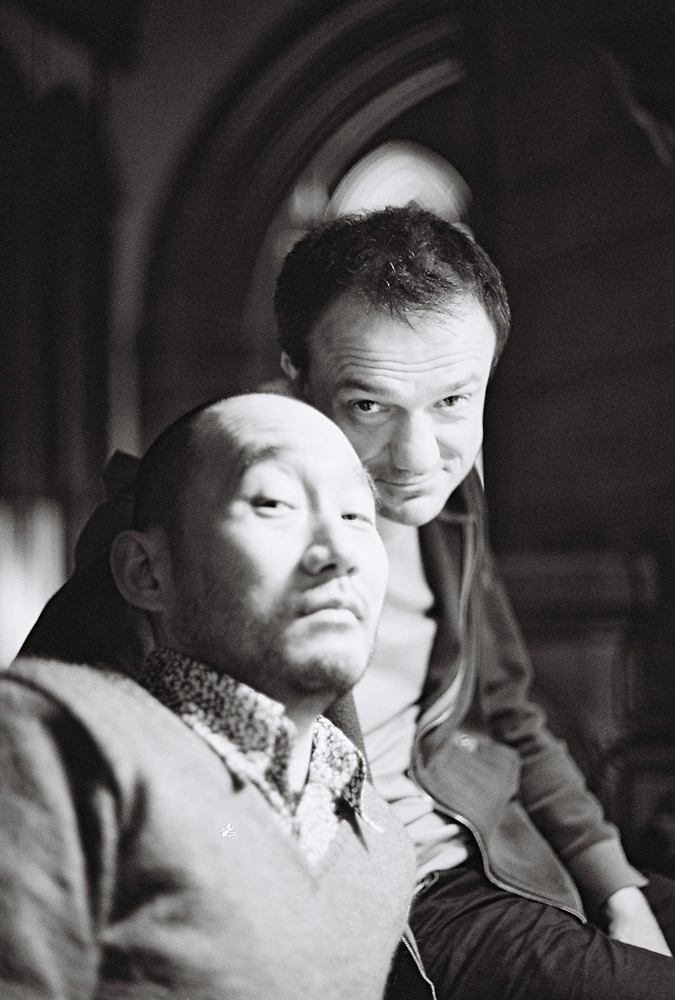
Jean-Luc Guionnet & Toshimaru Nakamura
Jean-Luc Guionnet Toshimaru Nakamura
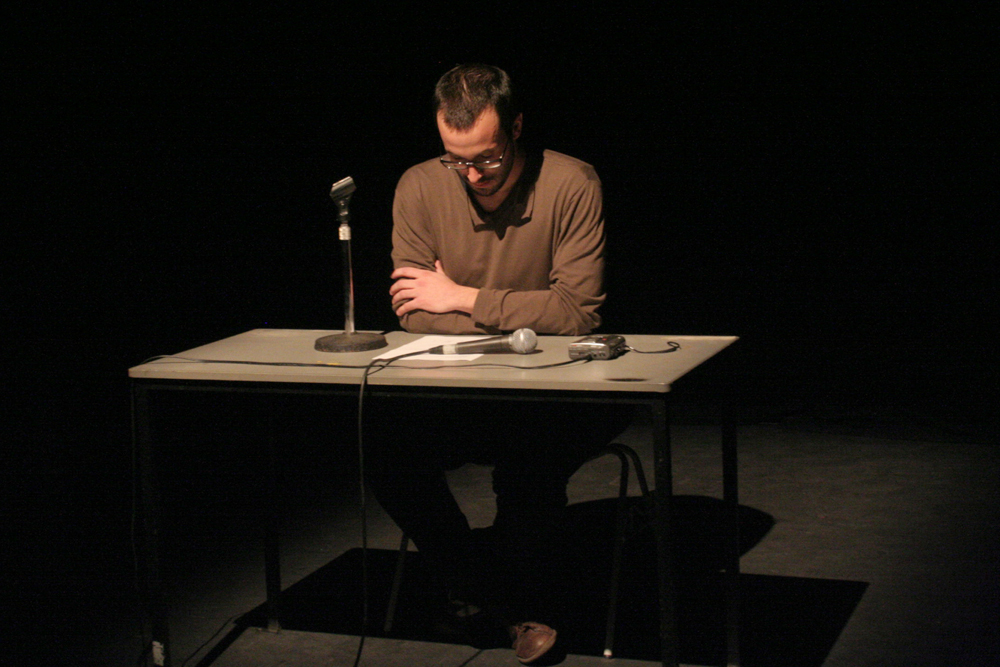
Brain boiling duo improvisation by great Japanese no input mixing desk pioneer Toshi Nakamura and french organ philosopher Jean-Luc Guionnet.
Arika have been creating events since 2001. The Archive is space to share the documentation of our work, over 600 events from the past 20 years. Browse the archive by event, artists and collections, explore using theme pairs, or use the index for a comprehensive overview.
Brain boiling duo improvisation by great Japanese no input mixing desk pioneer Toshi Nakamura and french organ philosopher Jean-Luc Guionnet.
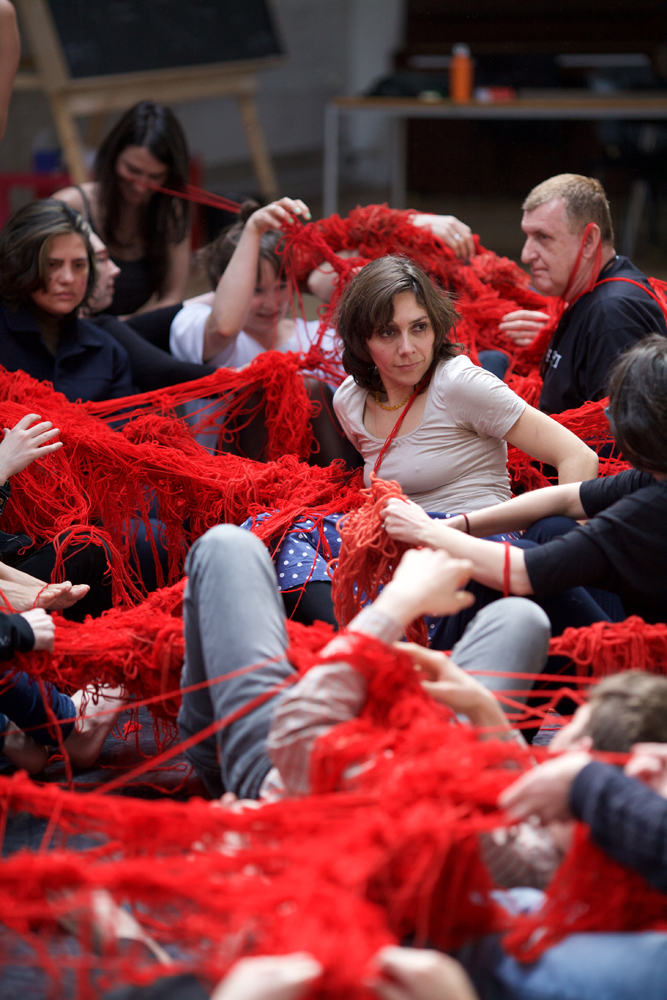
An open collaborative workshop space in which games, warm-up sessions, exercises and scenes are potentially the same thing, through which to project your own concerns onto the stage.
Open-ended, paradoxical and performed investigations into: misunderstanding, language games, form saturated with sense, and consecutive matters…
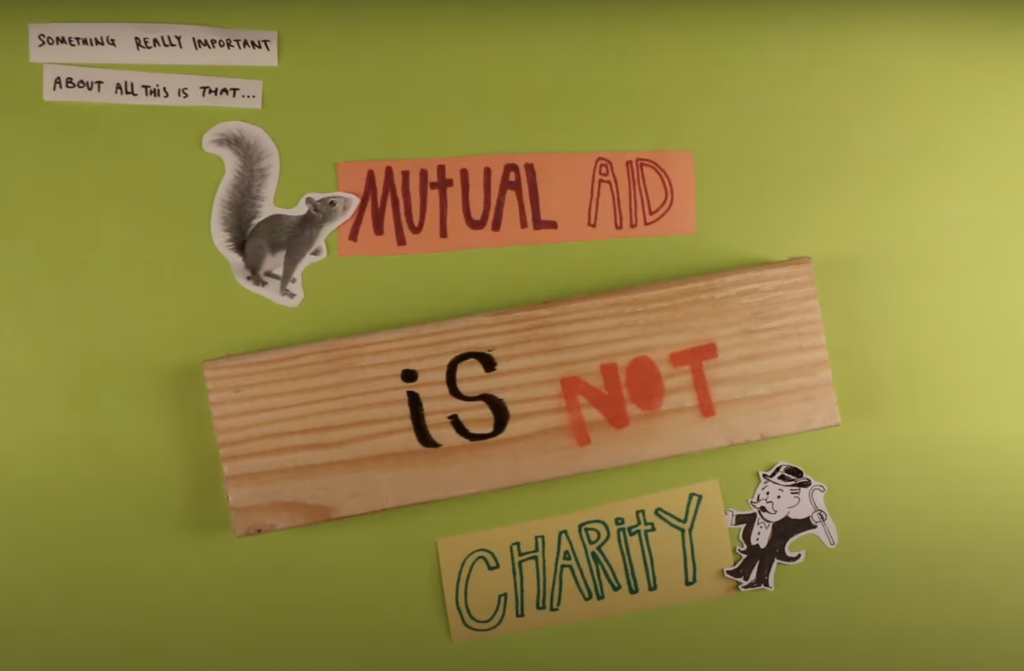
How do we make the connections between the mutual aid practices of our daily lives and anti-capitalist efforts to dismantle wider systems of exploitation?
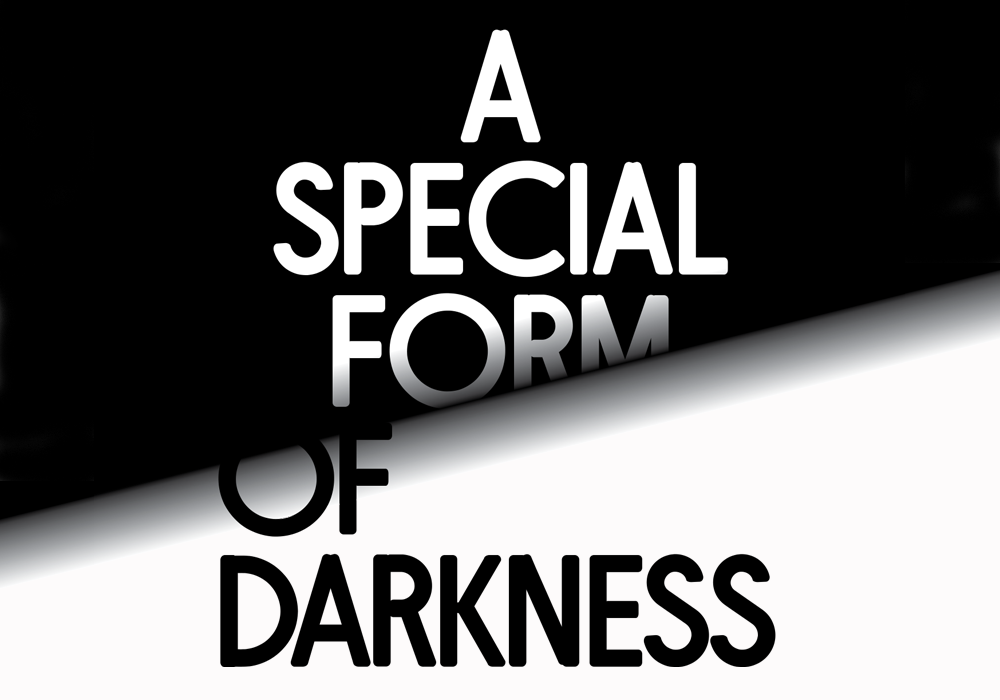
A festival asking how ideas of nihilism, darkness, subjectivity and abjection play out in experimental music, performance art, horror, neuroscience and philosophy?
The mutability of the body and the mobility of identity: queered pop culture, drag, lip-sync and performance.
Nothing if not repetitive, film is founded on the incremental succession of minute difference. But how does repetition of the same play out, and is it a tool to comment on the standardising repetition of the mass media?
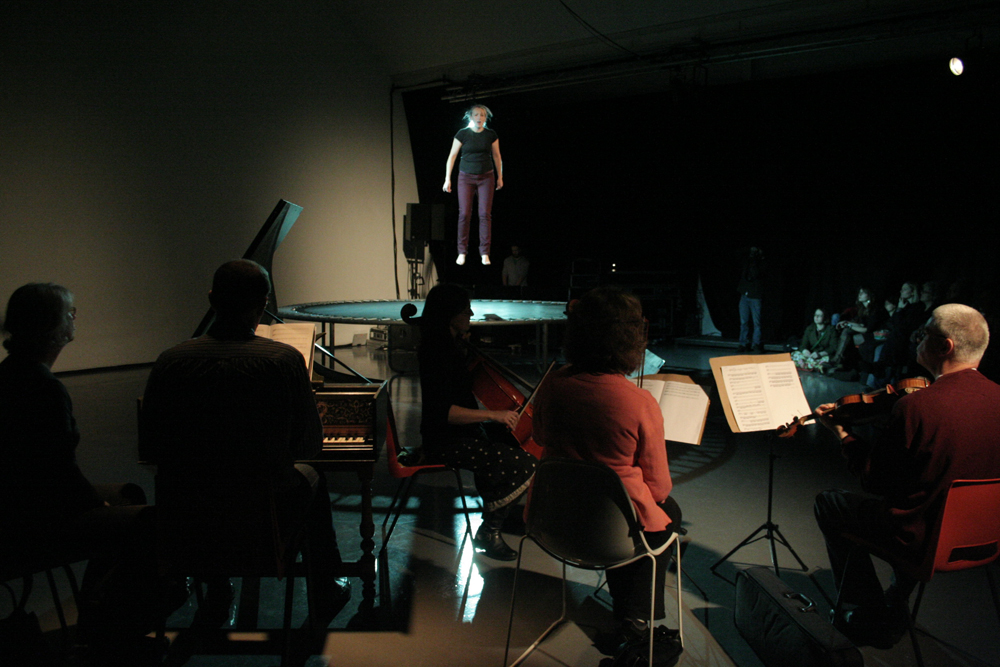
A chorister attempting to sing Vivaldi, with live accompaniment, while trampolining for 20 minutes.
Edinburgh. Nigh-inaudible improv jams with disabled instruments from the makers of Giant Tank and Pizza Boy Delivery.
The role of feelings in public life, (political) depression and creative survival.
Film and sound stripped of ‘content’ and experienced spatially, to be looked at not on the screen but in the space of the gallery
The second in a series of workshops for workers and non-workers who care. What does the sharing of vulnerability entail? Can such a sharing inform progressive social relations?