KYTN Salon: Post Consideration
Andrew Lampert Edwin Carels Eric La Casa John Harris Prof. Heike Sperling Zoe Irvine
Post consideration and post rationalisation… How do we think about experimental music and film after the performance?
Arika have been creating events since 2001. The Archive is space to share the documentation of our work, over 600 events from the past 20 years. Browse the archive by event, artists and collections, explore using theme pairs, or use the index for a comprehensive overview.
Post consideration and post rationalisation… How do we think about experimental music and film after the performance?
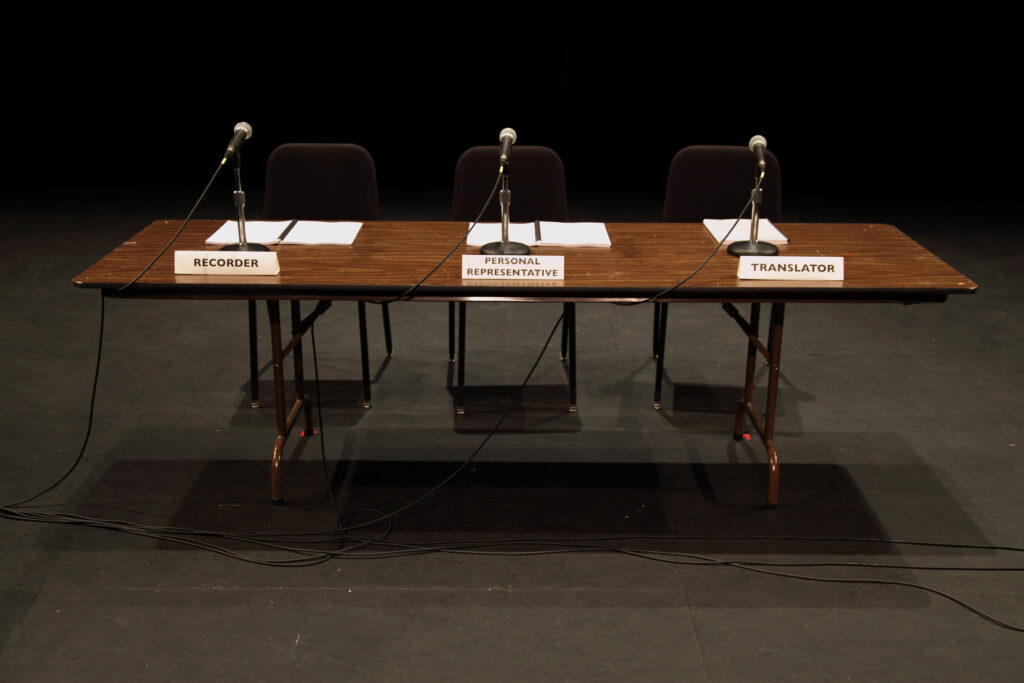
Somewhere between performance, stripped down theatre and an intense kind of public learning or maybe even a public hearing.
A trio of Tamio’s screaming and immovable slabs of sound; Mico’s dance/ performance/ piano; Fritz’s absurd, flailing percussion/ voice.
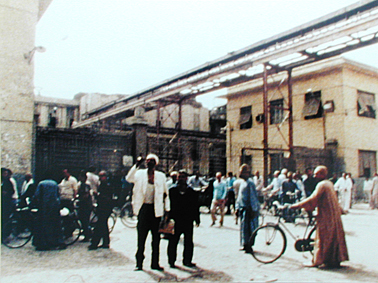
Opening with one of the most memorable shots ever filmed, and screened a year after the initial successes of the 2011 Egyptian revolution, Too Soon, Too Late is a search for the traces left on the landscape of past revolutions in France and Egypt.
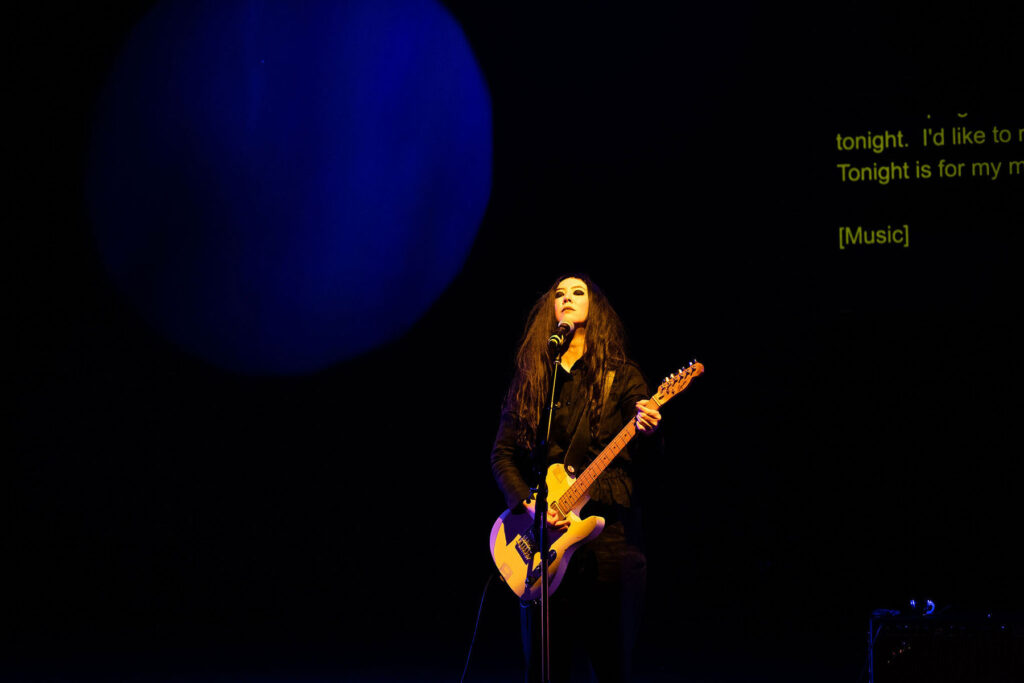
Guitar and voice. Keening, droning and mourning. Be ready to release and bring your dis-ease.
When we look, how do we objectify the body; how can we reflect on our (self) image as a construction?
Moor Mother is a musician, Philadelphian housing activist and black quantum futurist.
Sax/Drums duo of raucous, pealing noise, and cries of beguiling lyricism, whispered sax phrases float in a timbral cloud of bowed metal and rumbling toms.
The pieces in the programme switch between silent film/ imageless sound, but we wanted to have a think about how ideas can take up residency on either side of the sound/ image border, without having to inhabit both at the same time.
A collaborative social justice project that uses art, activism and awareness to combat the systemic oppression facing young, trans, queer & gender nonconforming people of colour.
Solo organ performance by German composer Eva-Maria Houben, which focuses on ‘nearly nothing’ to expand the way we listen.
What is happening when systems of repression try to grasp communities’ ways of being, living or surviving, applying laws of sexuality, gender or race to cast them as criminal?