Michiyo Yagi
Michiyo Yagi
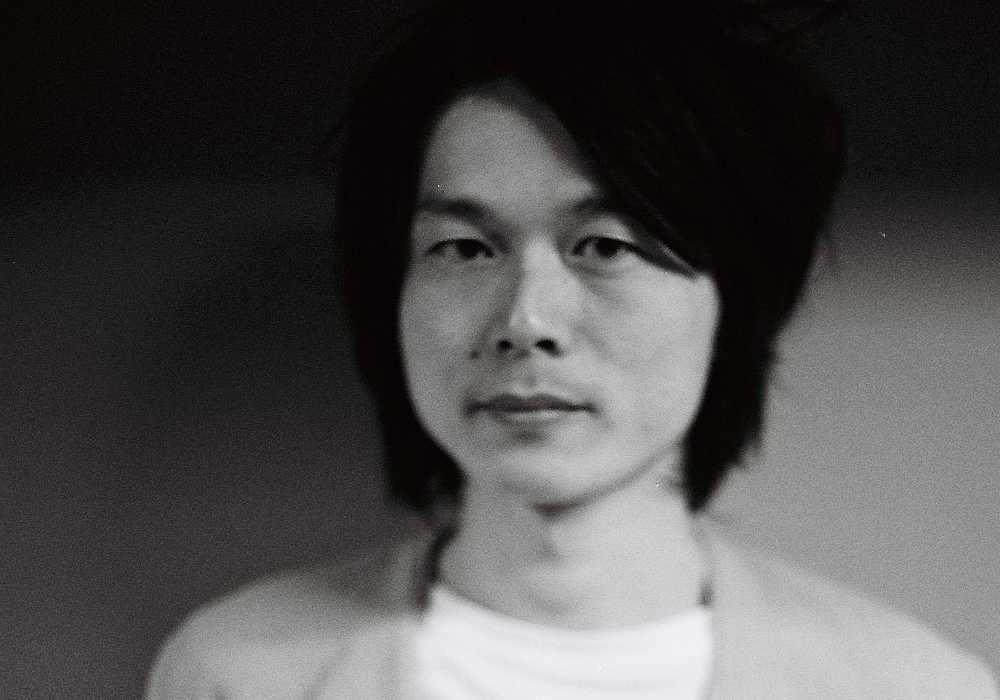
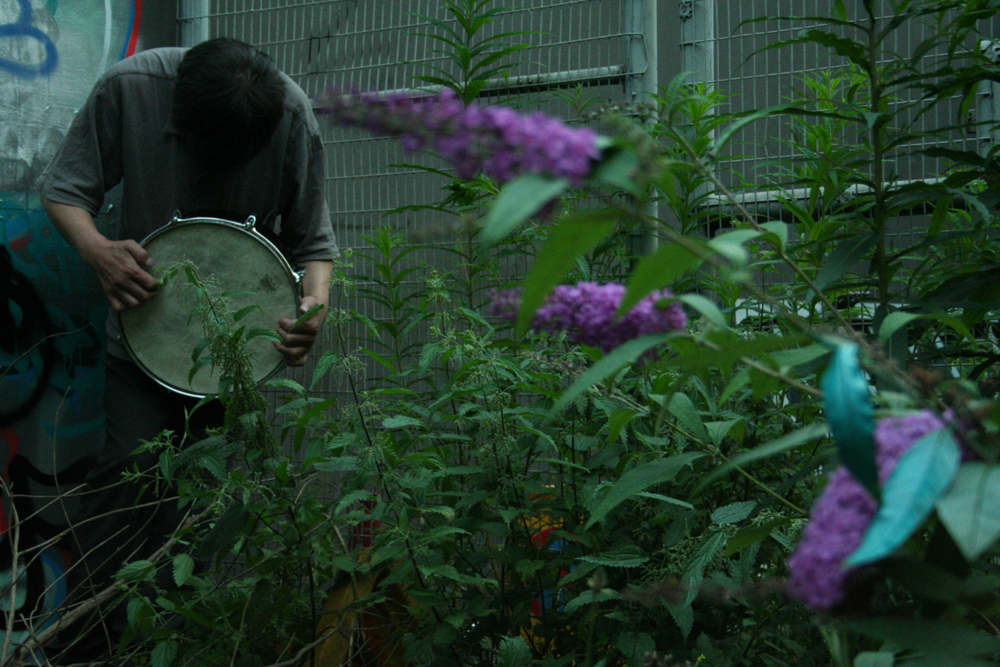
Sometimes delicate, sometimes harsh and jarring, Yagi’s koto solos are as much inspired by Nancarrow or Cage as they are traditional.
Arika have been creating events since 2001. The Archive is space to share the documentation of our work, over 600 events from the past 20 years. Browse the archive by event, artists and collections, explore using theme pairs, or use the index for a comprehensive overview.
Sometimes delicate, sometimes harsh and jarring, Yagi’s koto solos are as much inspired by Nancarrow or Cage as they are traditional.
Open-ended, paradoxical and performed investigations into: misunderstanding, language games, form saturated with sense, and consecutive matters…
Jumping off from Sun Ra’s thoughts on evil, and the Alien films, this performance will explore how the sociality Sondra wants to visualise and participate in has no interest in respectability.
Fernando thinks that when maths is deep, it should be simple and able to be explained by hand gestures. By embodying ideas, we’re able to more clearly think about their cultural implications.
Taking our festivals south of the border to The Sage Gateshead we set out to offer a few cardinal pointers in the vast array of experimental music practices.
On the birthday of Marsha P. Johnson, this event brings together several elements that celebrate the radical care and kinship characteristic of the Trans revolutionary.
Radu plays a trombone, Klaus creates pure sine waves: they sound on their own, or sometimes together and often with considerable space and silence.
In many ways, this Episode is our attempt to engage with Fred’s incredible writing: with his proposal that all black performance (culture, politics, sexuality, identity, and blackness itself) is improvisation.
IN OUR LIFETIME, is an anti-imperialist resource, edited by Hussein Mitha, produced by Arika for Episode 11, featuring poetry, essays, questions, prompts, letters and works of anti-colonial imaginary.
What’s the relationship between the eternal hum of the oceanic beloved and the persistence of vorticity in fluid dynamics? And how does Alice Coltrane’s harp help us stay there?
In this workshop we will imagine ourselves as time travellers from a glorious and chaotic neurodivergent-led future.
Can a collective performance of NourbeSe’s poem of black life as it exceeds containment enact alternative forms of selfhood that emerge in and out of African diasporic experience?