Love Hangover
Hil Malatino Eli Clare Nat Raha
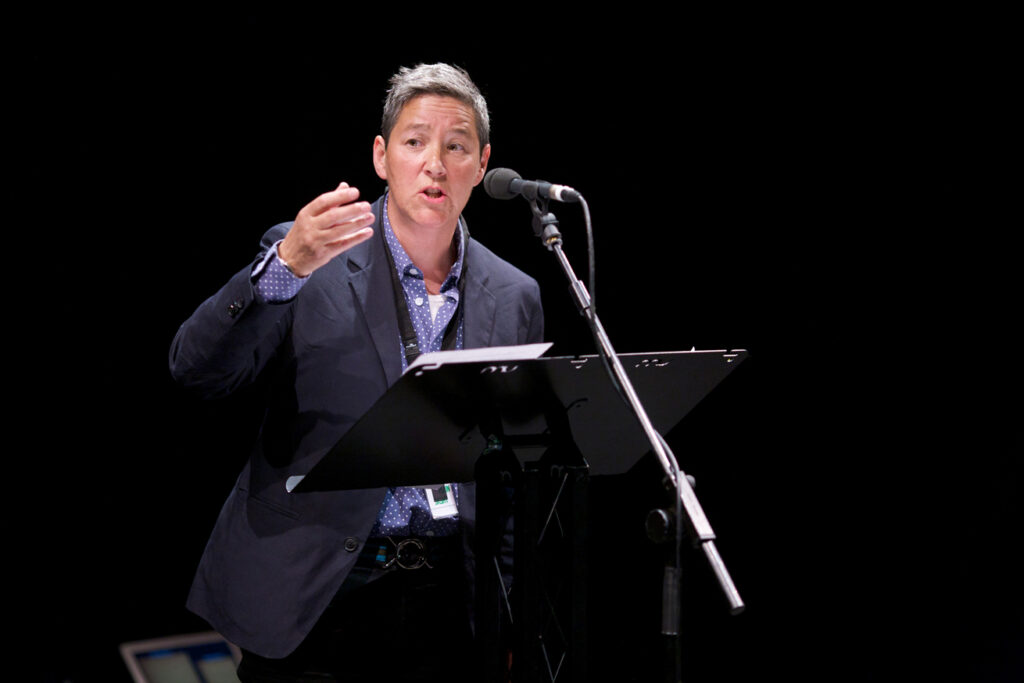
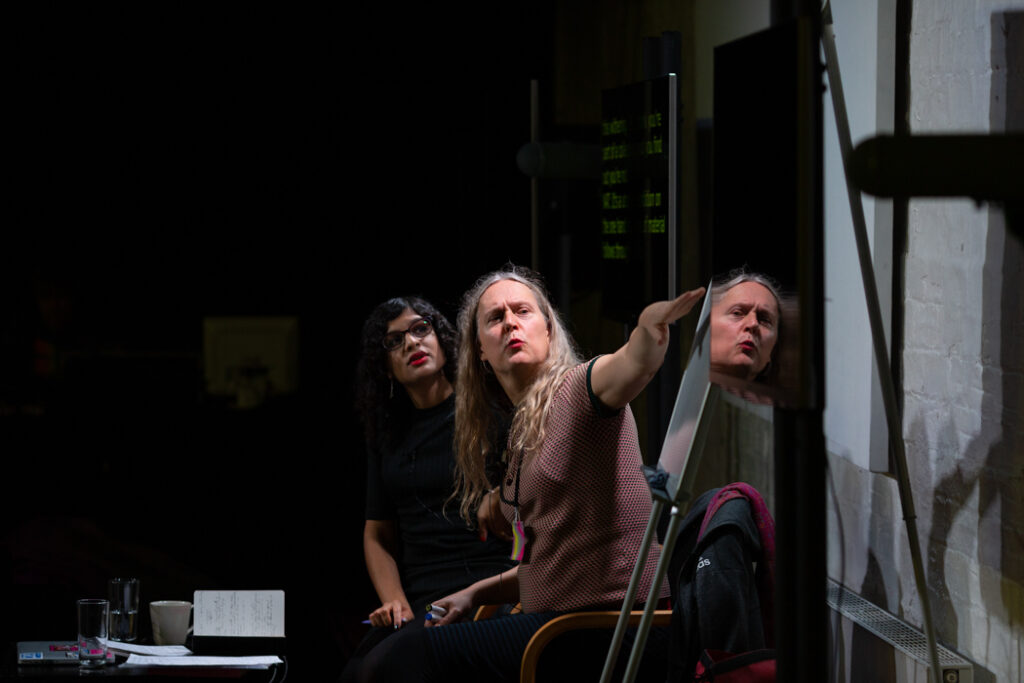
A joyful conversation discussing disability, gender transition and care labour as expressions of virtuosic and innovative skills that make care – good care – possible.
Arika have been creating events since 2001. The Archive is space to share the documentation of our work, over 600 events from the past 20 years. Browse the archive by event, artists and collections, explore using theme pairs, or use the index for a comprehensive overview.
A joyful conversation discussing disability, gender transition and care labour as expressions of virtuosic and innovative skills that make care – good care – possible.
What’s the best way to spend time with a musician when they visit a city to perform? And when the musician in question has a great deal to say, what sort of concert do you organise to do justice to that?
The worlds leading radio art station brings you: a performance, a radio show, an installation, an endurance test.
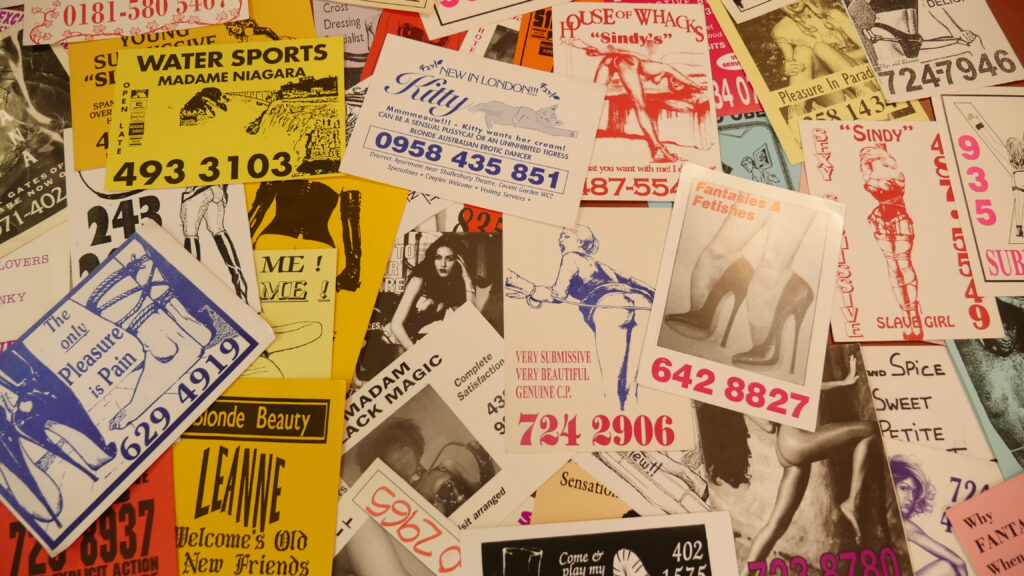
In the Foyer at the Tramway we will screen a documentary from the Sex Workers’ Festival of Resistance 2017 and La Llamada by Eduardo Restrepo Castaño.
A Performance exploring the nature of acousmatic listening; sound removed from visual context and understood for it’s own properties.
Terry is one of the most entertaining and unpredictable musicians in the London free improvising music scene. Rhodri Davies extends his instrument under a battery of techniques creating sound colours and textures quite alien to the harp.
Sonic ‘observations’ of the world, through micro recordings on a tiny scale and transformed into something musically compelling.
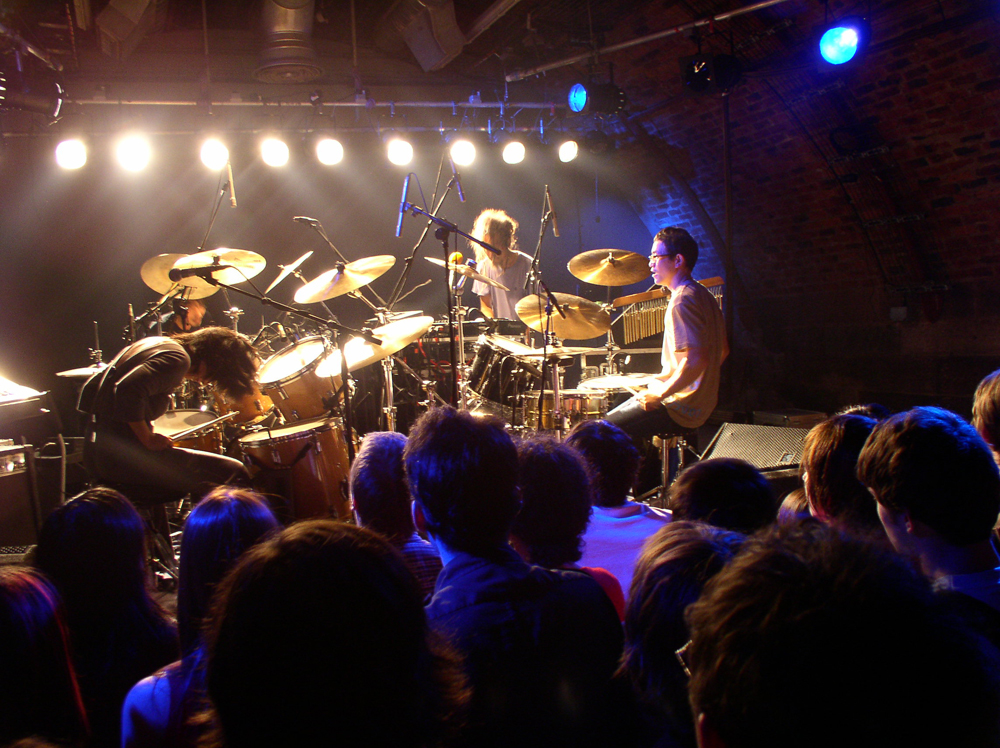
A preposterously heavy, eye of the storm musical tug of war, in which two drummers, electronics and electric guitar fall over each other in a droning crush.
Julius Eastman’s Evil Nigger for 4 pianos performed by Joe Kubera, Kate Thompson, David Murray, Alan Fearon and Simon Passmore.
A riot of 60’s psychedelia, magick, ritual and tight black leather, this programme highlights underground innovators who use and subvert pop music for their own experimental ends; and be warned, in Anger, there’s real darkness.
Music is full of refracted brass and wind tones, distorted tape loops, dead silent air and the occasional piercing shard of sound.
How does this practice, that simultaneously resists and honours the distinctions between these genres, materials and senses, determine the inhabitation of another: a convergence of aesthetic and social experimentation?