


14 October 2005
The Arches
Jandek
Jandek
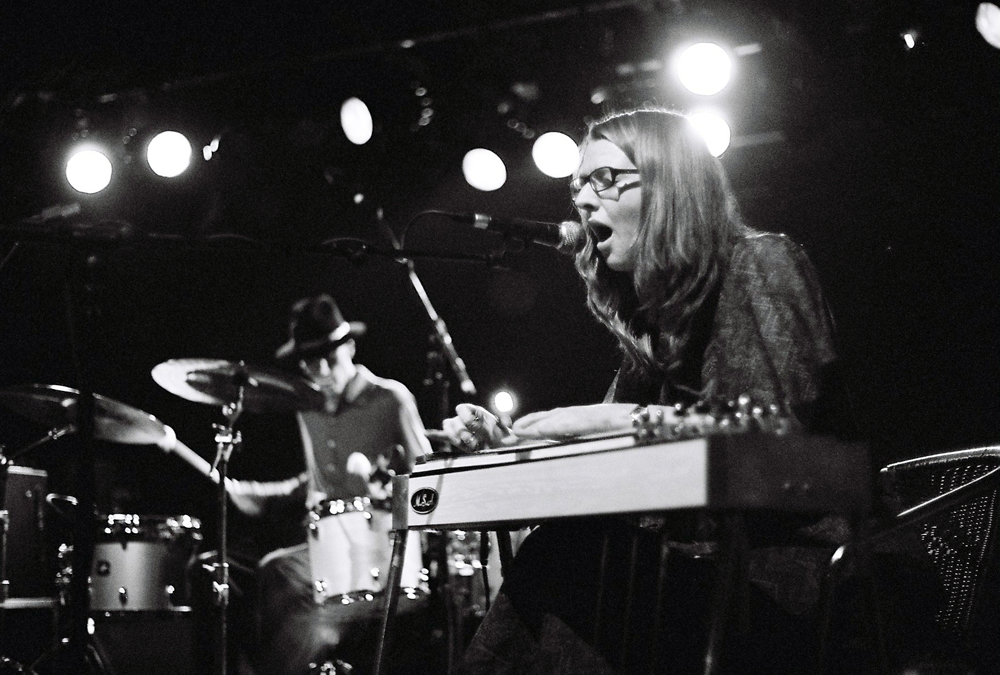
Jarringly beautiful and often maniacal expression of hallucinatory and very personal visions.
INSTAL 05
Arika have been creating events since 2001. The Archive is space to share the documentation of our work, over 600 events from the past 20 years. Browse the archive by event, artists and collections, explore using theme pairs, or use the index for a comprehensive overview.
Jarringly beautiful and often maniacal expression of hallucinatory and very personal visions.
Each organ is unique. The project is to find out what makes it unique.
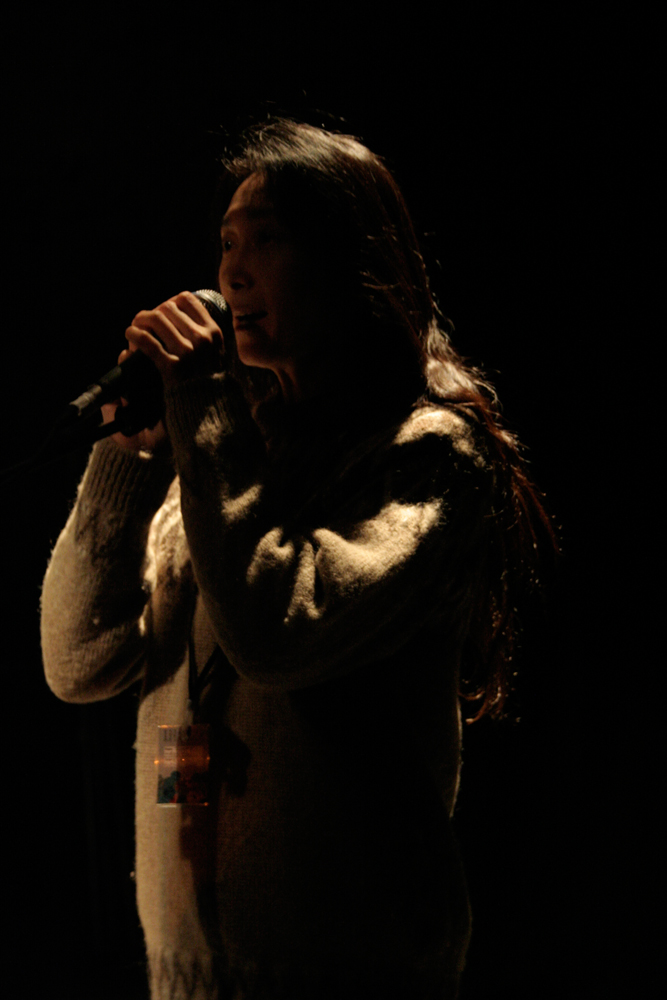
Trio vocal performance of a score by Achim Wollscheid with Aileen Campbell, Junko and Dylan Nyoukis.

This session focuses in on the defiant mutual aid practices of early and DIY feminist movements in the UK, that attempted to shift and radicalise care and kinship away from the domain of the nuclear family.
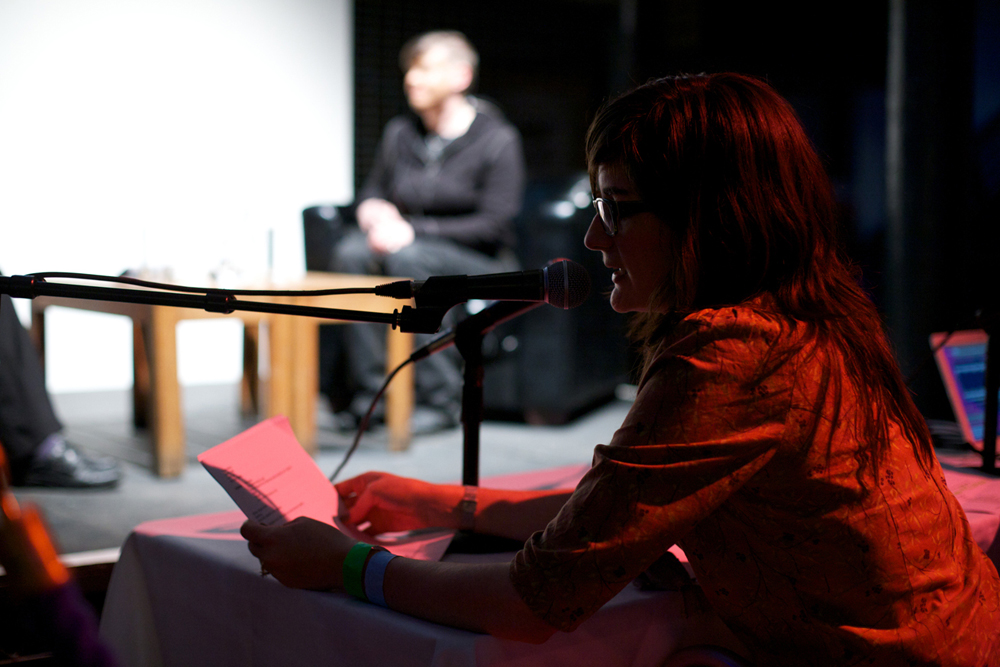
A series of reality dramas happening over the course of the weekend.
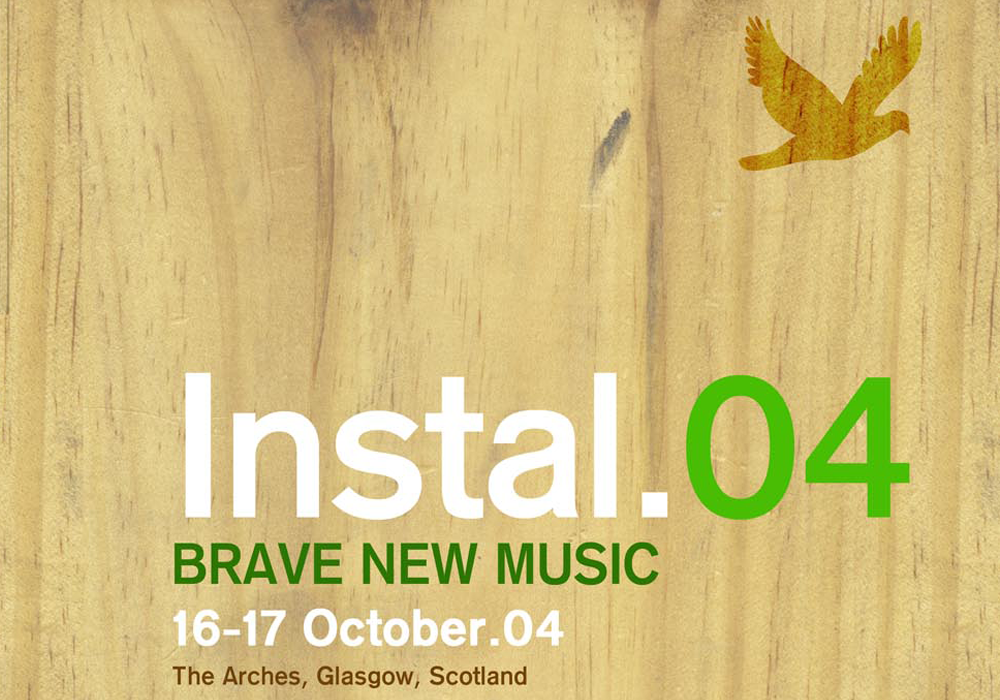
Now a two day festival, INSTAL 04 was borne of a desire to open eyes, challenge audiences and expand musical horizons. This was also the year in which a certain representative from Corwood Industries made his first ever live appearance.
Investigating the border between the audible and the visible means looking at the margins, the edges of creativity where artists test out new boundaries and define them anew.
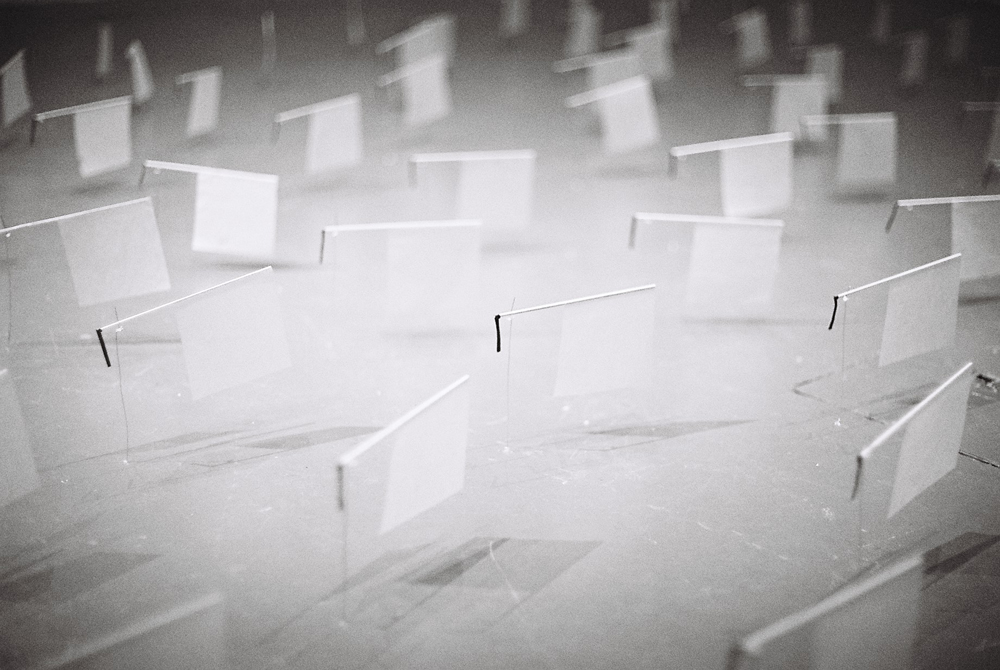
Felix Hess is a unique crosser of the boundaries between science and art. He wrote his doctorial thesis on the aerodynamics of the boomerang
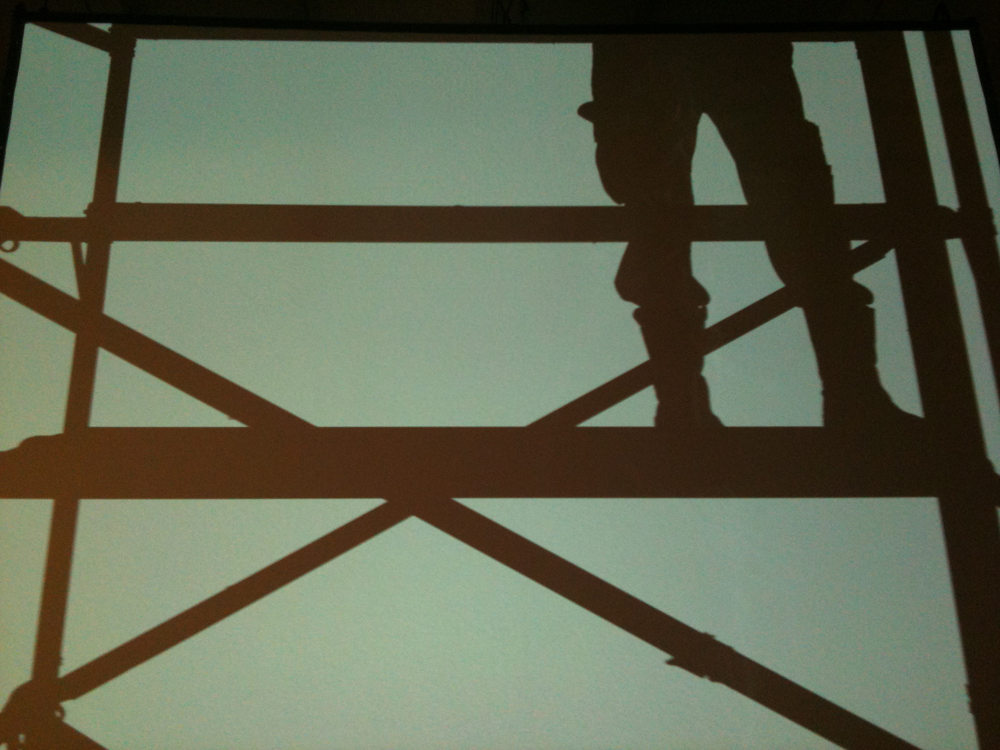
Smith/Stewart set up allegorical situations over which they often have little to no control, but which instigate explorations of dependence and trust, the body, sex and death.
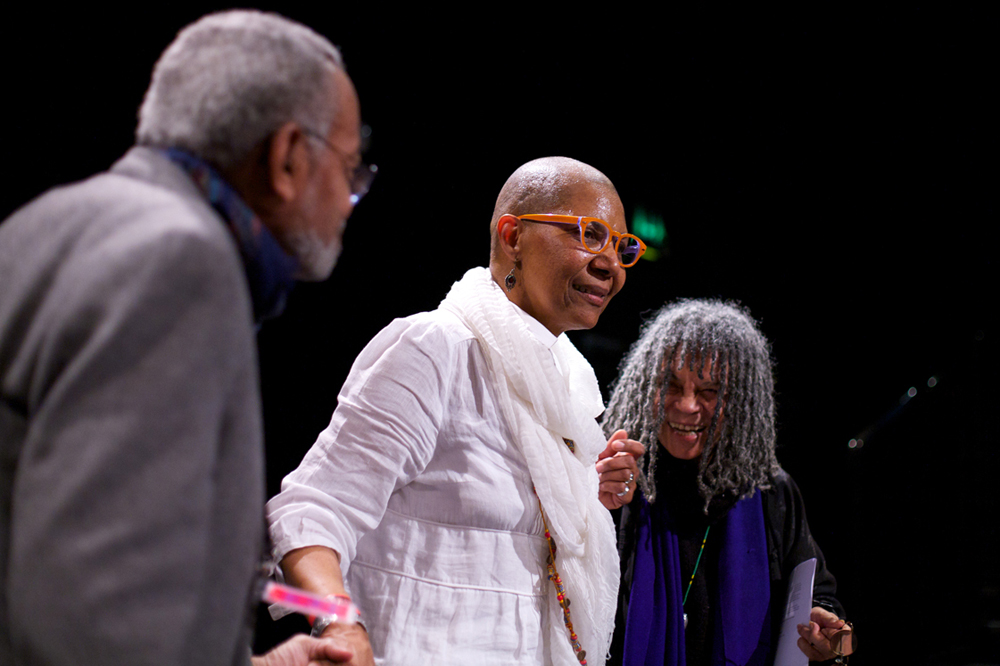
Can a collective performance of NourbeSe’s poem of black life as it exceeds containment enact alternative forms of selfhood that emerge in and out of African diasporic experience?
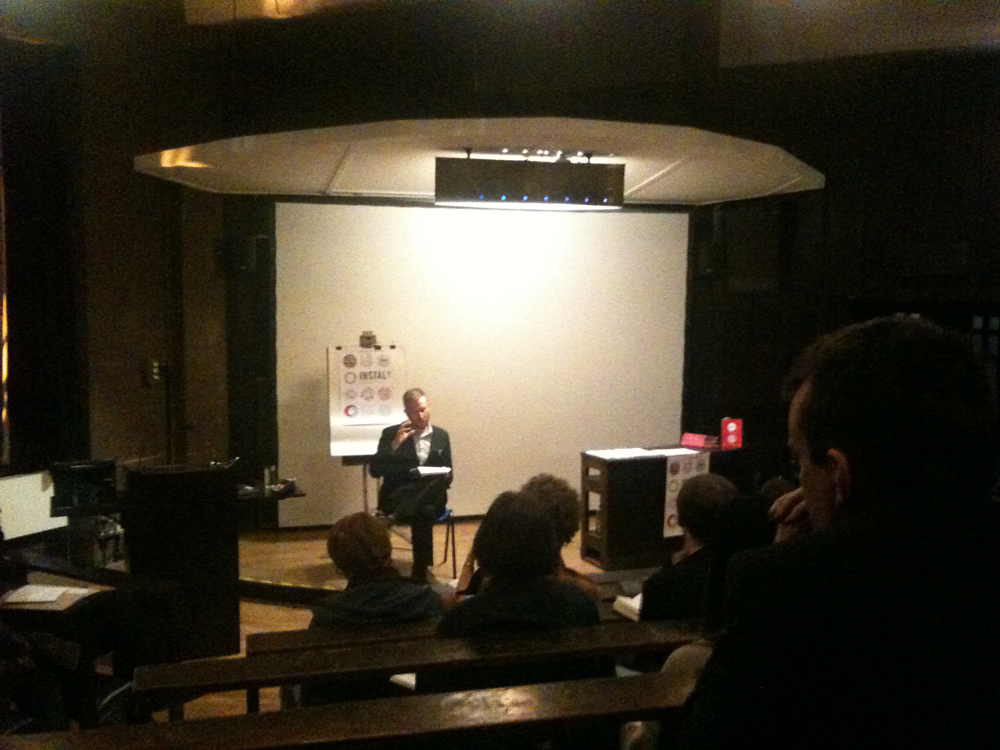
A kind of an informal overview of INSTAL.
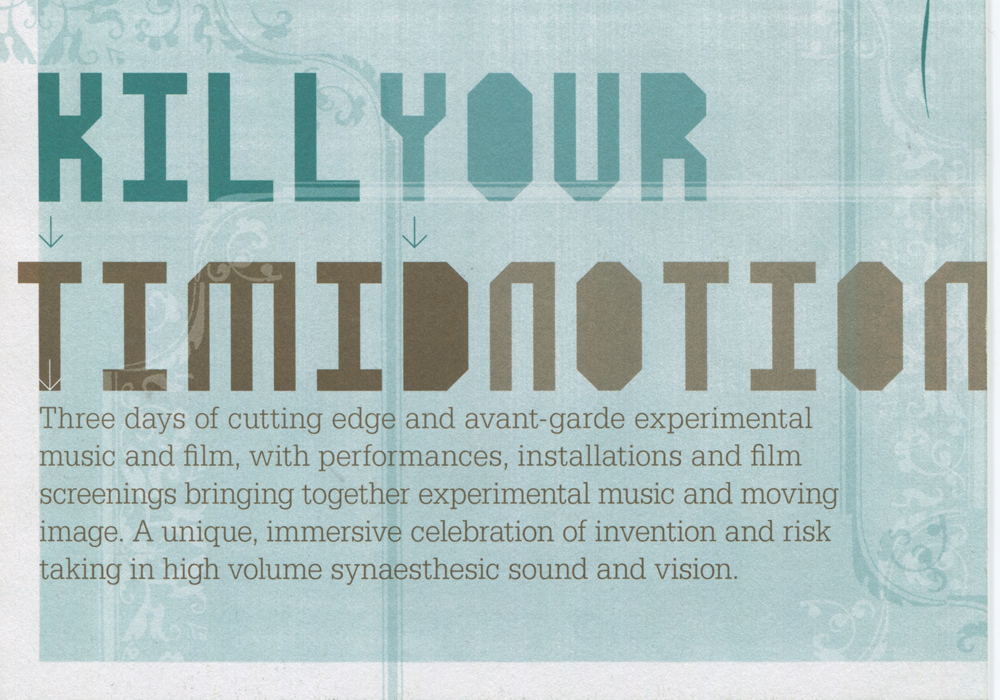
Taking over the gallery spaces at Dundee Contemporary Arts, the first Kill Your Timid Notion presented a 3 day programme of live immersive experiences and specially curated film programmes.