

21 June 2024
I wanna be with you everywhere Solstice Gathering 2024
Summer Solstice hang out IRL and URL on 21 June
Arika have been creating events since 2001. The Archive is space to share the documentation of our work, over 600 events from the past 20 years. Browse the archive by event, artists and collections, explore using theme pairs, or use the index for a comprehensive overview.
Summer Solstice hang out IRL and URL on 21 June
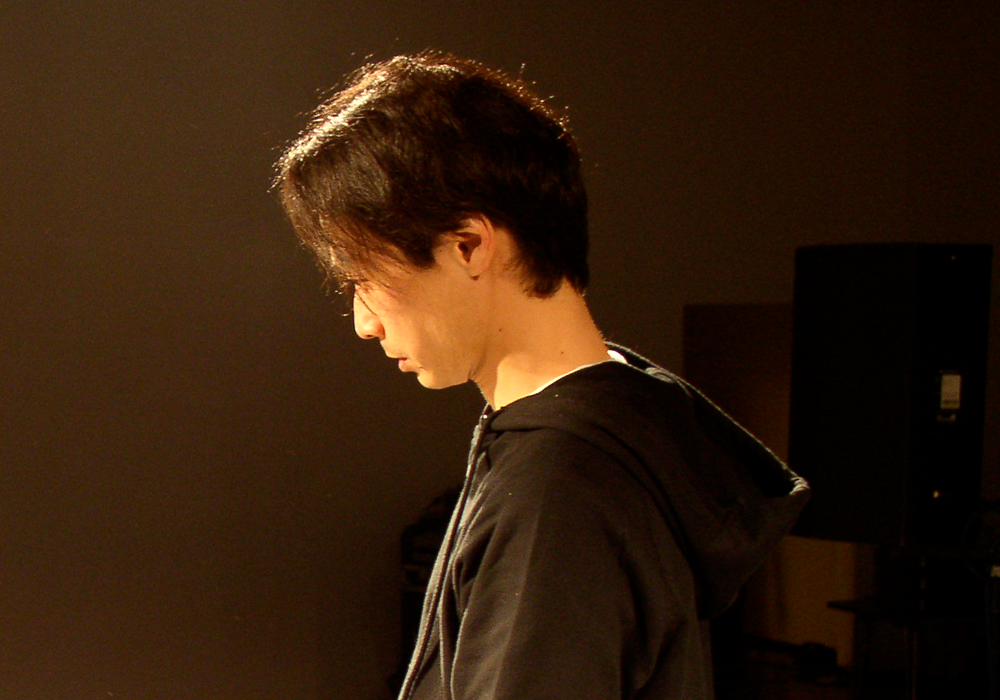
Exploring the interplay between punk sinewave aggression, high-speed video sequences and stroboscopic lighting
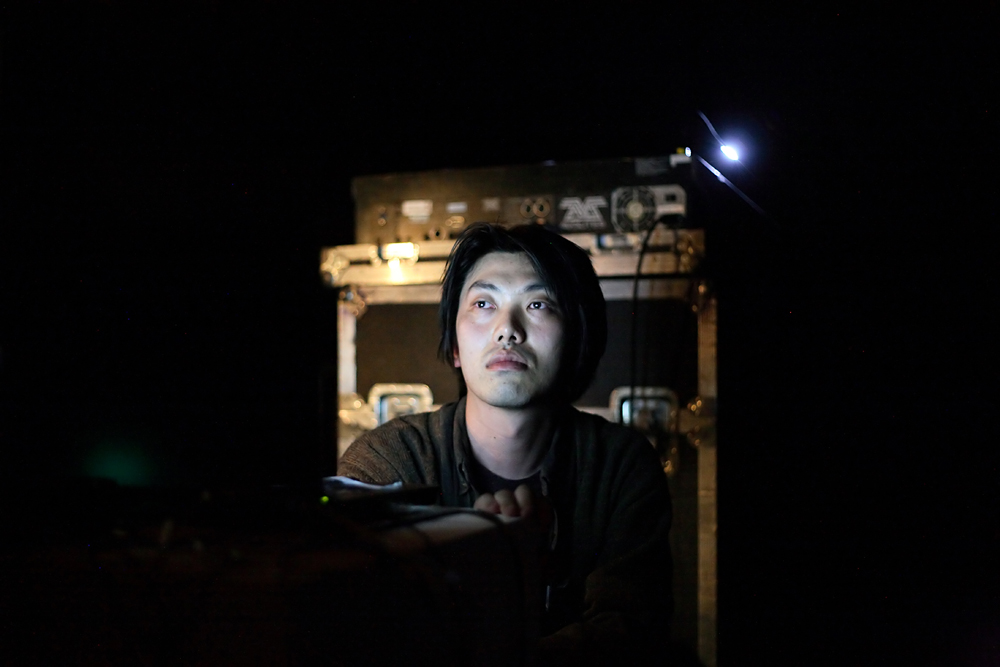
Simple maths and stringent scored instructions move precise frequencies and clicks to create a dense, fluctuating environment of standing waves and physical sound.

Ecstatic, intensely joyous experimental club music: like “the sound of our water ceremonies…40 bands playing their melodies at once to recreate the cacophony of the first aurora and the call of the morning star Venus”.
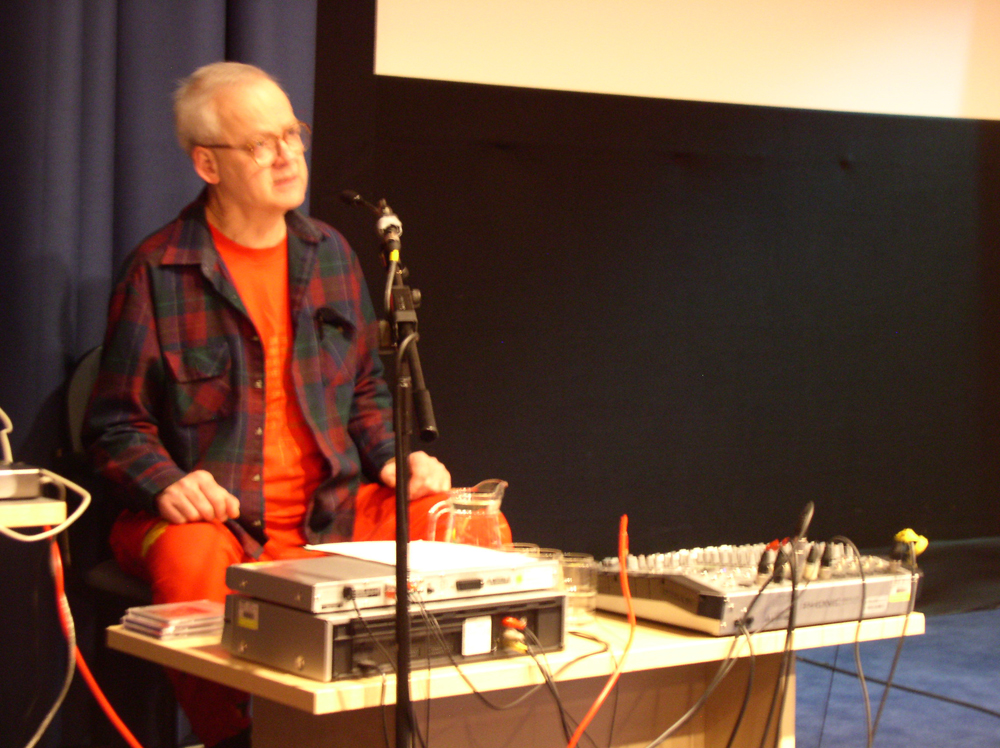
ACCESS: SOUND FILE A day-long salon accompanying KYTN focusing on sound art.
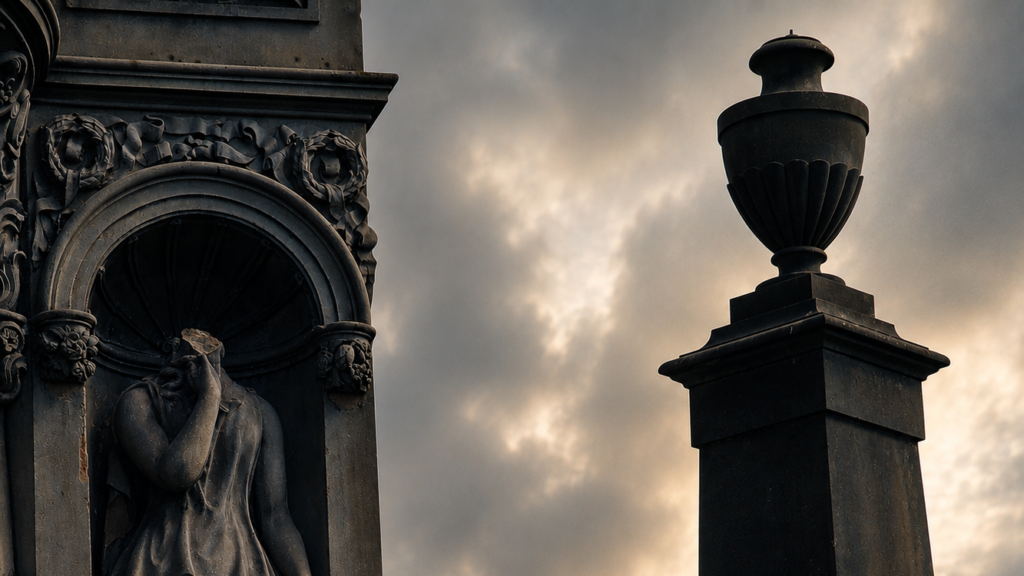
An excavation of the 1805 Lock Hospital in Glasgow. Its official function was to support ‘unfortunate females with venereal disease’, but really what happened was that women and girls were marched in, experimented on, and often never released.
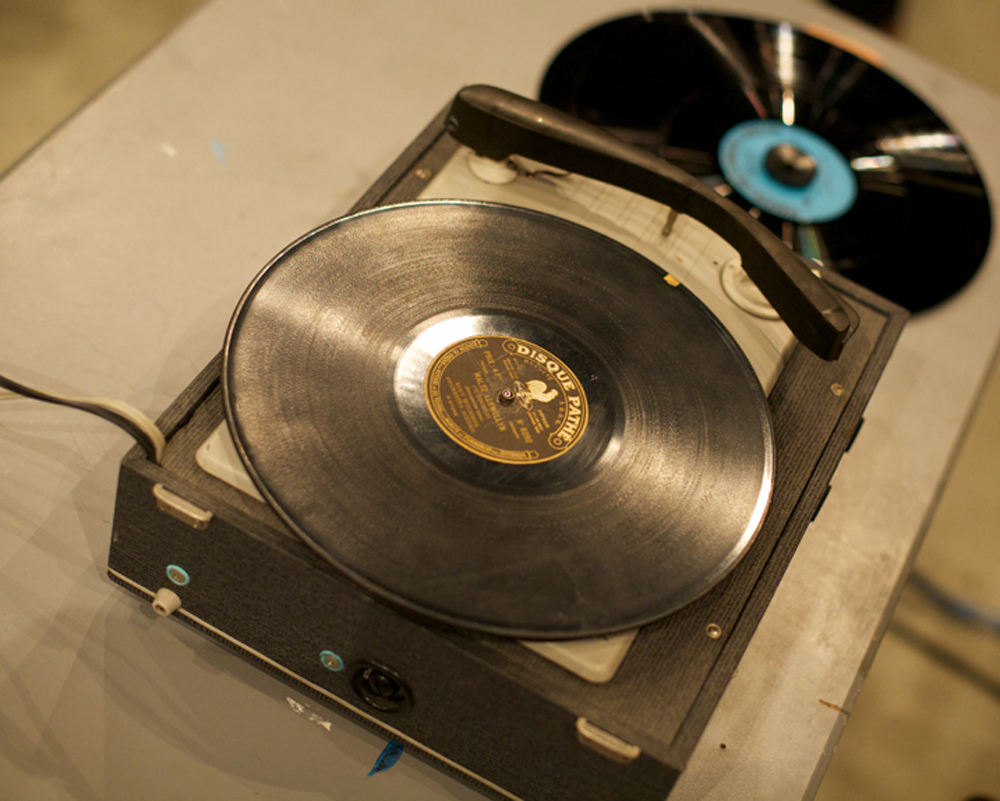
A carefully thought out, simple but rich performance using just a turntable, teach yourself foreign language LP’s, the impeccable timing of a percussionist, and an idea.
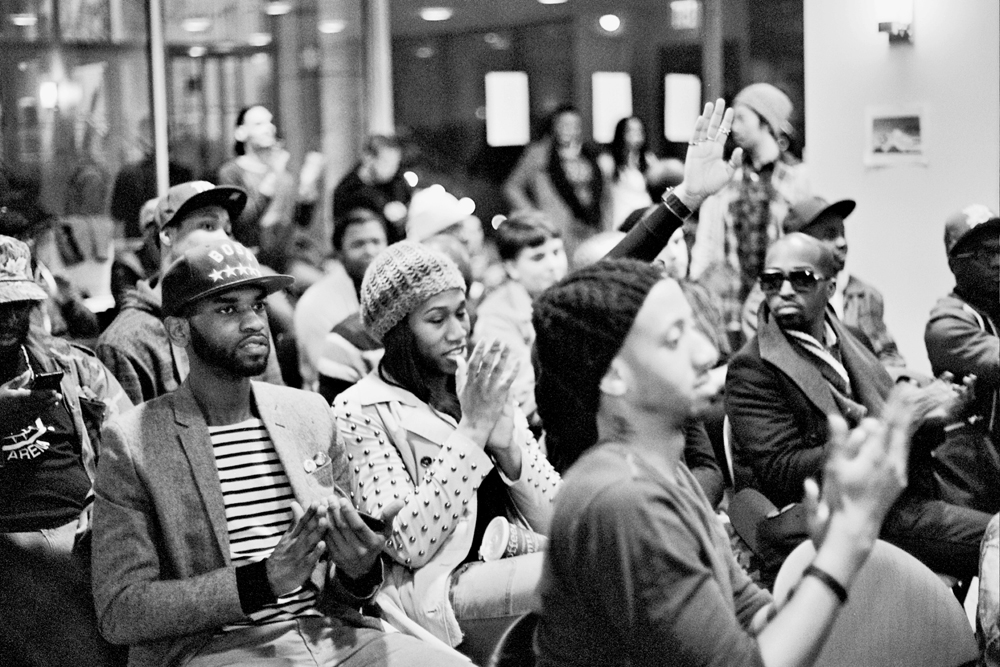
Open community meeting to discuss some of the prevalent concerns impacting the ballroom community.
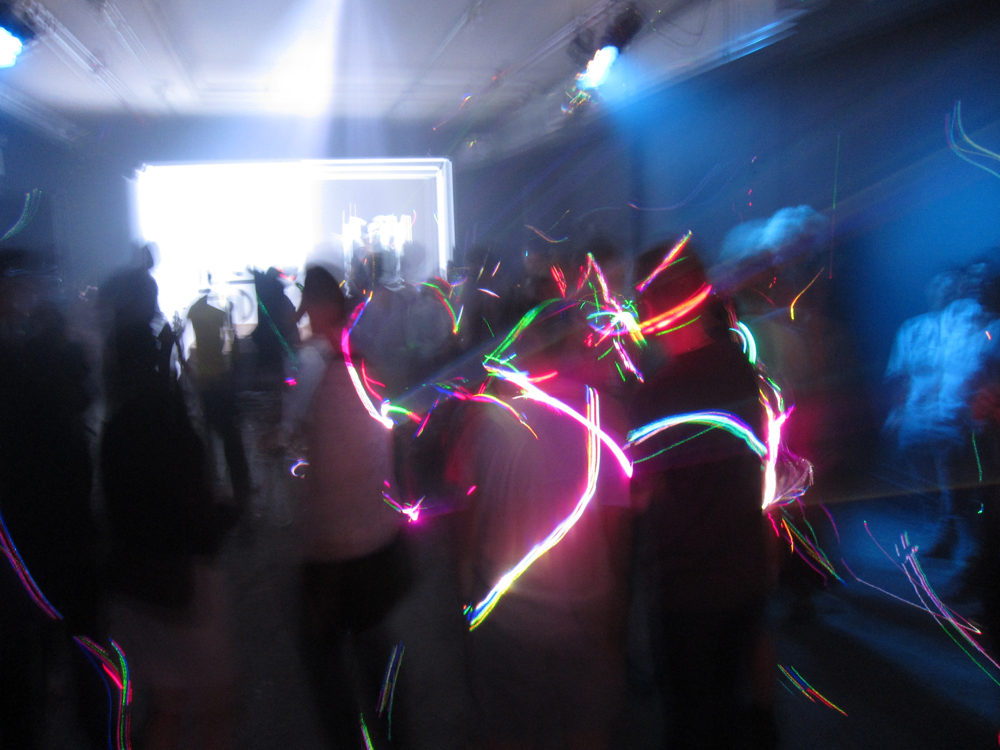
Three days of discussions, performances, actions, dancing and food – continuing No Total’s ongoing contemplation of ways of being together and the ways Arika have been entangled in those, ever since Episode 4.
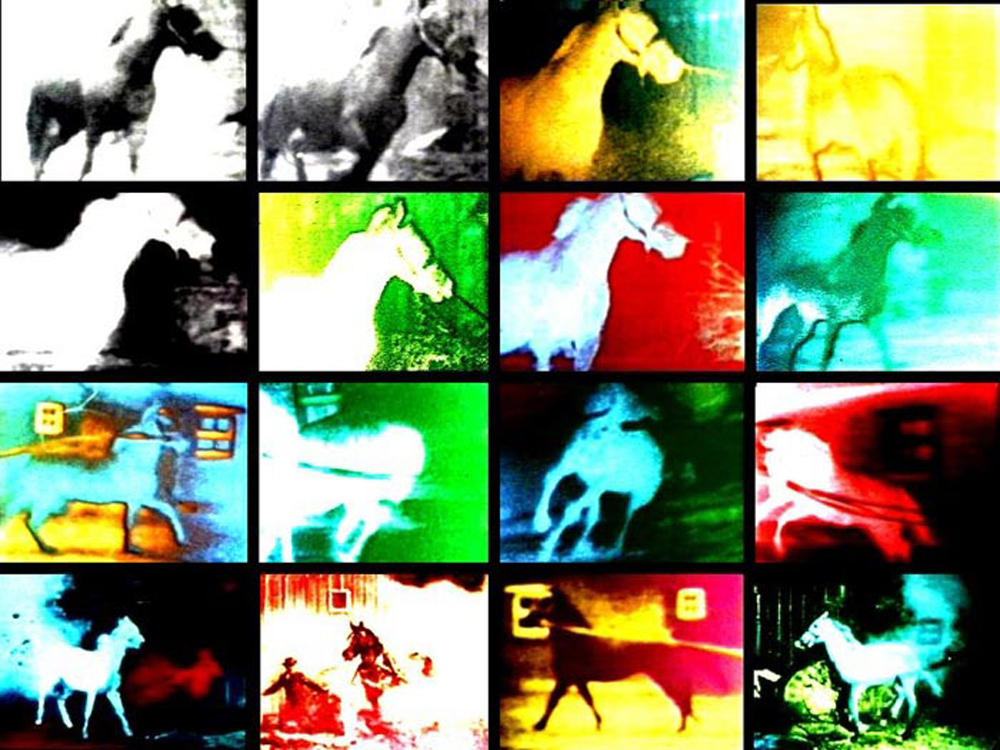
Psychedelic and intense, and featuring some of the most visually stunning, mesmerizing and transcendent experiences you can imagine, batten down the hatches for some of the boldest, most immersive and abrasive works in experimental cinema.
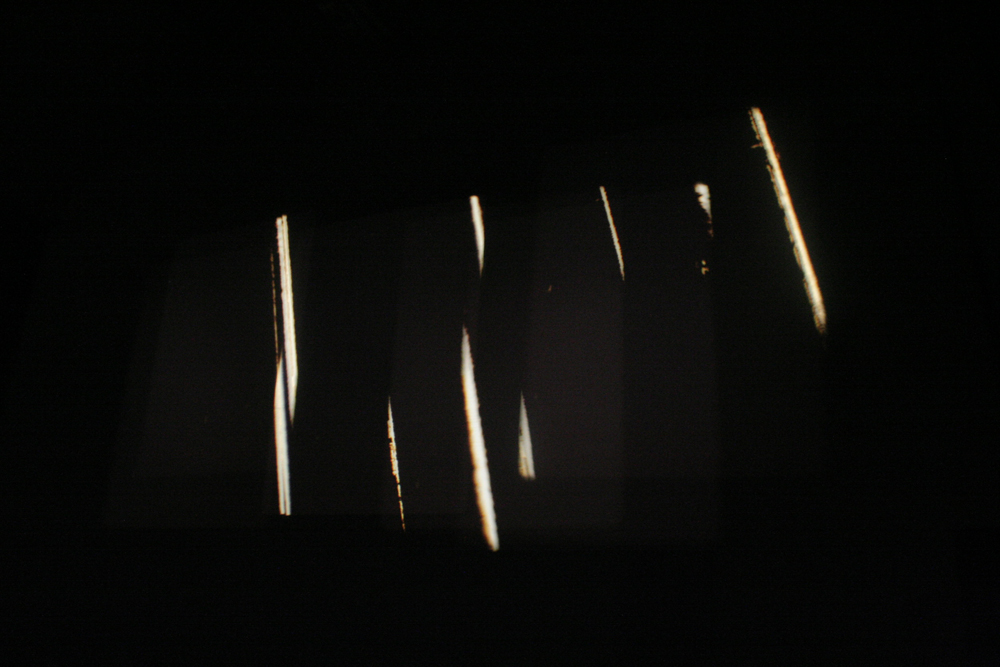
Guy Sherwin gives a kind of annotated, chat through his optical sound films
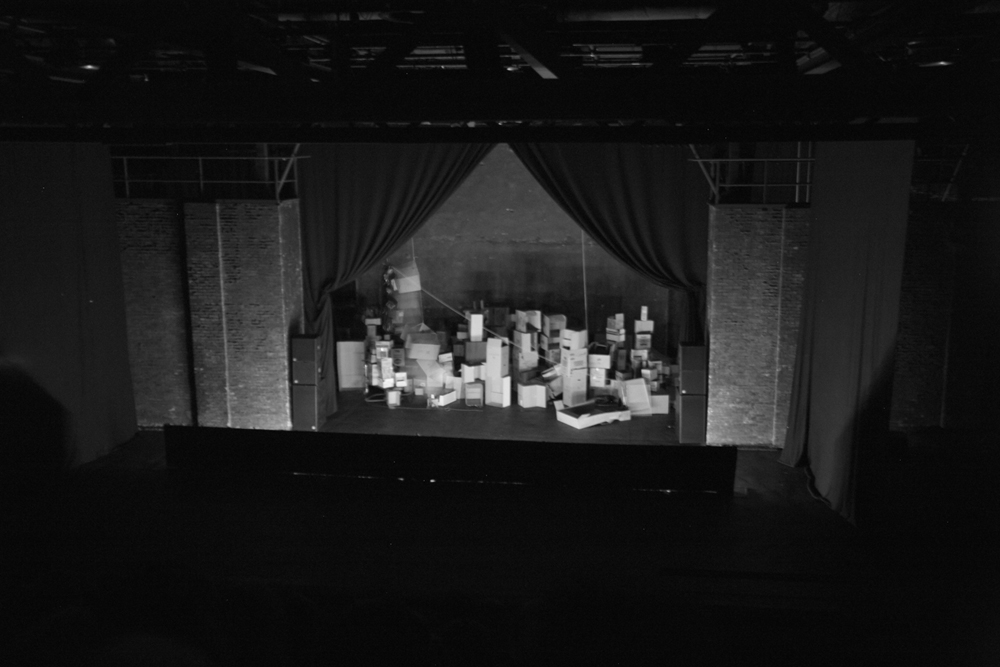
Inspired by the supernatural horror of H. P. Lovecraft, black metal and a sense of worry as to what constitutes an object, or a world.