Daniel Carter & William Parker
Daniel Carter William Parker
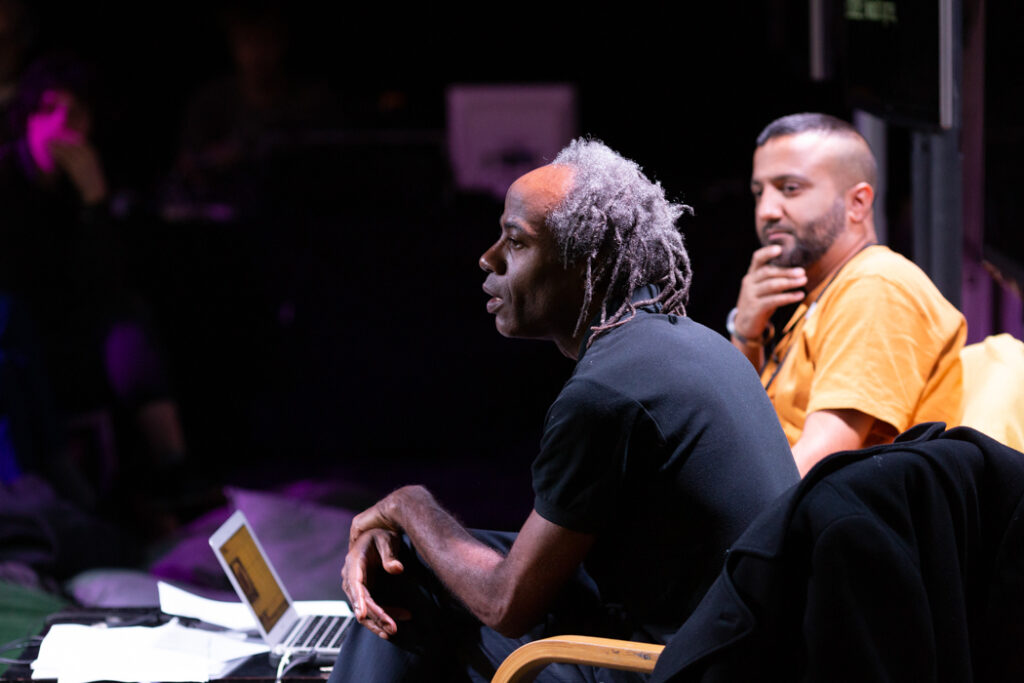
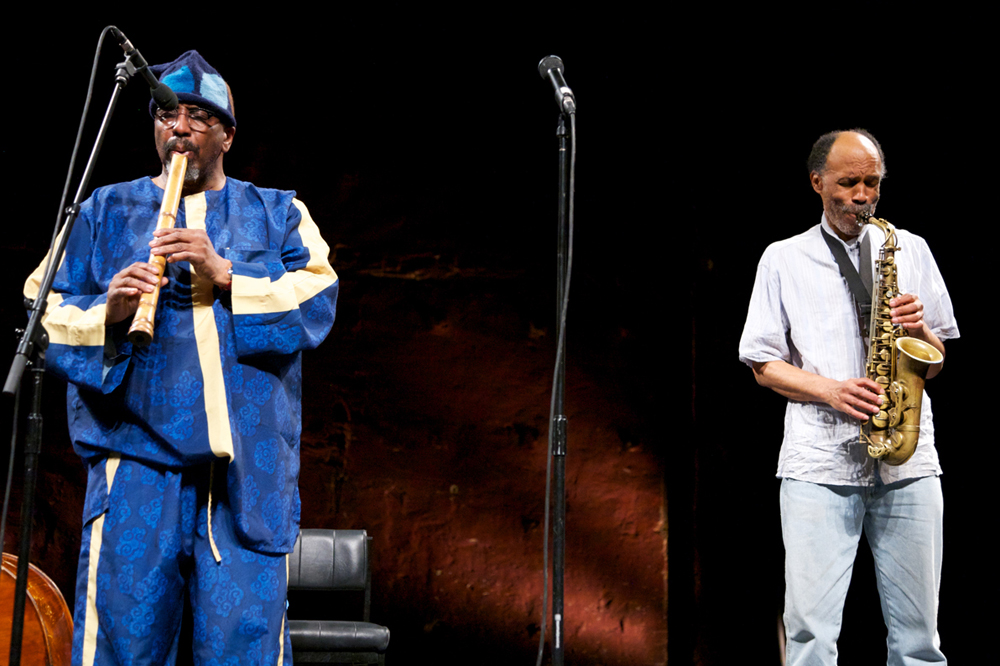
What might Carter and Parker’s collaboration tell us about our own performances of responsibility and liberty, whether individual, social or musical?
Arika have been creating events since 2001. The Archive is space to share the documentation of our work, over 600 events from the past 20 years. Browse the archive by event, artists and collections, explore using theme pairs, or use the index for a comprehensive overview.
What might Carter and Parker’s collaboration tell us about our own performances of responsibility and liberty, whether individual, social or musical?
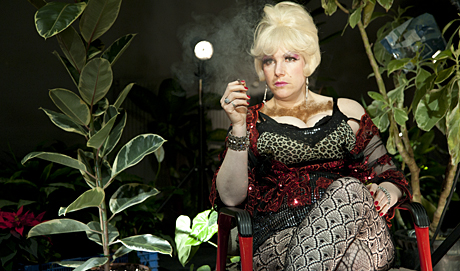
Trans-temporal drag, sexuality and the re-staging of illegible moments in history.
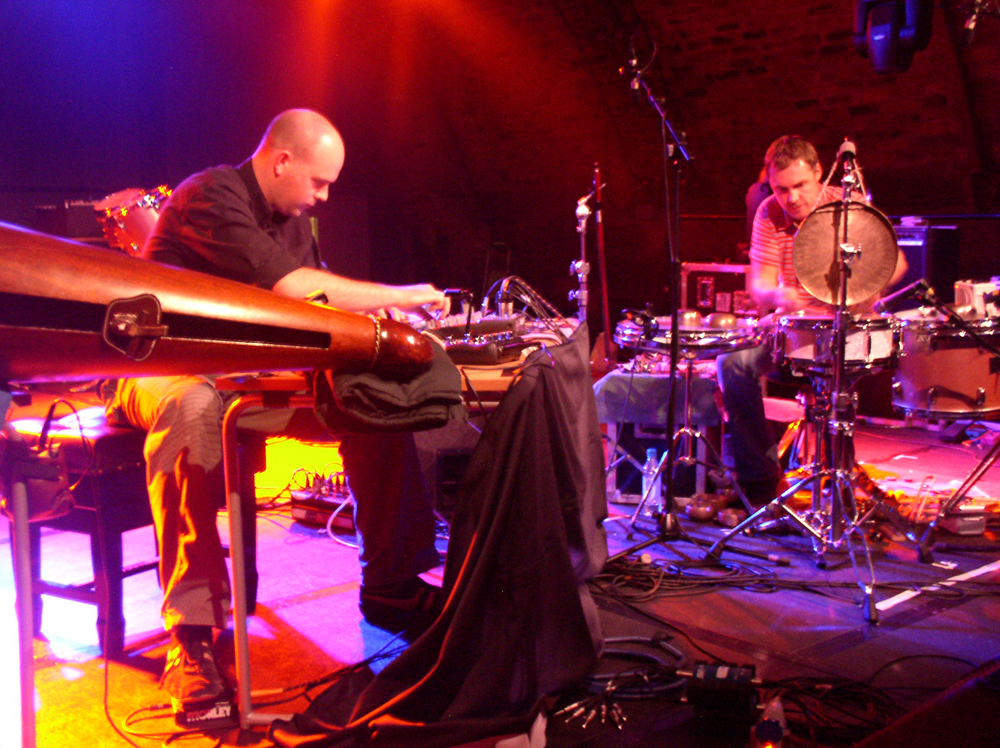
Minimal details and otherworldly glistening drones, rich with sustained metallic timbres that breathe with the scrapped pulse of bowed metal.
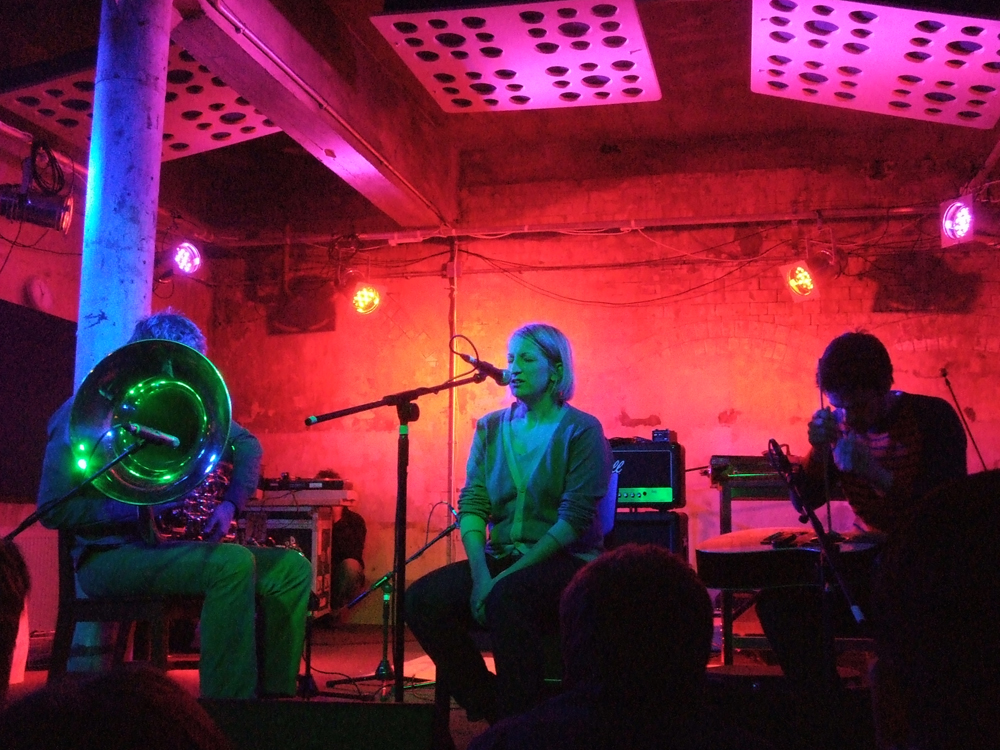
Sparse and miniature free thought workouts involving guitar, vocals and tuba.
(Cyber)feminist, non-essentialist transgender and queer daily radio shows using the formula of morning radio as an arch way of thinking about the scripted behaviour and controlled empathy of systematic care.
An evening of live performances, readings & saucy rococo cakes celebrating the launch of Truth and Lies – An Anthology of Writing and Art by Sex Workers.
Dub is strange. A conversation with Edward George and Dhanveer Brar.
Writing that shows us that, even in struggle, there is light to be let in.
Autobiographical detail becomes a lens to reflect and refract the deepest aspects of personal and social life in Delany’s ground-breaking non-fiction writing.
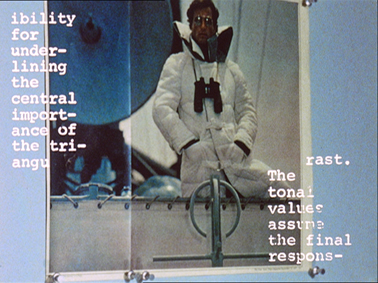
Ian and Gil will host a discussion on the Argument project’s social and political commentaries, and with you try and maybe think through whether and how they might still have some currency today: what’s changed and what’s stayed the same?
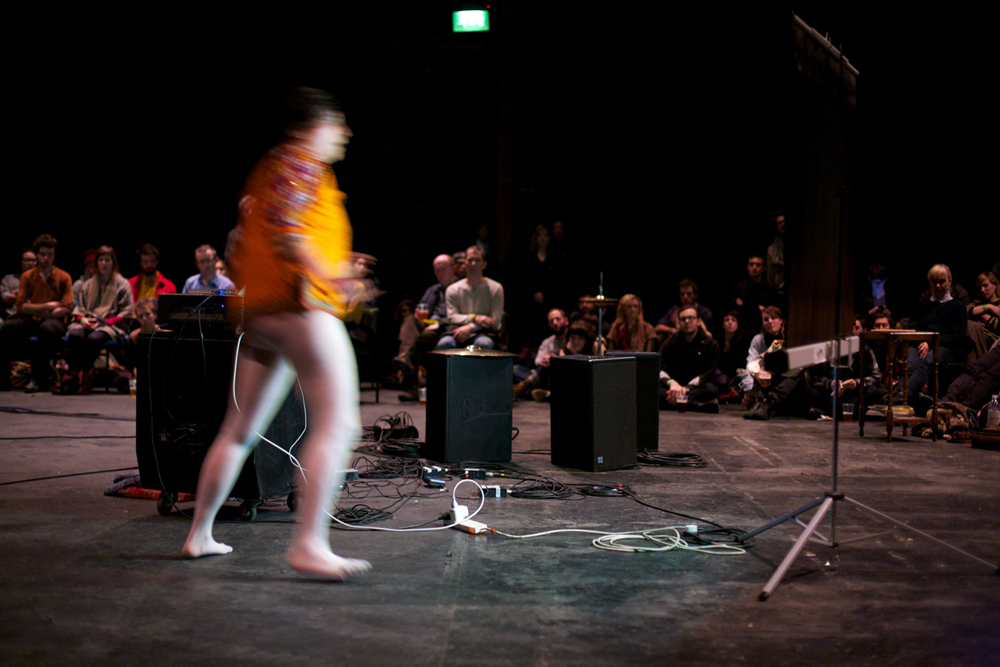
Slapstick comedy, monologue, and a kind of live sculpture transformed through video, props, musical instruments and make-up.
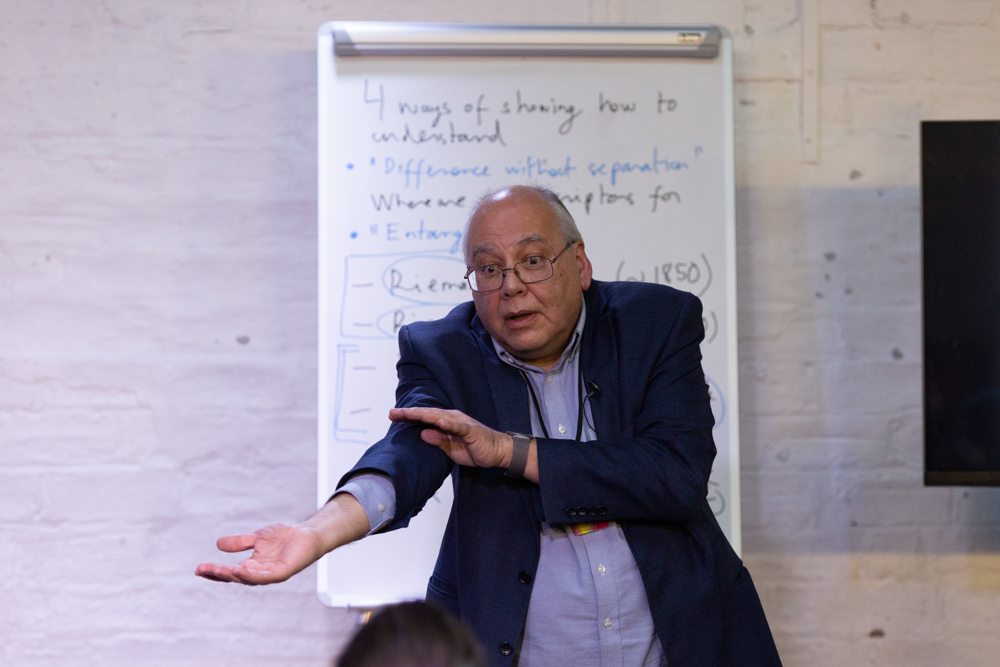
Fernando thinks that when maths is deep, it should be simple and able to be explained by hand gestures. By embodying ideas, we’re able to more clearly think about their cultural implications.