4 Waters: Deep Implicancy
Arjuna Neuman Denise Ferreira da Silva
What would a world and an ethics look like free from the destructive consequences of the Western mind?
Arika have been creating events since 2001. The Archive is space to share the documentation of our work, over 600 events from the past 20 years. Browse the archive by event, artists and collections, explore using theme pairs, or use the index for a comprehensive overview.
What would a world and an ethics look like free from the destructive consequences of the Western mind?
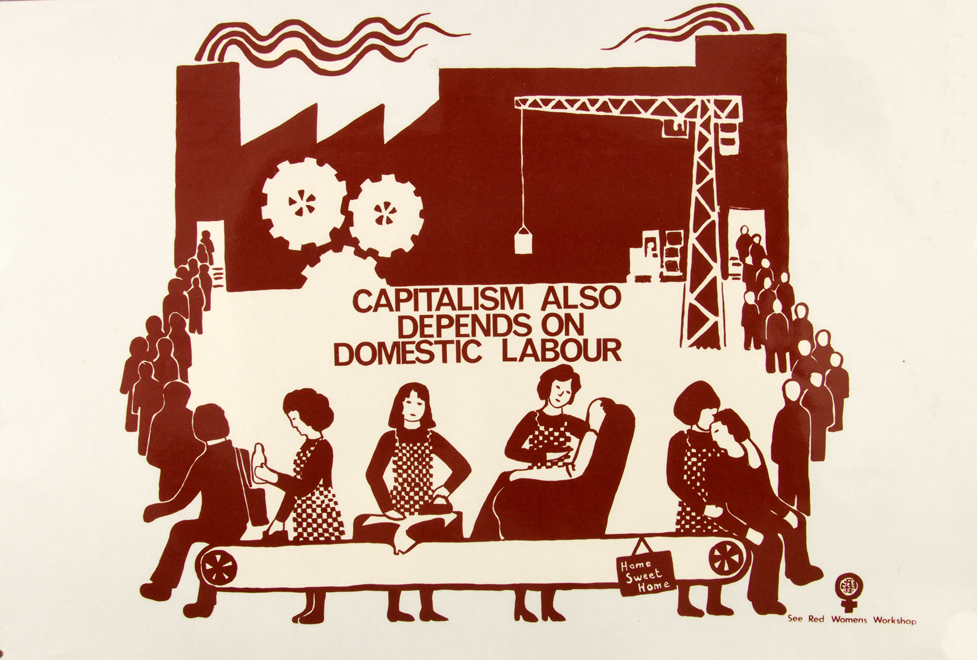
This session focuses in on the defiant mutual aid practices of early and DIY feminist movements in the UK, that attempted to shift and radicalise care and kinship away from the domain of the nuclear family.
The role of feelings in public life, (political) depression and creative survival.
A celebration of the release of four books written by members of, and focused on about the House and Ballroom scene.
Edinburgh. Nigh-inaudible improv jams with disabled instruments from the makers of Giant Tank and Pizza Boy Delivery.
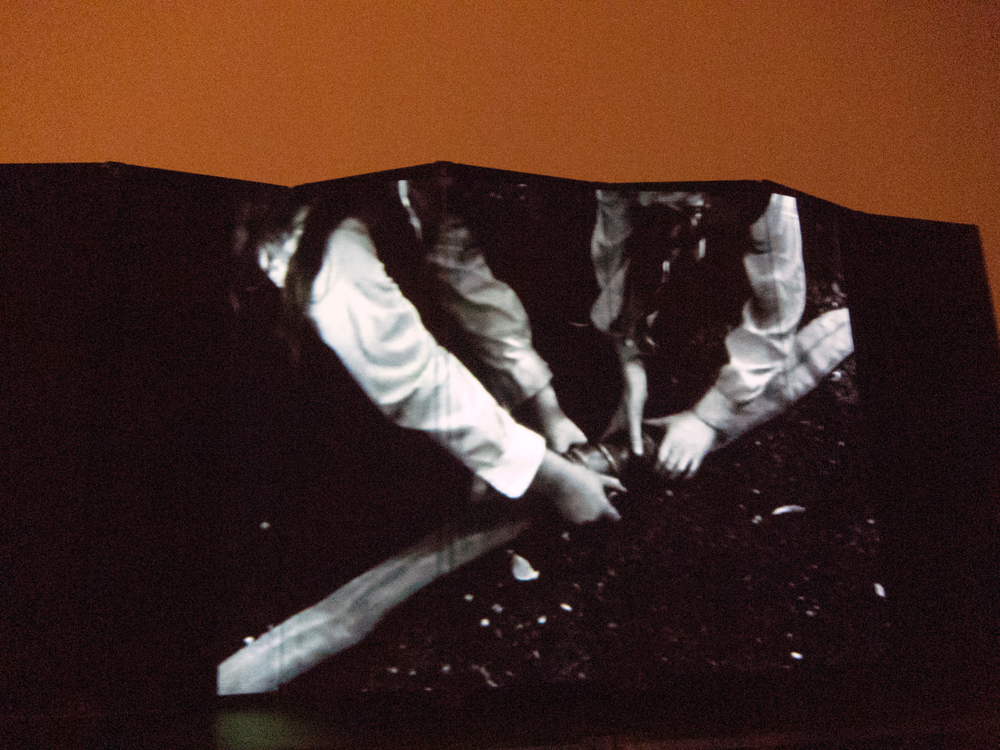
A stroboscopic and intense sensory overload of flashing abstract forms, cut to ribbons by modified projectors.
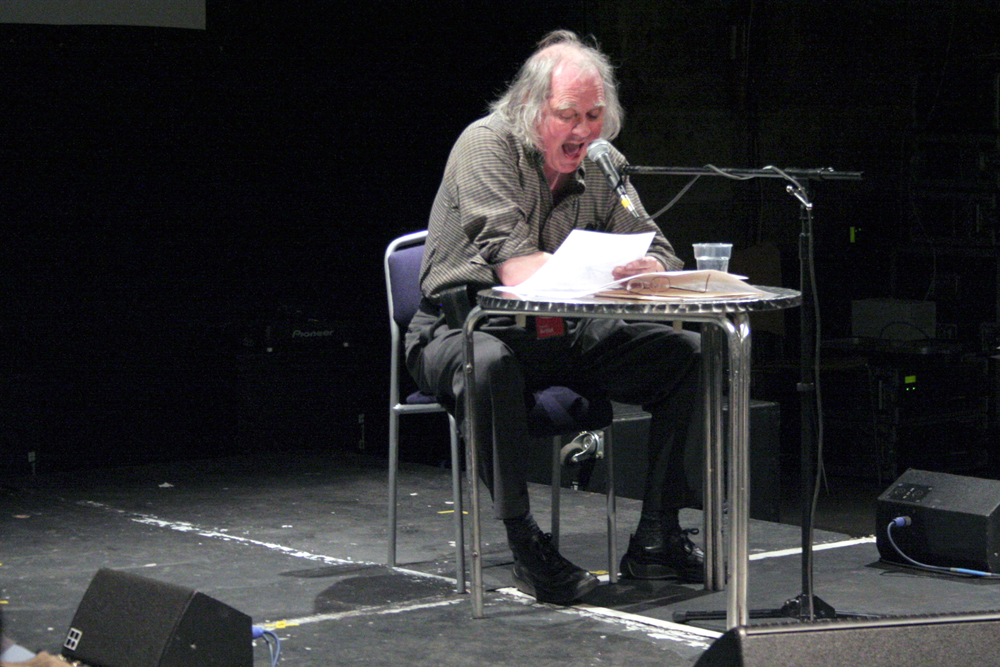
Leading language/ action/ sound poet performed his groundbreaking concrete poem, a dizzying mandala of text, symbols and rubber stamps; a kind of book as reading machine.
A bodiless treatise on narration, bored speakers, audience misbehaviour and police megaphones, but: is anybody listening?
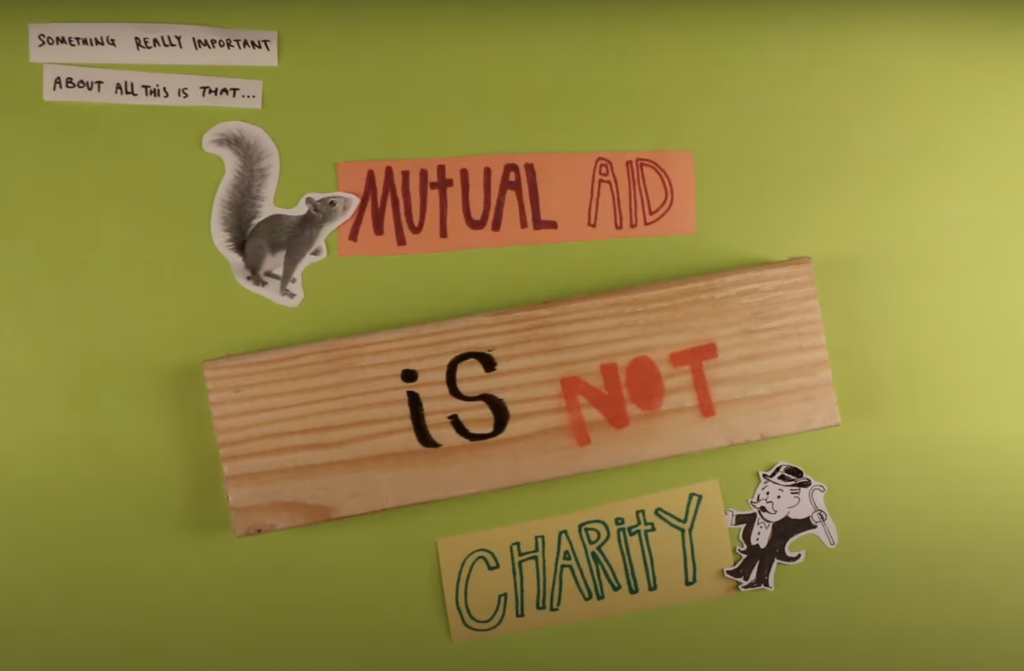
How do we make the connections between the mutual aid practices of our daily lives and anti-capitalist efforts to dismantle wider systems of exploitation?
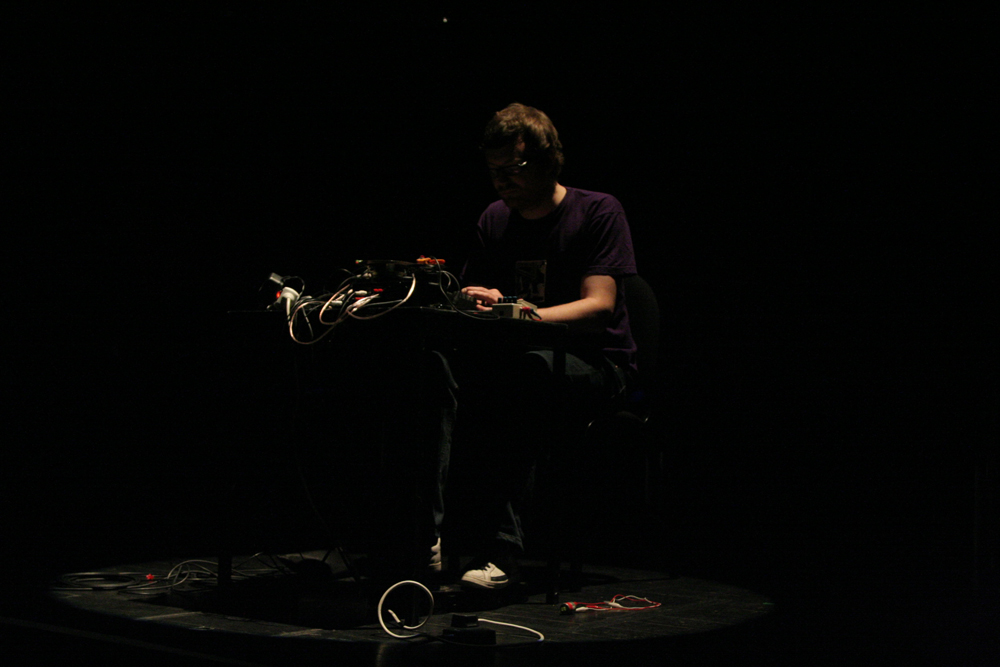
Solo by Jean-Philippe Gross, a French electro-acoustic improviser, working with mixing board, cheap mics, small speakers and an analog synth, built around a honed interest in feedback.
Three panels offering opportunities to discuss how to build stronger alliances between the sex workers’ rights, migrants rights and reproductive justice movements and how to face, together, an increasingly punitive and reactionary system.
If life is assaulted by power, where do we find spaces for living? A conversation with Peter Pál Pelbart.