Shuji Inaba
Shuji Inaba
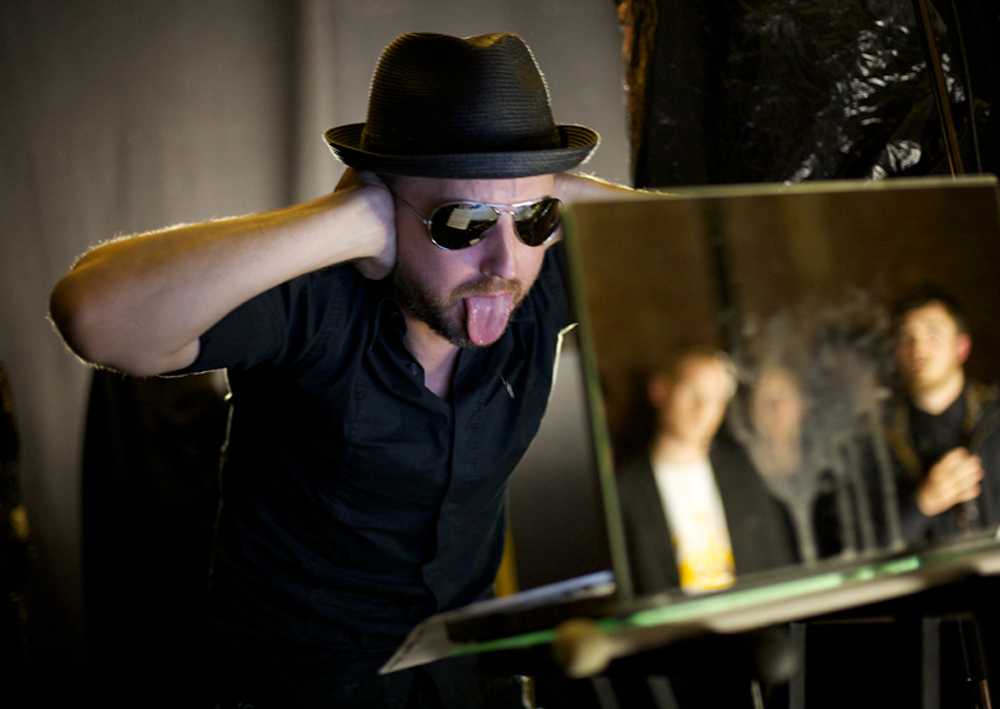
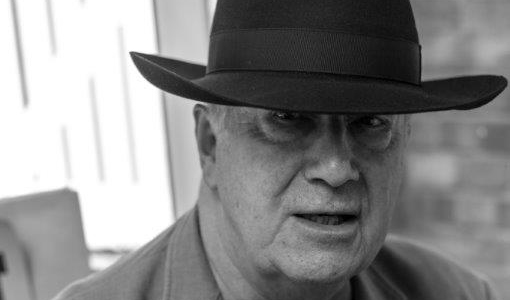
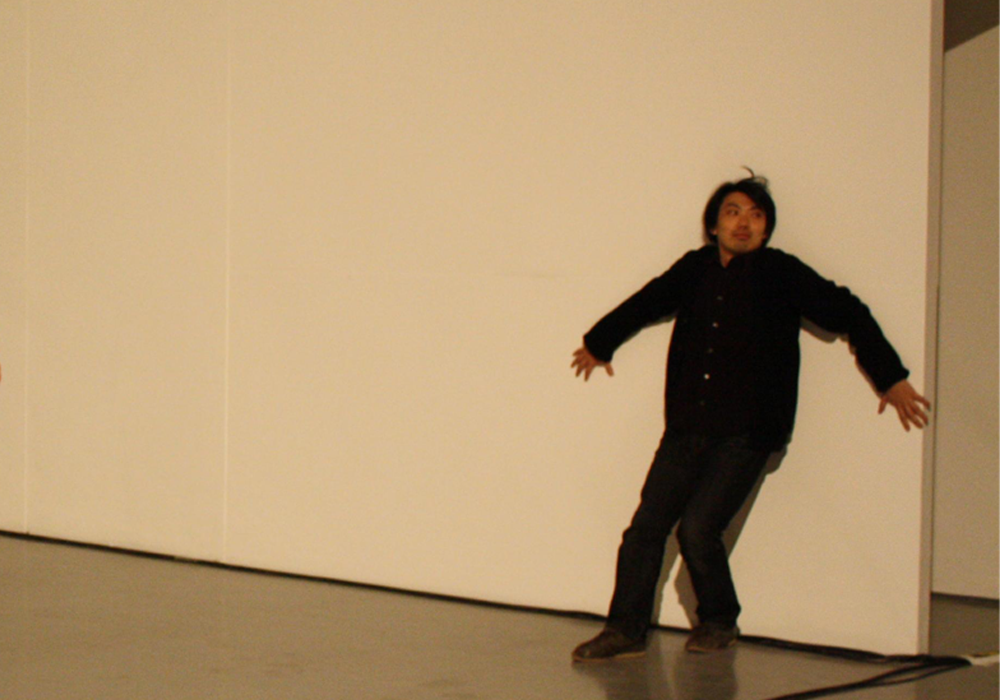
A confrontational and somehow shamanic stance; introspective silences shattered by savage jabs at the strings, whirlwind strums dying into spartan chords
Arika have been creating events since 2001. The Archive is space to share the documentation of our work, over 600 events from the past 20 years. Browse the archive by event, artists and collections, explore using theme pairs, or use the index for a comprehensive overview.
A confrontational and somehow shamanic stance; introspective silences shattered by savage jabs at the strings, whirlwind strums dying into spartan chords
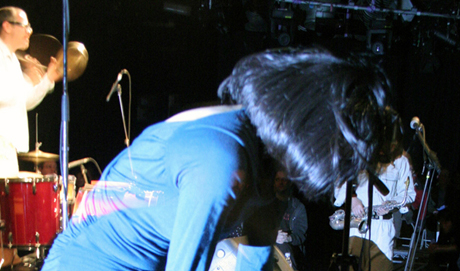
A trio of Tamio’s screaming and immovable slabs of sound; Mico’s dance/ performance/ piano; Fritz’s absurd, flailing percussion/ voice.
Giants of the Japanese avant-rock scene Ruins are a hardcore prog rock bass + drums duo led by drummer extraordinaire Tatsuya Yoshida and joined in Dundee by Sasaki Hisashi.
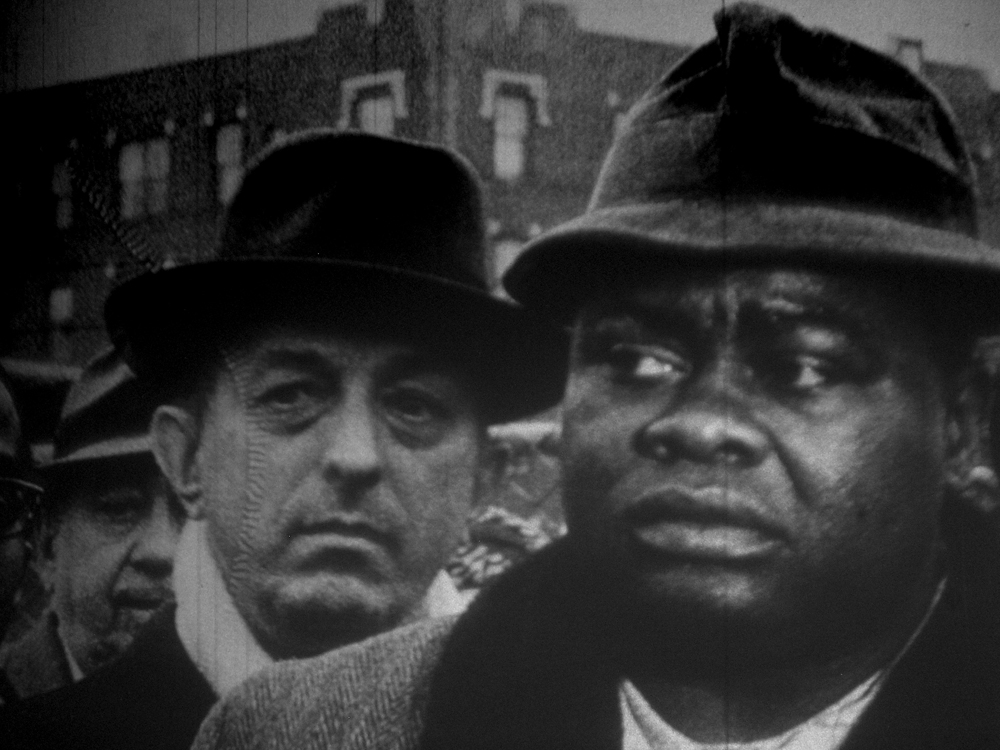
Argument is a provocative, multi-layered film essay, a trenchant analysis of the media and remains a critically relevant and critically inflammatory tract.
Four intimate 45 minute sessions, readings of your political questions – using Tarot, Palmistry, Reiki, Astrology, and Philosophy, and the invented methods of Fake and Political Therapy.
In this workshop we will imagine ourselves as time travellers from a glorious and chaotic neurodivergent-led future.
Nat Raha and Mijke van der Drift undertake two intensive writing residencies at Scottish Sculpture Workshop in Lumsden and Hospitalfield in Arbroath.
The mutability of the body and the mobility of identity: queered pop culture, drag, lip-sync and performance.
For day one of Ultra-red’s project, the investigation will take up protocols for listening to the sound of freedom composed and facilitated by George E. Lewis.
A Feral Choir of people who’ve never improvised with their voices before, conducted by improviser yodeller, composer Phil Minton.
A historical narrative of the black and latino/a transgender, bisexual, lesbian, and gay House and Ballroom Scene in relation to its artistic practices.
Dworkin asks: What would a non-expressive poetry look like? A poetry of intellect rather than emotion?