Is a survey a process of listening?
Barry Esson Jay Sanders
A short chat about what we (Arika) might be trying to do with our program for the Biennial.
Arika have been creating events since 2001. The Archive is space to share the documentation of our work, over 600 events from the past 20 years. Browse the archive by event, artists and collections, explore using theme pairs, or use the index for a comprehensive overview.
A short chat about what we (Arika) might be trying to do with our program for the Biennial.
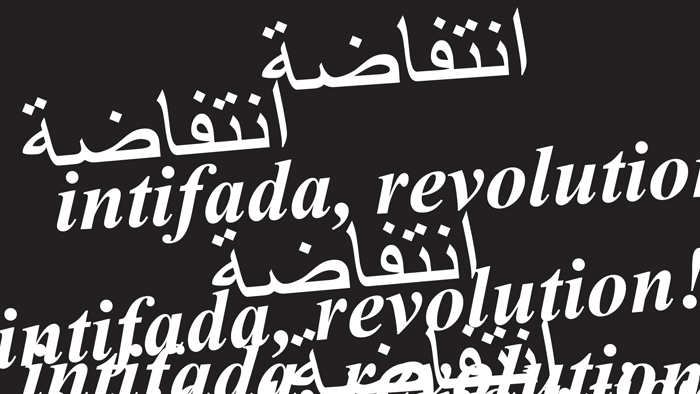
A workshop for educators, activists and young people to think about radical, anti-imperialist pedagogy, and what fighting for the Palestinian cause looks like for young people in the imperial core. PDF of the resource available soon.
Thinking against the monoculturalism of Western thought—of faith, affection, sexuality and gender—which completely lacks any utility to, or descriptive value of Indigenous worldviews.
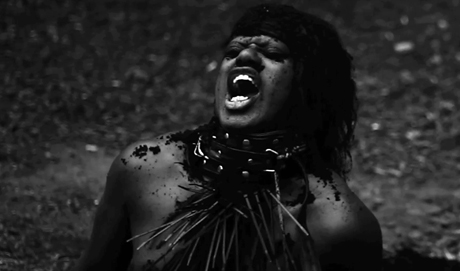
A queer black operatic requiem for piano and voice that asks us to stay in the hold of the slave ship, that tries to understand the connection from the slave ship to the prison.
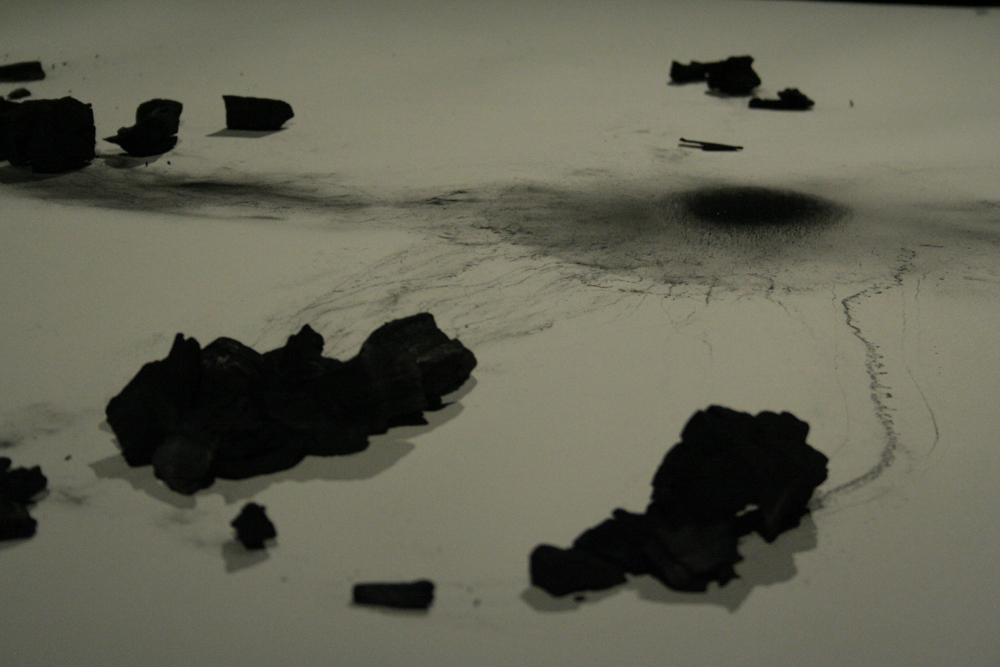
Laser beam sine tones used to draw delicate, abstract patterns by vibrating charcoal, placed atop of a great strip of paper running through the gallery; beautiful, fragile sound-created autonomous drawing.
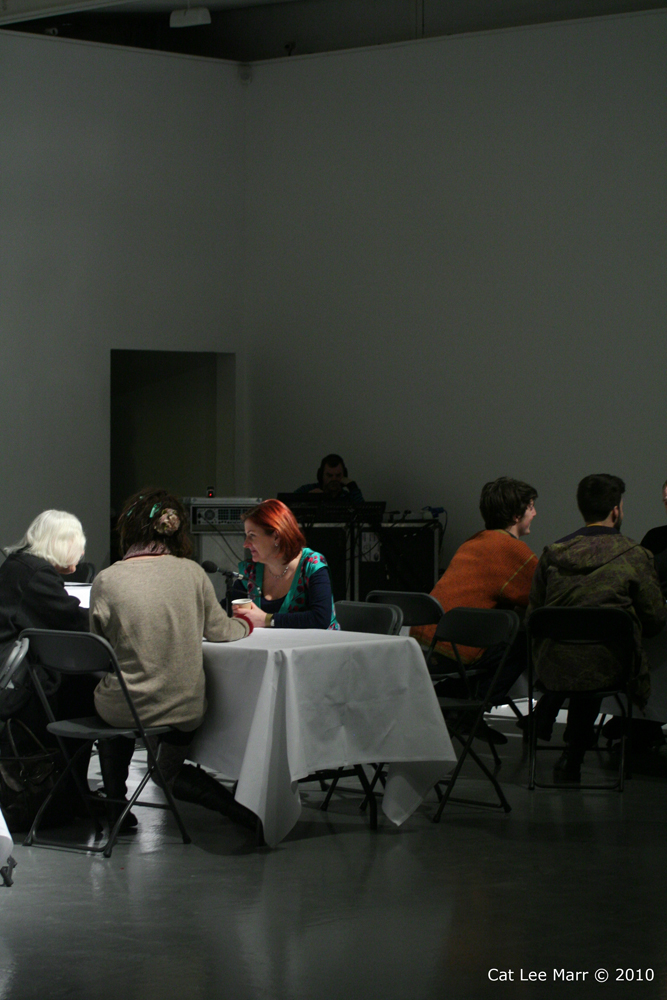
A changing pool of people (40 or so at a time – artists, audiences, etc) talk for 90 minutes in a simultaneous series of open-ended round-table discussions, structured like speed dating, and mixed live as both a concert and for radio broadcast.
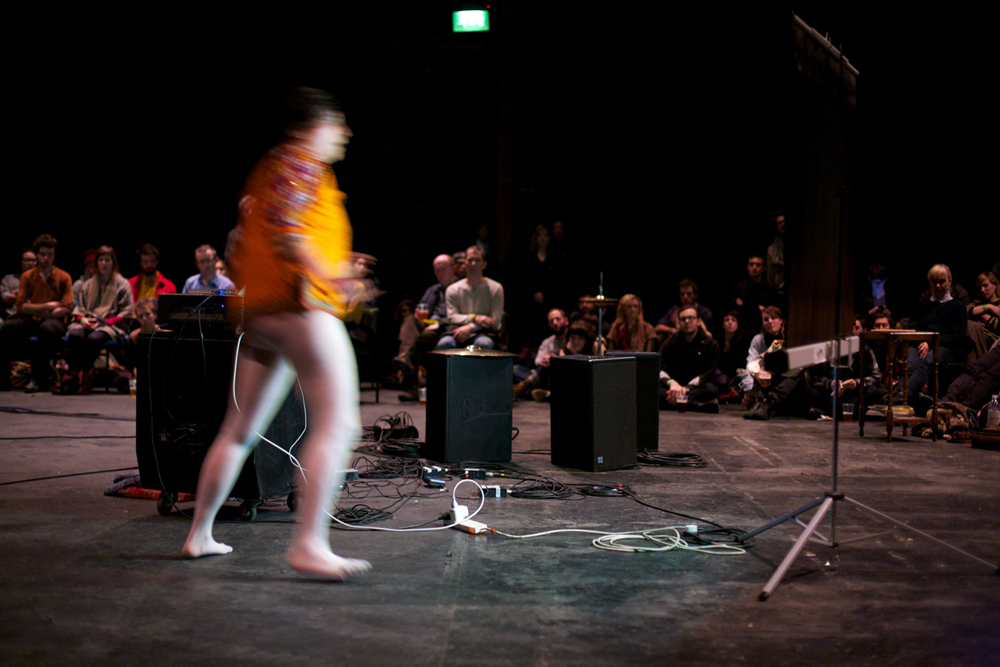
Slapstick comedy, monologue, and a kind of live sculpture transformed through video, props, musical instruments and make-up.
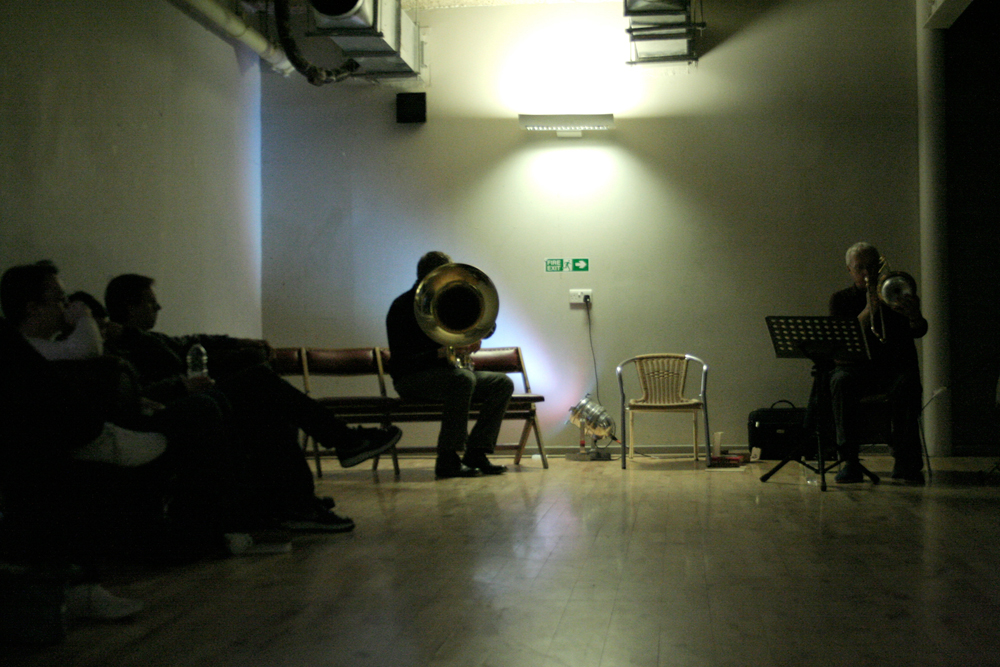
Expansive and considered, inclusive and deeply human minimalism: Antoine Beuger, Radu Malfatti, Manfred Werder.
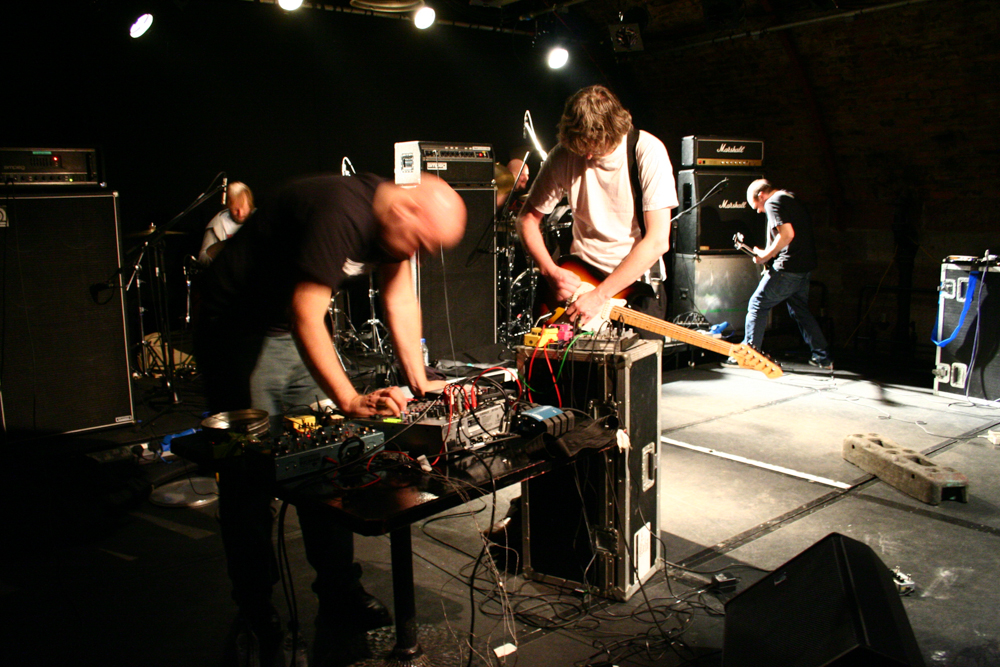
A black hole of dense heaviosity, full of slow motion riffage, tectonic pummel and massive planet destroying rock.
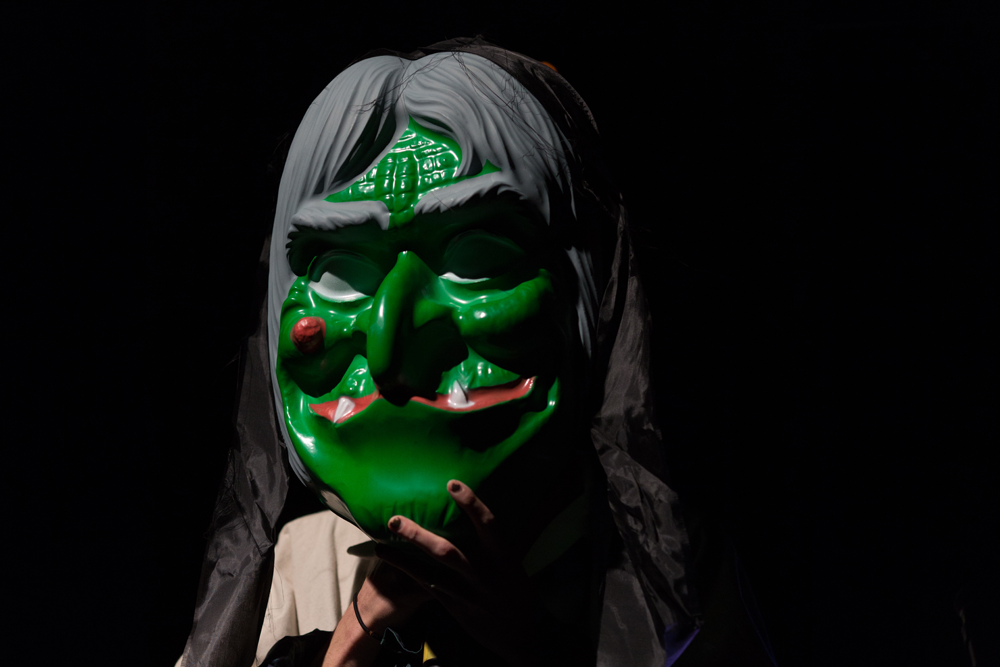
A somehow hyper-modern, ancient and folkloric lip-synced, made-up, fashioned performance.
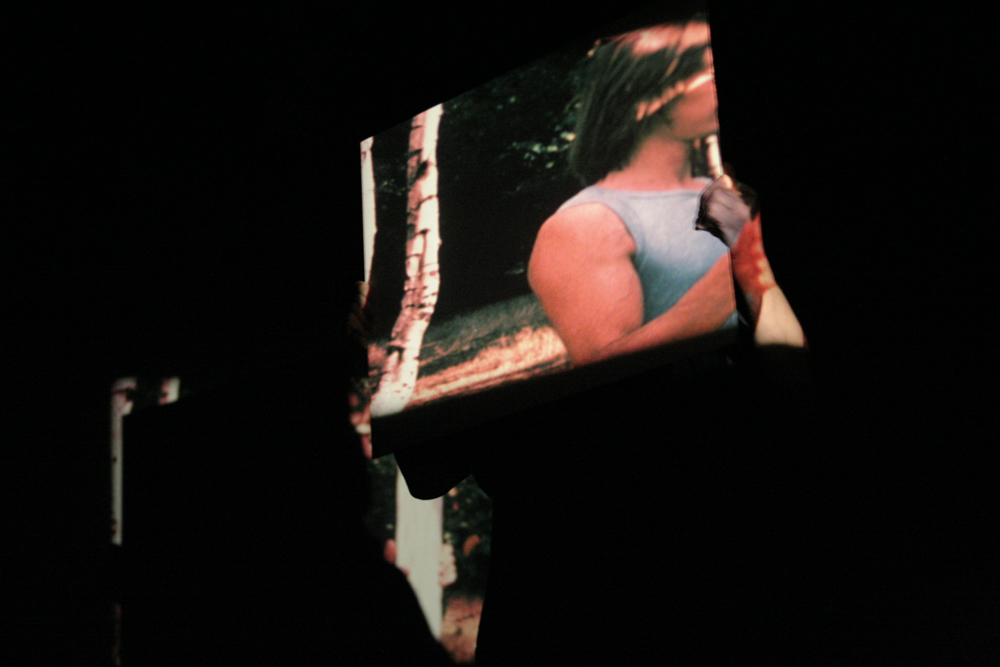
A film performance about Guy then, and Guy now, as a metaphor for the passing of time, which of course all film is inherently about.
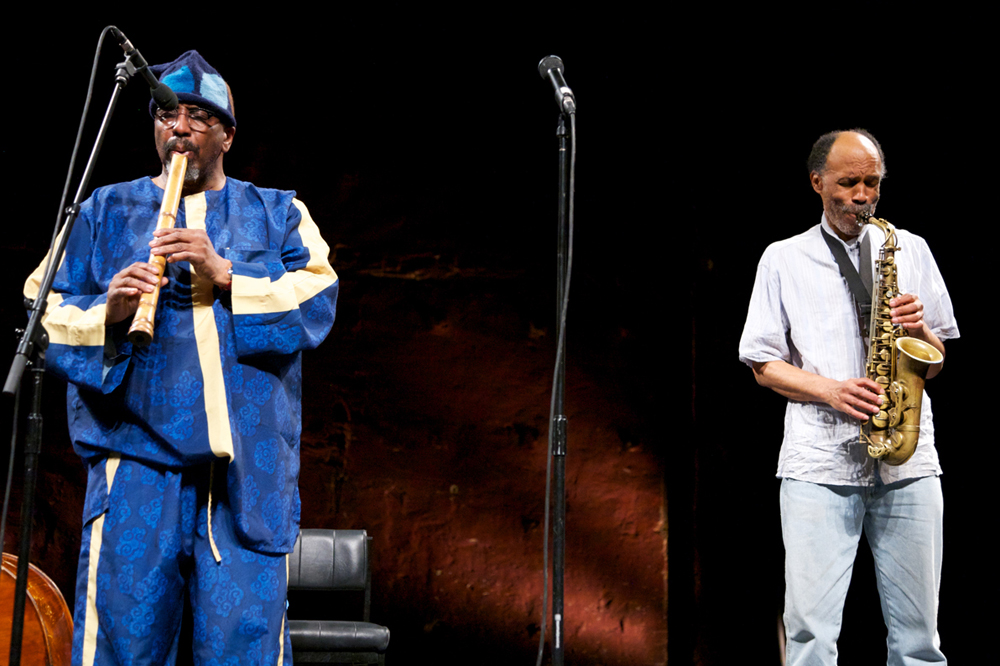
What might Carter and Parker’s collaboration tell us about our own performances of responsibility and liberty, whether individual, social or musical?