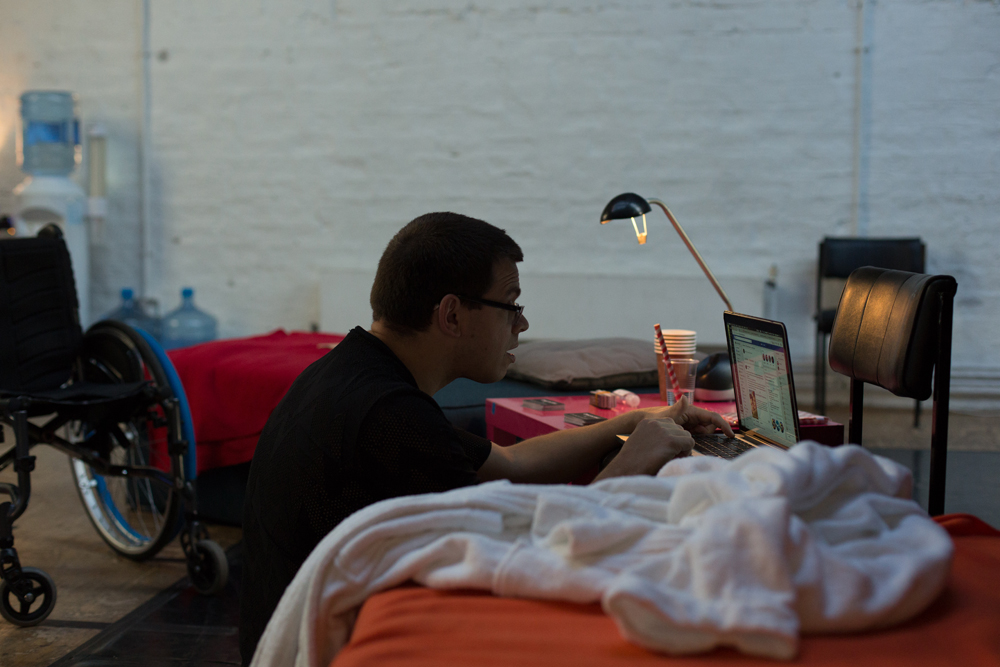
Discourse or Intercourse: One on One
Robert Softley Gale
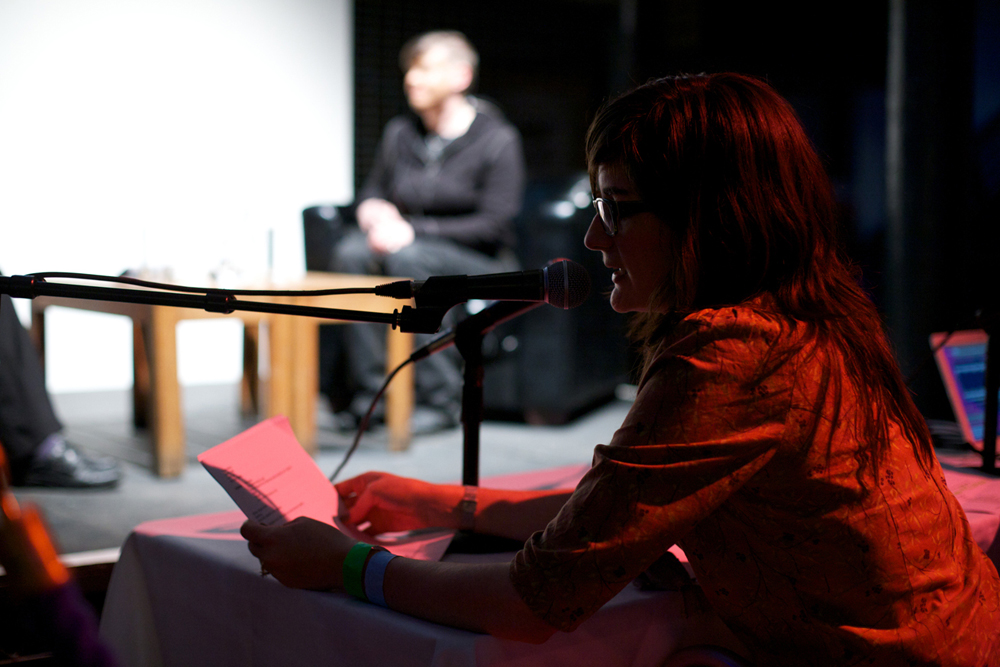
Ten short intimate one-on-one conversations with Robert Softley Gale – We all want to see ourselves reflected in the world around us—in society, in art, in culture… in porn?
Arika have been creating events since 2001. The Archive is space to share the documentation of our work, over 600 events from the past 20 years. Browse the archive by event, artists and collections, explore using theme pairs, or use the index for a comprehensive overview.
Ten short intimate one-on-one conversations with Robert Softley Gale – We all want to see ourselves reflected in the world around us—in society, in art, in culture… in porn?
A talk entitled ‘The Conquest of the Universe’: which delves into the connections between the underground filmmakers and musicians in New York in the early 1960s
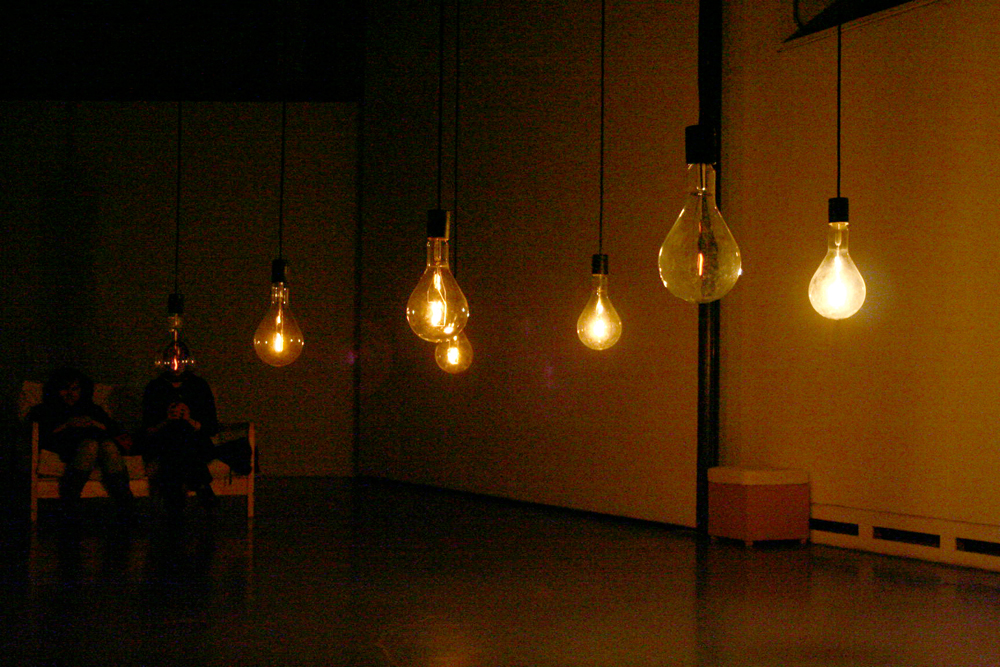
Audio signals pass through light bulbs, causing the filaments of the bulbs to sing and crackle in a chorus of electronic static.
A rare live performance which, although not a full installation, made use of the unique acoustic and spatial properties of the Arches to rattle the audience and help it locate its third ear.
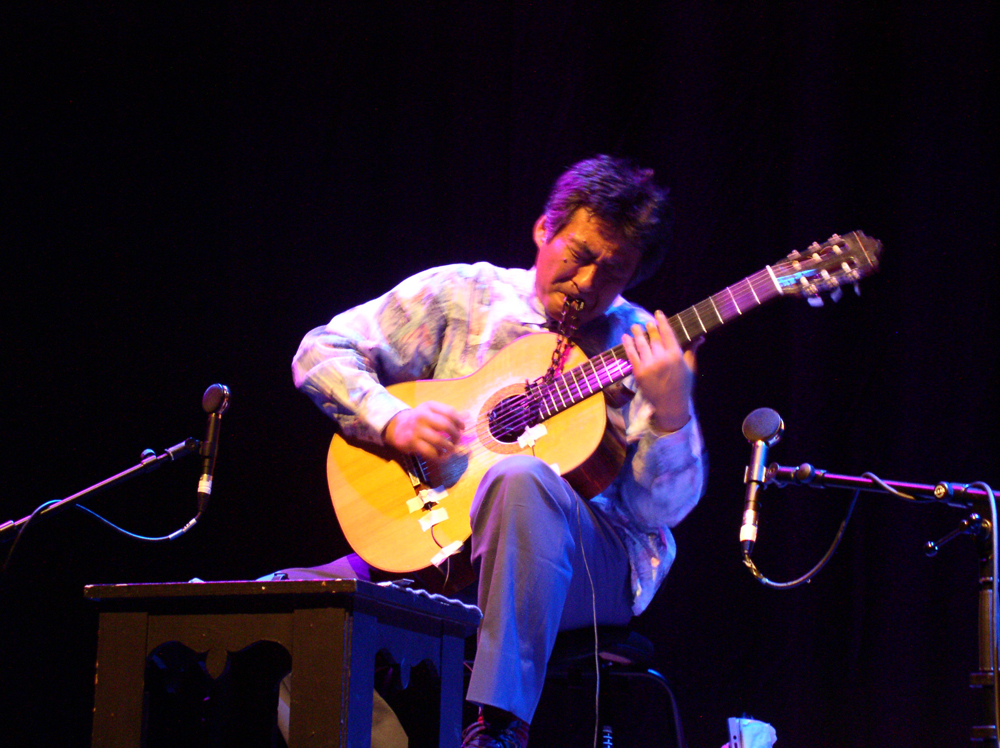
One of the most arresting and unique improvisers in Japan, creating an original and powerful body of free music.
A series of reality dramas happening over the course of the weekend.
Low-end drone guitarage army since 1997: nobody has done more on this occasion by a gaggle of sludge-lovers from the Scottish underground.
What would have happened in 1963 if someone from the voguing ball scene going on in Harlem had travelled downtown to perform alongside the early postmoderns at Judson Church?
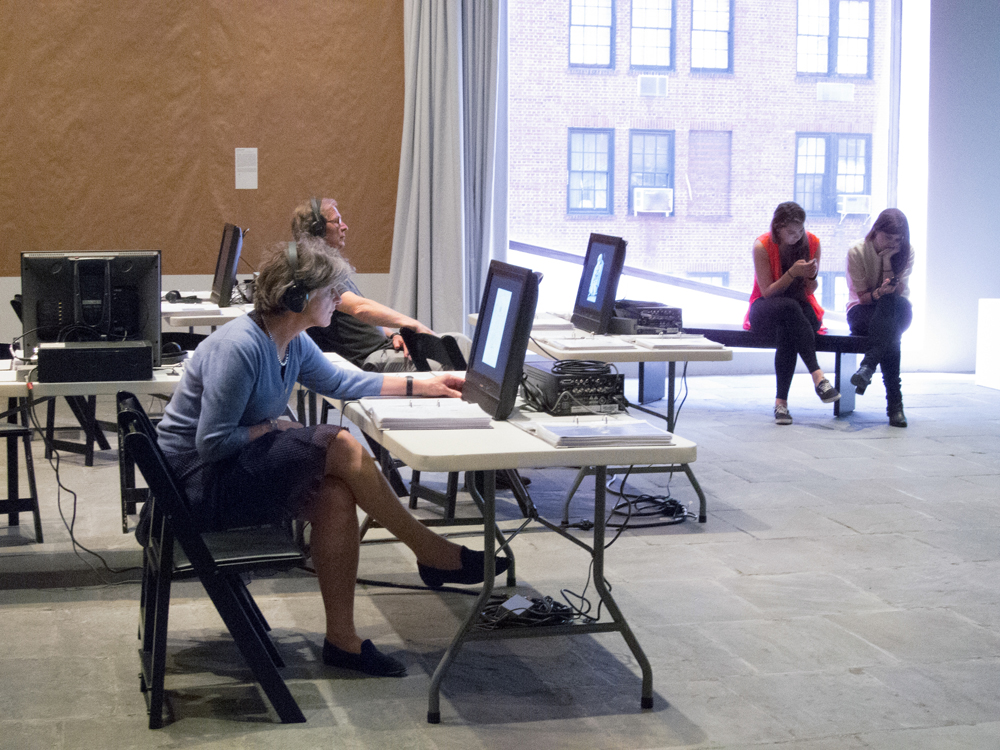
A temporary archive and research space tracing the ways in which sound and audition move through everyday life.
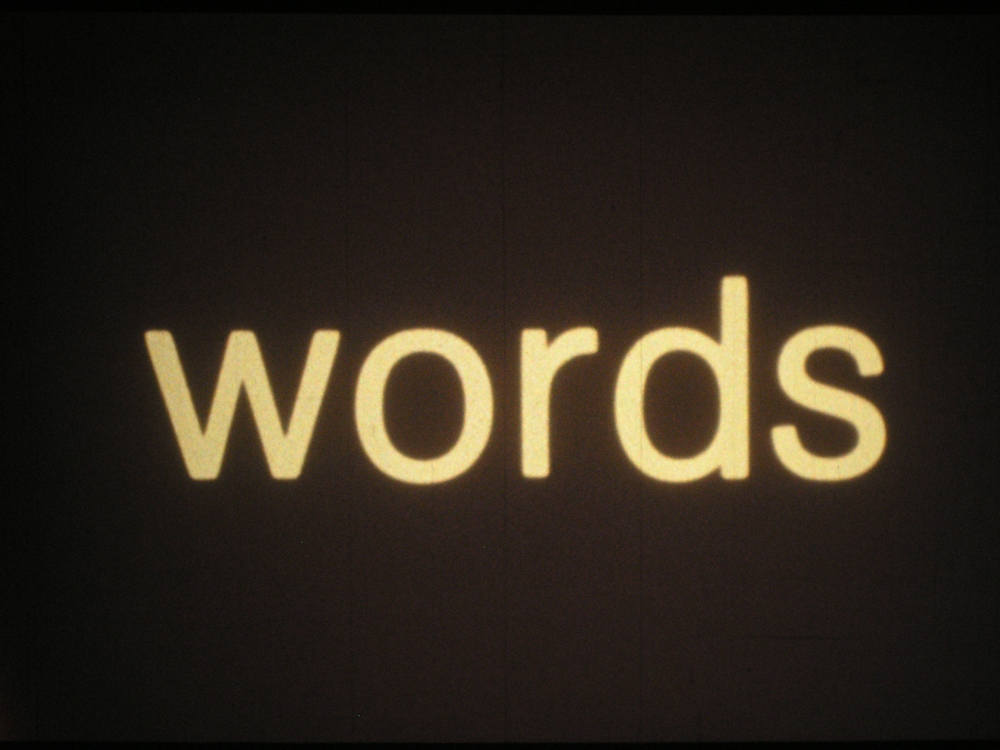
Investigate film as language, via the language of film reduced to the basic units of film and language. A film as text in which each frame is a single word.
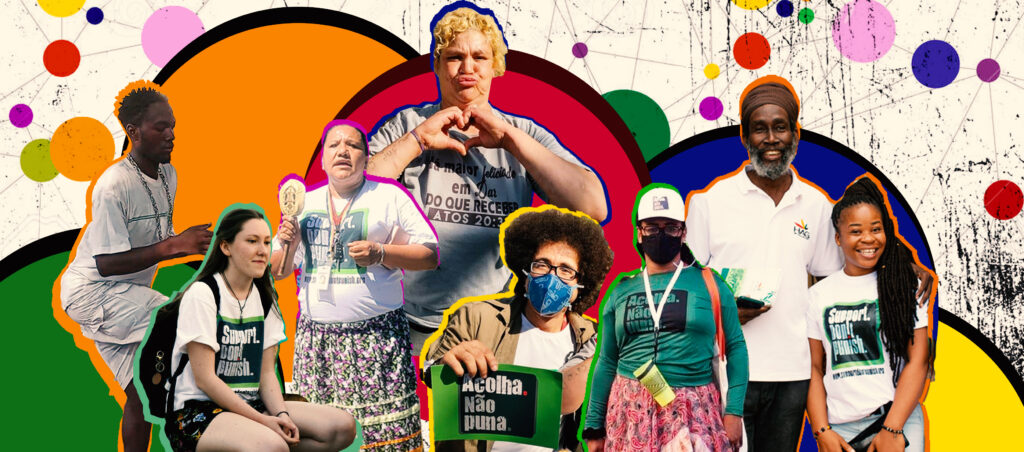
4 days of workshops, discussions and artists presentations exploring the radical act of caring for each other while working to change the world.
Rather than asking the state for services, what kinds of change are made possible when we prioritise people supporting each other?