William Parker
William Parker
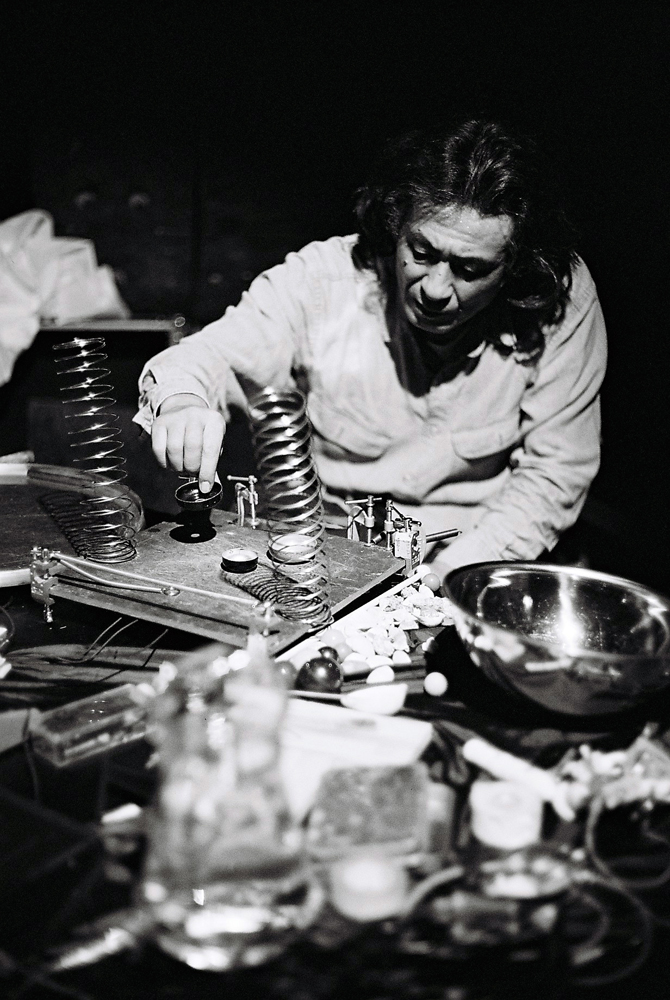
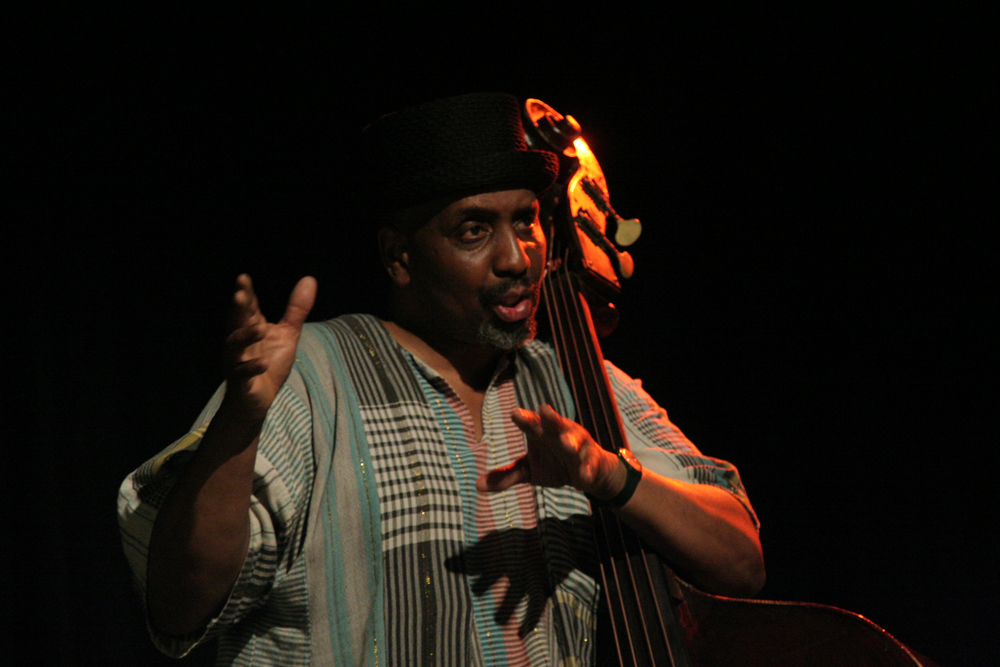
William cradles, hammers, and rains down blows, plucking and using 2 bows to attack the strings above and below the bridge, all in the service of a fiery and passionate creativity.
Arika have been creating events since 2001. The Archive is space to share the documentation of our work, over 600 events from the past 20 years. Browse the archive by event, artists and collections, explore using theme pairs, or use the index for a comprehensive overview.
William cradles, hammers, and rains down blows, plucking and using 2 bows to attack the strings above and below the bridge, all in the service of a fiery and passionate creativity.
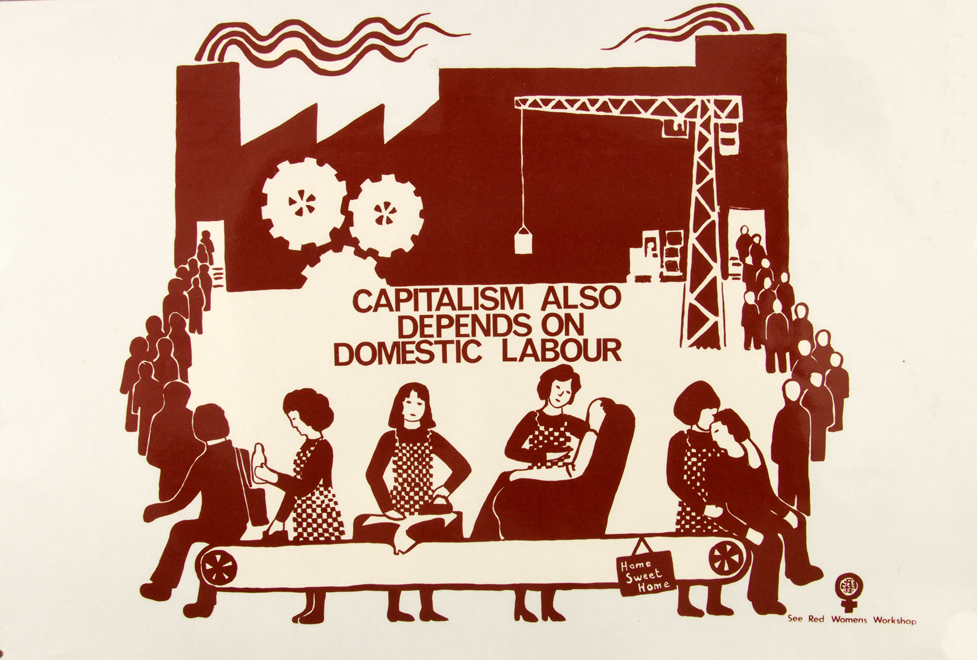
This session focuses in on the defiant mutual aid practices of early and DIY feminist movements in the UK, that attempted to shift and radicalise care and kinship away from the domain of the nuclear family.
Durational group-mind drone and clatter: bamboo, electronics, the contents of your local ironmongers bin. A 3-hour set from this legendary Japanese improvisation group.
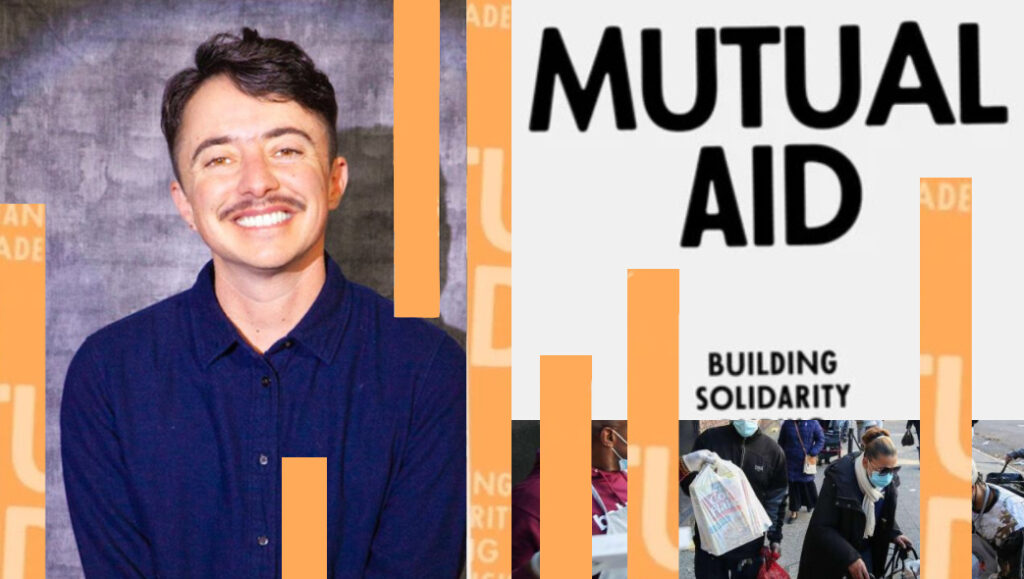
In this interactive workshop, Dean Spade, author of Mutual Aid, will share key principles, explore common challenges in mutual aid work, and offer tools for working through them.
How can we imagine bodies not as an end in themselves, but as a medium through which we can become one another’s means?
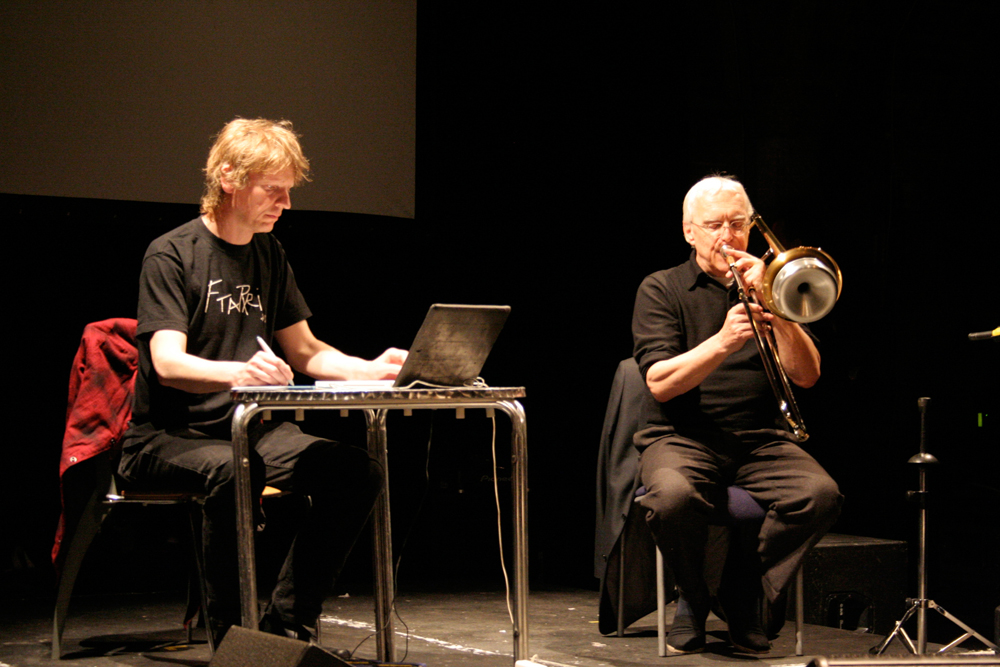
Radu plays a trombone, Klaus creates pure sine waves: they sound on their own, or sometimes together and often with considerable space and silence.
There are core ways in which our listening to the radio differs from other kinds of listening. What happens when we pay attention to how we pay attention?
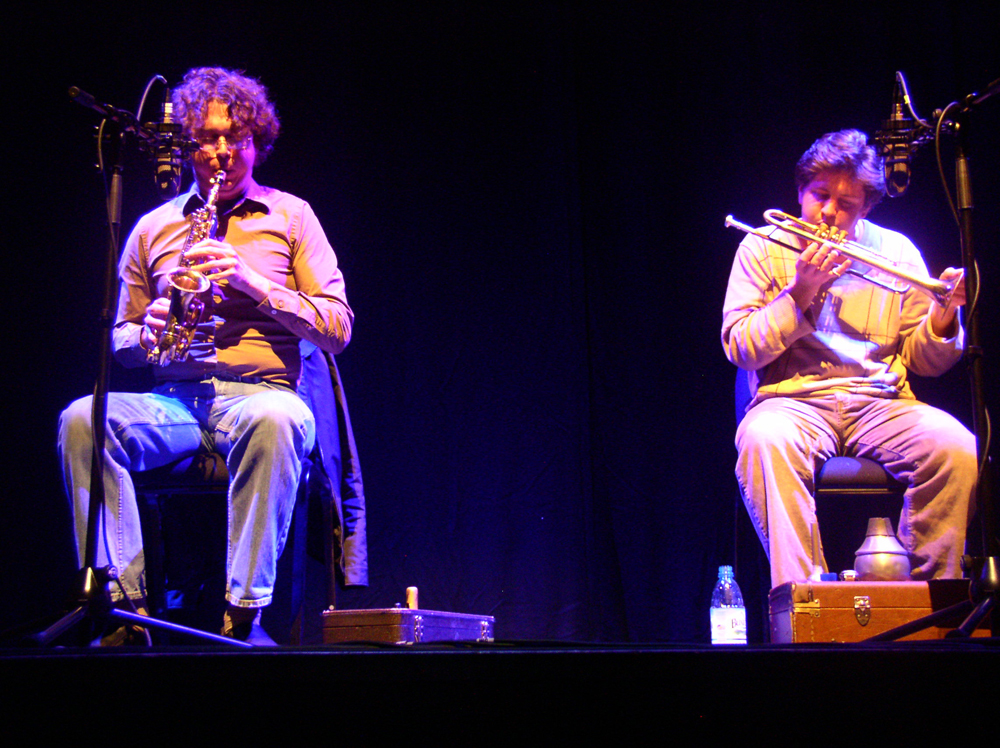
Boston duo of saxophonist Bhob Rainey and trumpeter Greg Kelley approach their improvisations with a slew if extended techniques and pregnant silences.
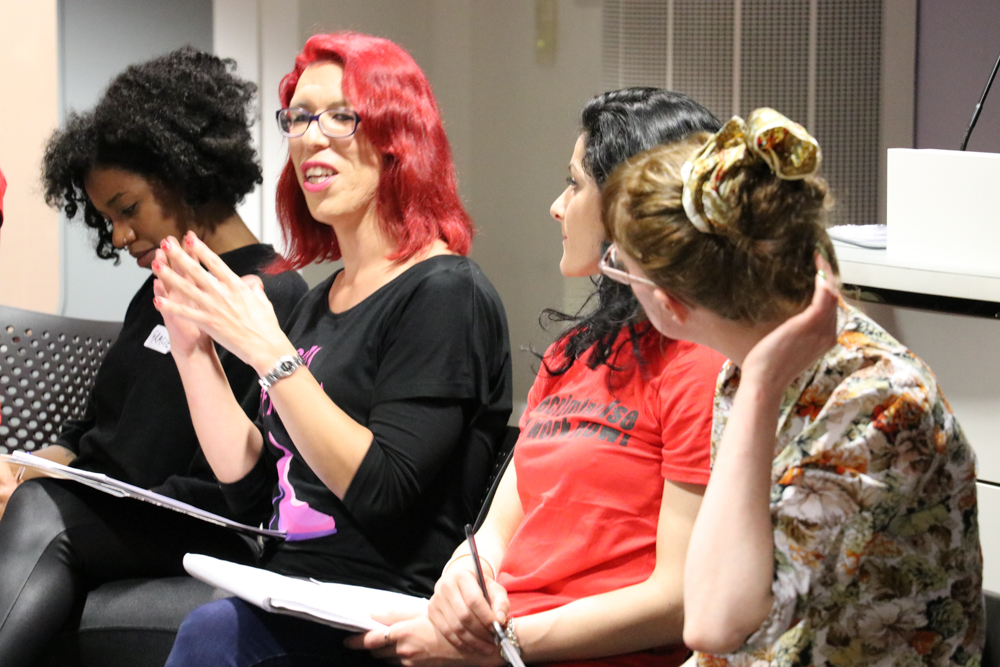
Three panels offering opportunities to discuss how to build stronger alliances between the sex workers’ rights, migrants rights and reproductive justice movements and how to face, together, an increasingly punitive and reactionary system.
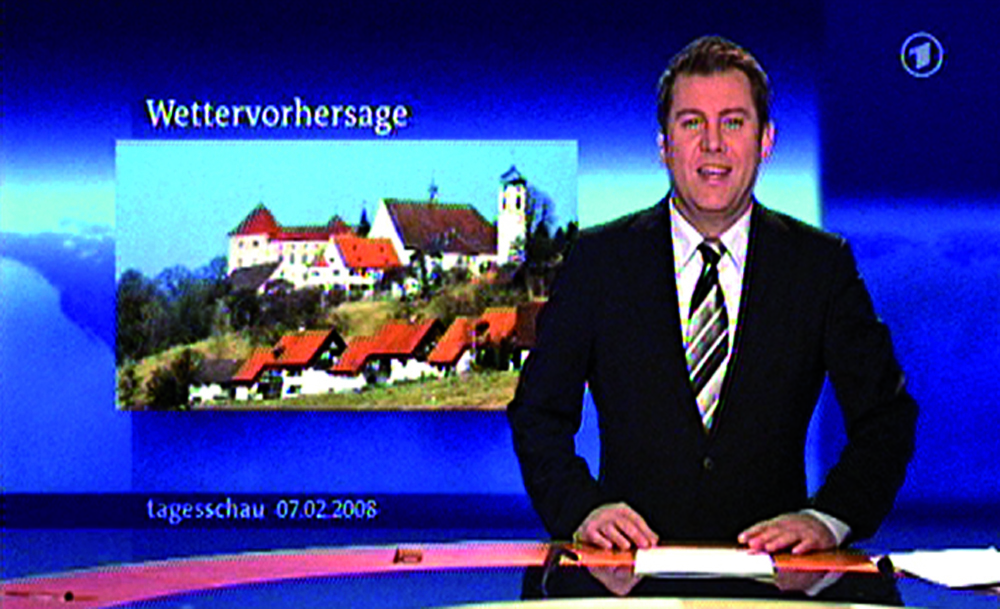
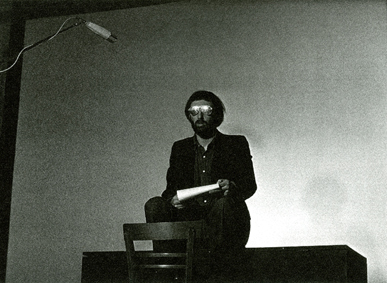
Recently rediscovered but still very pertinent, Kino Beleške presents a series of speech acts and performative gestures by protagonists of the new artistic practice in former Yugoslavia: each a personal take on the role of art in society.
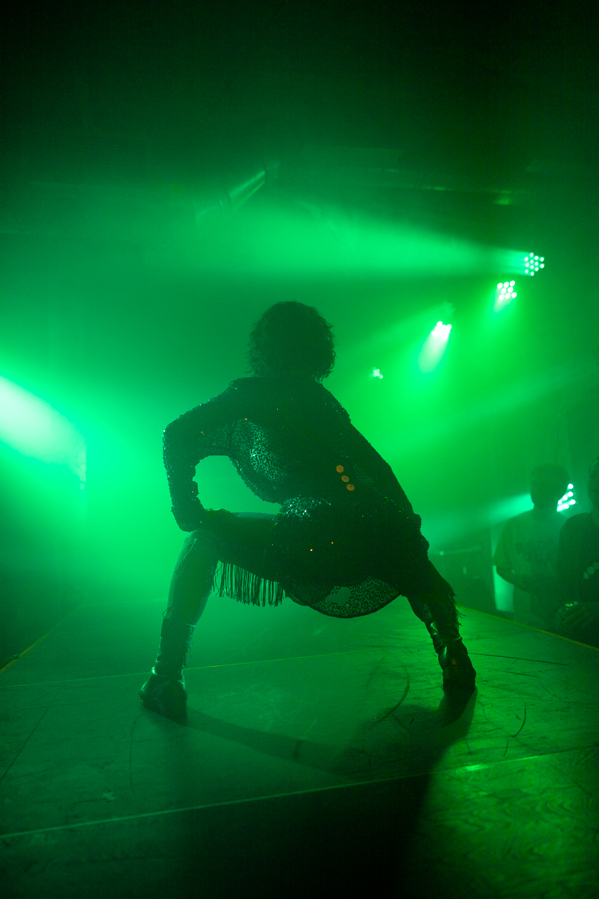
Is it possible to dance our way out of the hardened stances and identity prisons we are locked in?