N30: Live at the WTO
Christopher DeLaurenti
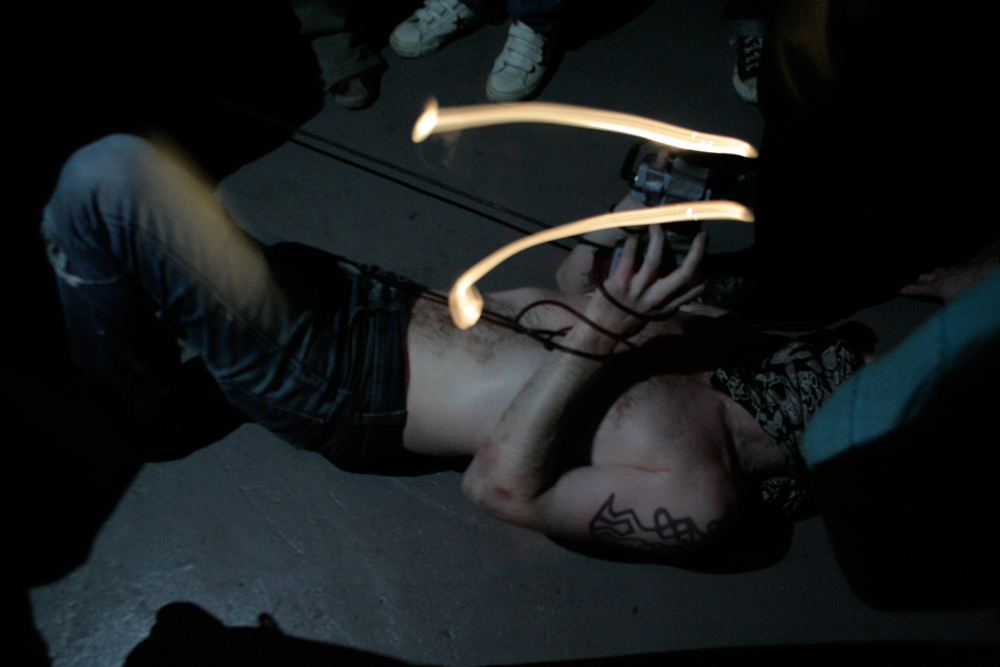
N30 is a massive, dynamic, immersive multi-channel presentation of front-line field recordings from the protest against the WTO in Seattle
Arika have been creating events since 2001. The Archive is space to share the documentation of our work, over 600 events from the past 20 years. Browse the archive by event, artists and collections, explore using theme pairs, or use the index for a comprehensive overview.
N30 is a massive, dynamic, immersive multi-channel presentation of front-line field recordings from the protest against the WTO in Seattle
2 days of online discussions and artists presentations exploring the cosmological, decolonial, sensorial practises of Black and Indigenous grass roots art, dance and music collectives in Brazil.
Dois dias de discussões e apresentações online de artistes explorando as práticas cosmológicas, decoloniais e sensoriais de coletivoas de arte, dança e música de base negra e indígena no Brasil.
Bleu Shut reveals, and allows us to enjoy, our gullibility within the pervasive absurdity of modern life.
Writing that shows us that, even in struggle, there is light to be let in.
Los Glissandinos work with clarinet and sine tones beating and thrumming in your middle ear, all beautifully paced and serene, but with just enough steely menace broiling under the surface to keep you on edge.
Greek TV company Onos Productions came to INSTAL 09 to document the festival and report on Nikos Veliotis’ Cello Powder performance.
Boston duo of saxophonist Bhob Rainey and trumpeter Greg Kelley approach their improvisations with a slew if extended techniques and pregnant silences.
Trans-temporal drag, sexuality and the re-staging of illegible moments in history.
Killer of Sheep is an undisputed masterpiece of African-American filmmaking and one of the most poetic, perceptive dramas ever made about family and community.
Do art forms like black radical poetry, free jazz and improvisation create a space for the performance of freedom? Did they ever? And can they still do so now?
How do you know what you want? Should freedom be doing what you ought, not doing what you want? How might a philosopher and artist turn this thinking into an enabling condition in the context of noise and improvisation?
How does this practice, that simultaneously resists and honours the distinctions between these genres, materials and senses, determine the inhabitation of another: a convergence of aesthetic and social experimentation?