Community Discussion: LGBTQI People & Sex Worker’s Rights
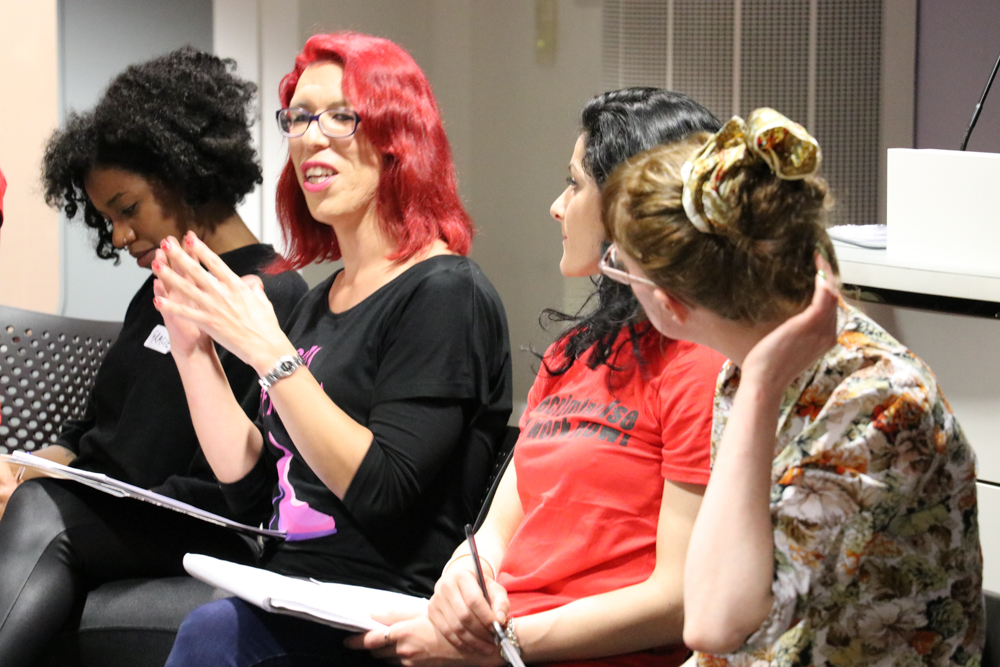
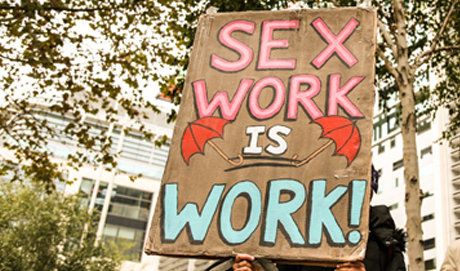
Join Umbrella Lane and special guest migrant trans sex workers in a community discussion about the points of intersection in LGBT people’s rights and sex worker’s rights.
Arika have been creating events since 2001. The Archive is space to share the documentation of our work, over 600 events from the past 20 years. Browse the archive by event, artists and collections, explore using theme pairs, or use the index for a comprehensive overview.
Join Umbrella Lane and special guest migrant trans sex workers in a community discussion about the points of intersection in LGBT people’s rights and sex worker’s rights.
A performance for projectionist, musicians and audience, which plays with references to Oscar Levant and Gershwin: apparently a series of small doses of chaos.
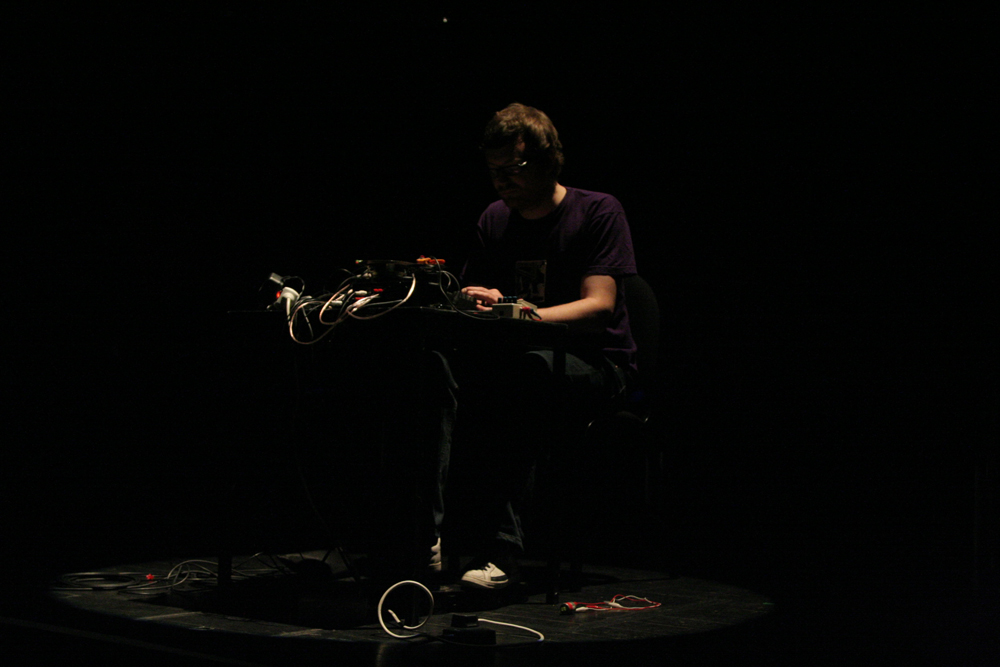
Solo by Jean-Philippe Gross, a French electro-acoustic improviser, working with mixing board, cheap mics, small speakers and an analog synth, built around a honed interest in feedback.
Three panels offering opportunities to discuss how to build stronger alliances between the sex workers’ rights, migrants rights and reproductive justice movements and how to face, together, an increasingly punitive and reactionary system.
Can a musician create a sonic photograph; something with a depth of field, where you can hear sounds and their interconnections, much as you see objects and their relationships in a photo? Could a filmmaker use musical concepts to represent landscape?
A kind of performed installation of searing noise and silence, where we’re not sure who the performer is, when it starts or ends or even who it’s for.
Hartmut is going to talk a little about his work at large and the politics of how his films are constructed. And we’ll screen one of his best films: B-52.
Nothing if not repetitive, film is founded on the incremental succession of minute difference. But how does repetition of the same play out, and is it a tool to comment on the standardising repetition of the mass media?
A confrontational and somehow shamanic stance; introspective silences shattered by savage jabs at the strings, whirlwind strums dying into spartan chords
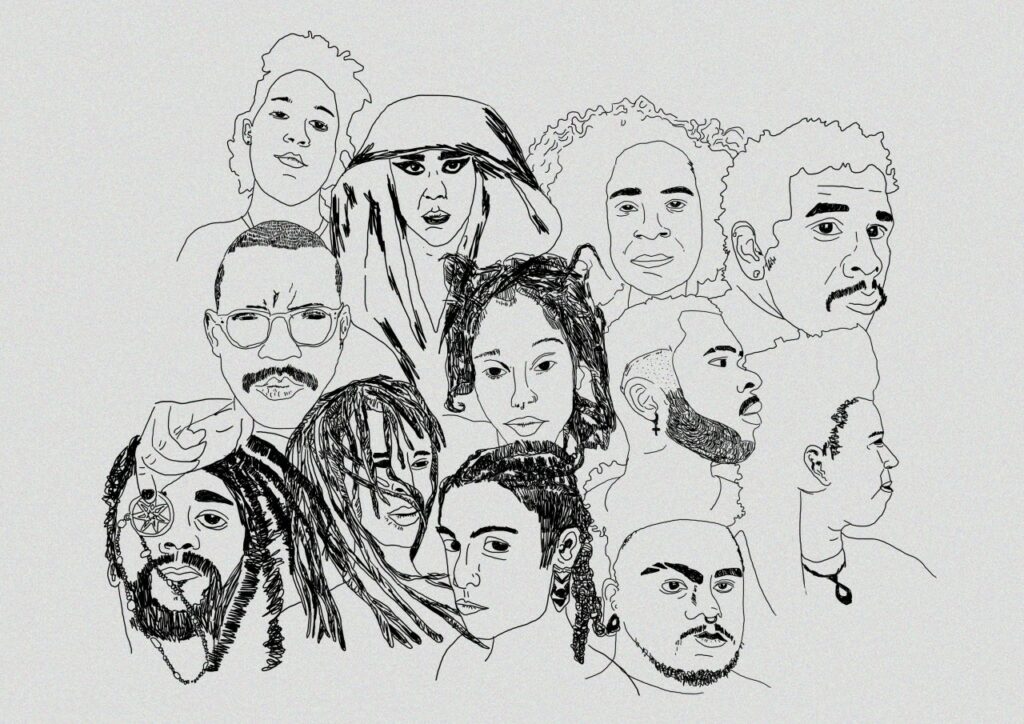
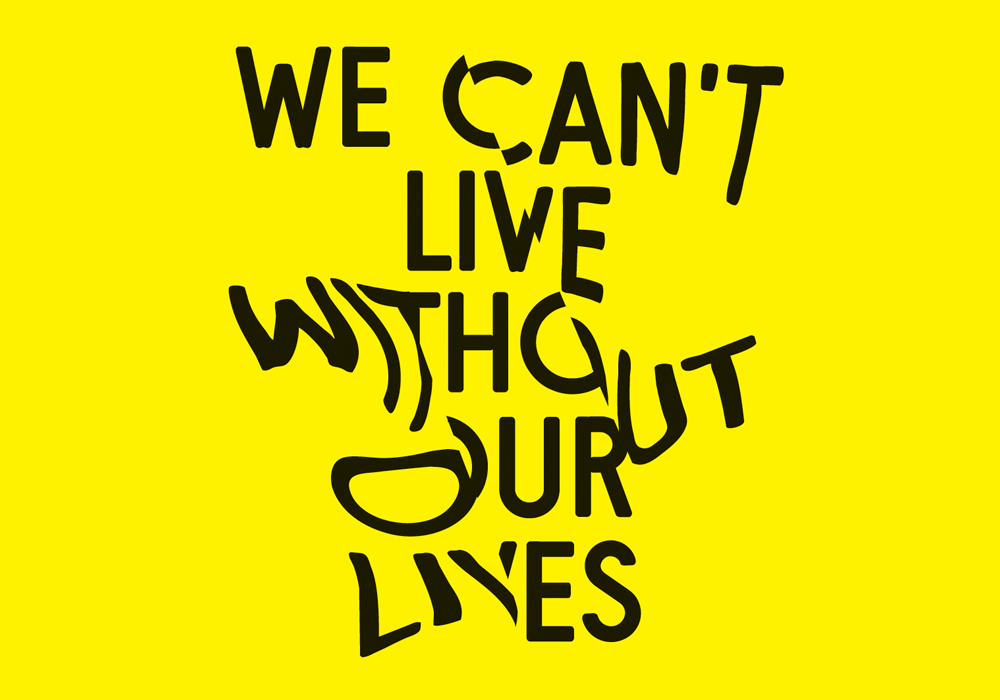
In a moment of social exhaustion, we want to ask how we might care for each other differently. We Can’t Live Without Our Lives is a 5-day exploration of care as a form of struggle and resistance, with communities who embody it.
A kind of audience activating, structured film guessing game in the manipulation of time, sound and image. “At 11:15, weiners. At 21:05, pornography. At 23:30, a duet. Watch the Clock.”