Love Hangover
Hil Malatino Eli Clare Nat Raha
A joyful conversation discussing disability, gender transition and care labour as expressions of virtuosic and innovative skills that make care – good care – possible.
Arika have been creating events since 2001. The Archive is space to share the documentation of our work, over 600 events from the past 20 years. Browse the archive by event, artists and collections, explore using theme pairs, or use the index for a comprehensive overview.
A joyful conversation discussing disability, gender transition and care labour as expressions of virtuosic and innovative skills that make care – good care – possible.
In rethinking the body, the law, the state, gender, race, violence, care and empathy, how we might give humanness a different future?
Four intimate 45 minute sessions, readings of your political questions – using Tarot, Palmistry, Reiki, Astrology, and Philosophy, and the invented methods of Fake and Political Therapy.
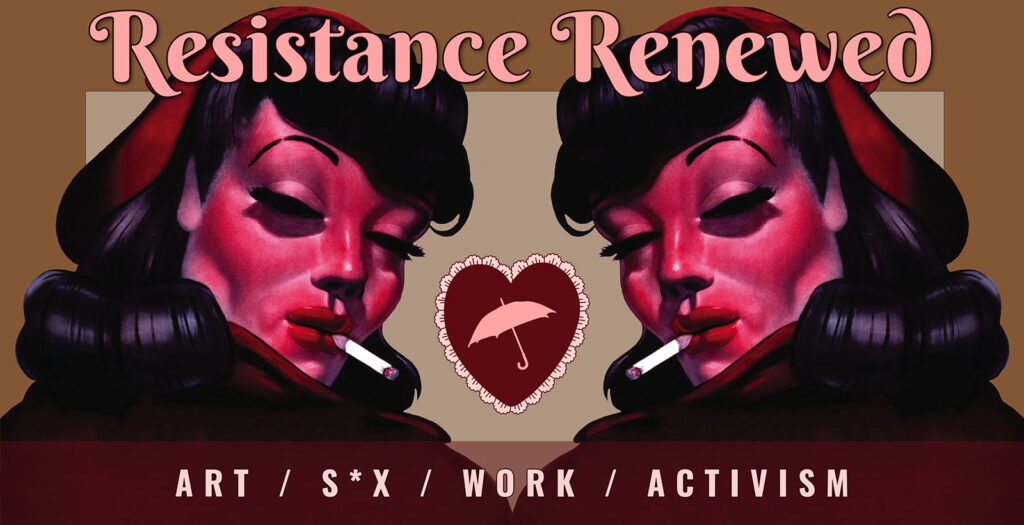
A whistle stop tour of visual and material culture that has anchored the sex workers rights movement through the decades until today.
An audio report for the NATOarts board of directors that seeks to promote global security and stability through the exhibition of works of conceptual art.
What is the radical concept at the core of ‘rhythm’, expanded from simply musical or mathematical notions to encompass personal, social, collective rhythms?
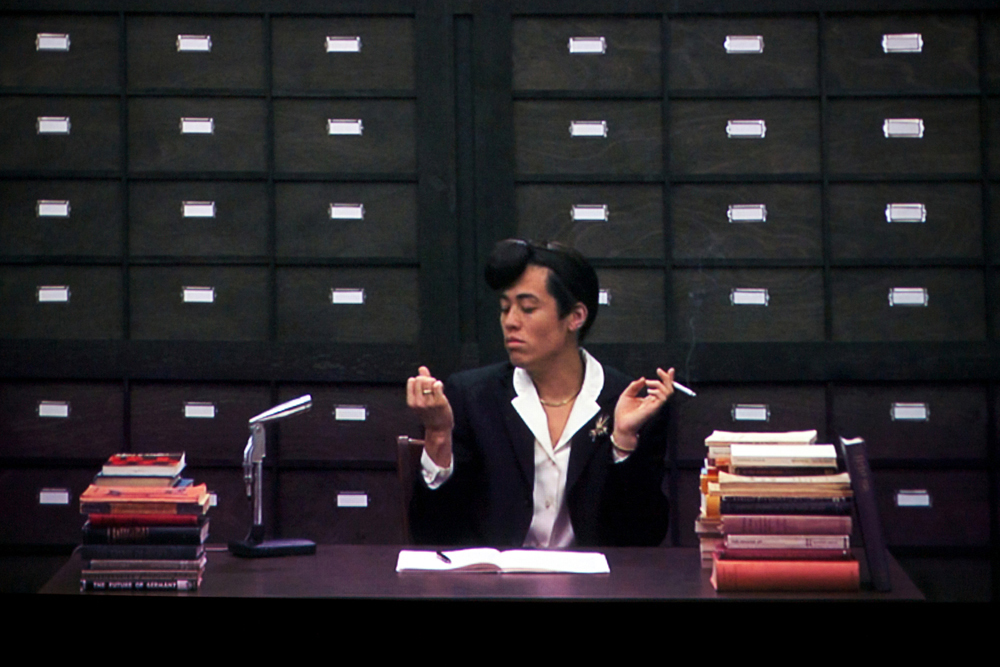
A performed installation by one of Germany’s most interesting visual artists, based on edited transcripts of the 1961 trial of Adolf Eichmann in Jerusalem and the writings of Hannah Arendt
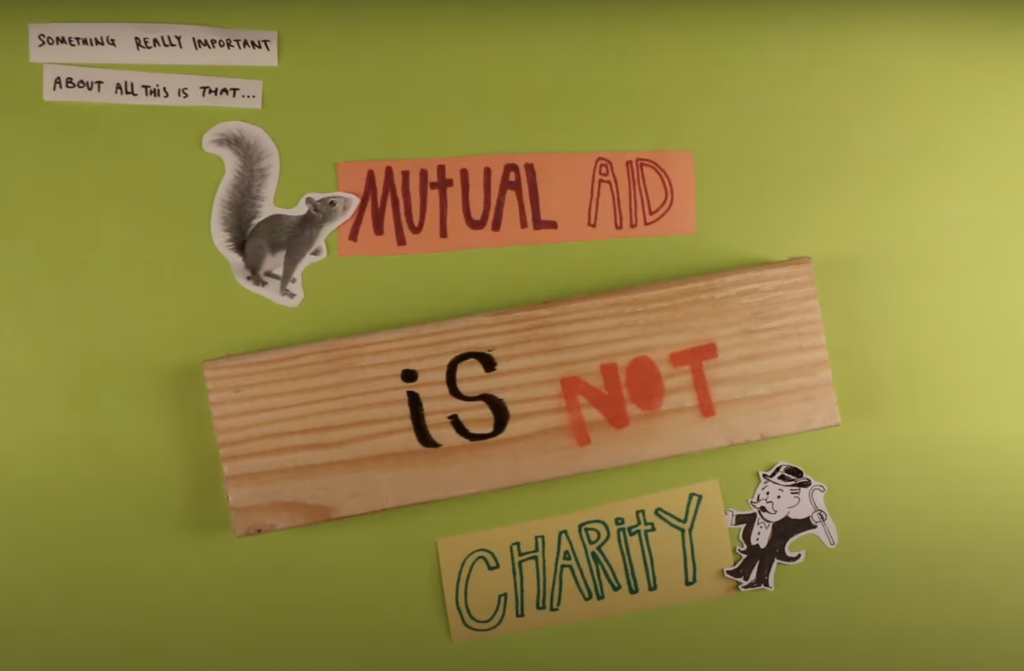
How do we make the connections between the mutual aid practices of our daily lives and anti-capitalist efforts to dismantle wider systems of exploitation?
Arika is working in partnership with Decriminalised Futures on a multi year collaboration featuring multiple creative projects exploring sex worker lives, experiences and movement struggles.
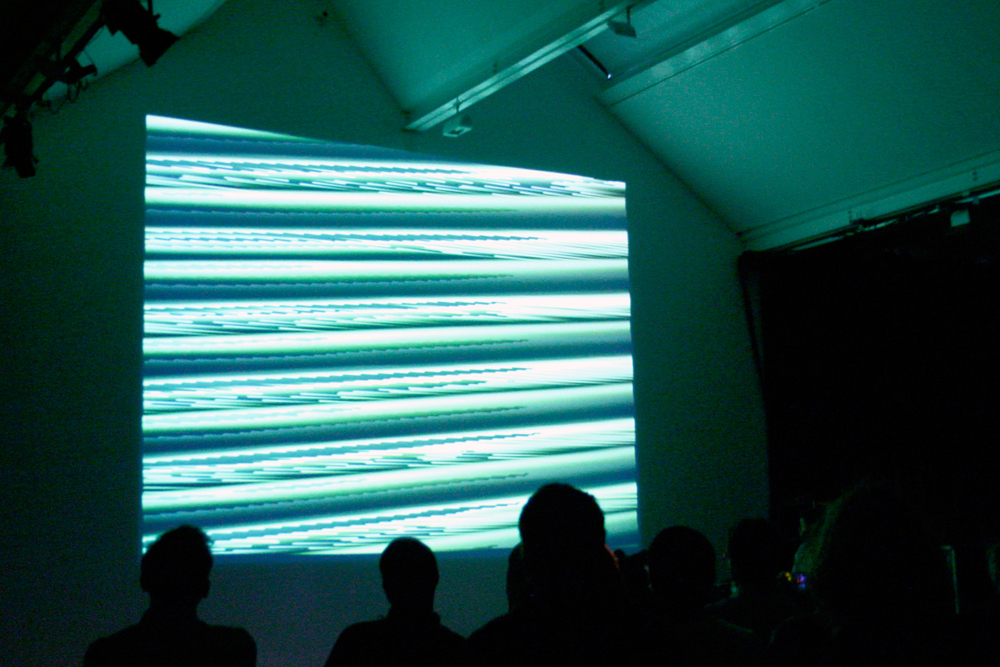
AVVA sees the internal feedback of Toshi’s no-input mixing desk is fed to Billy, and transformed into bright and variegated patters, striations and blooming colour, before being fed back to Toshi and manipulated on route to the PA.
Do art forms like black radical poetry, free jazz and improvisation create a space for the performance of freedom? Did they ever? And can they still do so now?
How does this practice, that simultaneously resists and honours the distinctions between these genres, materials and senses, determine the inhabitation of another: a convergence of aesthetic and social experimentation?