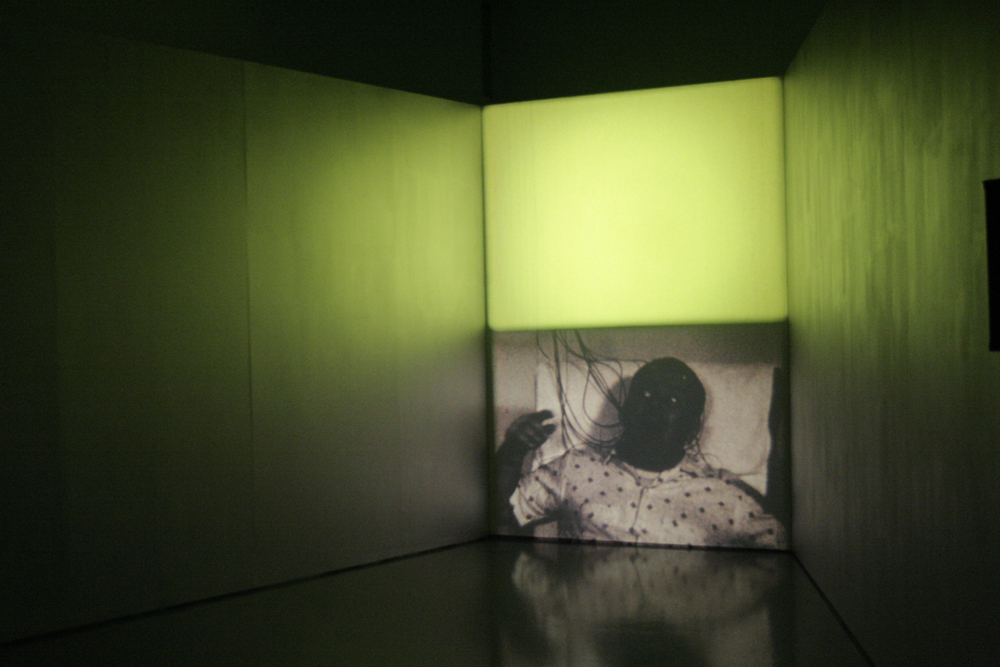
Epileptic Seizure Comparison (1976)
Paul Sharits
Paul Sharits one of the great experimental, sometimes called structuralist / materialist, filmmakers of the 20th Century.
Arika have been creating events since 2001. The Archive is space to share the documentation of our work, over 600 events from the past 20 years. Browse the archive by event, artists and collections, explore using theme pairs, or use the index for a comprehensive overview.
Paul Sharits one of the great experimental, sometimes called structuralist / materialist, filmmakers of the 20th Century.
Rather than asking the state for services, what kinds of change are made possible when we prioritise people supporting each other?
A panel exploring the poetics of abolition. “Poetry is not only dream and vision; it is the skeleton architecture of our lives. It lays the foundations for a future of change.”
The practice of North African Indigenous revolutionary love, in the face of European capitalist violence and settler colonialism, with one of the most vital anti-colonial thinkers in Europe.
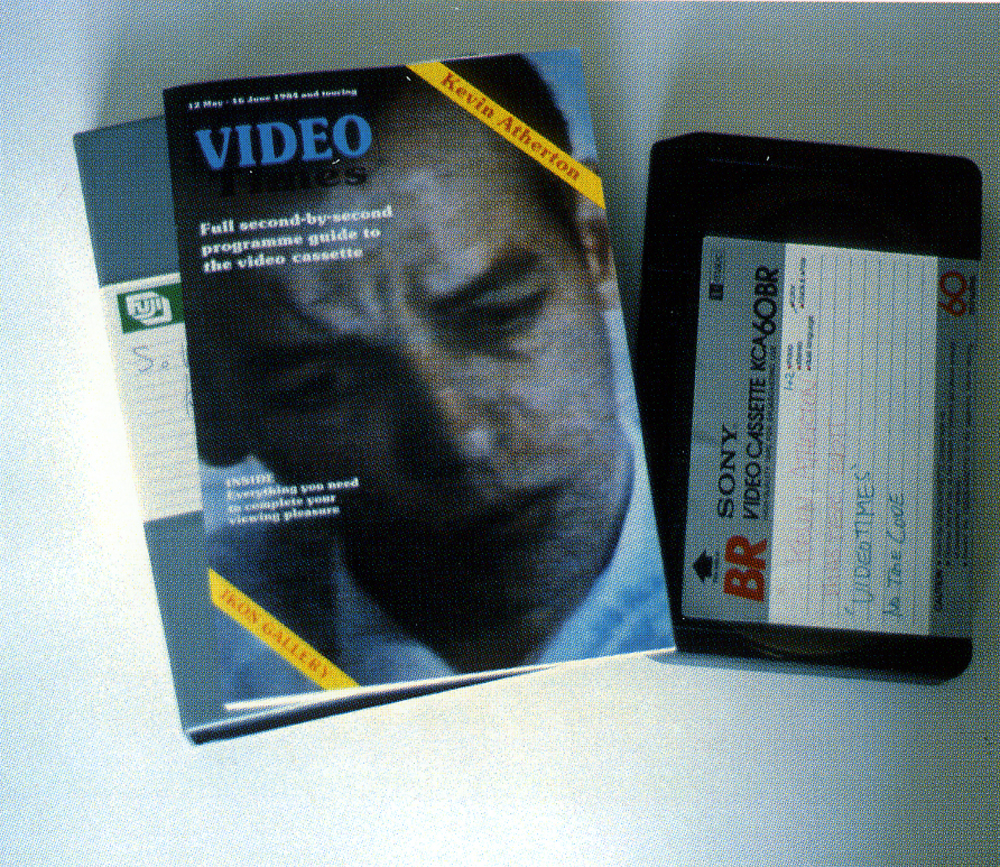
Conceived of as a dual publication, video cassette and booklet, to be presented as an installation. The content of the videotape is the artist watching television.
Acting at the minimum. Each film here substitutes one small thing for another, (ironically) transforming received meanings by the simplest of actions; often kind of funny too.
With Taku we’ll carry out some simple proposals for doing almost nothing, for re-thinking sound with whatever comes to hand.
A meditation on how all of us perform — sometimes reinforcing, sometimes subverting — the shifting categories of gender, sexuality and race.
A conversation about the movement for prison abolition and refusing the logic of race and sex that underpins the criminalisation and mass incarceration of communities.
Using violin and cello the duo map out a twilight sonic world that seems to tread the faultlines between improvisation and composition.
Smith/Stewart set up allegorical situations over which they often have little to no control, but which instigate explorations of dependence and trust, the body, sex and death.
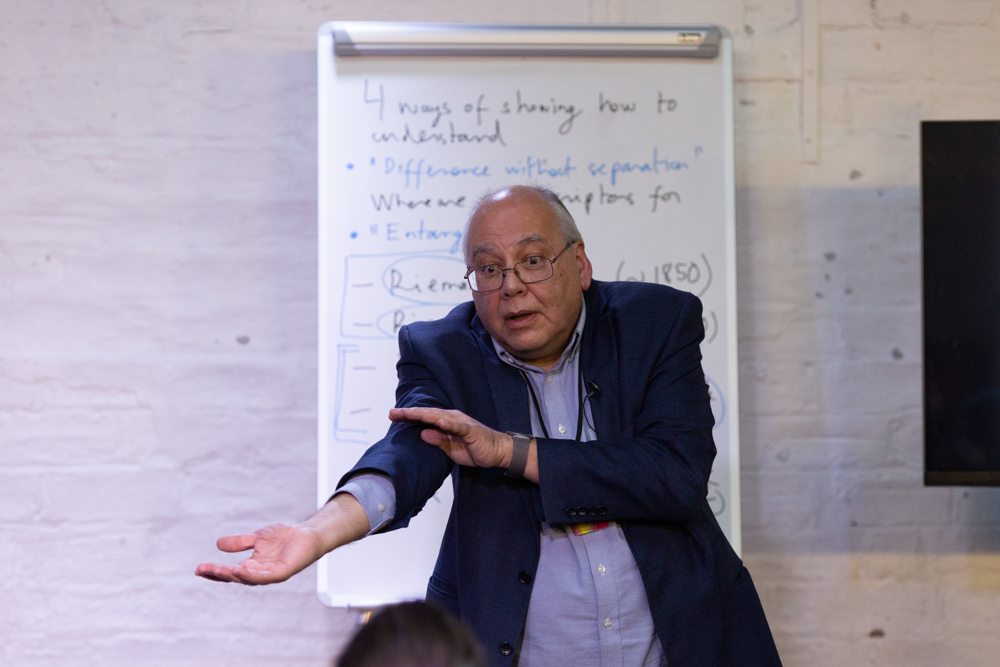
Fernando thinks that when maths is deep, it should be simple and able to be explained by hand gestures. By embodying ideas, we’re able to more clearly think about their cultural implications.