Joan La Barbara
Joan La Barbara
Joan La Barbara presents works exploring the colour spectrum of a single pitch resonating in her skull, an evocation of bird song and circular singing.
Arika have been creating events since 2001. The Archive is space to share the documentation of our work, over 600 events from the past 20 years. Browse the archive by event, artists and collections, explore using theme pairs, or use the index for a comprehensive overview.
Joan La Barbara presents works exploring the colour spectrum of a single pitch resonating in her skull, an evocation of bird song and circular singing.
A panel exploring how to dismantle the master’s house — its material edifices and ideological architecture — and the construction of abolitionist futures in the present.
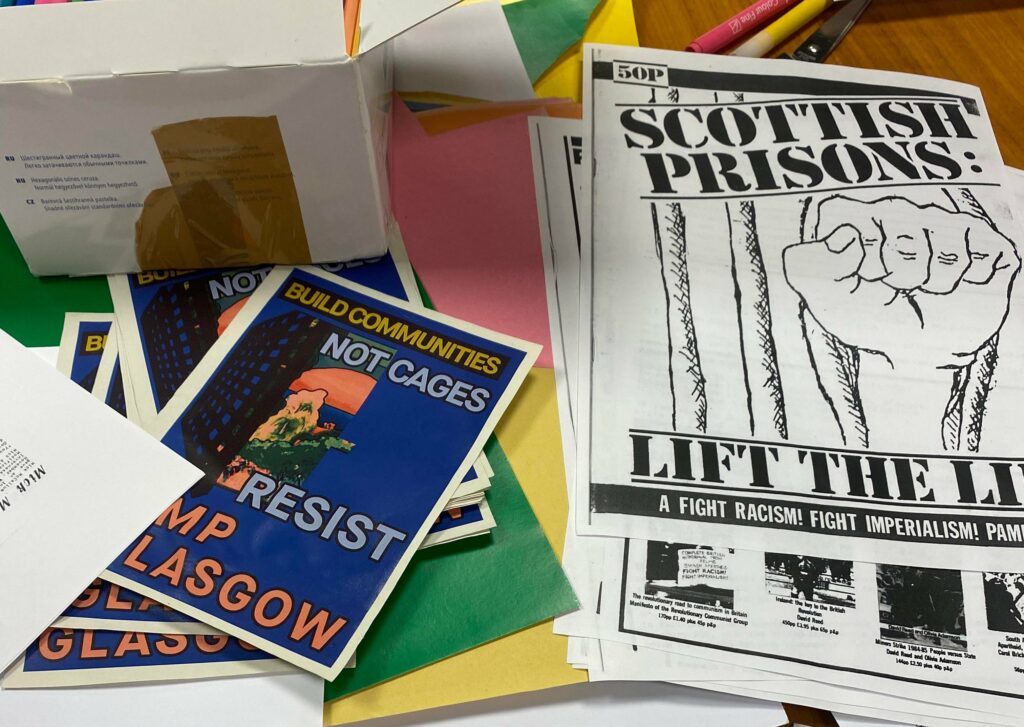
How do people both inside and outside of prison work together to dismantle the criminal justice system and build a society based on collective care?
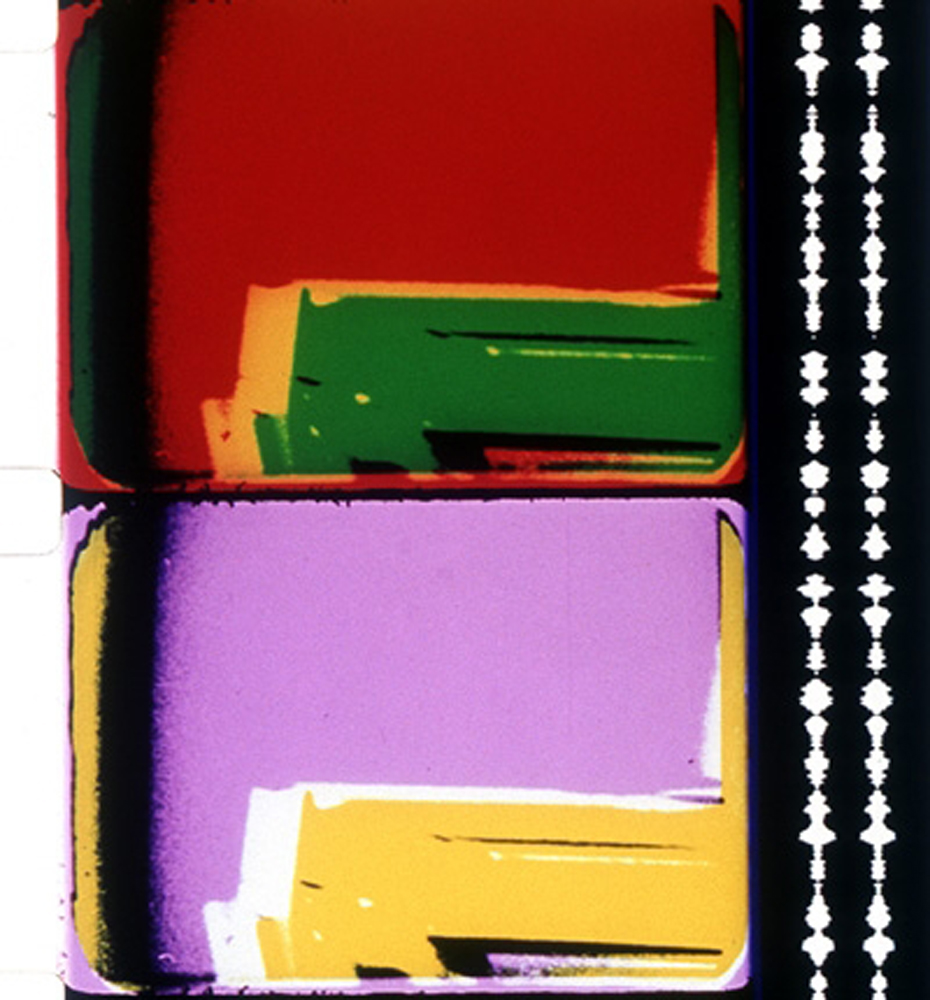
A glance at both analogue and digital processes; the clarity and precision of digital colour or the yawning, endless depth of dye and emulsion, our programme celebrates how both approaches revel in colour, saturation, hue and tone.
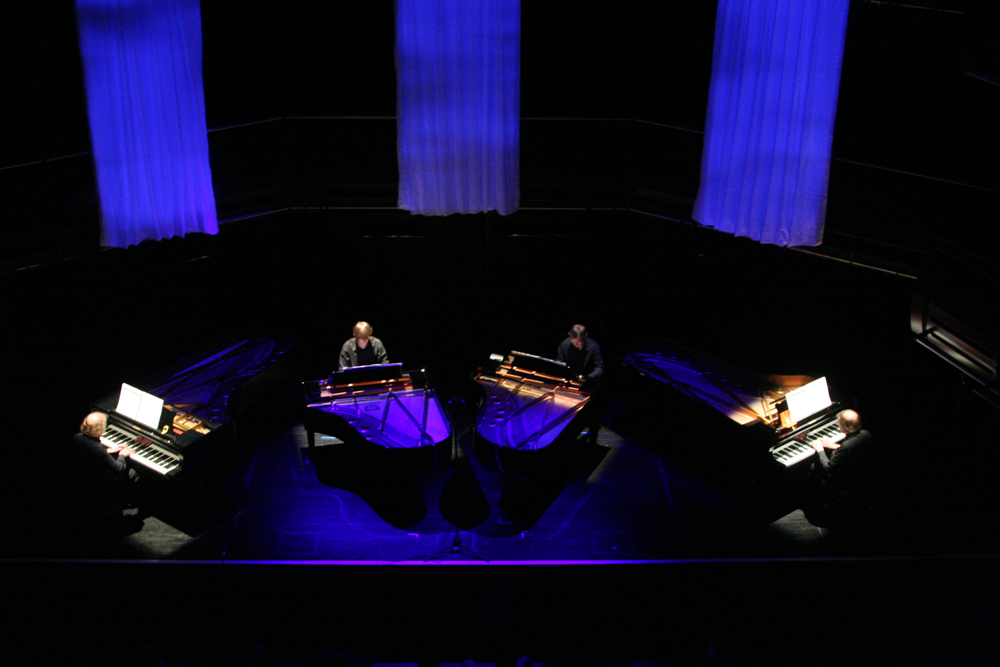
Julius Eastman’s Evil Nigger for 4 pianos performed by Joe Kubera, Kate Thompson, David Murray, Alan Fearon and Simon Passmore.
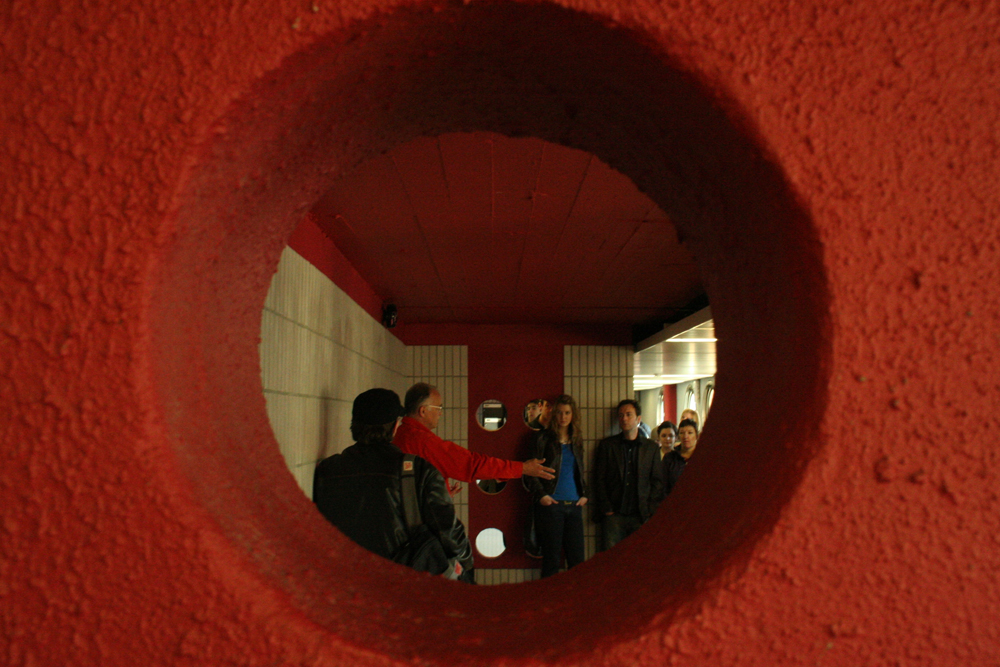
A series of badly felted lock-ups and garages + multiple locations within the Megastructure – a purpose built town centre in one building, comprising (in the 50’s at least) of housing (never occupied), shops, apartments, a hotel, ice rink, police station and other amenities
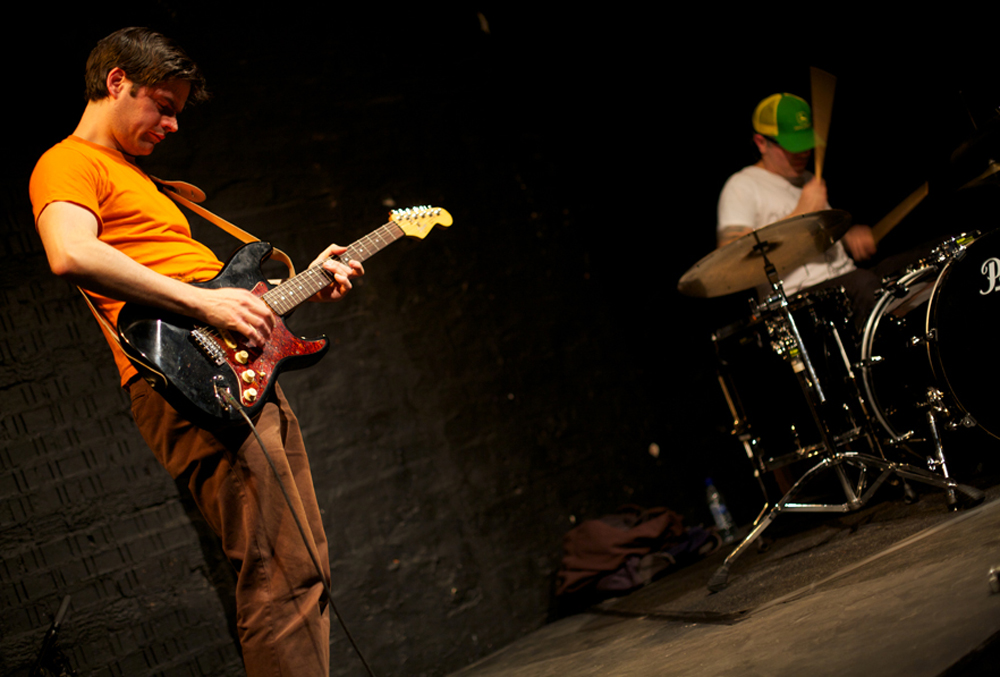
Three different performances variously featuring: Fritz Welch, loud drums, guitar, local collaborators, paper, memories, Roland Barthes, string quartets
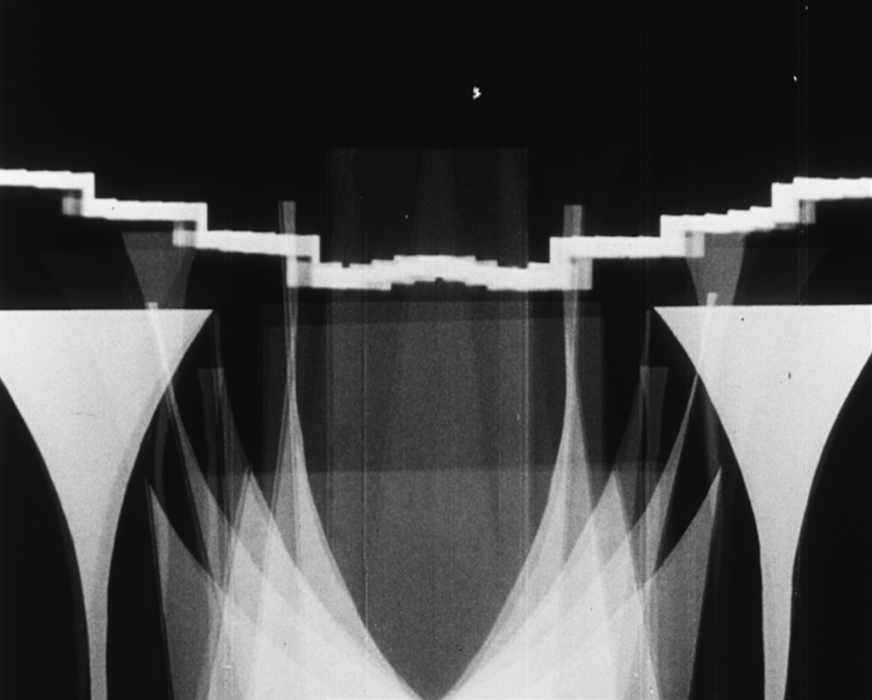
Includes: tamed TV snow, video feedback of racing particles, a remake of a polish photogram film destroyed in WWII, a visual and aural representation of Gestalt theory, hole-punched film and Guy Sherwin’s Cycles 3 double-projection.
This programme takes human subjects as the focus for sound and image construction. And it includes a couple of masterpieces of experimental film: Paul Sharits’ deeply empathetic interpretation of epilepsy and Peter Kubelka’s Webern inspired abstract portrait of Arnulf Rainer.
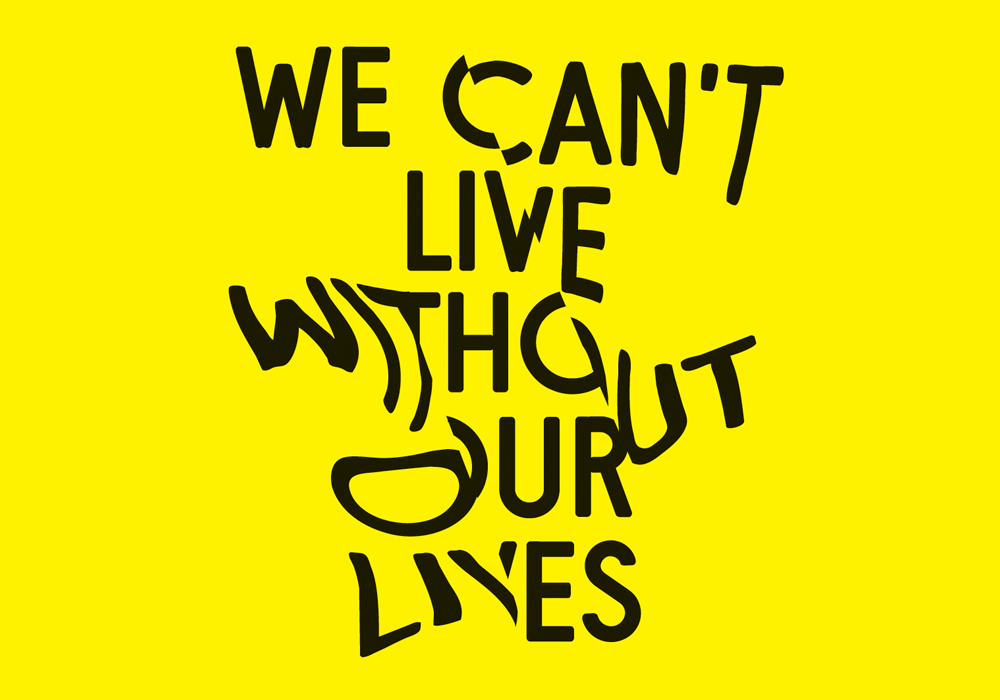
In a moment of social exhaustion, we want to ask how we might care for each other differently. We Can’t Live Without Our Lives is a 5-day exploration of care as a form of struggle and resistance, with communities who embody it.
First in a series of workshops for workers and non-workers who care. Does work that asks us to be attentive to the needs of others force us to sell our capacity for kindness?
Post consideration and post rationalisation… How do we think about experimental music and film after the performance?