Hope and Prey
Daniel Menche Vanessa Renwick
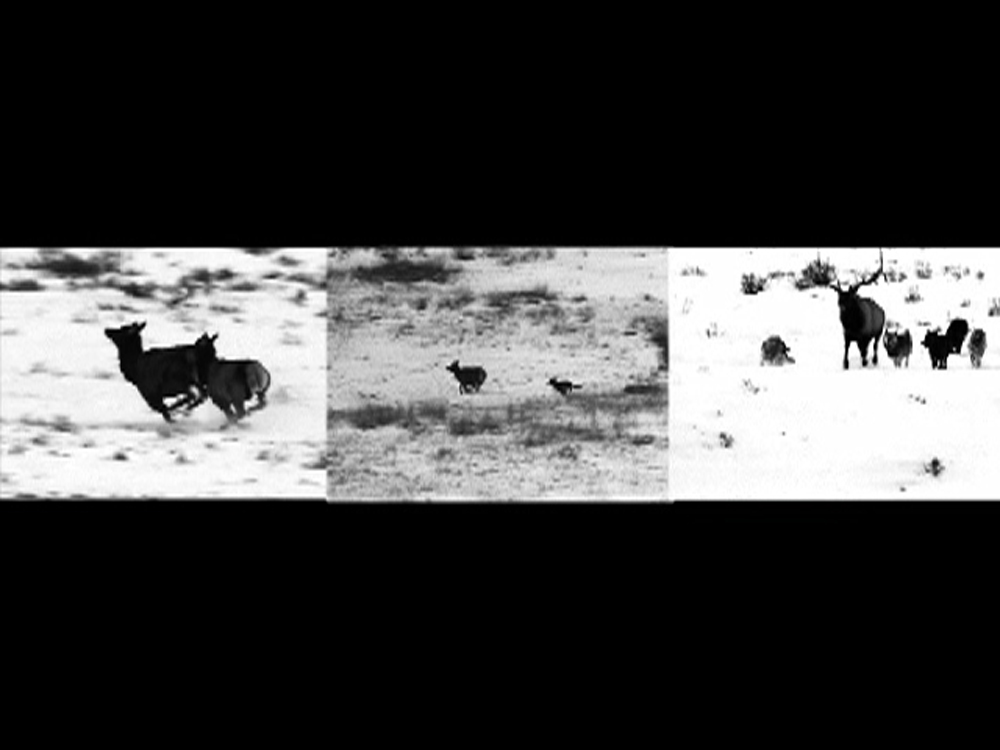
Life and death dramas unfold in the snowy American North, using three-screen documentary footage and a soundtrack by KYTN favourite, vocalist Daniel Menche.
Arika have been creating events since 2001. The Archive is space to share the documentation of our work, over 600 events from the past 20 years. Browse the archive by event, artists and collections, explore using theme pairs, or use the index for a comprehensive overview.
Life and death dramas unfold in the snowy American North, using three-screen documentary footage and a soundtrack by KYTN favourite, vocalist Daniel Menche.
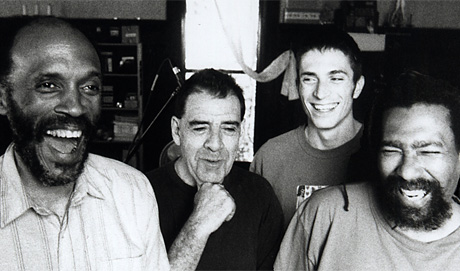
TEST is a collective creative improvising quartet based out of the NYC Underground (figuratively and literally). Their street-hardened, spatial Jazz is riotous and intense: is also makes us think about collective organization, and different ideas of responsibility and liberty.
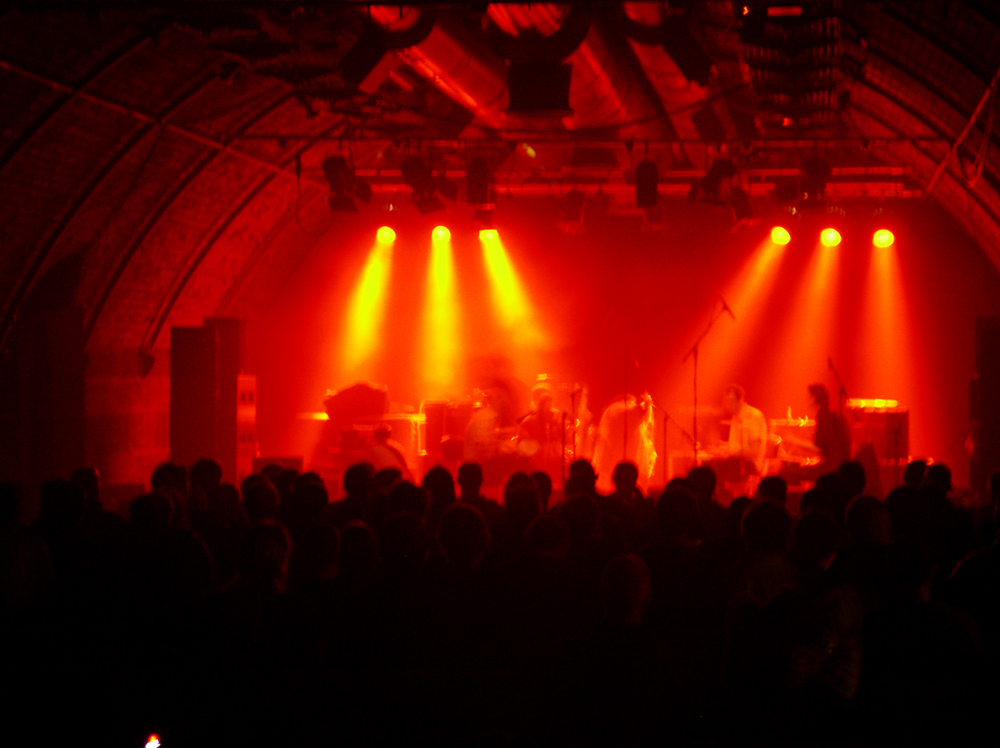
For this one off performance Vibracathedral Orchestra are joined by Matthew Bower and John Godbert from mighty UK heavy/drone/psych free-noise behemoths Skullfower, Sunroof! and Total.
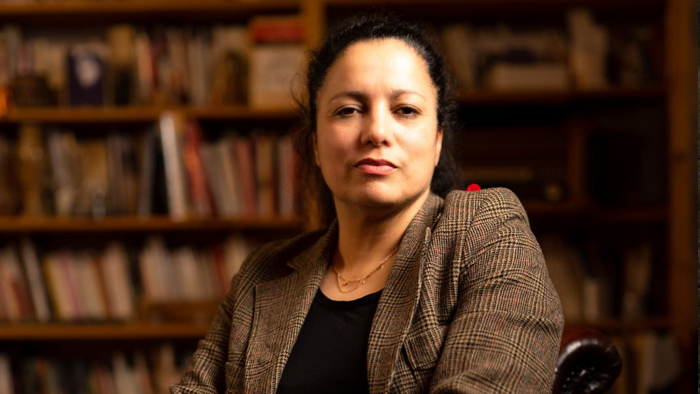
The practice of North African Indigenous revolutionary love, in the face of European capitalist violence and settler colonialism, with one of the most vital anti-colonial thinkers in Europe.
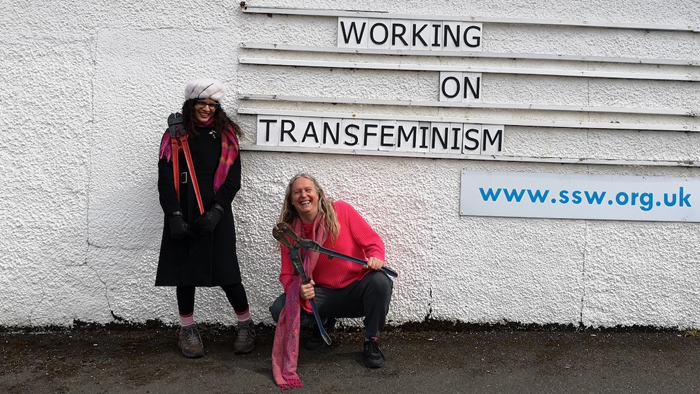
An informal conversation, over breakfast, about how abolition and movement work structures Mijke and Nat’s approach to transfeminism, ahead of their new book Trans Femme Futures.
Freeform Super 8mm documentation of Friday at Instal 06 by filmmaker Matt Hulse.
The queer archiving of traumatic cultural memory from one of the leading voices working with queer archives.
Haunted by the archive of the New Cross Fire, Jay Bernard presents a film and poetry reading that undertakes a queer exploration of black British history, reconstructed from archives and apparent debris.
For musical chameleon Richard Youngs both his creative and family life are focused in the room that many of us consider the centre piece of our lives.
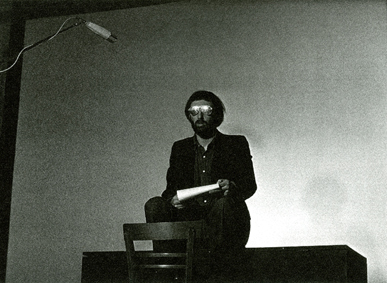
Recently rediscovered but still very pertinent, Kino Beleške presents a series of speech acts and performative gestures by protagonists of the new artistic practice in former Yugoslavia: each a personal take on the role of art in society.
How can we imagine bodies not as an end in themselves, but as a medium through which we can become one another’s means?
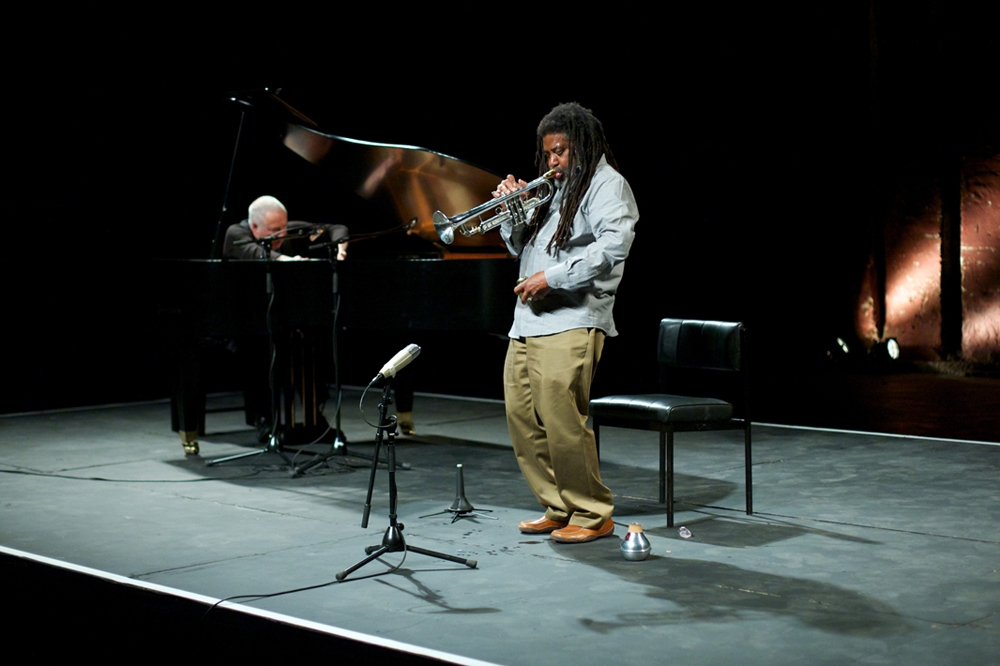
How might two of the great musicians working within contrasting traditions of freedom collaborate? What might this produce: musically, socially, allegorically?