Eye Contact
Eye Contact
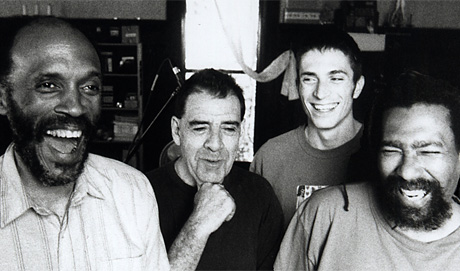
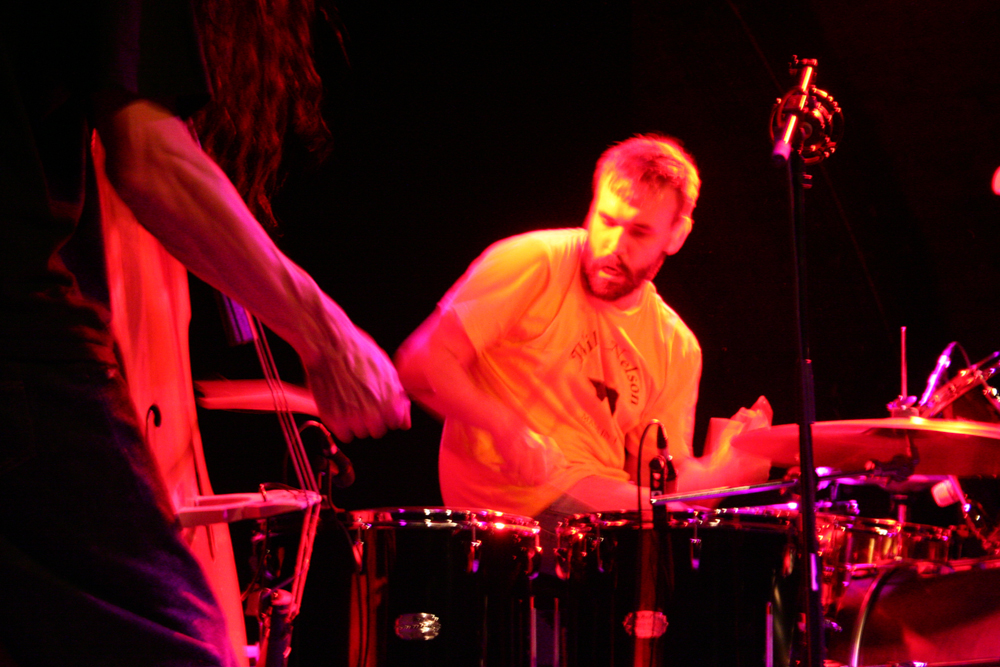
Free Jazz group comprising Matt Lavelle, Matt Heyner (TEST, No-Neck Blues Band) and Ryan Sawyer (Tall Firs).
Arika have been creating events since 2001. The Archive is space to share the documentation of our work, over 600 events from the past 20 years. Browse the archive by event, artists and collections, explore using theme pairs, or use the index for a comprehensive overview.
Free Jazz group comprising Matt Lavelle, Matt Heyner (TEST, No-Neck Blues Band) and Ryan Sawyer (Tall Firs).
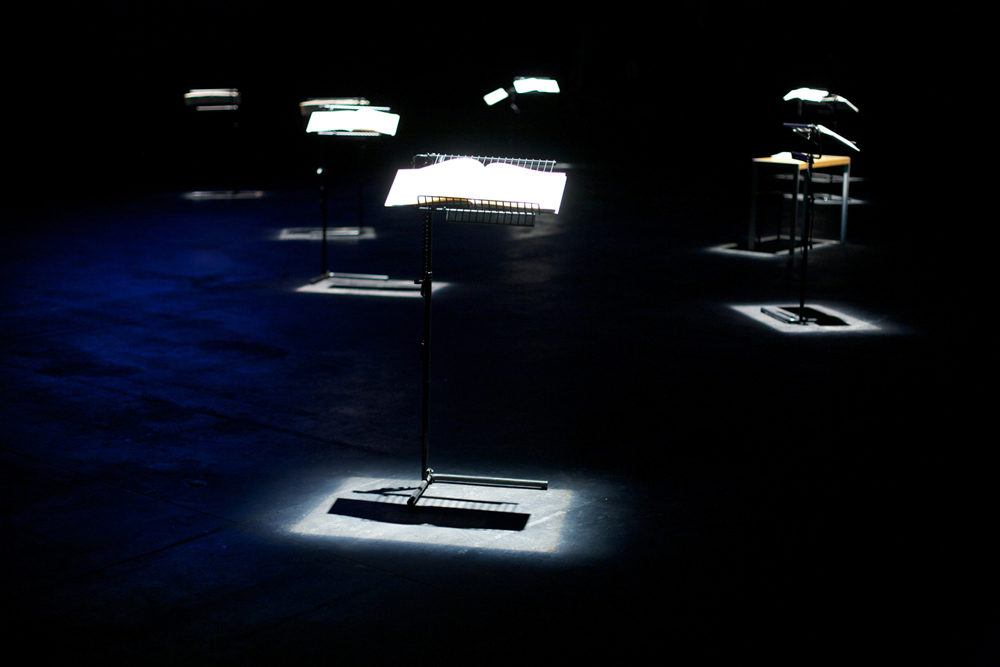
‘Ten Pieces in the Form of Painful Variations’ for piano, an impossible score that looks like a grapeshot musical stave, a text of barbed loathing and doubt – an anti-composition.
Using violin and cello the duo map out a twilight sonic world that seems to tread the faultlines between improvisation and composition.
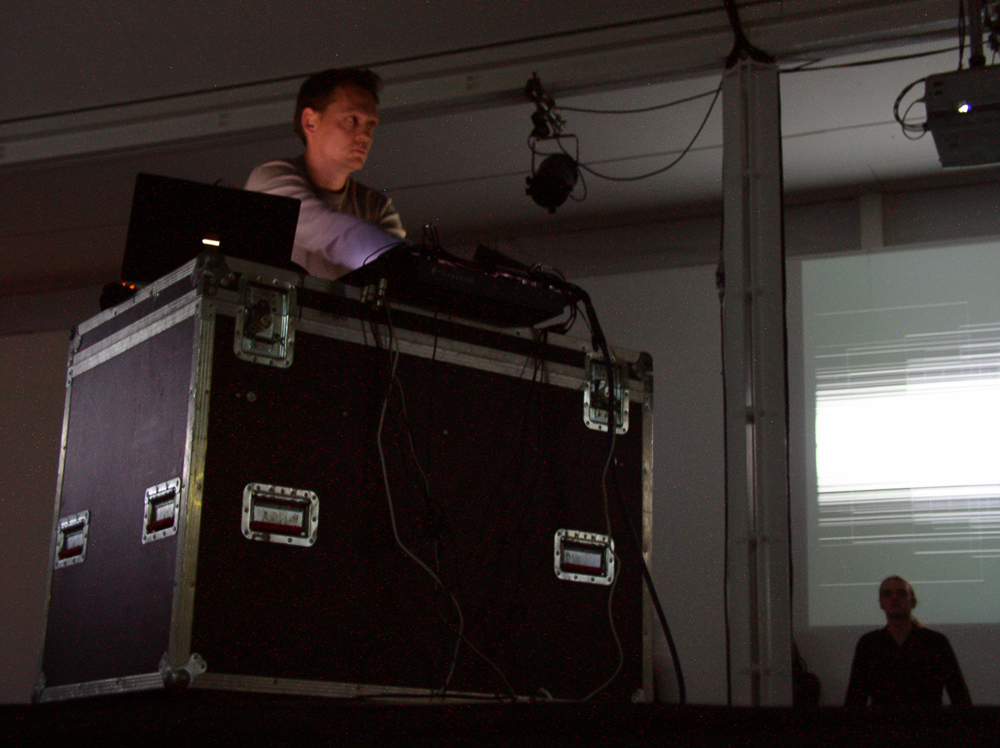
60 cycle hums, jagged static cracklings, and clipped electron pinpricks, mutating them into sublime, post-techno grooves
Instead of the one-way monologue of normal performance, what would be the result of an actual collective dialogue? Where would it go?
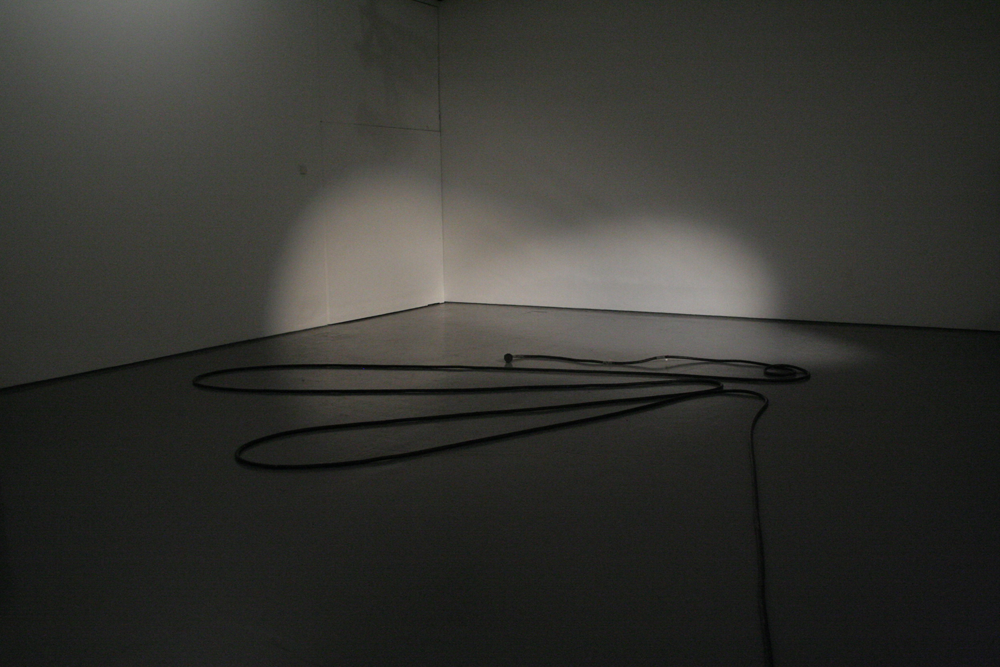
A kind of performed installation of searing noise and silence, where we’re not sure who the performer is, when it starts or ends or even who it’s for.
TEST is a collective creative improvising quartet based out of the NYC Underground (figuratively and literally). Their street-hardened, spatial Jazz is riotous and intense: is also makes us think about collective organization, and different ideas of responsibility and liberty.
Some of the most breathtaking, delicate and smoke filled guitar playing this side of Loren Connors or the quieter sides of Keiji Haino.
Reading their letters to each other, and chatting about prefigurative politics as the practice of relentlessly building worlds through unspeakable violence and loss; of building worlds and living in them anyway.
An LSD trip gone right via dense explorations of post-Fahey steel and low level drone.
Four perspectives from people involved in different anti-capitalist and anti-racist struggles, considering how ideas of ‘ending’ have shaped their political thinking and praxis.
Watching films and chatting with Karrabing members about those films: as they attend to the memory and practice of the ancestral present and the ancestral catastrophe that Karrabing and their more-than-human world find themselves facing.