After Leonardo
Keith Rowe Malcolm Le Grice
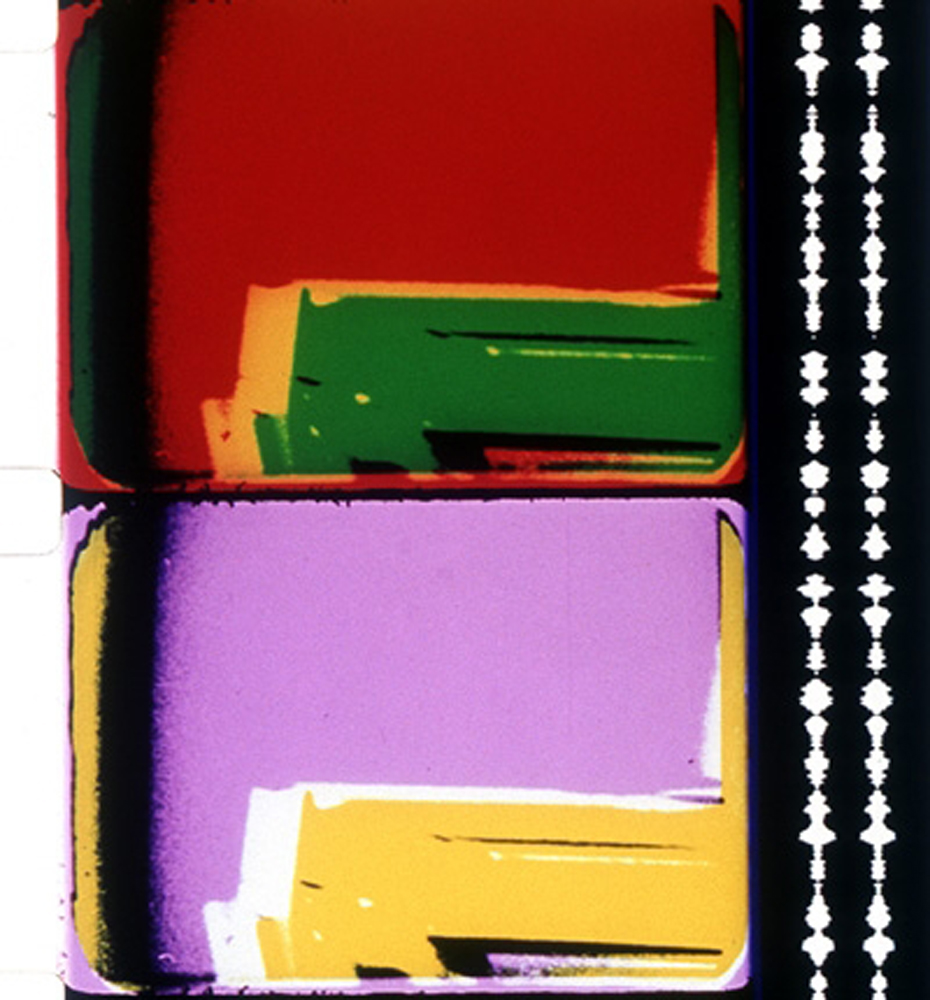
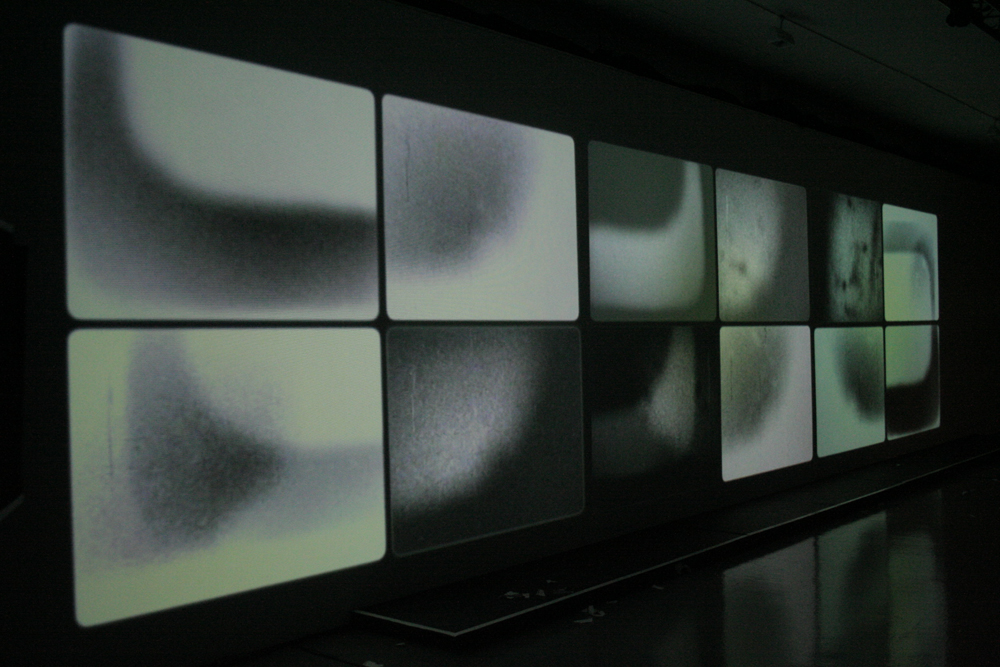
A poetic multi-screen performance about “the inadequacy of the arbitrary passing moment and the impossibility of permanence”. About time and change.
Arika have been creating events since 2001. The Archive is space to share the documentation of our work, over 600 events from the past 20 years. Browse the archive by event, artists and collections, explore using theme pairs, or use the index for a comprehensive overview.
A poetic multi-screen performance about “the inadequacy of the arbitrary passing moment and the impossibility of permanence”. About time and change.
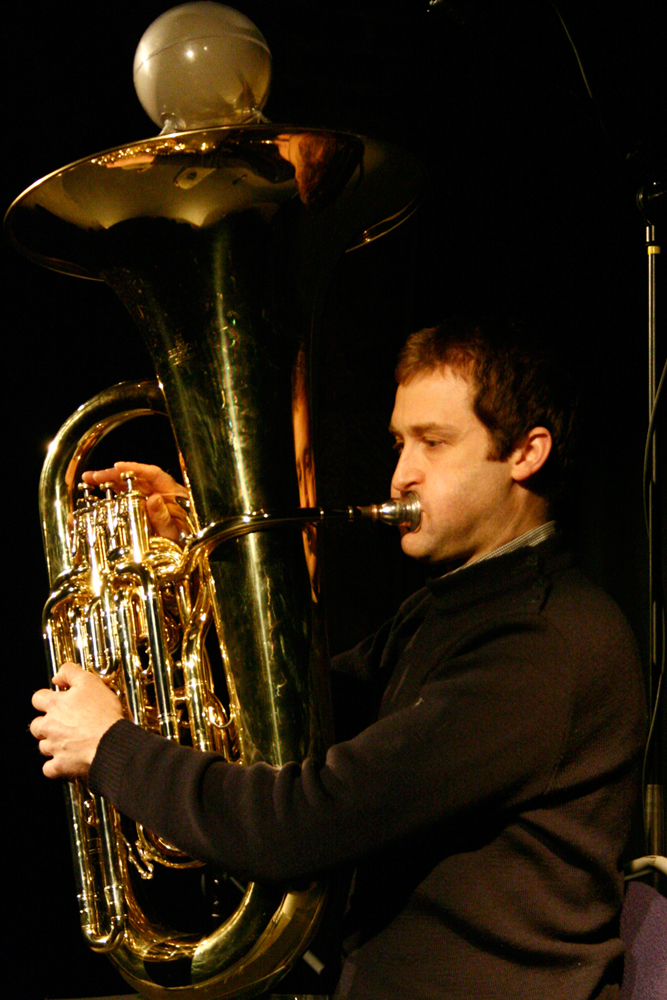
Robin Hayward – exploring the micro-sounds of a tuba, filling slowly with sand.
This programme is a celebration of Charlemagne Palestine; passionate, extravagant, visceral. Including two sections from Ritual dans le Vide, an extension of his ‘running camera’ works of the 70’s and Pip Chodorov’s vibrant workout of a live version of Strumming Music.
Glasgow. Low-end drone guitarage army in praise of the open chord.
Underground movement legend boychild hosts this workshop—on improvisation, cosmetics, movement and lip-sync.
The production of moving image (film) by the mechanically, unfalteringly repetitive manipulation of mass-produced materials (film), in order to explore three different allegorical representations (films) of repetitive human actions and labour under capital.
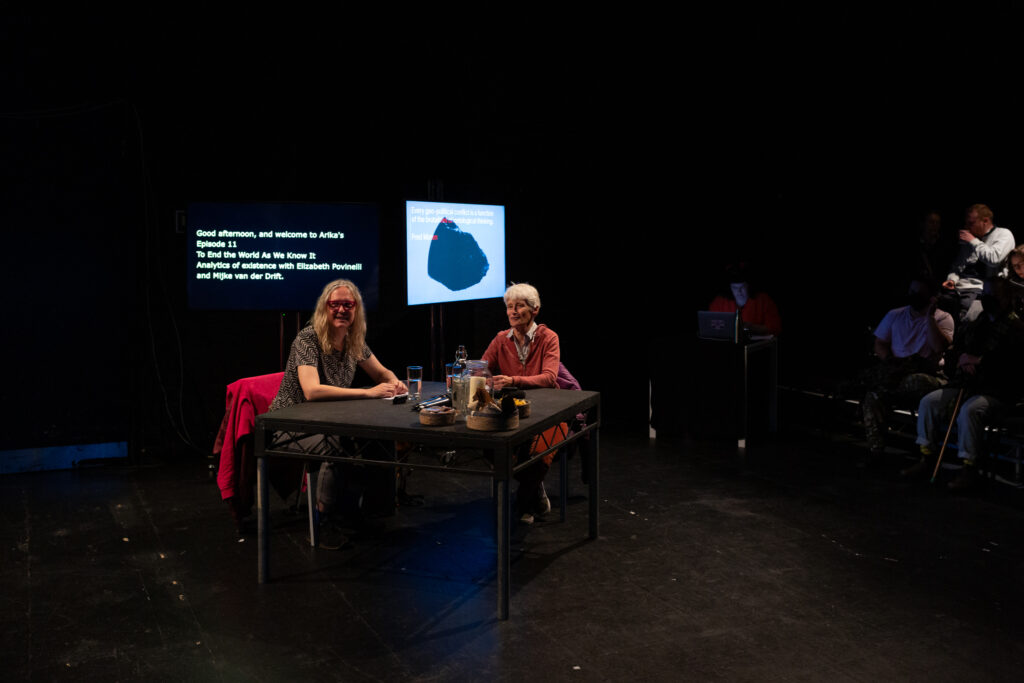
Elizabeth’s writing pulls apart toxic settler colonialism and the worldview used to justify it; working towards an alternative distribution of powers, so that ways of being otherwise can endure.
One of the most compelling Indigenous voices of her generation discusses practices of Indigenous Resurgence drawn from Nishnaabeg poetic knowledge.
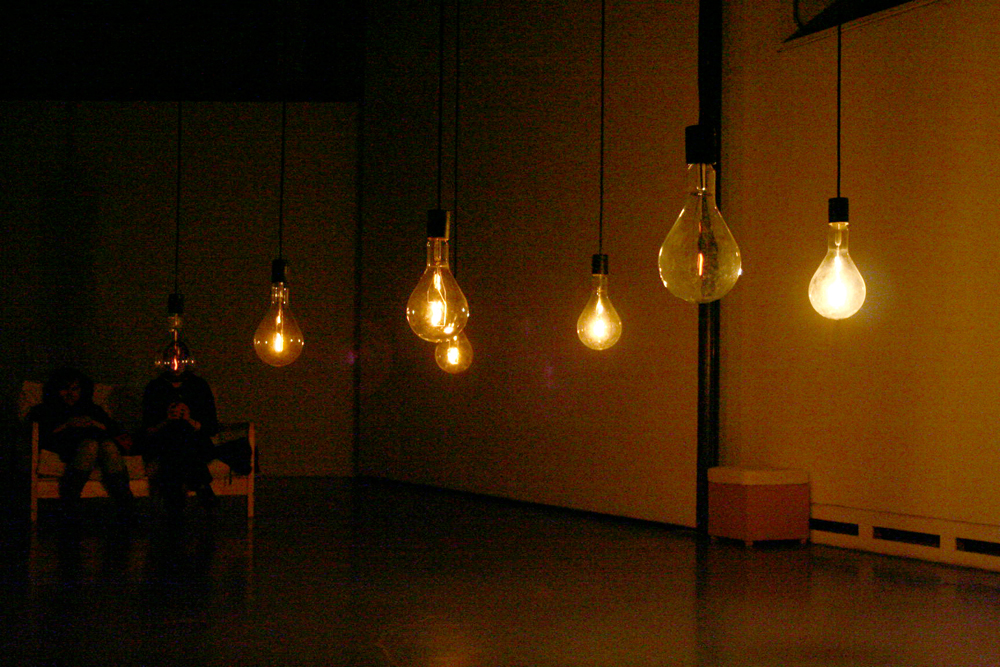
Audio signals pass through light bulbs, causing the filaments of the bulbs to sing and crackle in a chorus of electronic static.
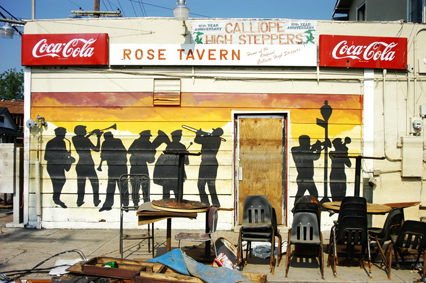
A dismantled, performed film, where a narrator pieces together the sounds, images and storytelling of a documentary about Hurricane Katrina before a live audience.
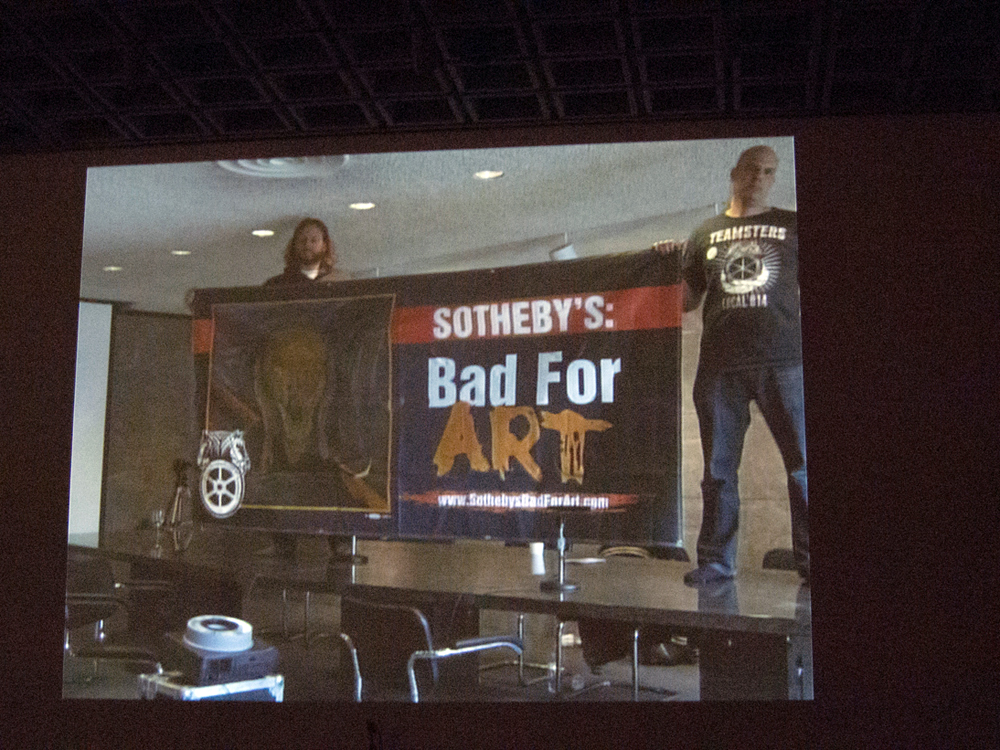
When one calls a strike, who hears the call, who attunes and listens to it? How to listen to the call of a strike? What prevents one from hearing this call or stops one from listening to it?
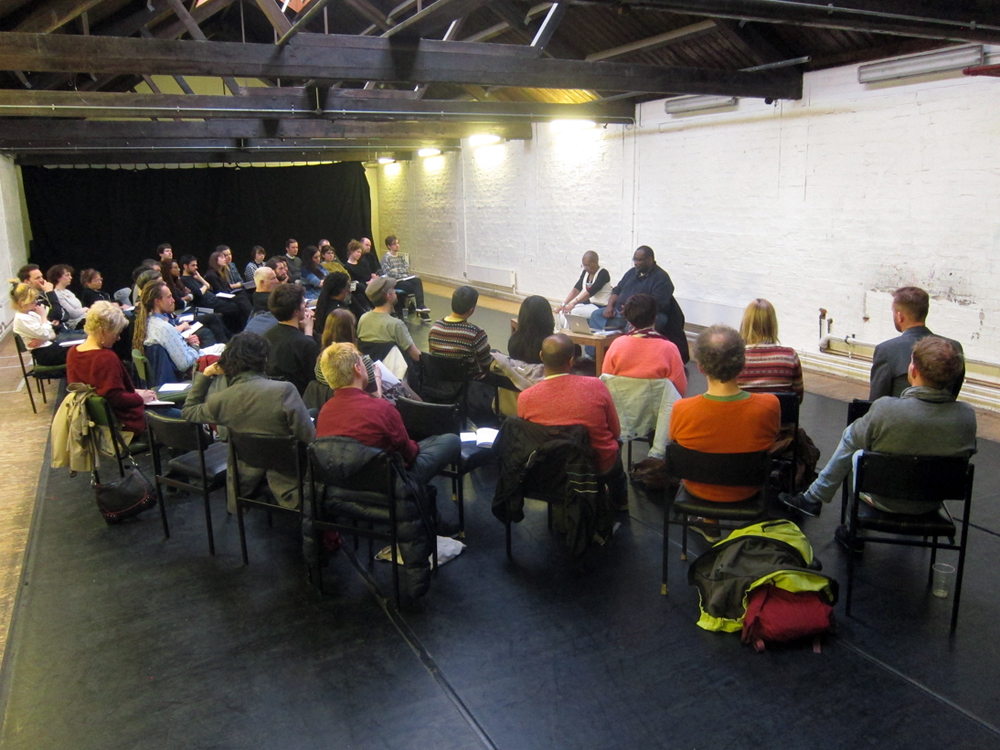
A conversation between Philip and Moten: how do we read NourbeSe’s anti-narrative poetic lament in Glasgow today, given the city’s role in the history of slavery?