Blackness, Animality and the Unsovereign
Che Gossett
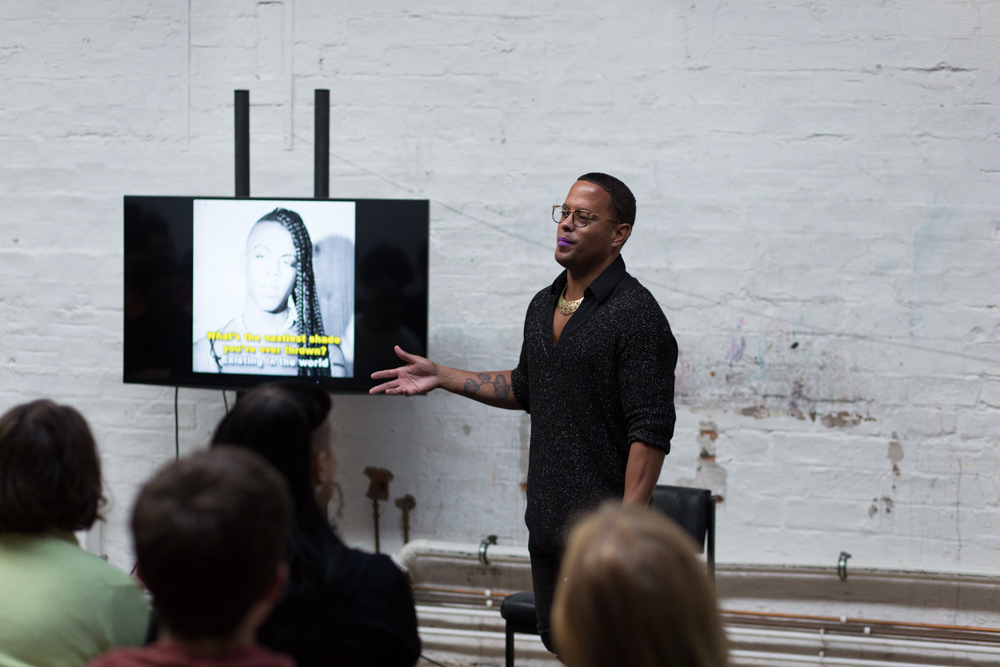
How black radical practices of abolition imagine a way out of the caging and mass killing of life.
Arika have been creating events since 2001. The Archive is space to share the documentation of our work, over 600 events from the past 20 years. Browse the archive by event, artists and collections, explore using theme pairs, or use the index for a comprehensive overview.
How black radical practices of abolition imagine a way out of the caging and mass killing of life.
A sound of buzzing and flickering metallic drones, glottal stops and guttural growls, and also an explosiveness and purity of sound that reminds you as much of Bill Dixon as anyone else.
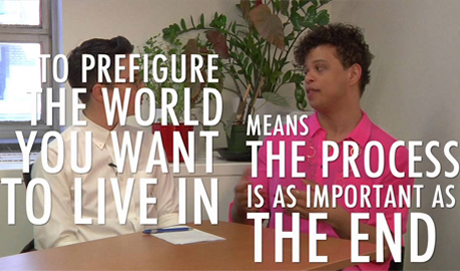
A crash-course in pre-figurative, radical, queer, anti-racist, anti-police, anti-prison, anti-deportation abolitionist politics and trans-resistance.
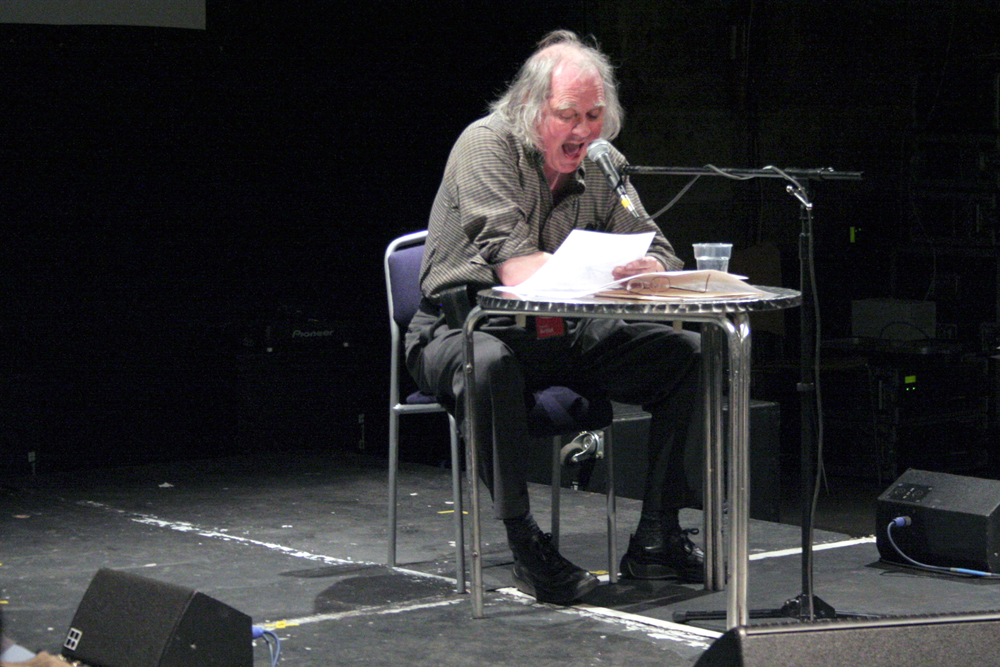
Leading language/ action/ sound poet performed his groundbreaking concrete poem, a dizzying mandala of text, symbols and rubber stamps; a kind of book as reading machine.
Join activists, academics and artists as they reflect on abolitionist praxis and thought, exploring covergences with gender, poetry, technology, performance, speculation, aesthetics, film and culture. This series of events commemorates Black August and is for anyone who wishes to answer the abolitionist call to action and thought.
The 2006 INSTAL festival saw a broad selection of artists that included Blood Stereo and Ludo Mich, Ellen Fullman and Sean Meehan, Keiji Haino and Tony Conrad and a specially created performance by Maryanne Amacher.
During their time in Scotland for Instal 06 Dave Dove, Bhob Rainey and Greg Kelly did some improvisation workshops and performances in and around Glasgow.
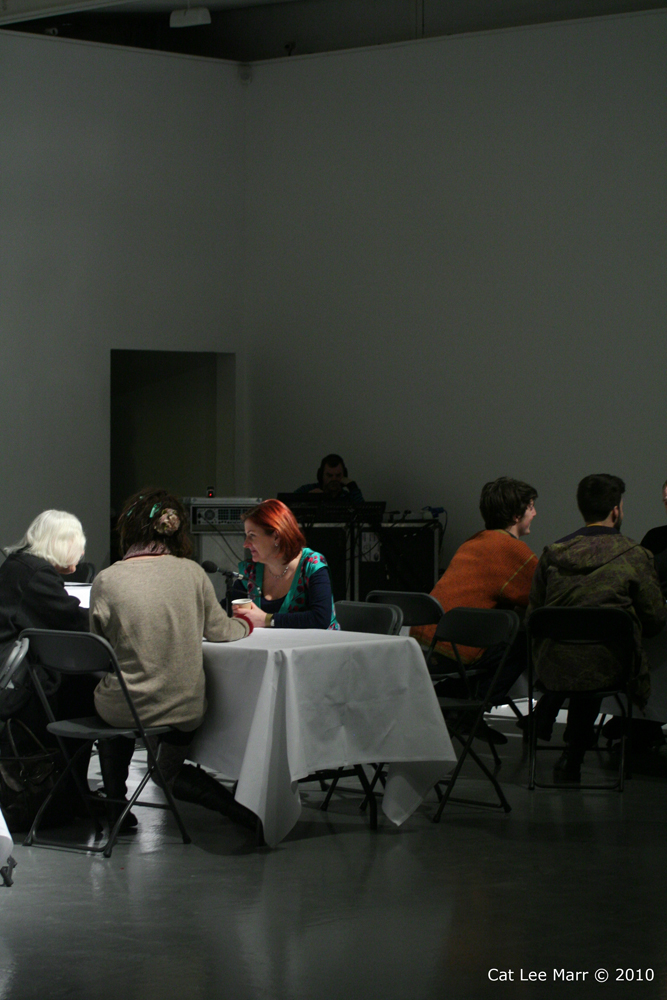
A changing pool of people (40 or so at a time – artists, audiences, etc) talk for 90 minutes in a simultaneous series of open-ended round-table discussions, structured like speed dating, and mixed live as both a concert and for radio broadcast.
Haino exceeds expectation with a 4 hour solo performance on a collection of more than forty instruments from all over the world.
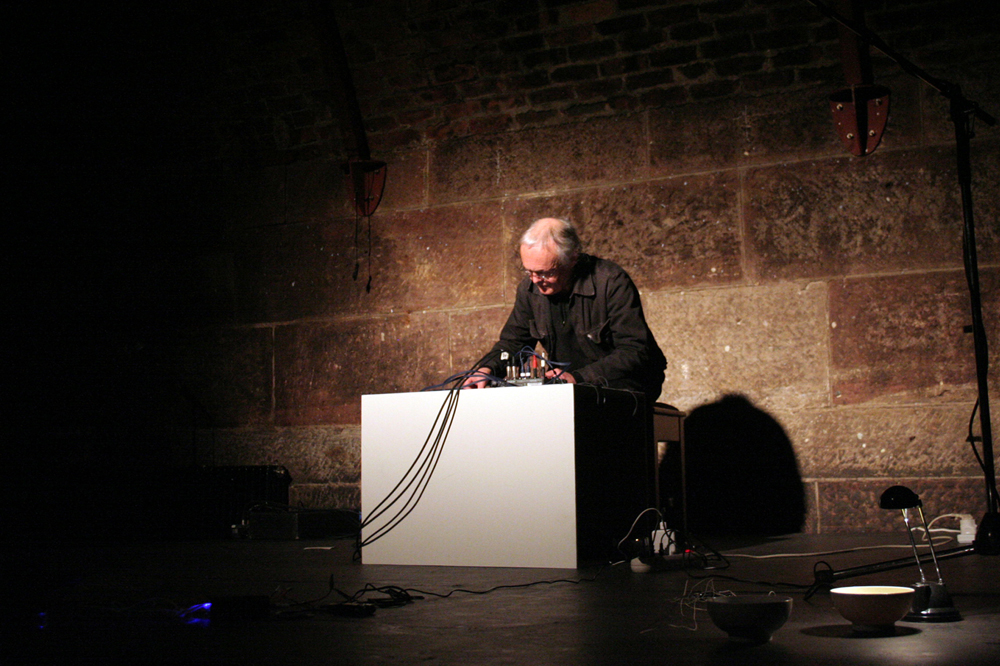
Julius’ “small music” features simple snatches of found sound, played back through small speakers, often set in bowls of pigment and dirt which shimmies in the vibrations.
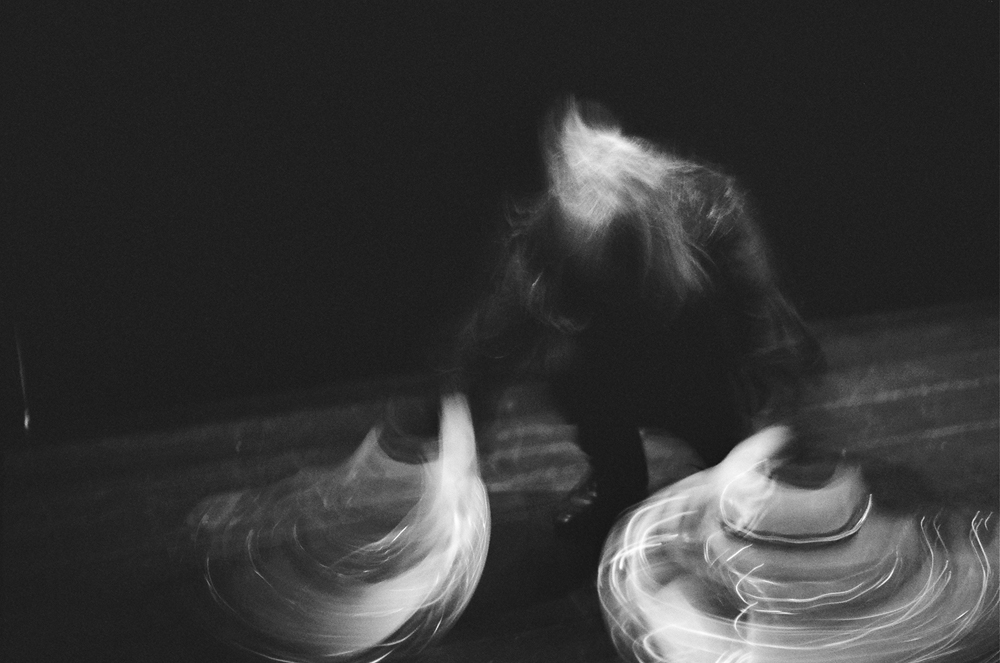
An occasion for commotion, and a chorus of motions. Choreography rotating your revolutions and then some.
Offering a crip grief transformation and witness altar. A place to sit and breathe, remember our dead, wash our hands and leave offerings to and for loved ones we’ve lost – and for ourselves. Expect fire and a little bit of smoke. Concluding with a D/deaf centered social space with conversational interpreters available for those who do not speak ASL.