Episode 6: Make a Way Out of No Way
A 3-day exploration – through performance, screenings and discussion – of the art and politics of wayward communities who refuse to be bound by the fictions of race and sex.
Arika have been creating events since 2001. The Archive is space to share the documentation of our work, over 600 events from the past 20 years. Browse the archive by event, artists and collections, explore using theme pairs, or use the index for a comprehensive overview.
A 3-day exploration – through performance, screenings and discussion – of the art and politics of wayward communities who refuse to be bound by the fictions of race and sex.
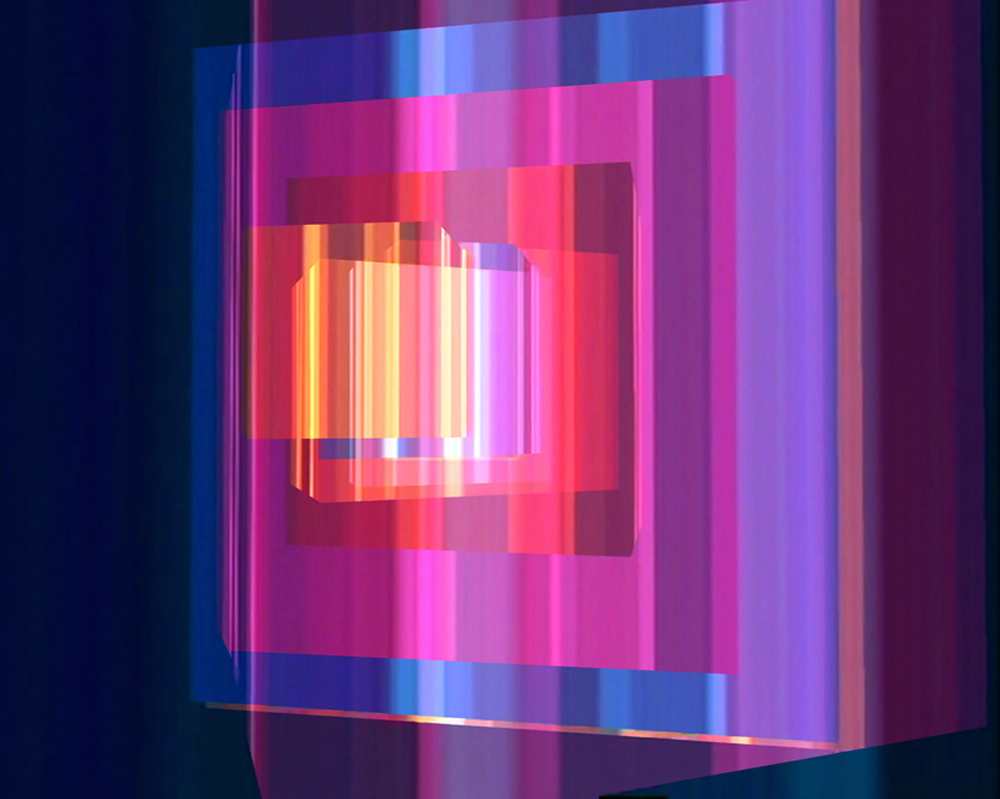
A glance at both analogue and digital processes; the clarity and precision of digital colour or the yawning, endless depth of dye and emulsion, our programme celebrates how both approaches revel in colour, saturation, hue and tone.
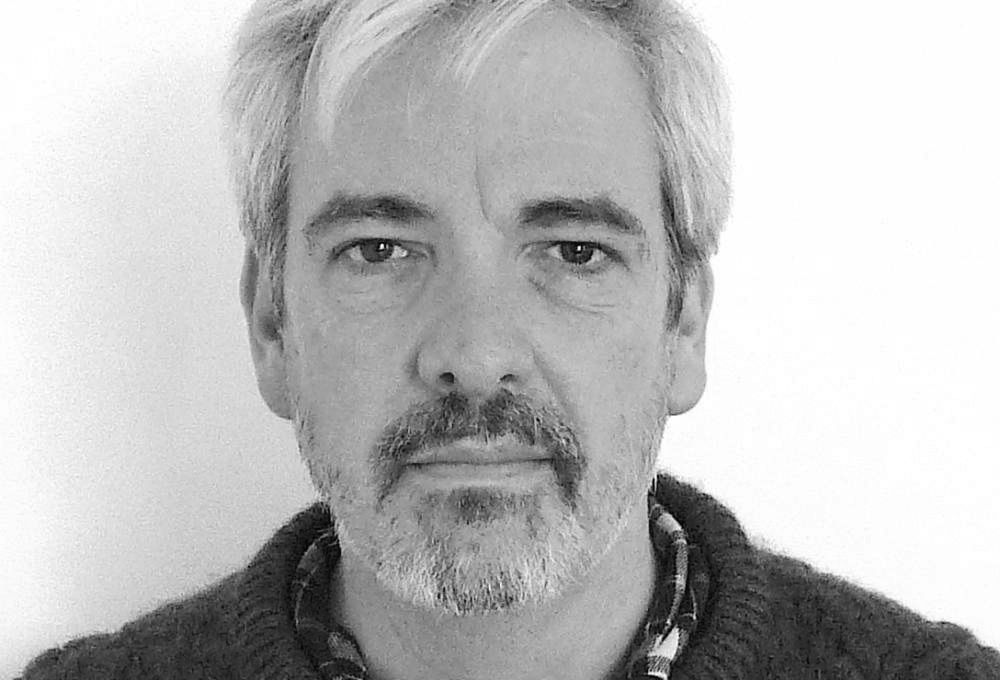
John Mullarkey sets in a wider context our understanding of Alain Badiou and Francois Laruelle, two of the most radical philosophers in Europe today.
A performance for projectionist, musicians and audience, which plays with references to Oscar Levant and Gershwin: apparently a series of small doses of chaos.
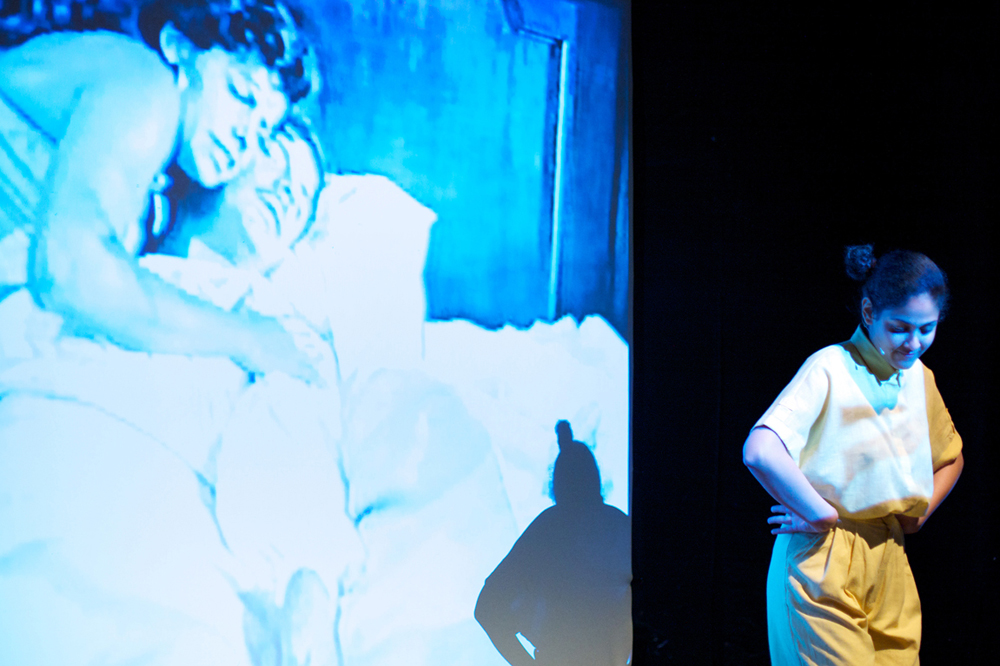
Conceptual choreography as critique, in Ligia’s film of Caribbean plots and scandals, and the possibilities of anti-colonial revenge, rest and repair.
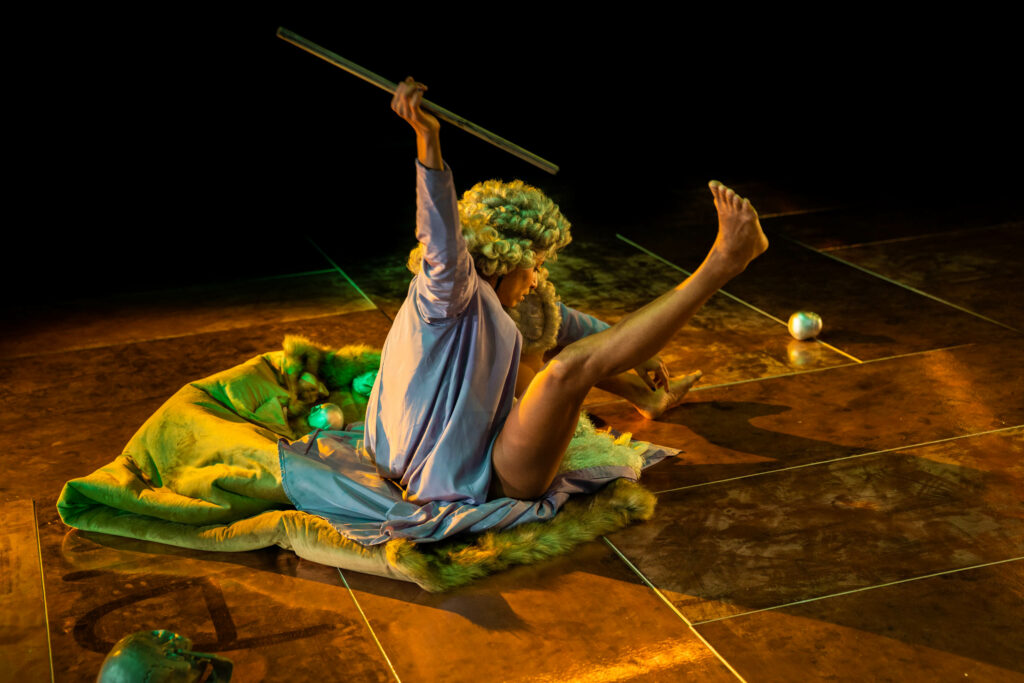
Trans-temporal drag, sexuality and the re-staging of illegible moments in history.
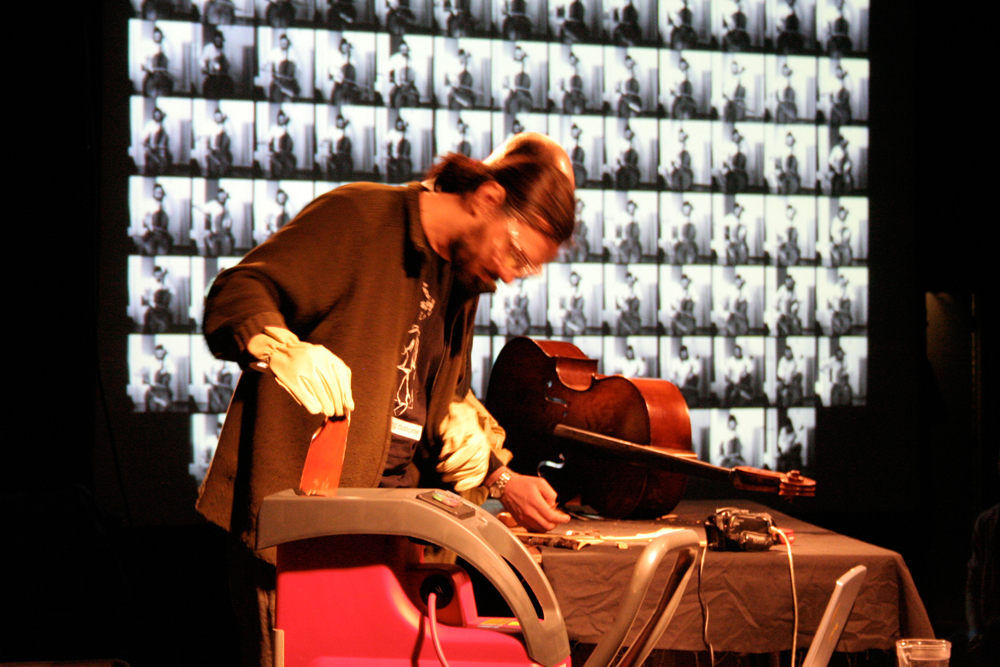
Nikos played every note that it’s possible to play on the cello, all played back as a one hour drone, while the cello was turned to powder and bottled.
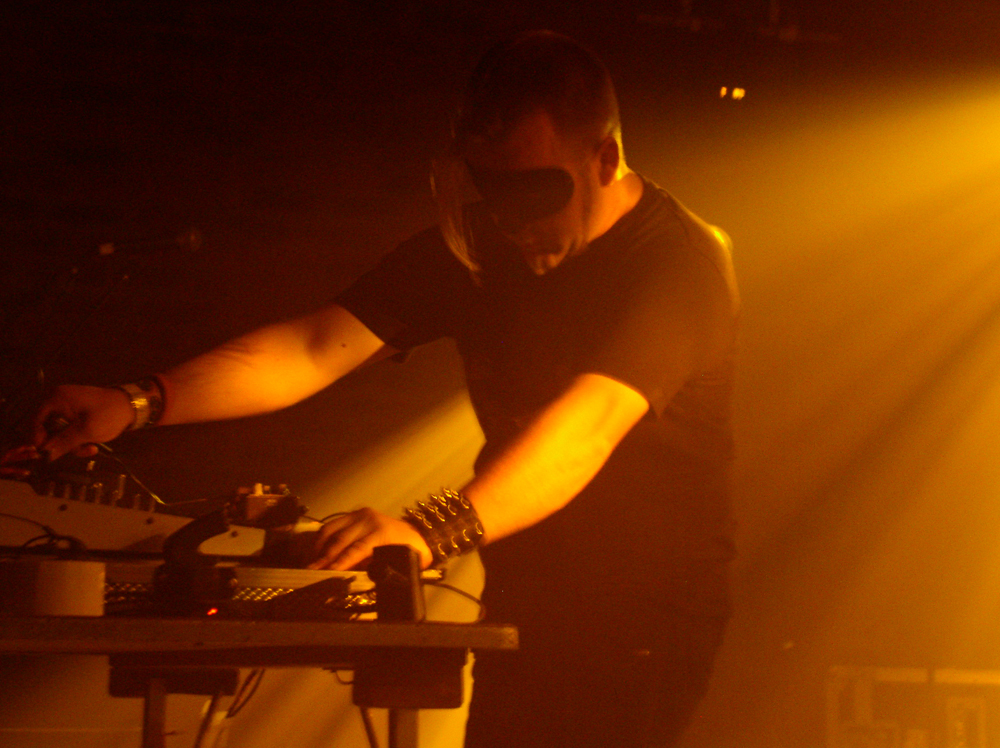
Blissed-out sun-dappled drone ragas of the highest order, with a metal-tinged signature sound of plucked and bowed strings.
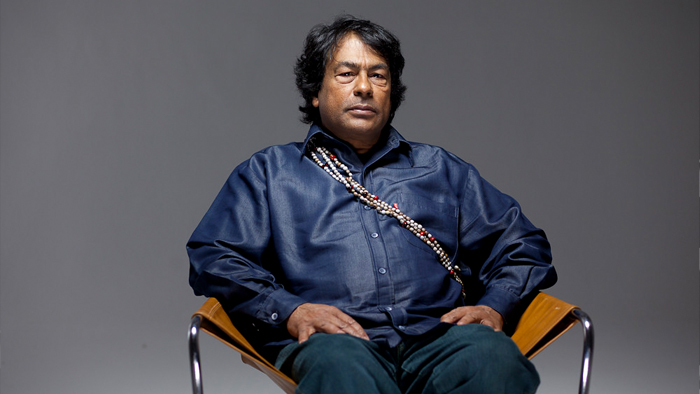
A recorded a conversation that grounds the Episode, exploring Ailton Krenak’s thinking and distinct poetics of life; as it work against capitalism and fascism, as a denunciation of political alliances, and maybe even of ‘politics’.
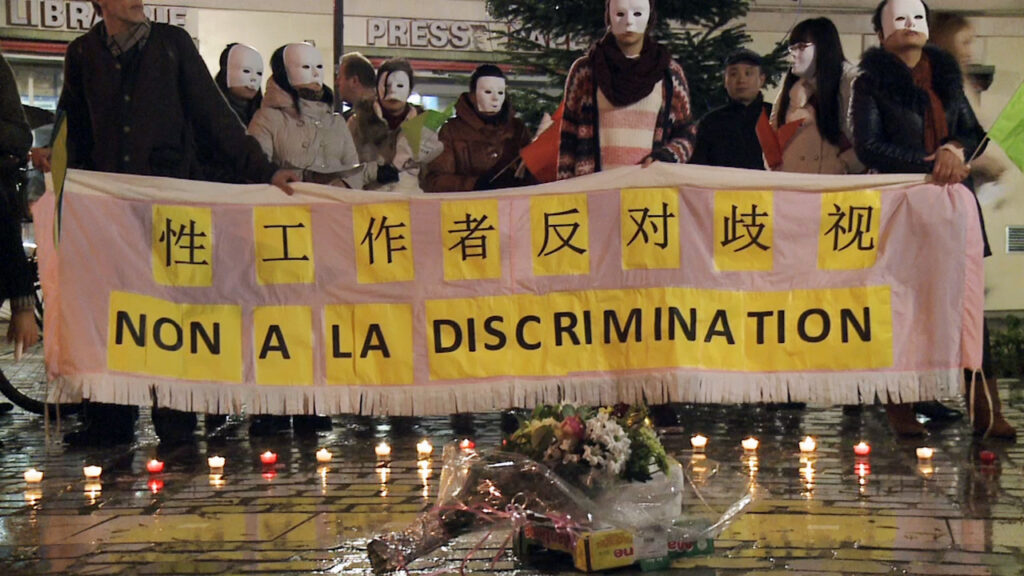
Join Scot-PEP, SWARM and Decrim Now for a day of panel discussions focusing on: sex worker’s labour rights, how decriminalisation can help in the struggle for sex worker safety, sex work & migration with a film screening of Crossings.
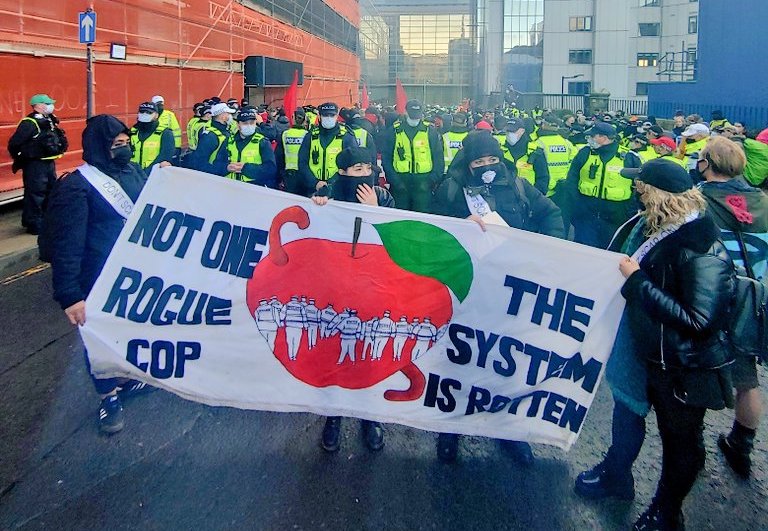
A space to reflect on our own experiences with the police and explore more community and care-based ways of dealing with violence and difficulties in our lives.
A performed film lecture exploring how the ‘Rumberas’ of Caribbean cinema of the 40’s and 50’s subverted demeaning images of themselves through dance, sound and a sociality that insisted on blackness as being a cultural performance, not simply due to skin colour.