Investigation – Taku Unami
Taku Unami
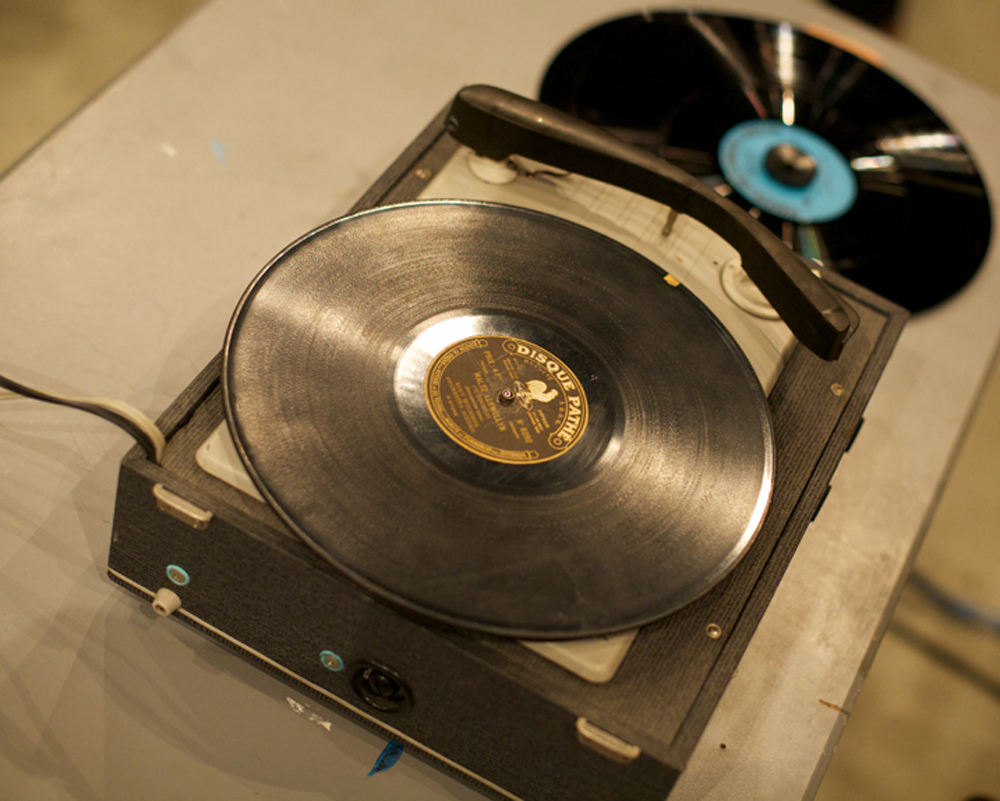
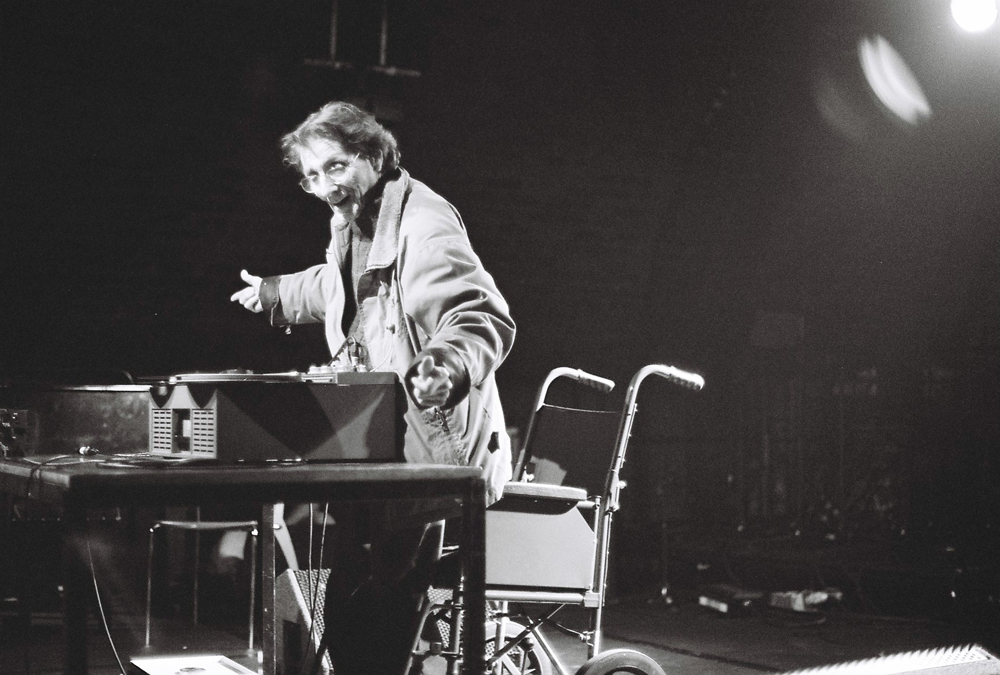
With Taku we’ll carry out some simple proposals for doing almost nothing, for re-thinking sound with whatever comes to hand.
Arika have been creating events since 2001. The Archive is space to share the documentation of our work, over 600 events from the past 20 years. Browse the archive by event, artists and collections, explore using theme pairs, or use the index for a comprehensive overview.
With Taku we’ll carry out some simple proposals for doing almost nothing, for re-thinking sound with whatever comes to hand.
A performed reflection on Malin’s previous re-enacting of a super influential landmark of performance art from the French feminist and artist Gina Pane.
IN OUR LIFETIME, is an anti-imperialist resource, edited by Hussein Mitha, produced by Arika for Episode 11, featuring poetry, essays, questions, prompts, letters and works of anti-colonial imaginary.
Artist Derek Lodge running a specially designed social space, somewhere for conversation, story-telling and interaction.
CCI Sound system: a performance in which new material will be mixed and phased between two huge PA’s, one a precise Meyer system, the other a huge wall of Marshall amps
A historical narrative of the black and Latino/a transgender, bisexual, lesbian, and gay House and Ballroom Scene in relation to race, gender, sexuality and class oppressions.
This programme takes human subjects as the focus for sound and image construction. And it includes a couple of masterpieces of experimental film: Paul Sharits’ deeply empathetic interpretation of epilepsy and Peter Kubelka’s Webern inspired abstract portrait of Arnulf Rainer.
Come for the crip ingenuity; stay for the smooth feels of what it is to be each other’s everything.
Can we use sound, repetition and difference to personally and collectively engage with space, time and labour?
Lo-fidelity sheets of parinirvanic mangled tone get driven into oblivion by two longstanding gurus of the Northern England primitivist noise.
An occasion for commotion, and a chorus of motions. Choreography rotating your revolutions and then some.
Dworkin asks: What would a non-expressive poetry look like? A poetry of intellect rather than emotion?