Phill Niblock
Phill Niblock
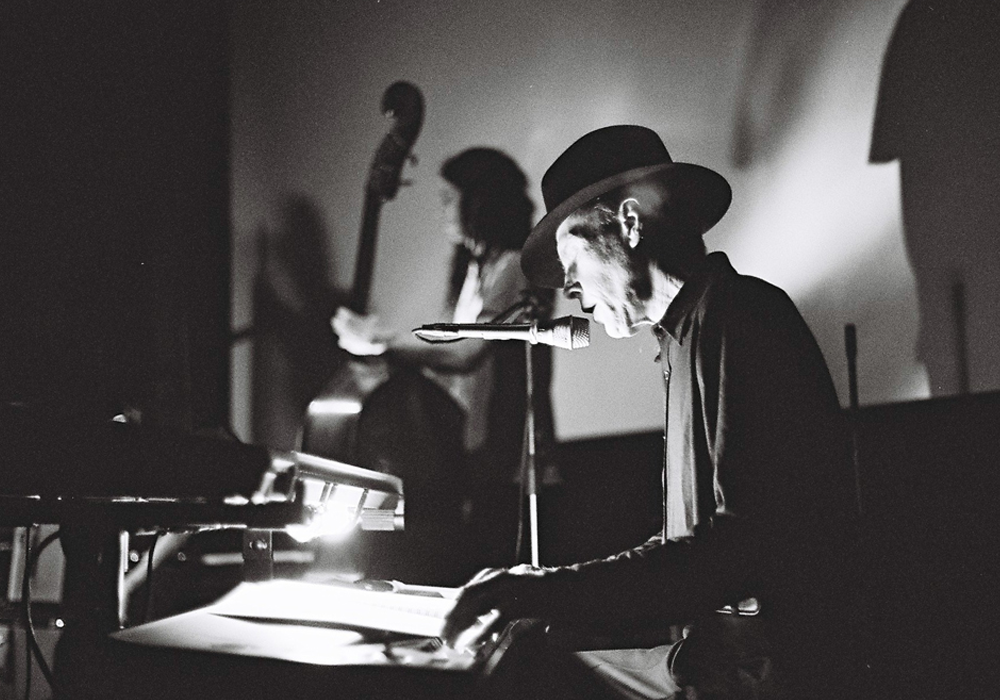
Slowly evolving ultra-subtle harmonics and multi-tracked, otherworldly drones that only reveal their true power at high volume.
Arika have been creating events since 2001. The Archive is space to share the documentation of our work, over 600 events from the past 20 years. Browse the archive by event, artists and collections, explore using theme pairs, or use the index for a comprehensive overview.
Slowly evolving ultra-subtle harmonics and multi-tracked, otherworldly drones that only reveal their true power at high volume.
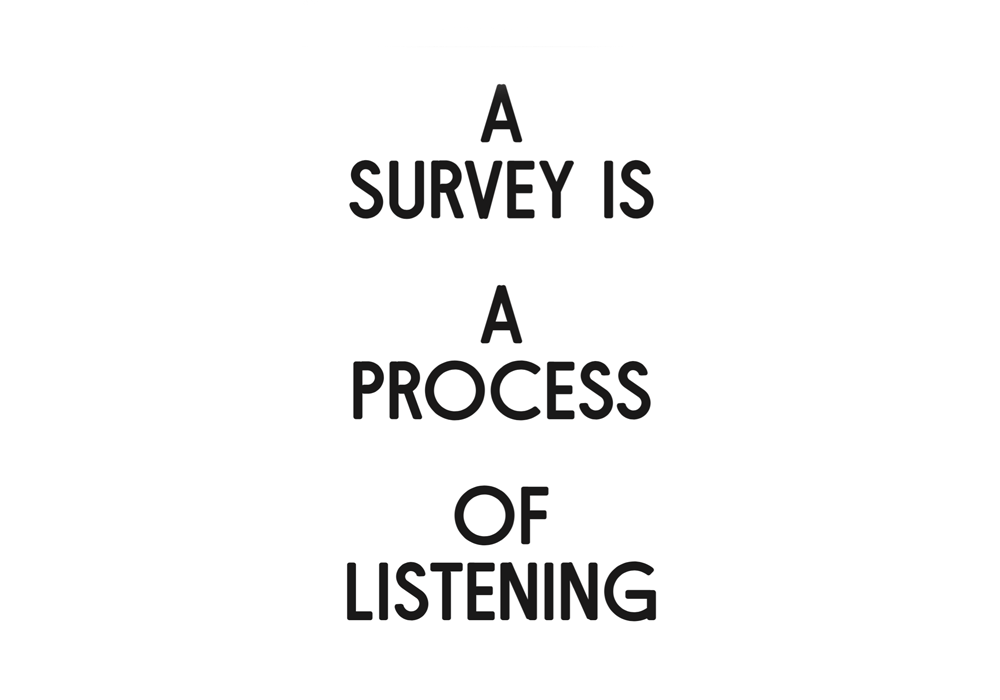
A performative survey of listening, as we managed to find it being used as a tool in different practices, disciplines and communities in North America (music, poetry, film, philosophy, activism…).
Discussion: If we approach “care as an event” rather than as a “contract of exchange” then what becomes possible in how we know, care for, and appreciate each other?
The pieces in the programme switch between silent film/ imageless sound, but we wanted to have a think about how ideas can take up residency on either side of the sound/ image border, without having to inhabit both at the same time.
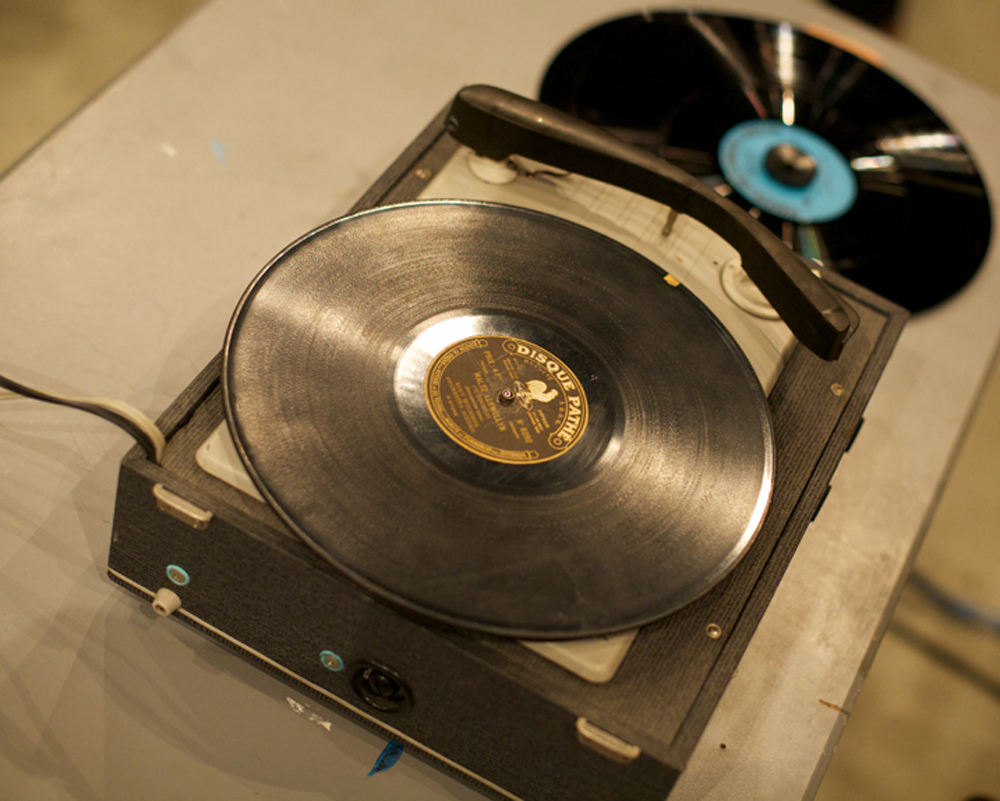
A carefully thought out, simple but rich performance using just a turntable, teach yourself foreign language LP’s, the impeccable timing of a percussionist, and an idea.
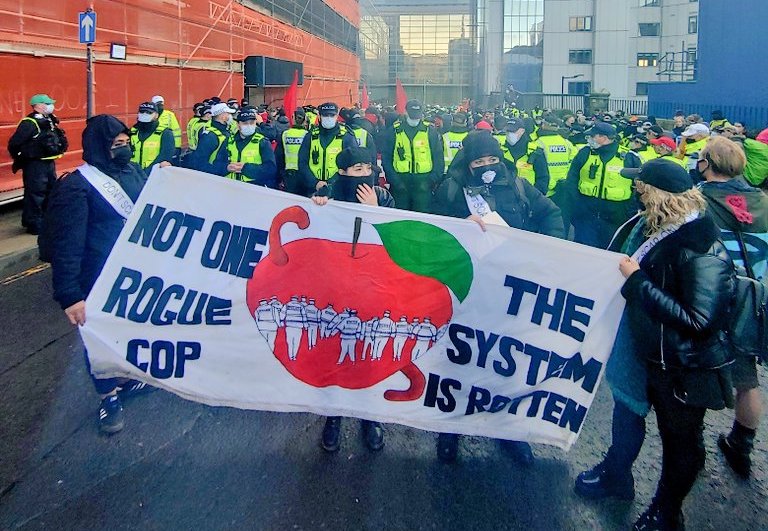
A space to reflect on our own experiences with the police and explore more community and care-based ways of dealing with violence and difficulties in our lives.
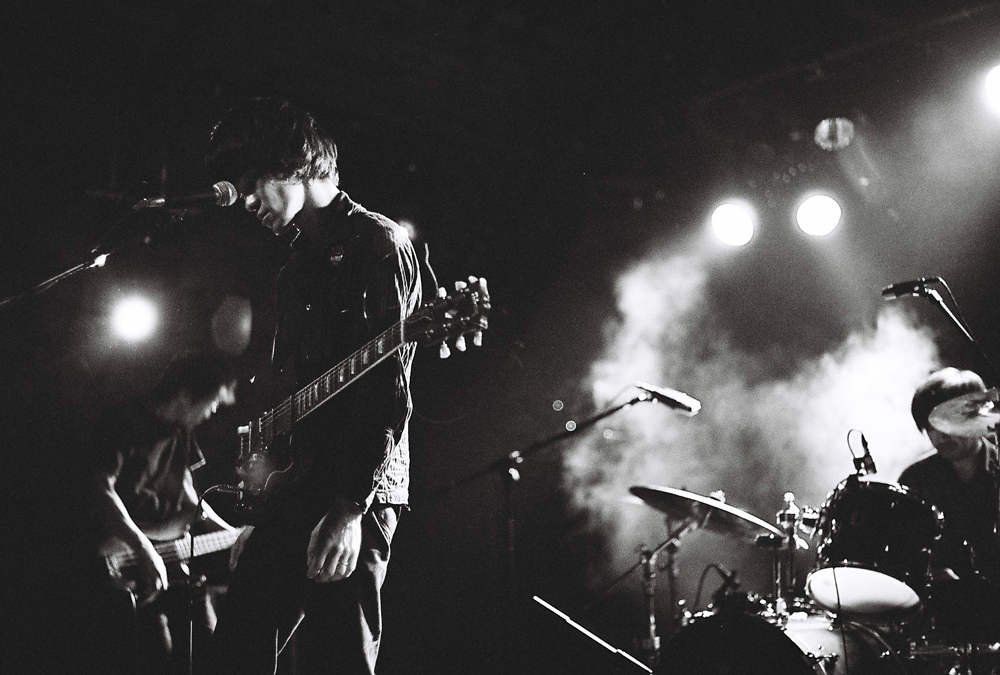
Black-clad with an ominous aura created by their distorted guitar epics, burnt-out ballads and raucous mantric jams.
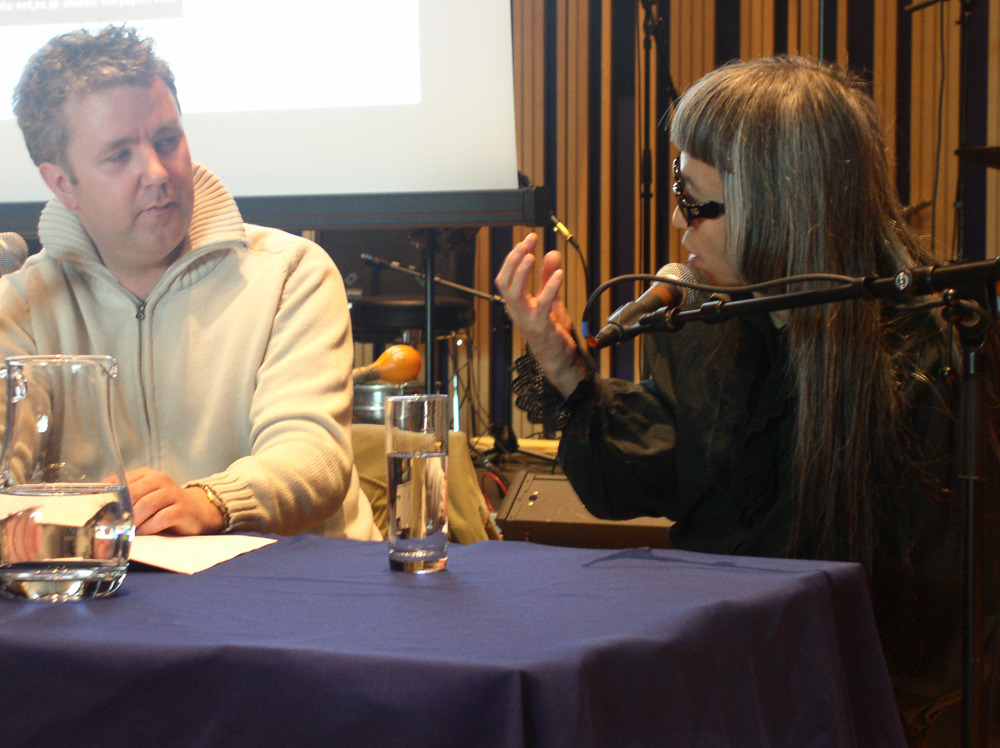
Journalist and underground music champion Alan Cummings talks to Keiji Haino about his career and his performance the previous evening.
A queer black operatic requiem for piano and voice that asks us to stay in the hold of the slave ship, that tries to understand the connection from the slave ship to the prison.
Performances at Anthology Film Archives NY by Jandek, Loren Mazzacane Connors & Alan Licht, and MV & EE.
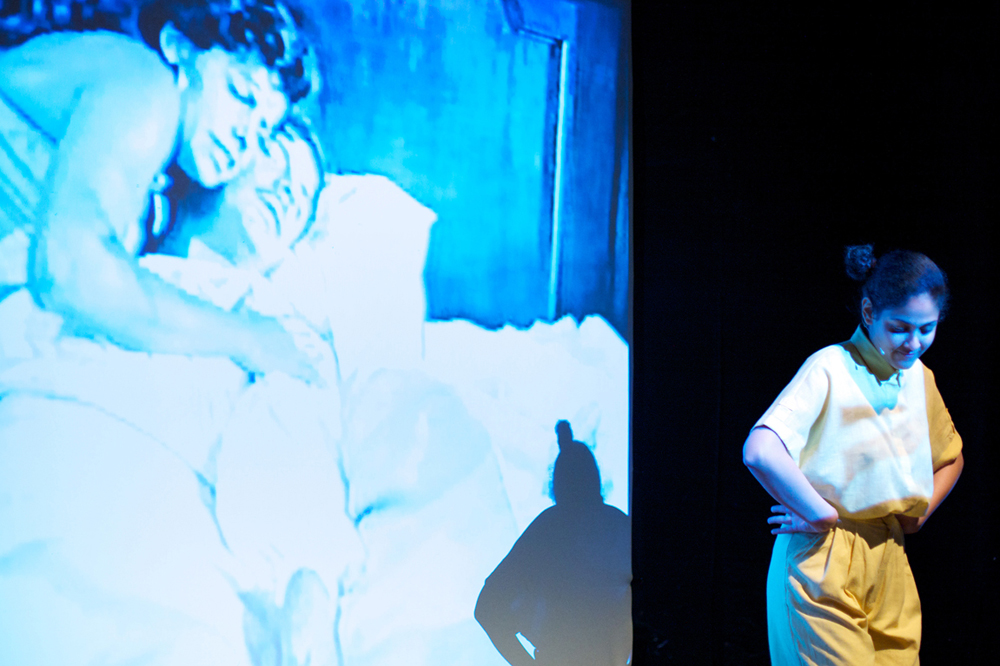
A performed film lecture exploring how the ‘Rumberas’ of Caribbean cinema of the 40’s and 50’s subverted demeaning images of themselves through dance, sound and a sociality that insisted on blackness as being a cultural performance, not simply due to skin colour.
One of the most compelling Indigenous voices of her generation discusses practices of Indigenous Resurgence drawn from Nishnaabeg poetic knowledge.