Kyoaku No Intention
Kyoaku No Intention
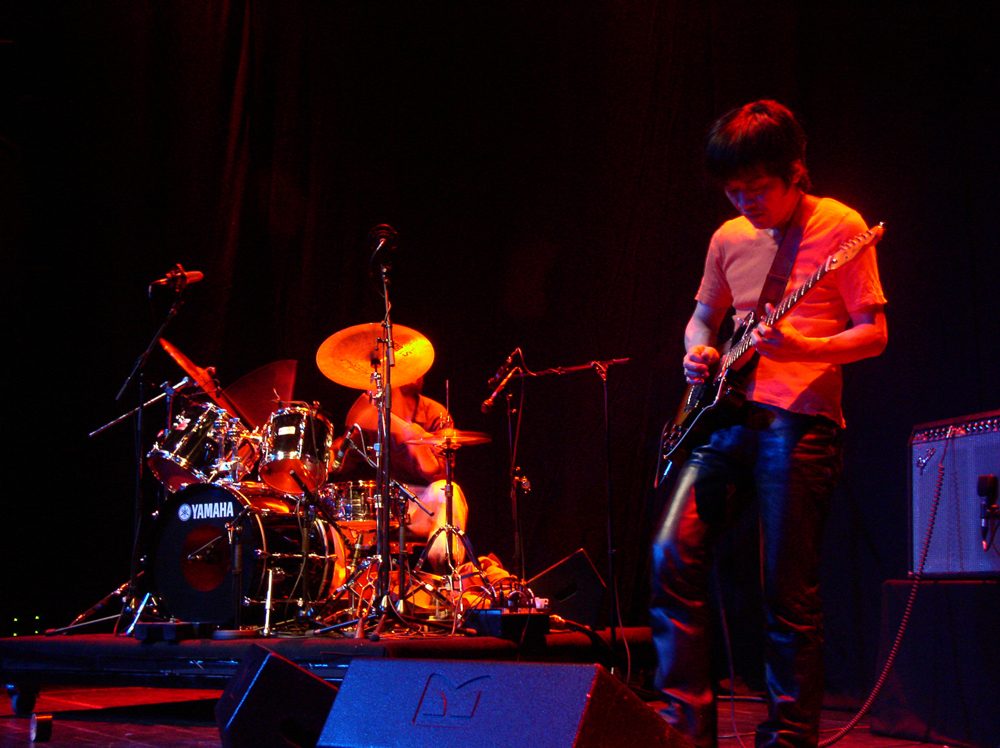
Munehiro Narita’s Kyoaku No Intention (Worst Intentions) fired out some of the most compelling no-wave improvised rock of the 80s.
Arika have been creating events since 2001. The Archive is space to share the documentation of our work, over 600 events from the past 20 years. Browse the archive by event, artists and collections, explore using theme pairs, or use the index for a comprehensive overview.
Munehiro Narita’s Kyoaku No Intention (Worst Intentions) fired out some of the most compelling no-wave improvised rock of the 80s.
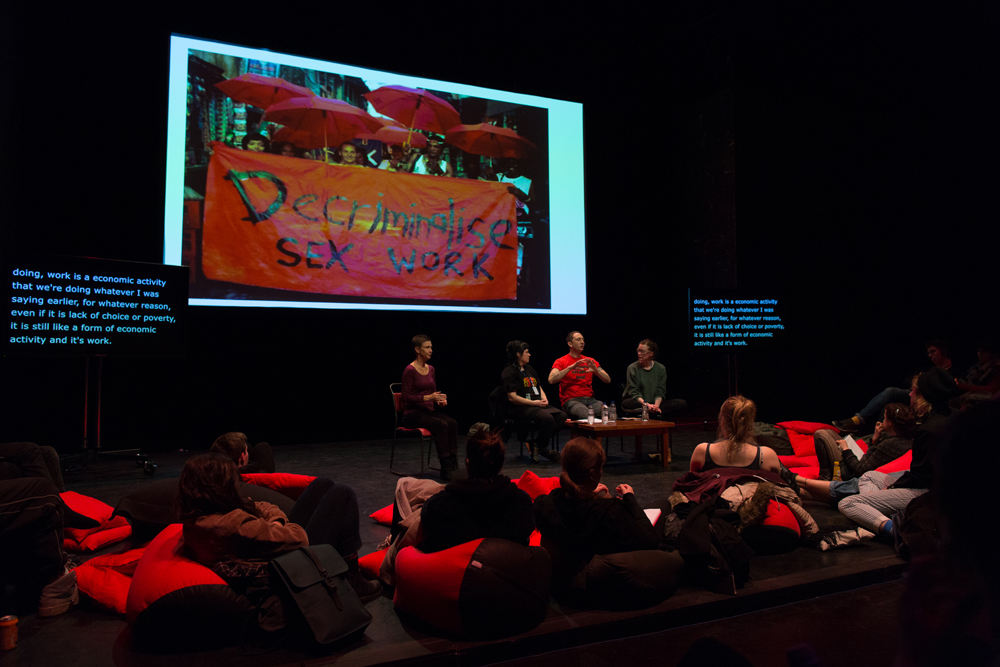
The struggle for sex workers’ rights and how we can understand it in the continuum of care work and other forms of invisibilised and precarious work.
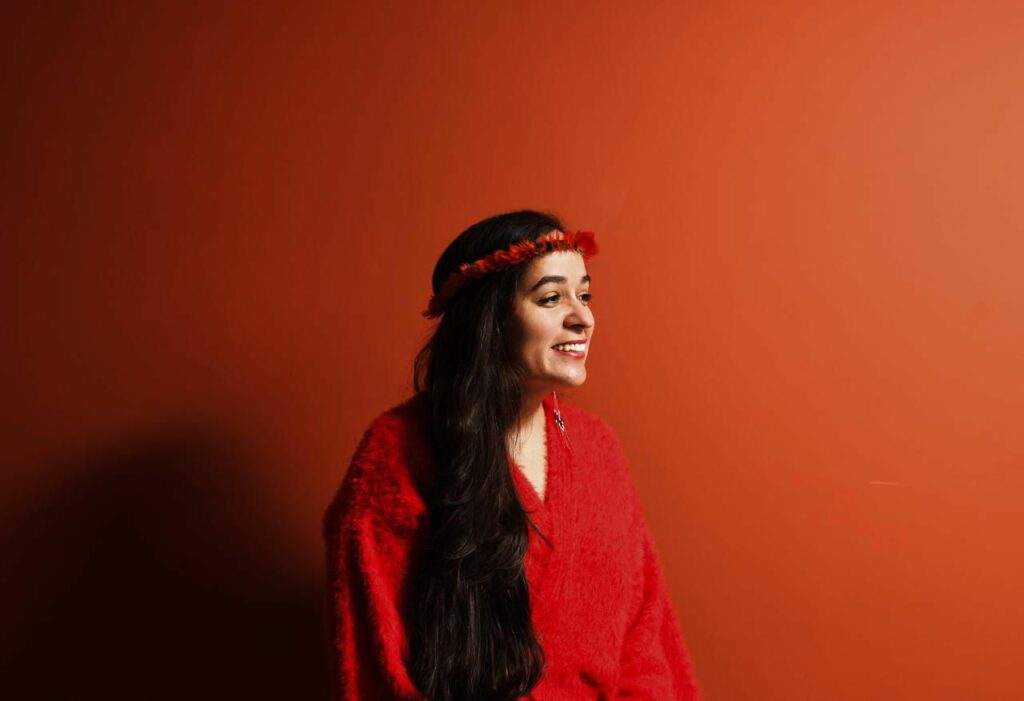
Thinking against the monoculturalism of Western thought—of faith, affection, sexuality and gender—which completely lacks any utility to, or descriptive value of Indigenous worldviews.
How does this practice, that simultaneously resists and honours the distinctions between these genres, materials and senses, determine the inhabitation of another: a convergence of aesthetic and social experimentation?
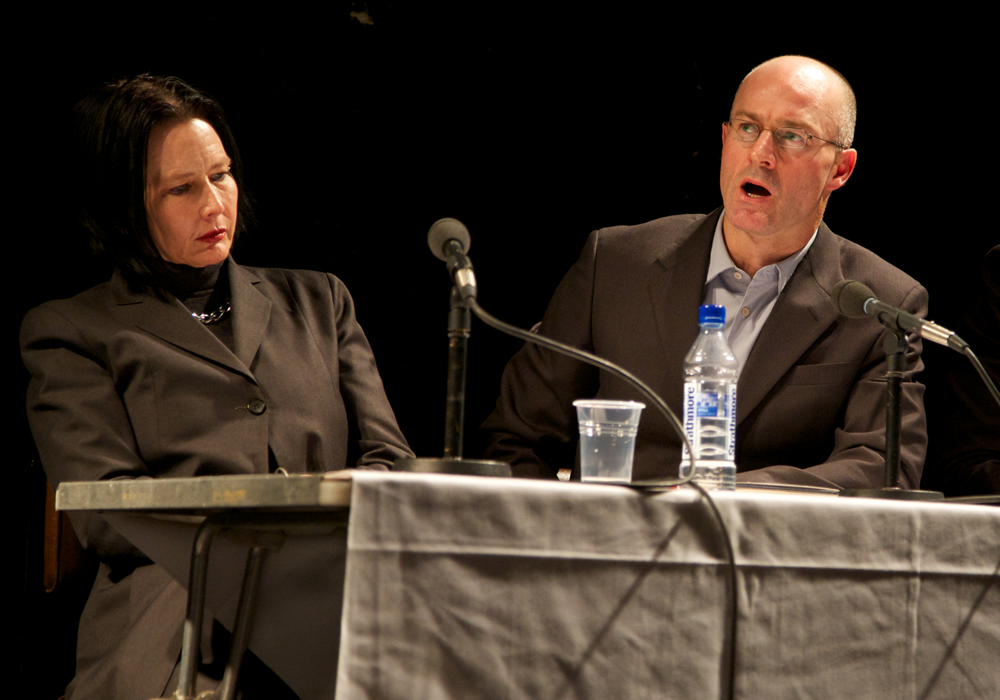
Conceptual writer and practicing lawyer Vanessa Place performs and talks with Mark Sanders, author of the brilliant “Complicities: The Intellectual and Apartheid”
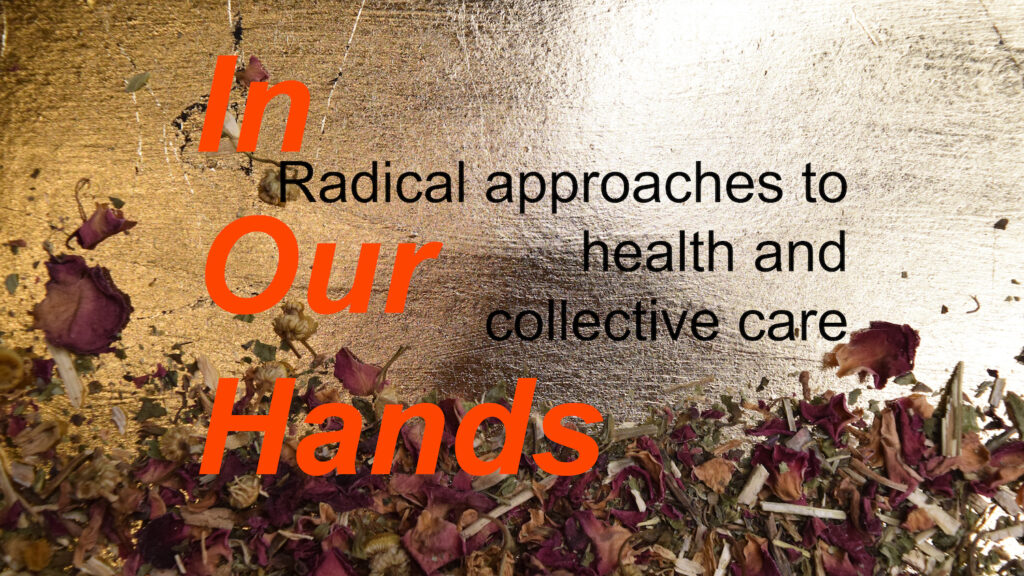
In Our Hands is a ten week programme of workshops facilitated by Lisa Fannen, Omikemi and Clay. The sessions explore radical approaches to health and collective care in the context of movement for liberation and social justice.
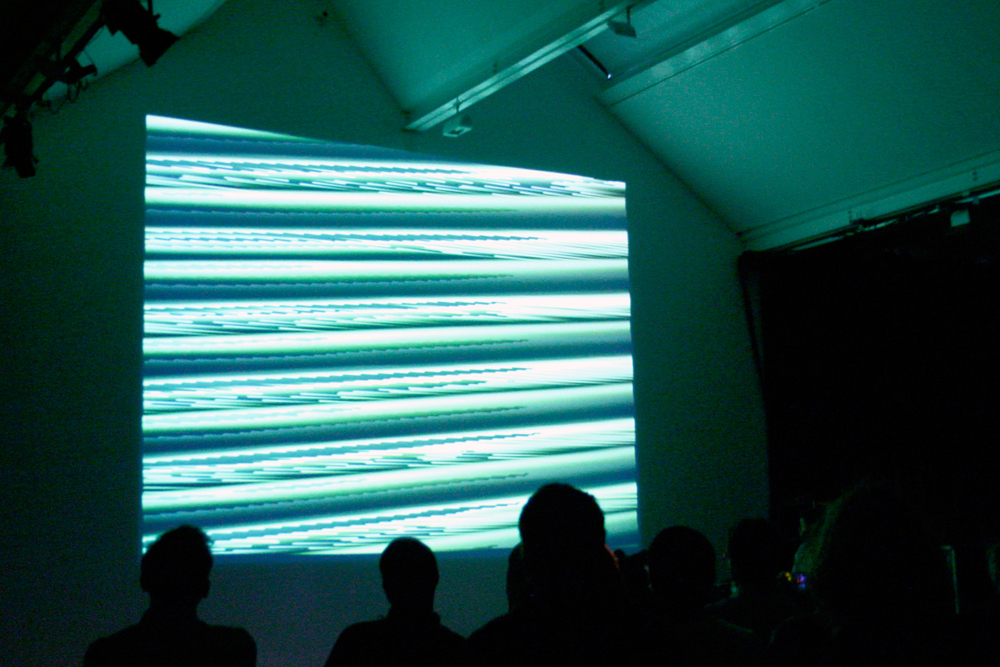
AVVA sees the internal feedback of Toshi’s no-input mixing desk is fed to Billy, and transformed into bright and variegated patters, striations and blooming colour, before being fed back to Toshi and manipulated on route to the PA.
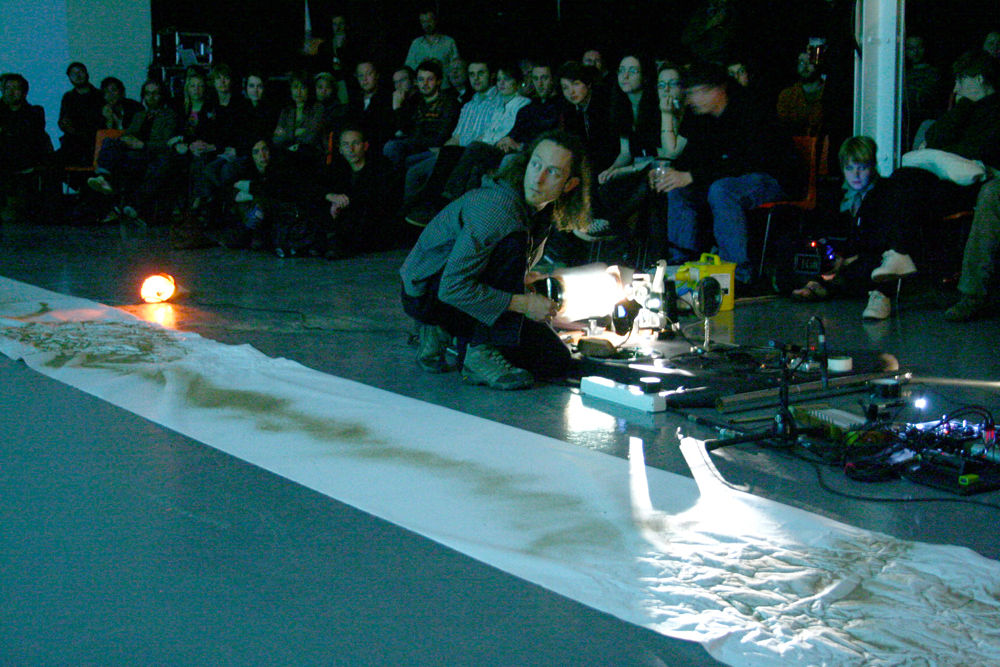
A system in which film is projected onto copper strips, captured again and then re-projected as video, somehow transforming the original imagery into molasses-slow, molten and incredibly tactile flickers of colour and light.
How do communities practice being one another’s means, addressing their material problems facing them replicating the state’s violent logic of who is disposable.
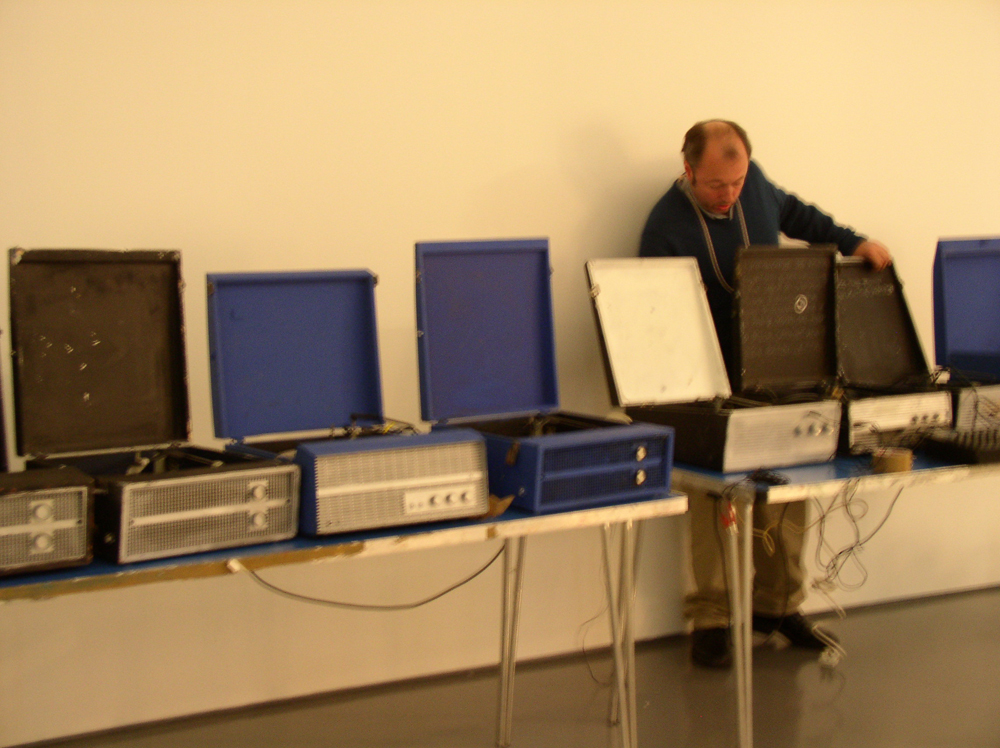
Equal parts spectacle, installation and performance, his set for us is a specially developed work, ‘turning’, which features an orchestra of multiple turntables, 4 projections and a collection of old, and, quite probably, misfiring analogue kit.
Location: between: the abandoned site of Parker House (ex-council office building) that became a student accommodation regeneration project, off the Dudhope roundabout; Bell Street Car Park entrance ramp and; the awkward (and otherwise used/ used otherwise) space left over between the back of Tesco’s and DW Sports on the Murraygate.
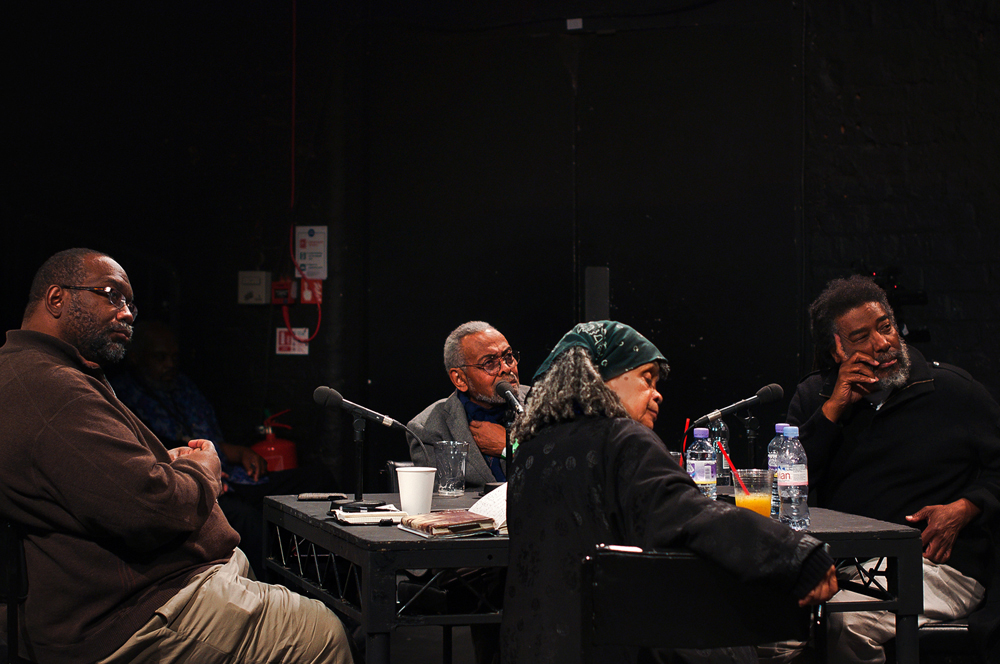
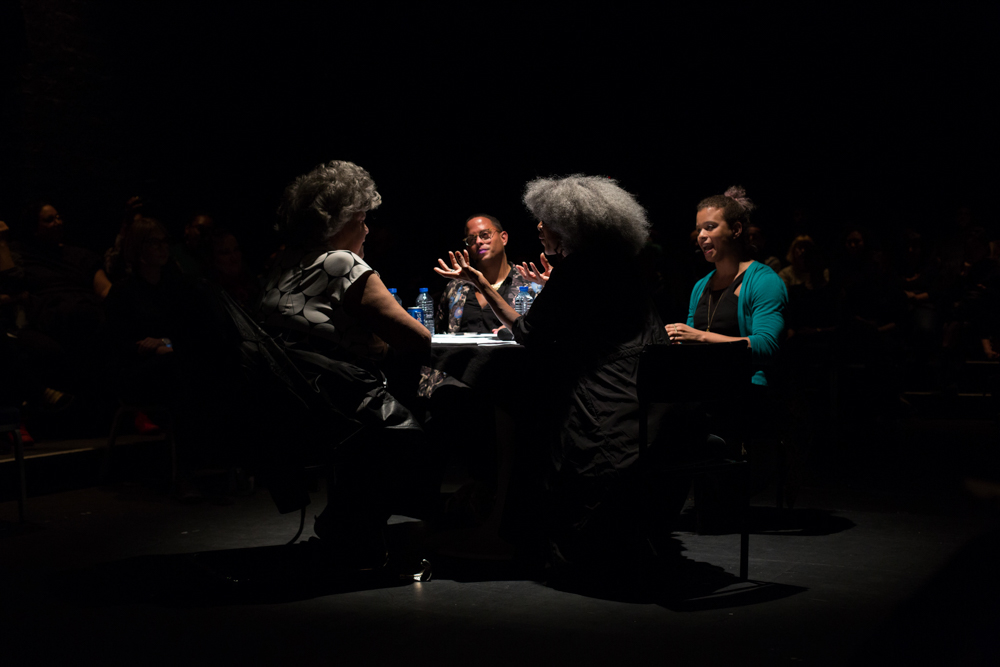
A panel exploring how to dismantle the master’s house — its material edifices and ideological architecture — and the construction of abolitionist futures in the present.