Against a monoculture of thought
Geni Núñez Amilcar Packer
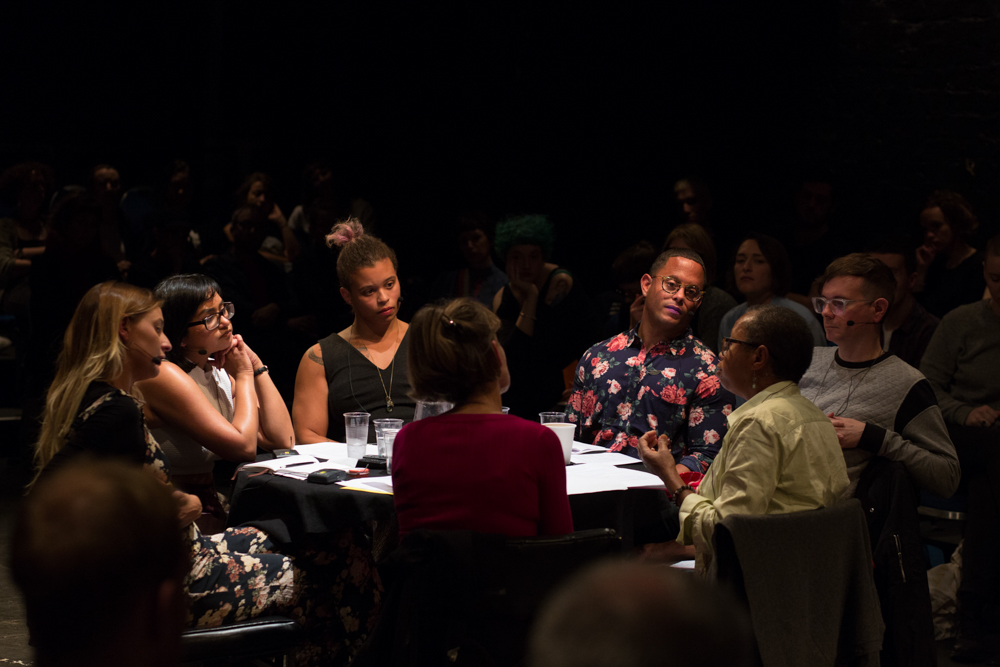
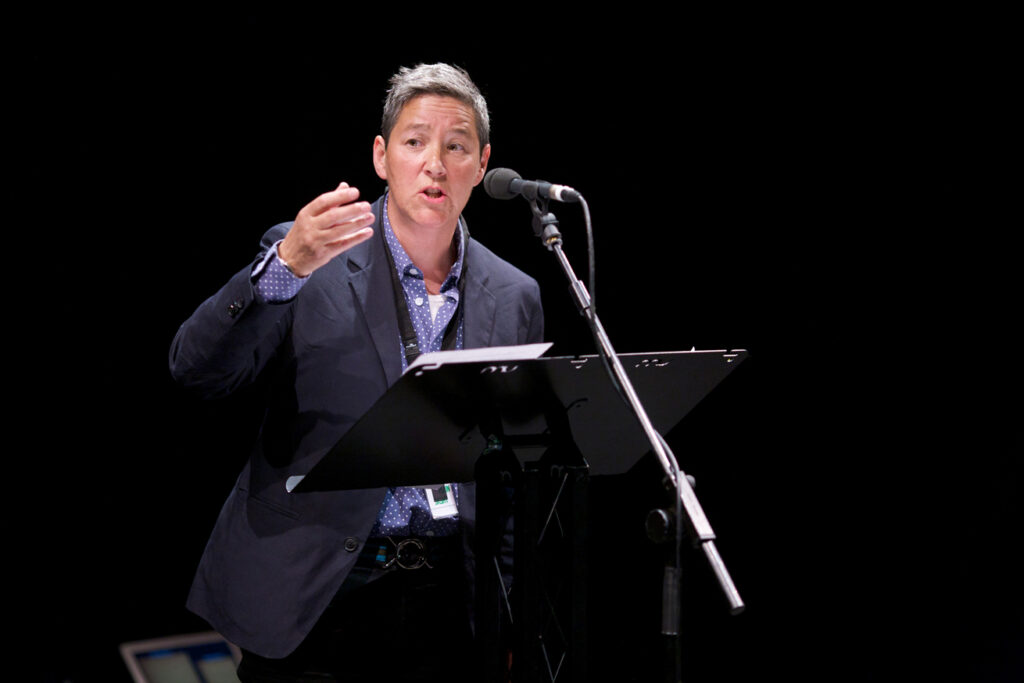
Thinking against the monoculturalism of Western thought—of faith, affection, sexuality and gender—which completely lacks any utility to, or descriptive value of Indigenous worldviews.
Arika have been creating events since 2001. The Archive is space to share the documentation of our work, over 600 events from the past 20 years. Browse the archive by event, artists and collections, explore using theme pairs, or use the index for a comprehensive overview.
Thinking against the monoculturalism of Western thought—of faith, affection, sexuality and gender—which completely lacks any utility to, or descriptive value of Indigenous worldviews.
What is happening when systems of repression try to grasp communities’ ways of being, living or surviving, applying laws of sexuality, gender or race to cast them as criminal?
Can we find ideas of queer anarchism, failure and low theory in popular culture?
Watching films and chatting with Karrabing members about those films: as they attend to the memory and practice of the ancestral present and the ancestral catastrophe that Karrabing and their more-than-human world find themselves facing.
Bleu Shut reveals, and allows us to enjoy, our gullibility within the pervasive absurdity of modern life.
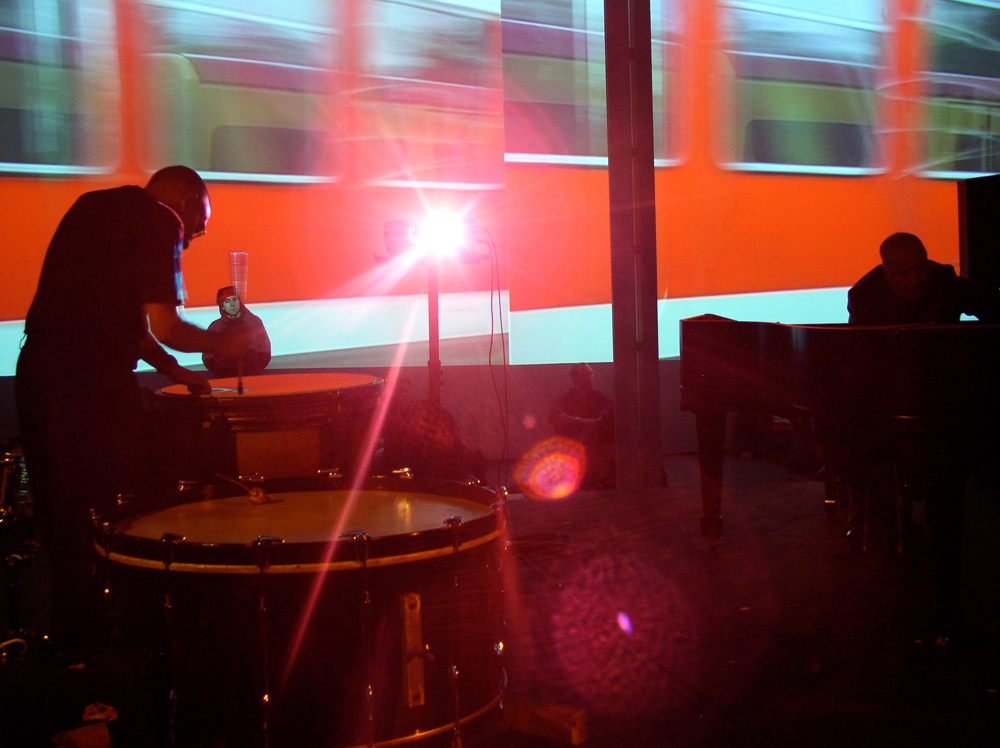
Three intense solo performances for drums (both played and screamed through), cymbal, voice, credit card, bird whistle, and guitar amplifier/leads.
A Feral Choir of people who’ve never improvised with their voices before, conducted by improviser yodeller, composer Phil Minton.
Exploring the interplay between punk sinewave aggression, high-speed video sequences and stroboscopic lighting
One of the most influential groups in improvised music, with the collective understanding that comes from listening keenly to each other for decades
GIO’s bottomless throat, Blood Stereo’s slobber gobbler and the Mouth Of The South tangle tonsils over Steve McCaffrey’s Carnival
Work that focuses in on the static hiss and background noise of recording and pushes it to the fore.
Recently rediscovered but still very pertinent, Kino Beleške presents a series of speech acts and performative gestures by protagonists of the new artistic practice in former Yugoslavia: each a personal take on the role of art in society.