Taku Unami
Taku Unami
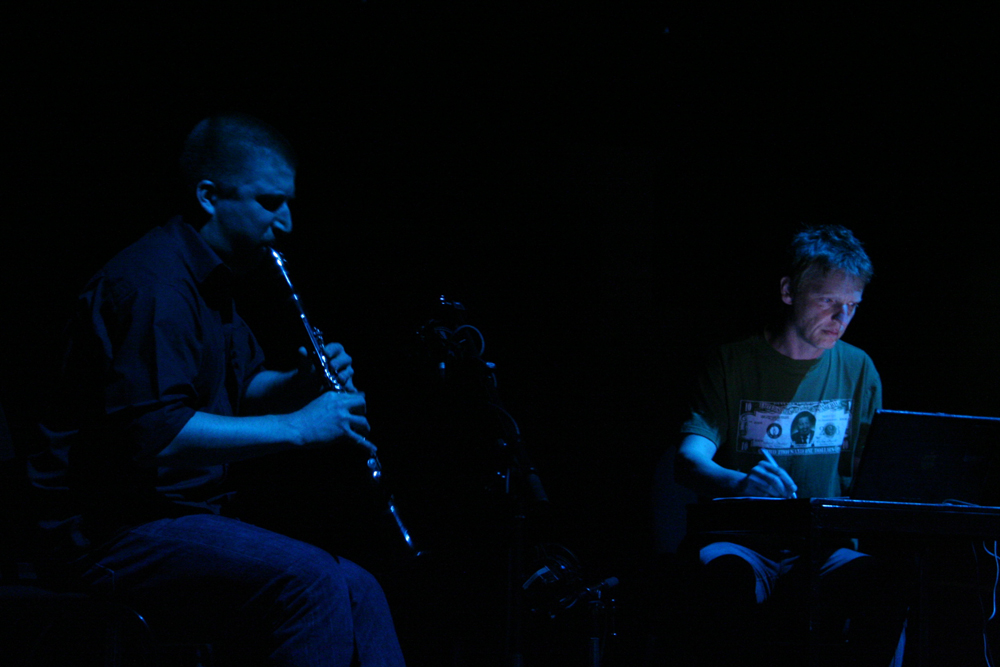
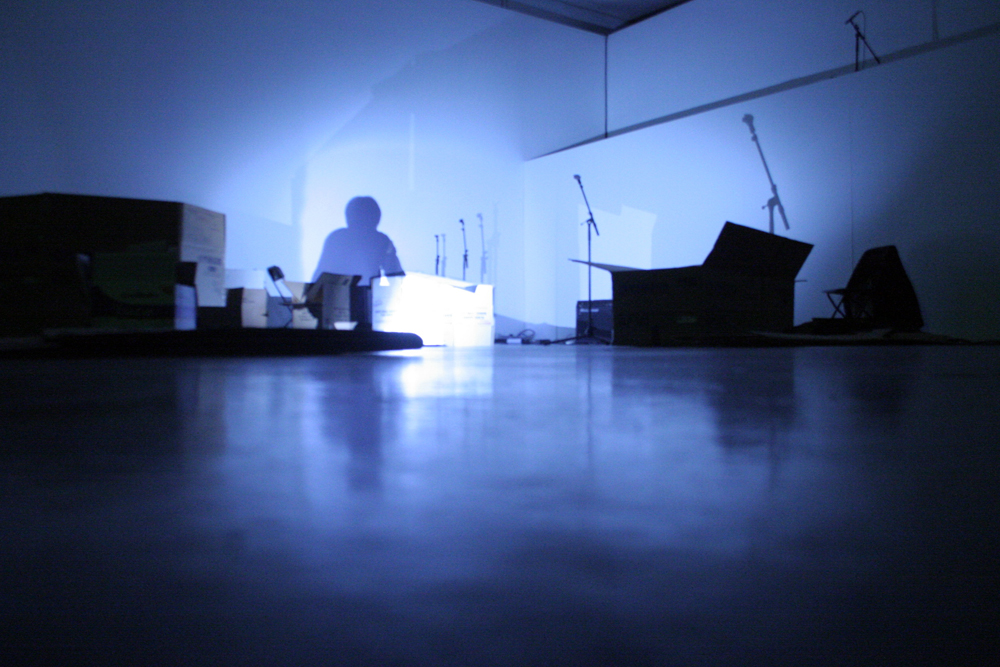
Taku’s actions strip back musical performance to one of its original proposals: what is an action and how does it create a situation for spending time together, for paying attention?
Arika have been creating events since 2001. The Archive is space to share the documentation of our work, over 600 events from the past 20 years. Browse the archive by event, artists and collections, explore using theme pairs, or use the index for a comprehensive overview.
Taku’s actions strip back musical performance to one of its original proposals: what is an action and how does it create a situation for spending time together, for paying attention?
A film installation as both allegory and investigation of The Rockridge Institute and their research into ‘framing’ and the use of metaphor within political discourse.
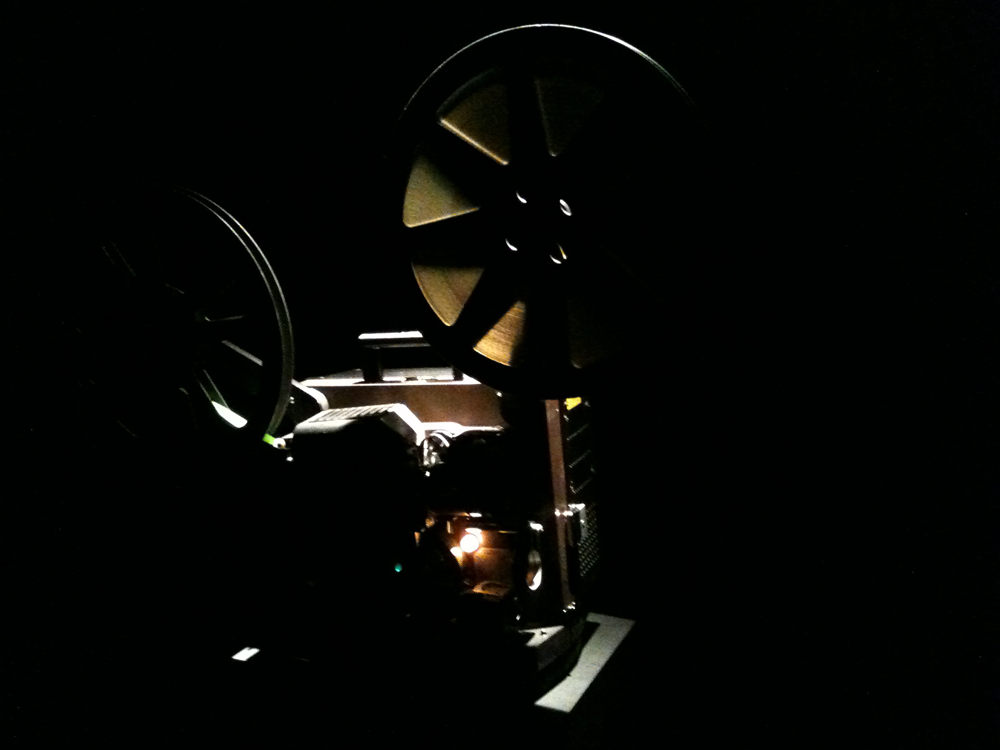
Noise music for the eyes: projectors turned into instruments, B&W film loops into a thrumming riot of colour, motion and sound.
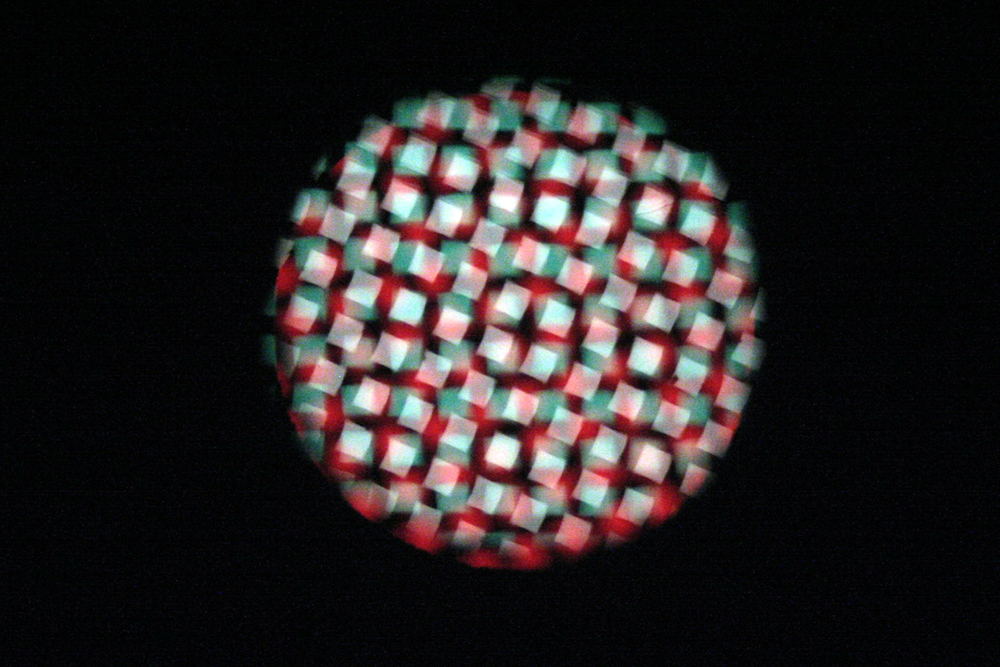
Ken presents his Nervous Magic Lantern, wherein film itself is forsaken for an investigation of hypnotic and trancelike crystaline forms. Eric La Casa works with recordings of everyday occurrences: the background hum of place.
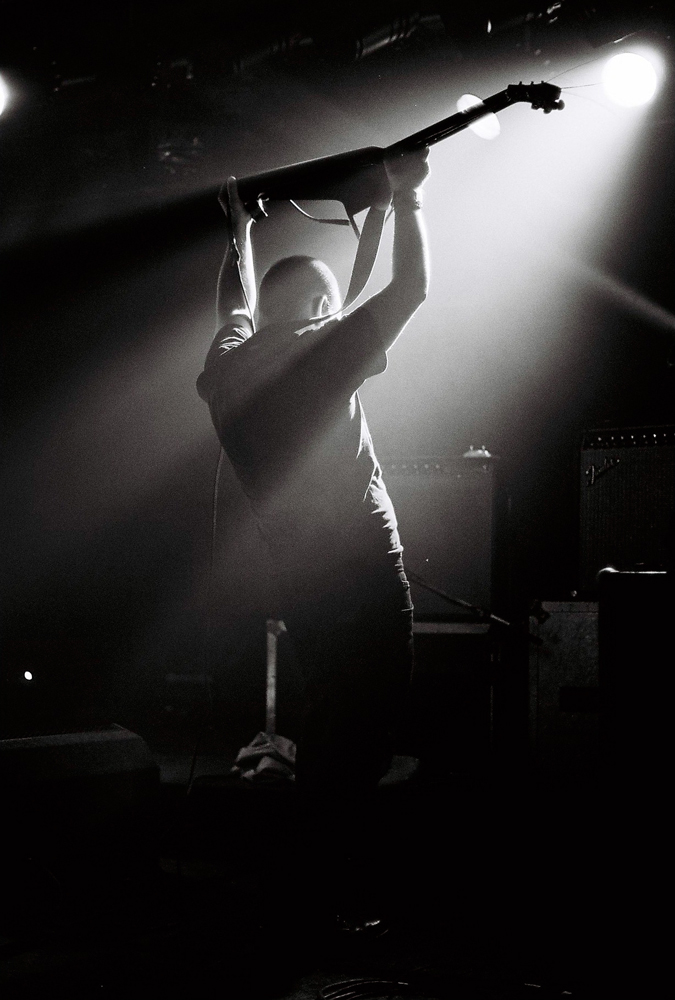
Black Boned Angel’s is a rock sound, stripped of all extraneous detail right down to its core, stretched out and nailed to the ceiling.
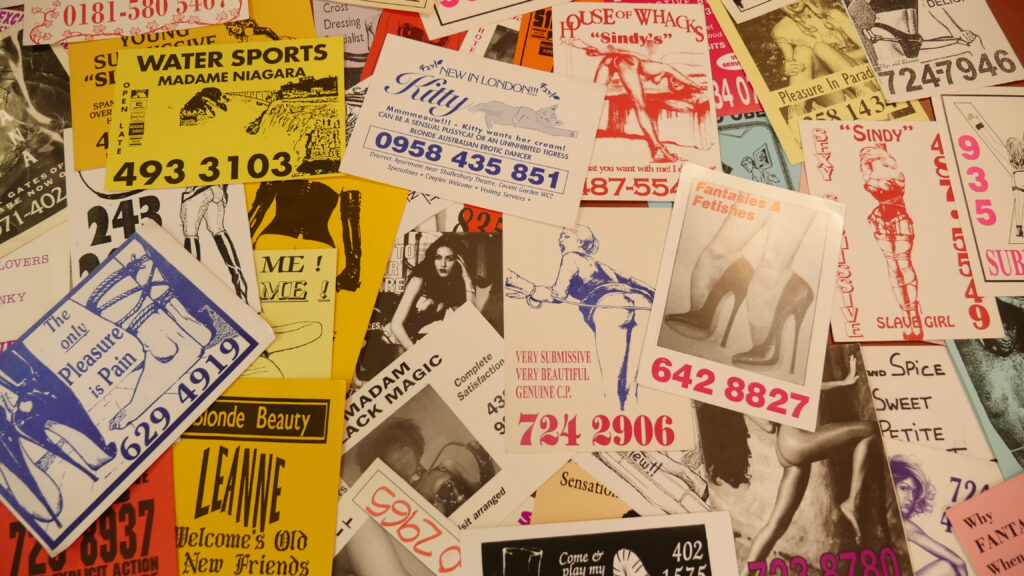
Sex worker only Collective Art Workshop led by the Hard Labour project from Scotland for Decrim.
Los Glissandinos work with clarinet and sine tones beating and thrumming in your middle ear, all beautifully paced and serene, but with just enough steely menace broiling under the surface to keep you on edge.
Voguing, drag, clubbing, and the politics of communities making different performances of gender and sexuality visible.
Trans-temporal drag, sexuality and the re-staging of illegible moments in history.
Temporary Outpost for an Auditory Gesture is a kind of performed installation that explores how sonic phenomena (like feedback, vibration, resonance, echo, rhythm) condition our experience.
Each of these films addresses place, landscape or location and the personal reaction to their magical or concrete properties. Watch out for Kren’s structural, throbbing investigation of a forest and Baillie’s intimate and humble essay on a blind guitarist and the relationship between songs of Mexican revolutionaries and the people and places they looked to inspire.
How does this practice, that simultaneously resists and honours the distinctions between these genres, materials and senses, determine the inhabitation of another: a convergence of aesthetic and social experimentation?