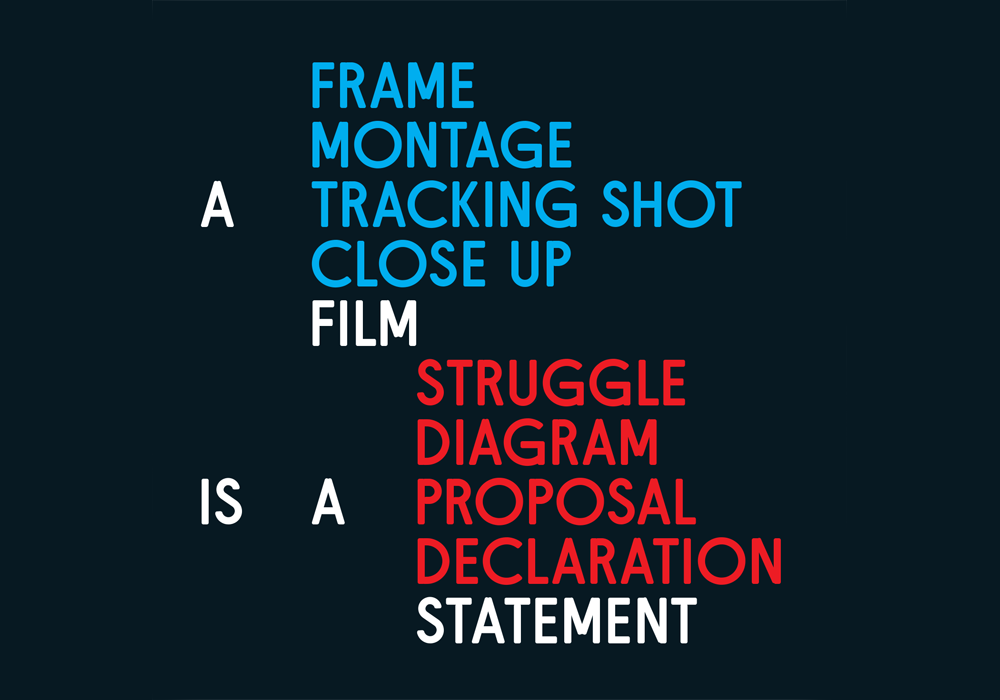
Episode 1: A Film is a Statement
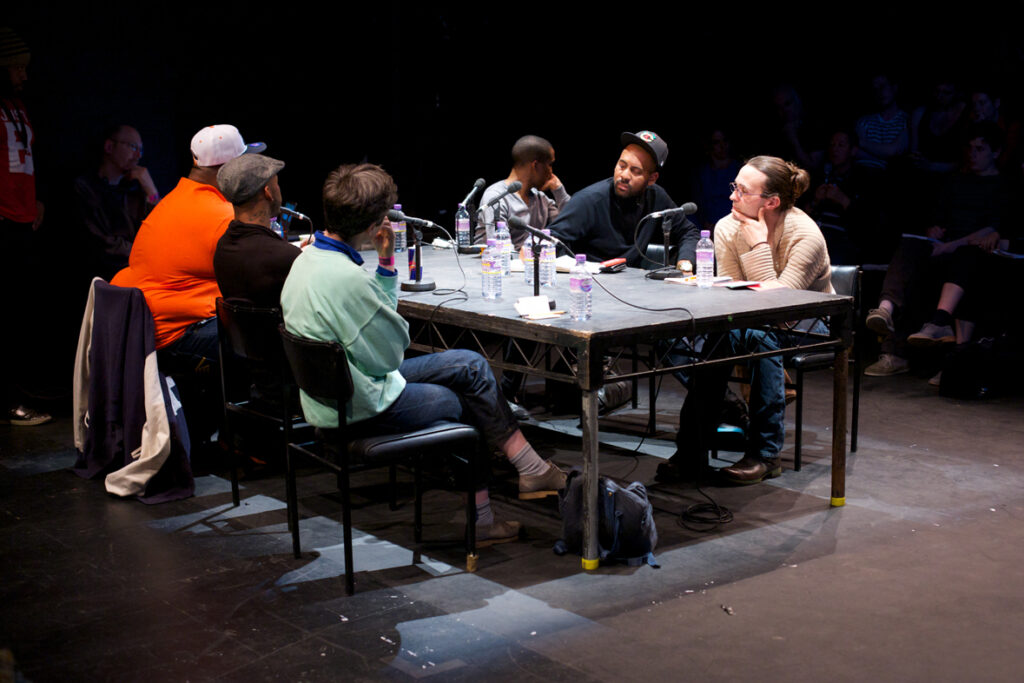
Every aspect of every film is always about more than just film. Or, as Godard said: a tracking shot is a moral issue. A cross between a festival, magazine and discussion about experimental artists’ films.
Arika have been creating events since 2001. The Archive is space to share the documentation of our work, over 600 events from the past 20 years. Browse the archive by event, artists and collections, explore using theme pairs, or use the index for a comprehensive overview.
Every aspect of every film is always about more than just film. Or, as Godard said: a tracking shot is a moral issue. A cross between a festival, magazine and discussion about experimental artists’ films.
Taking The Futurist Cinema’ manifesto and turning it into software to track ‘aluminium’ online, tracing relationships companies with interests in aluminum had to each other and other agencies.
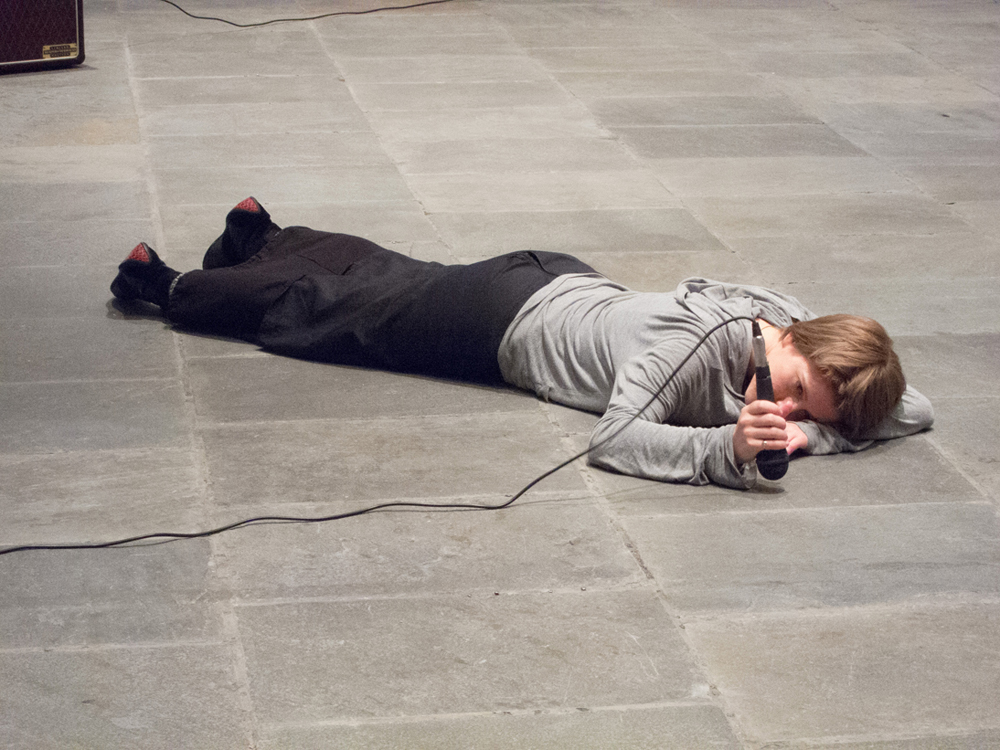
Sound as it is endured by space and the body: 15 participants lie face down and pound the floor with a microphone one thousand times, each person choosing their own rhythm and intensity.
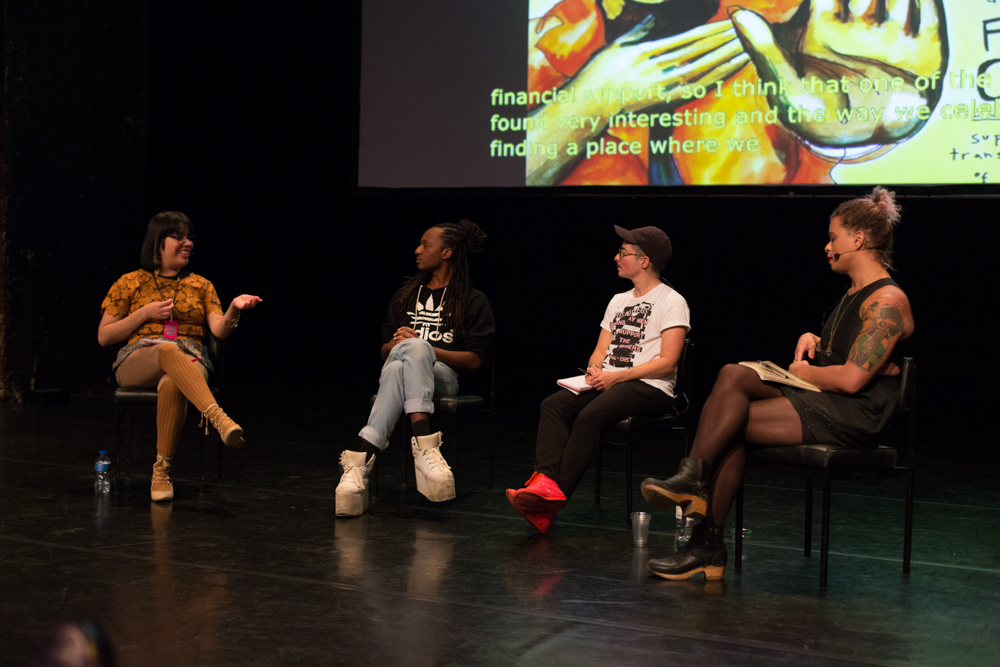
Is there a link between the ways we’re caged and exiled by the prison-industrial complex and the ways people’s bodies are violently categorised and segregated by race, class, gender or ability?
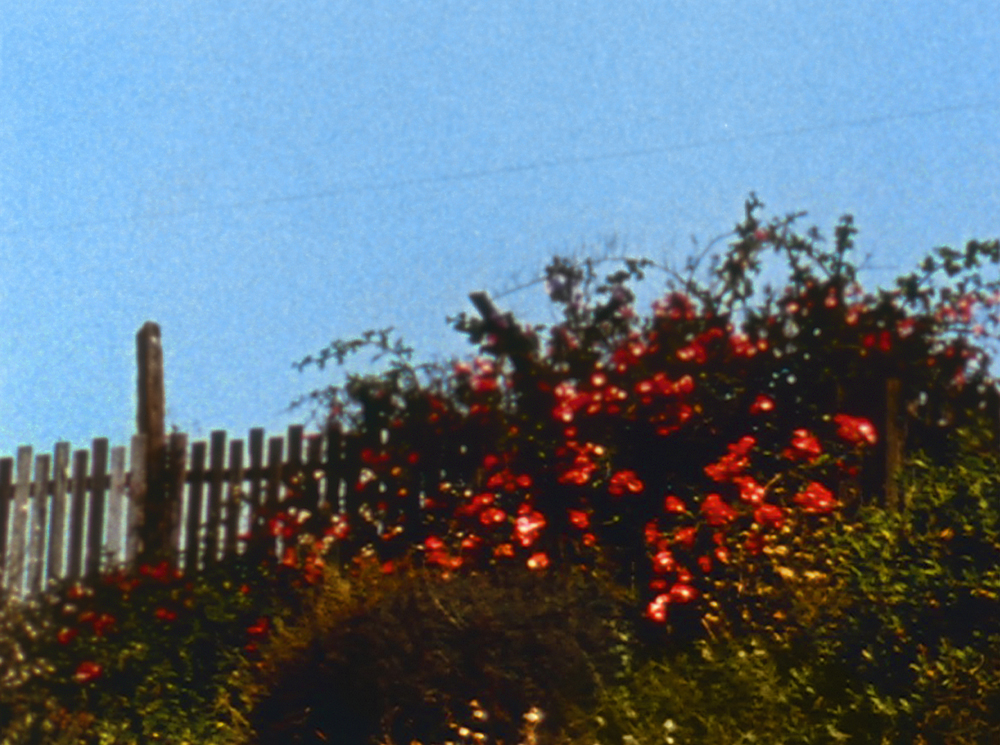
Each of these films addresses place, landscape or location and the personal reaction to their magical or concrete properties. Watch out for Kren’s structural, throbbing investigation of a forest and Baillie’s intimate and humble essay on a blind guitarist and the relationship between songs of Mexican revolutionaries and the people and places they looked to inspire.
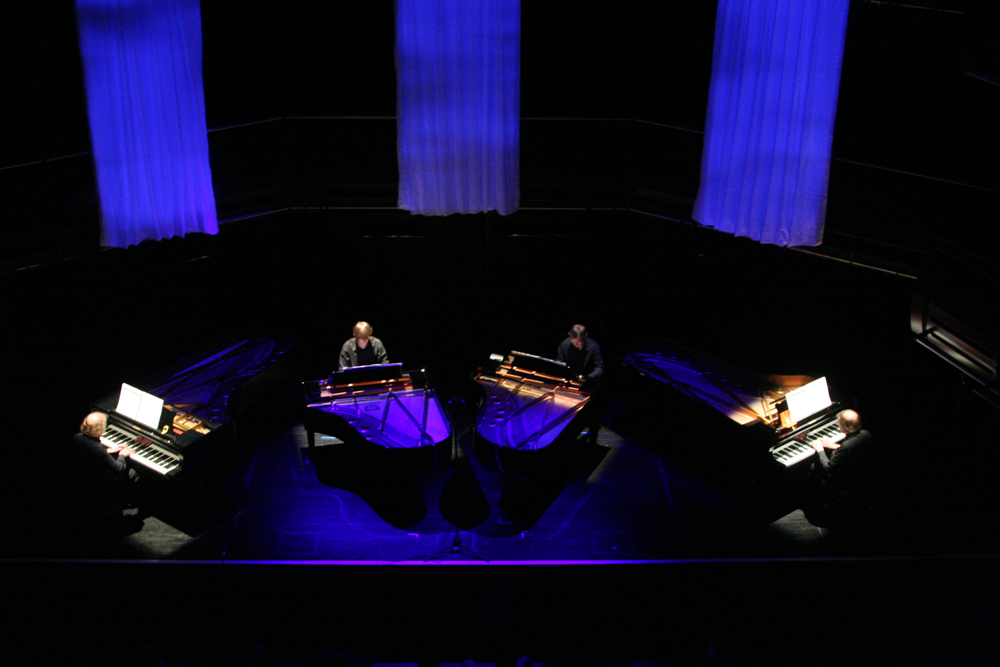
Julius Eastman’s Evil Nigger for 4 pianos performed by Joe Kubera, Kate Thompson, David Murray, Alan Fearon and Simon Passmore.
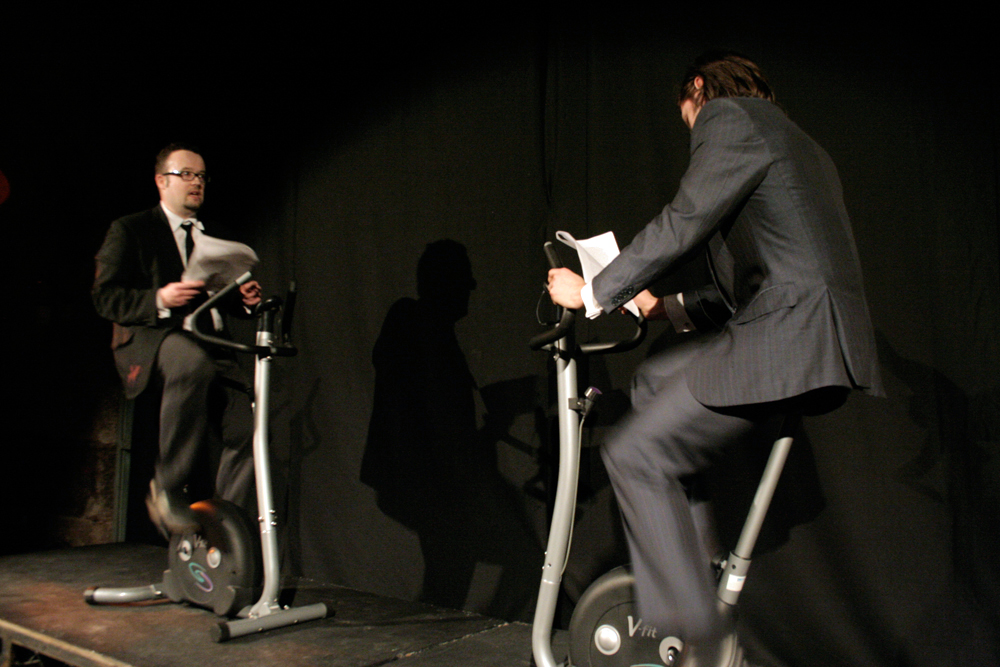
Simon Morris is joined by Nick Thurston as they attempt to read aloud whilst peddling on exercise bikes.
Criminal Queers visualises a radical trans/queer struggle against the prison industrial complex, working to abolish the multiple ways our hearts, genders, and desires are confined.
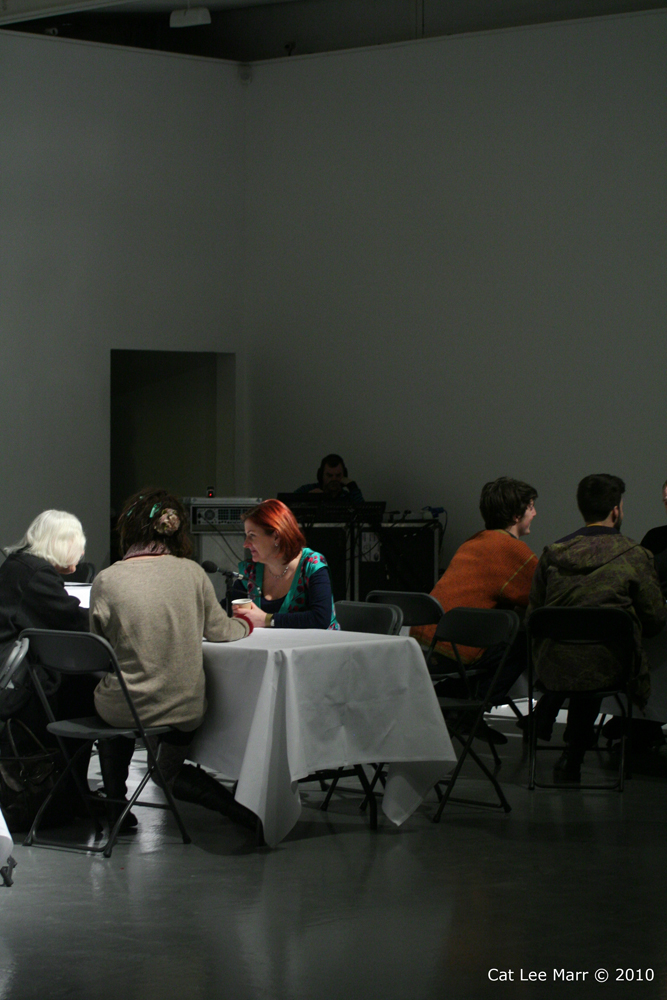
A changing pool of people (40 or so at a time – artists, audiences, etc) talk for 90 minutes in a simultaneous series of open-ended round-table discussions, structured like speed dating, and mixed live as both a concert and for radio broadcast.
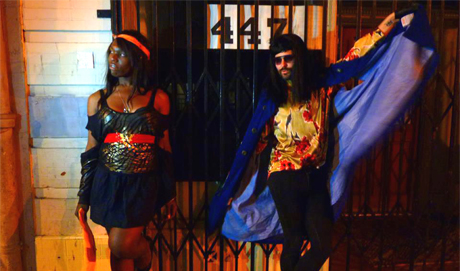
A historical narrative of the black and latino/a transgender, bisexual, lesbian, and gay House and Ballroom Scene in relation to its artistic practices.
Killer of Sheep is an undisputed masterpiece of African-American filmmaking and one of the most poetic, perceptive dramas ever made about family and community.
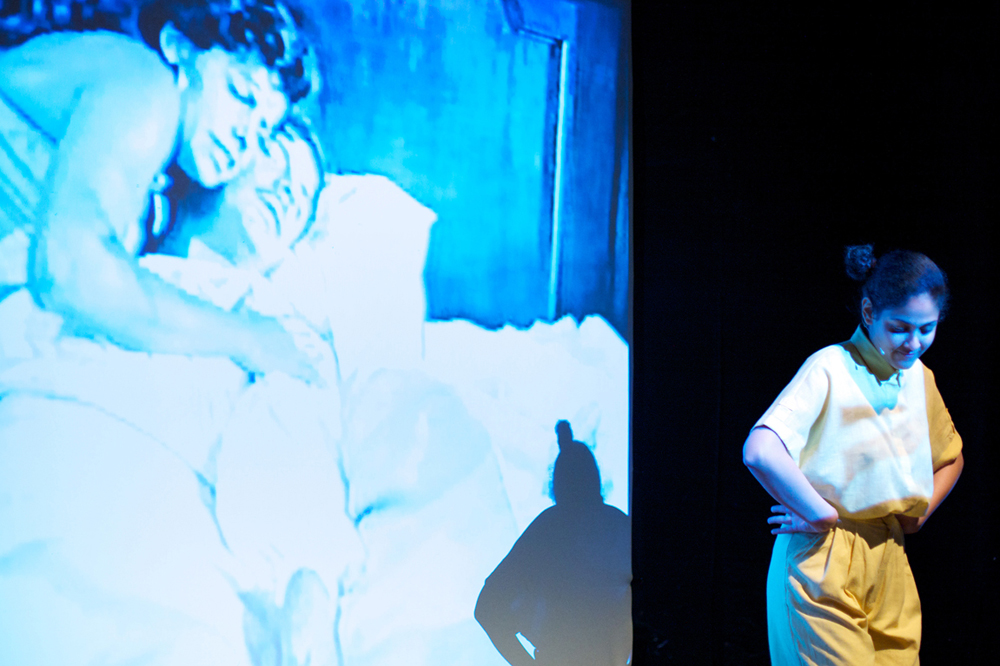
A performed film lecture exploring how the ‘Rumberas’ of Caribbean cinema of the 40’s and 50’s subverted demeaning images of themselves through dance, sound and a sociality that insisted on blackness as being a cultural performance, not simply due to skin colour.