Kyoaku No Intention
Kyoaku No Intention
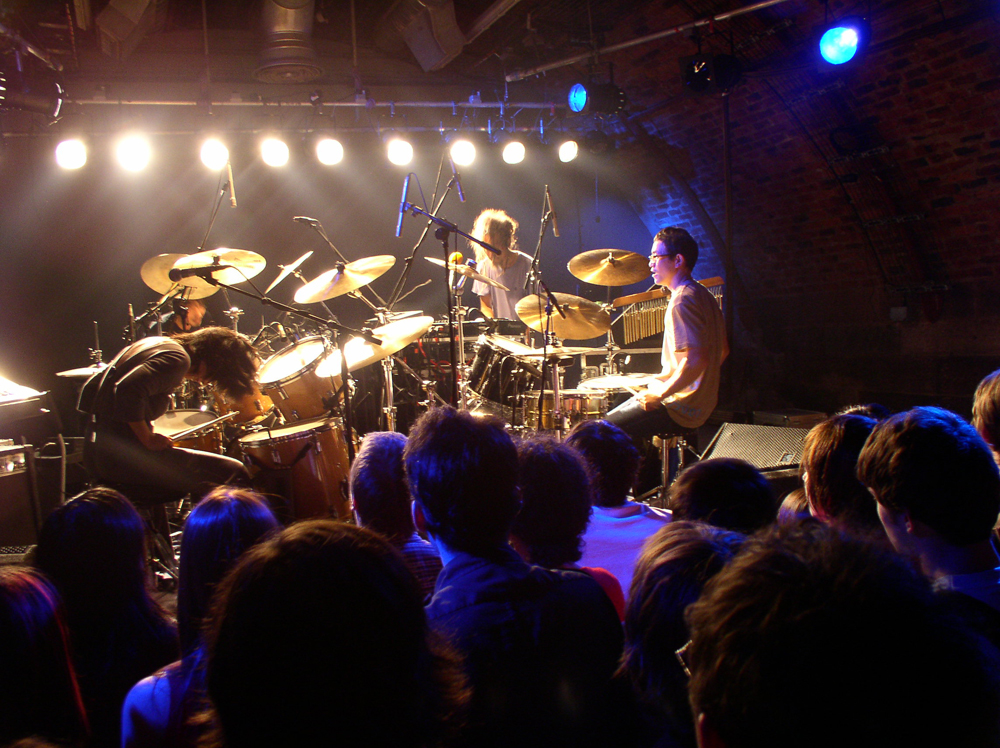
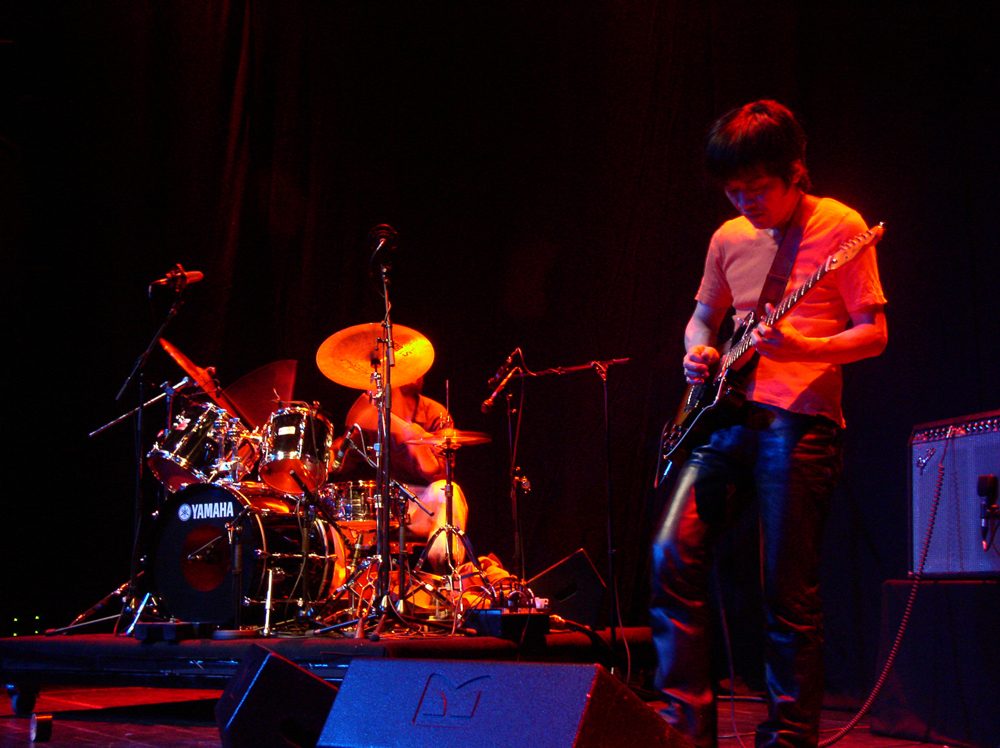
Munehiro Narita’s Kyoaku No Intention (Worst Intentions) fired out some of the most compelling no-wave improvised rock of the 80s.
Arika have been creating events since 2001. The Archive is space to share the documentation of our work, over 600 events from the past 20 years. Browse the archive by event, artists and collections, explore using theme pairs, or use the index for a comprehensive overview.
Munehiro Narita’s Kyoaku No Intention (Worst Intentions) fired out some of the most compelling no-wave improvised rock of the 80s.
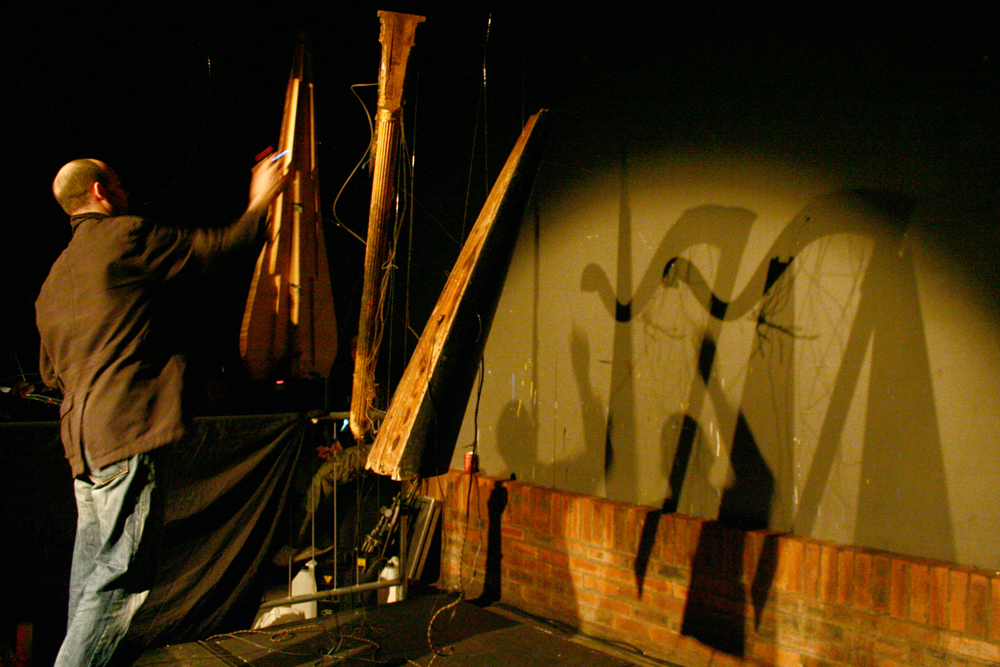
Rhodri Davies plays two deconstructed harps. Lee Patterson examines the sonic properties of burning nuts.
What’s the relationship between the eternal hum of the oceanic beloved and the persistence of vorticity in fluid dynamics? And how does Alice Coltrane’s harp help us stay there?
Four intimate 45 minute sessions, readings of your political questions – using Tarot, Palmistry, Reiki, Astrology, and Philosophy, and the invented methods of Fake and Political Therapy.
Rare UK performance by legendary Japanese post punk group during their 4 drummers + synth / vocals phase.
A life force of ecstatic clarity capable of loquacious bursts of affirmation.
Arika is proud to be one of several arts organisations in Scotland supporting the commissioning of a radical new manifesto, by and for disabled artists working in Scotland.
A multi-media harp and spoken word tribute to the incalculable, the in-deducible, the suspicious static noise that accompanies the voice of truth, and the attempted aberrations in the domain of emergence.
One of the great experimental films. A 60 minute, three part riddle that maybe approximates our intellectual development by moving from imageless words to the recognition of silent images and the learning of simple tasks and finally a serenity and acceptance of death.
Ian and Gil will host a discussion on the Argument project’s social and political commentaries, and with you try and maybe think through whether and how they might still have some currency today: what’s changed and what’s stayed the same?
When one calls a strike, who hears the call, who attunes and listens to it? How to listen to the call of a strike? What prevents one from hearing this call or stops one from listening to it?
A meditation on how all of us perform — sometimes reinforcing, sometimes subverting — the shifting categories of gender, sexuality and race.