Why improvised music is so boring
Diego Chamy Jean-Luc Guionnet Seijiro Murayama
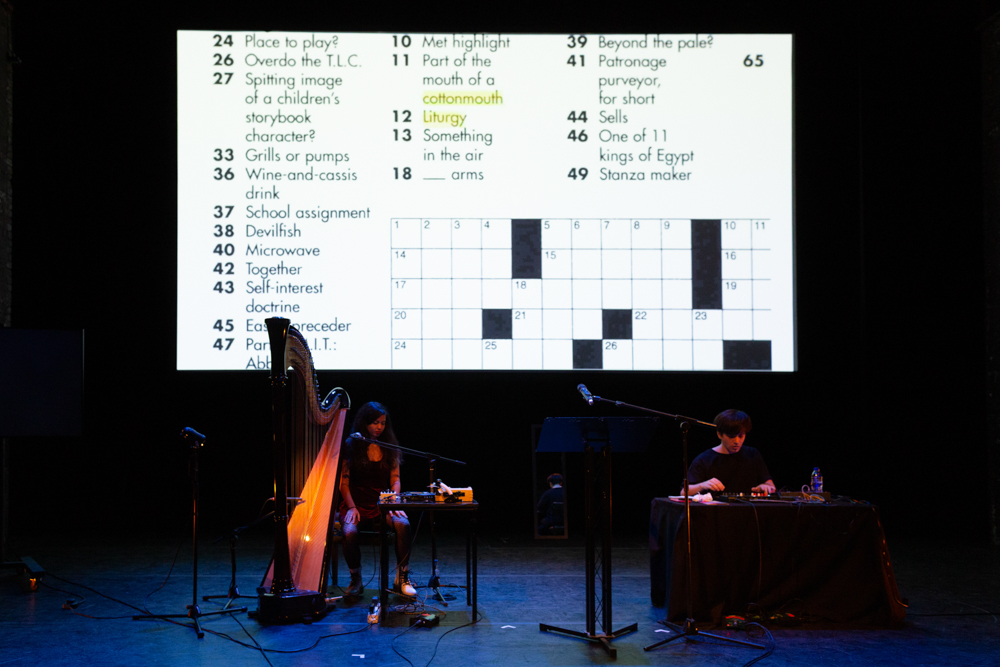
An improvisation that may or may not involve (typical) improvisation.
Arika have been creating events since 2001. The Archive is space to share the documentation of our work, over 600 events from the past 20 years. Browse the archive by event, artists and collections, explore using theme pairs, or use the index for a comprehensive overview.
An improvisation that may or may not involve (typical) improvisation.
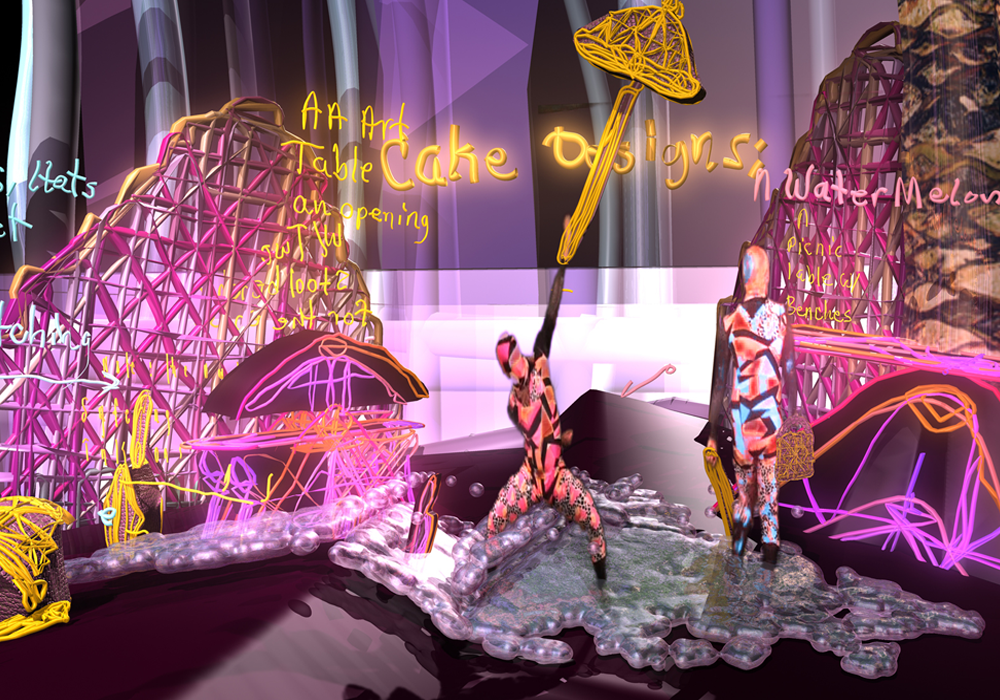
Emotional fantasies, towers of cakes, identity troubles, collapsed distance and time and Samuel R. Delany’s rarely seen 1971 film The Orchid.
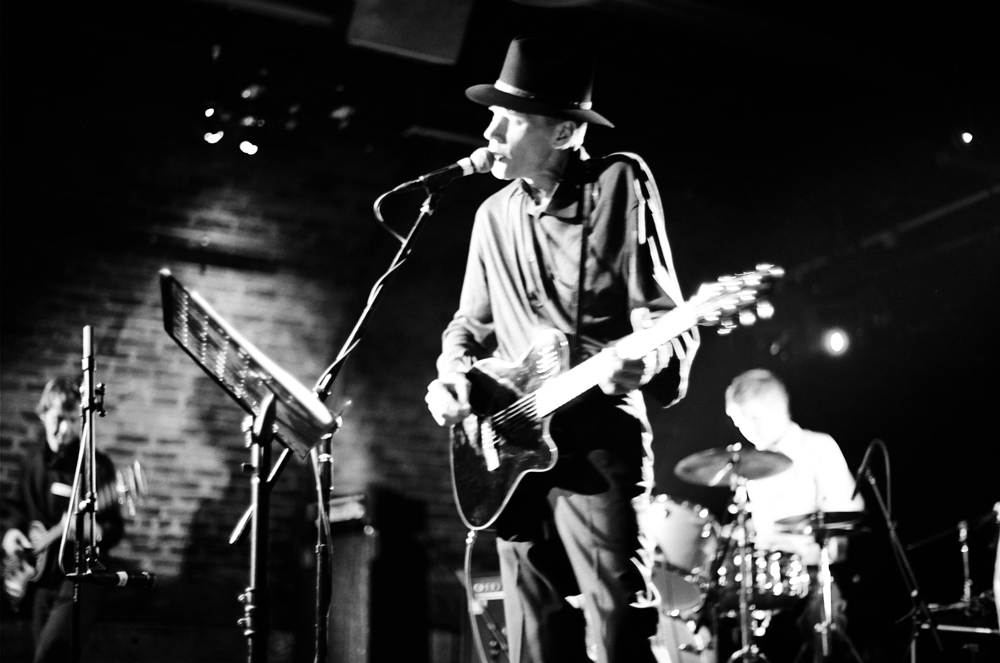
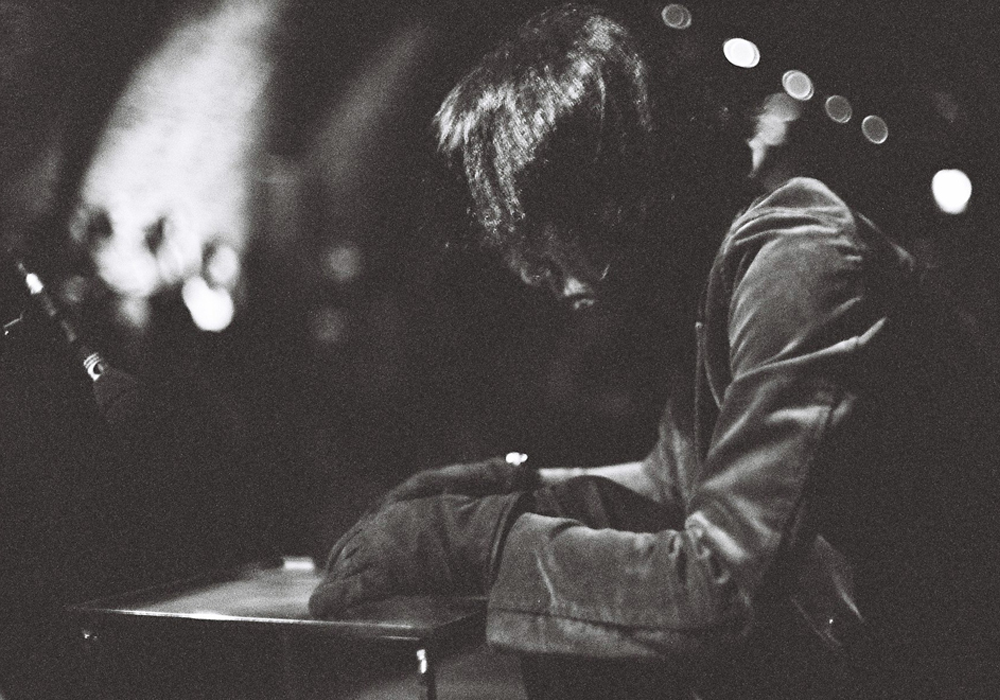
Jandek’s first ever live performance. Unannounced, the performance was a total surprise for everybody at the festival.
Deliberately blurred drones, absent of definite structure or rhythm, framed in silence and devoid of any distraction from the pure matter of sound.
Location: Around and about the old public library in Easterhouse; disinvested in and left to rot by the council but which was shamelessly, hastily and superficially cleaned by them in expectation of our event.
How does this practice, that simultaneously resists and honours the distinctions between these genres, materials and senses, determine the inhabitation of another: a convergence of aesthetic and social experimentation?
Ken presents his Nervous Magic Lantern, wherein film itself is forsaken for an investigation of hypnotic and trancelike crystaline forms. Eric La Casa works with recordings of everyday occurrences: the background hum of place.
A performance for dry ice and four specially constructed steel tables, each one heated by a single candle until searingly hot.
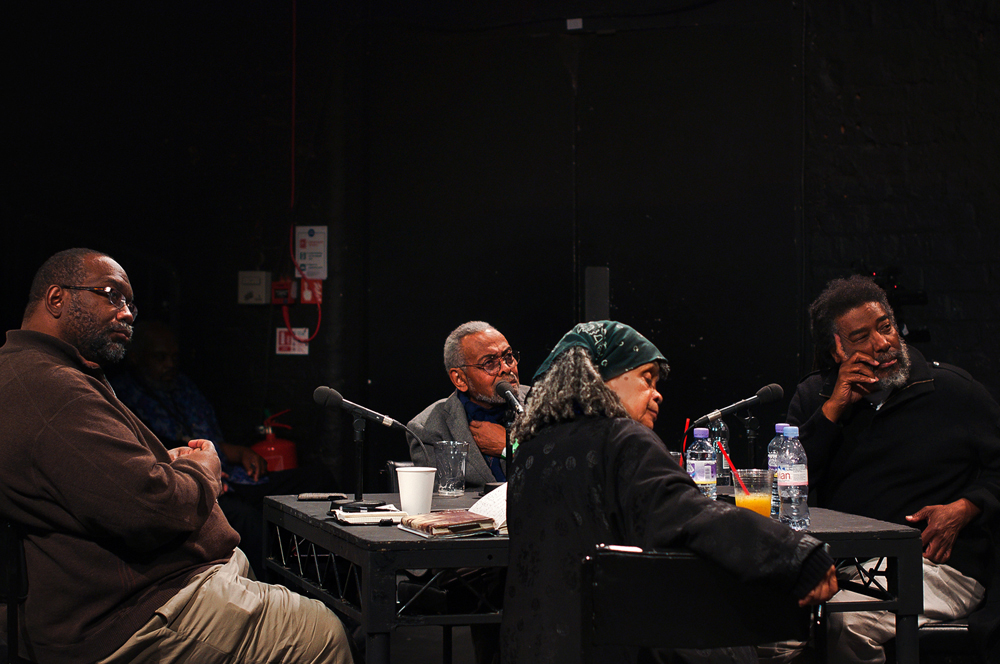
Discussion with David Keenan: an author, critic and musician based in Glasgow, Scotland. He is best known for the reviews and features he has contributed to The Wire.
Criminal Queers visualises a radical trans/queer struggle against the prison industrial complex, working to abolish the multiple ways our hearts, genders, and desires are confined.
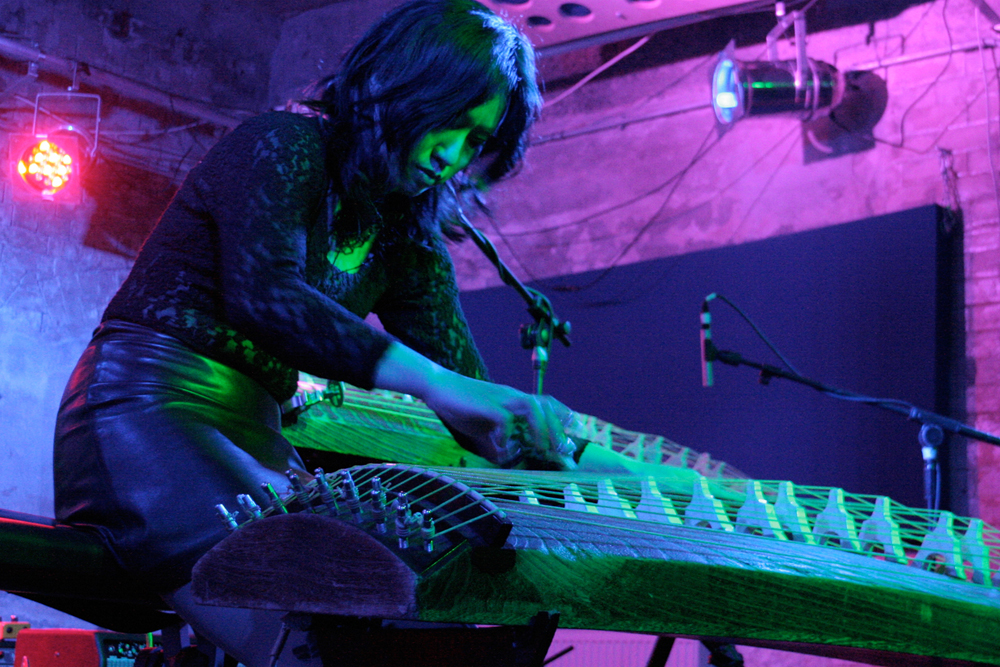
Sometimes delicate, sometimes harsh and jarring, Yagi’s koto solos are as much inspired by Nancarrow or Cage as they are traditional.
A multi-media harp and spoken word tribute to the incalculable, the in-deducible, the suspicious static noise that accompanies the voice of truth, and the attempted aberrations in the domain of emergence.