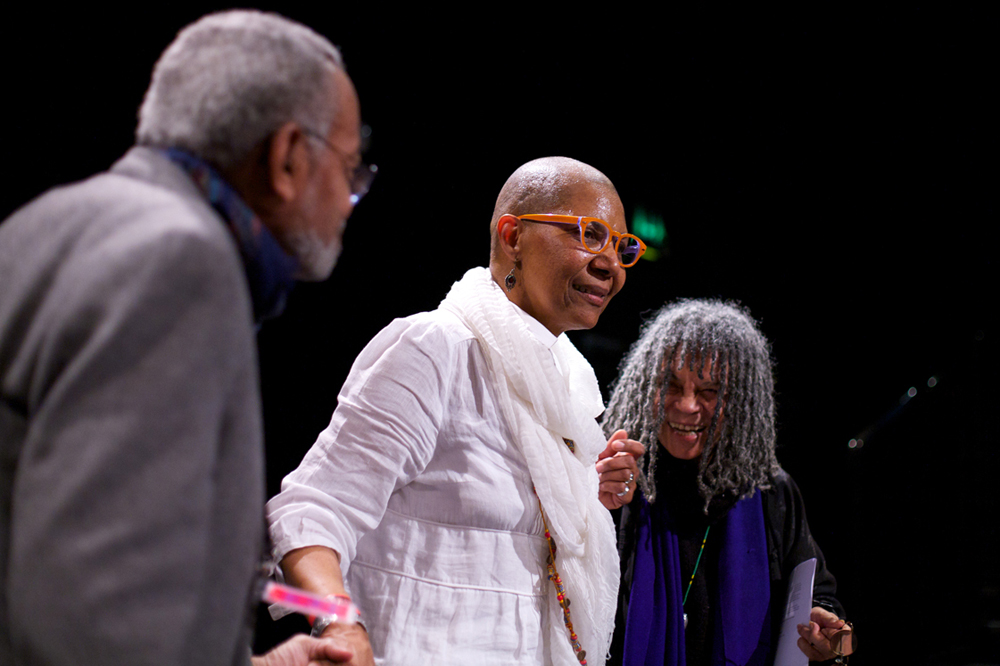
Queer Liberation: No Prisons, No Borders
Dean Spade Hope Dector Tourmaline
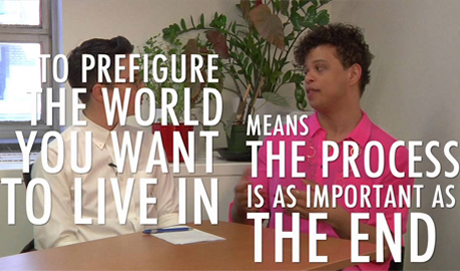
A crash-course in pre-figurative, radical, queer, anti-racist, anti-police, anti-prison, anti-deportation abolitionist politics and trans-resistance.
Arika have been creating events since 2001. The Archive is space to share the documentation of our work, over 600 events from the past 20 years. Browse the archive by event, artists and collections, explore using theme pairs, or use the index for a comprehensive overview.
A crash-course in pre-figurative, radical, queer, anti-racist, anti-police, anti-prison, anti-deportation abolitionist politics and trans-resistance.
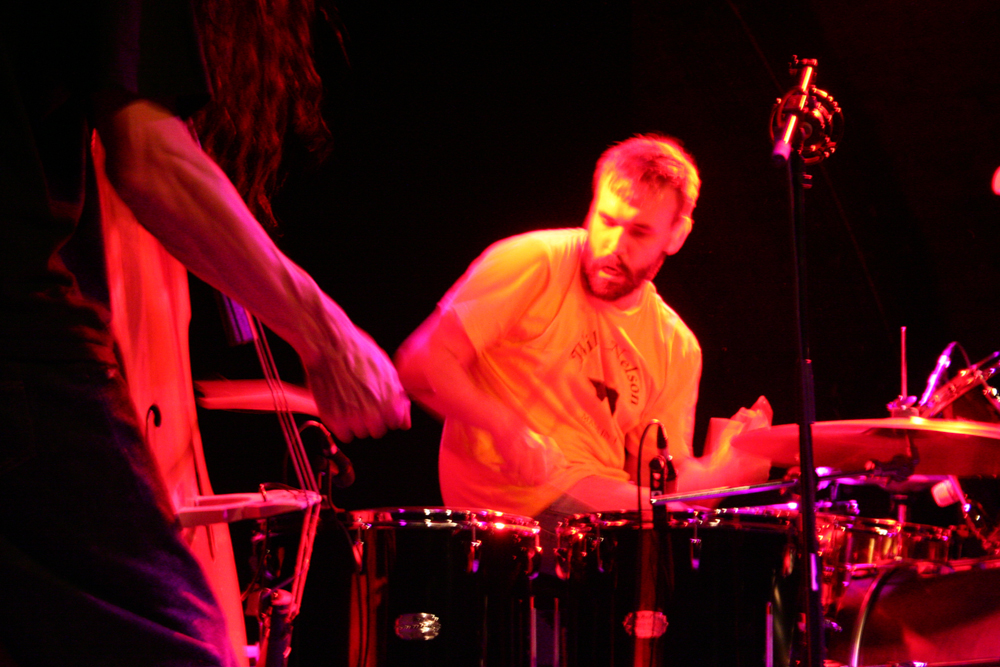
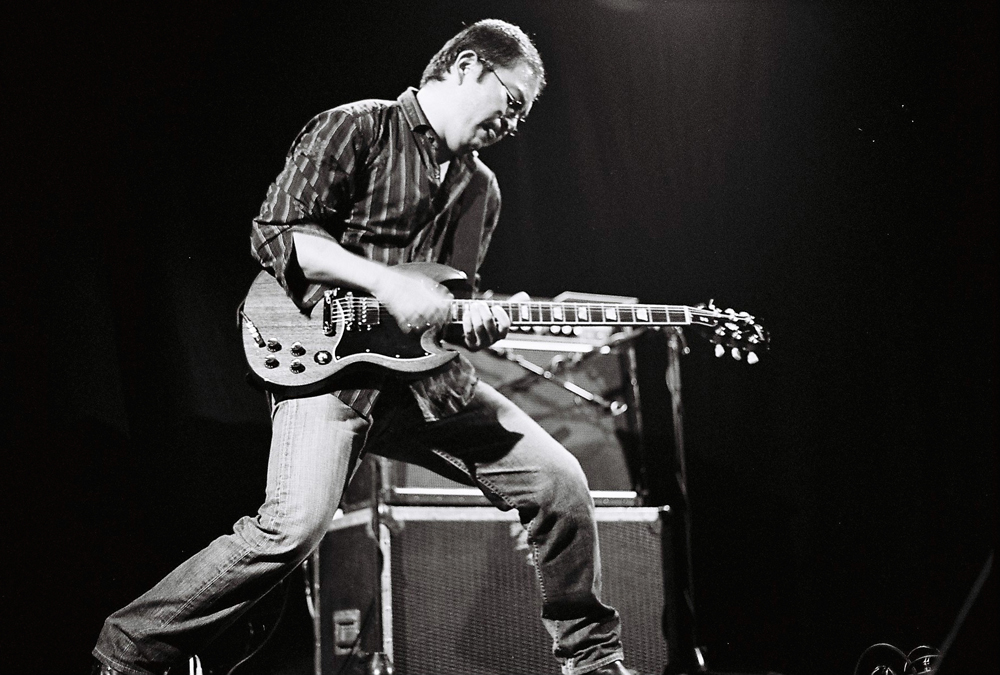
Free Jazz group comprising Matt Lavelle, Matt Heyner (TEST, No-Neck Blues Band) and Ryan Sawyer (Tall Firs).
A full-blooded, emotional attempt to reinvigorate improvisation from a musically inclined philosopher and two philosophically inclined improvisers.
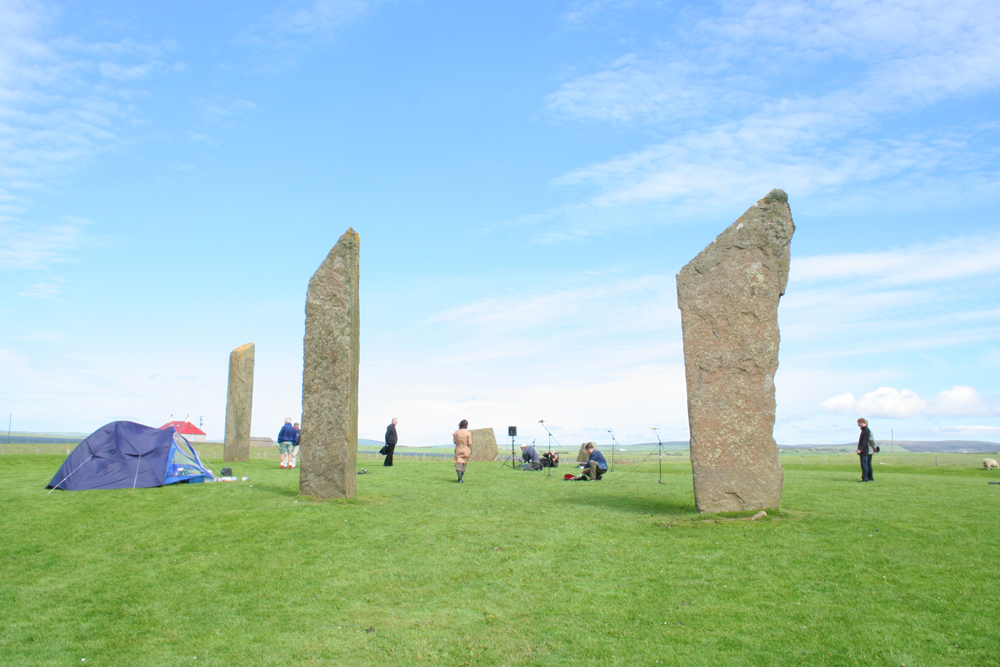
Akio Suzuki and John Butcher performing by the Stones of Stenness, instead of the Ring of Brodgar, because of bad weather.
Power-electronic klutz behaviour indecipherable blasphemies, cuts, bruises and broken microphones by Kovorox Sound head-honcho Lea Cummings.
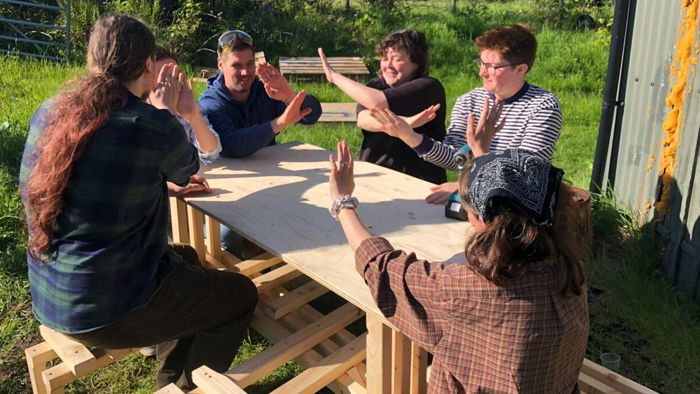
As part of Karrabing’s visit to Scotland, the collective will be hosted for three days in the Isle of Skye by The School of Plural Futures.
A fulcrum to the Japanese noise scene, JOJO Hiroshige has been responsible for much of the explosion of free music coming from Japan in the last 30 years.
Post consideration and post rationalisation… How do we think about experimental music and film after the performance?
Can a collective performance of NourbeSe’s poem of black life as it exceeds containment enact alternative forms of selfhood that emerge in and out of African diasporic experience?
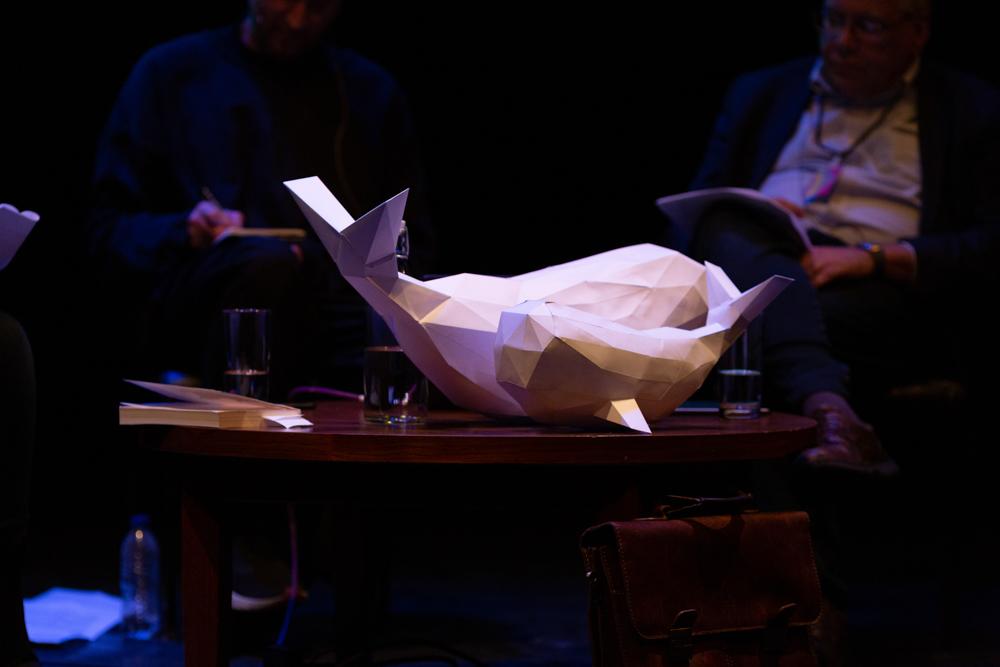
“The miracle of Herman Melville is this: that a hundred years ago in Moby Dick…he painted a picture of the world in which we live, which is to this day unsurpassed.” – C. L. R. James
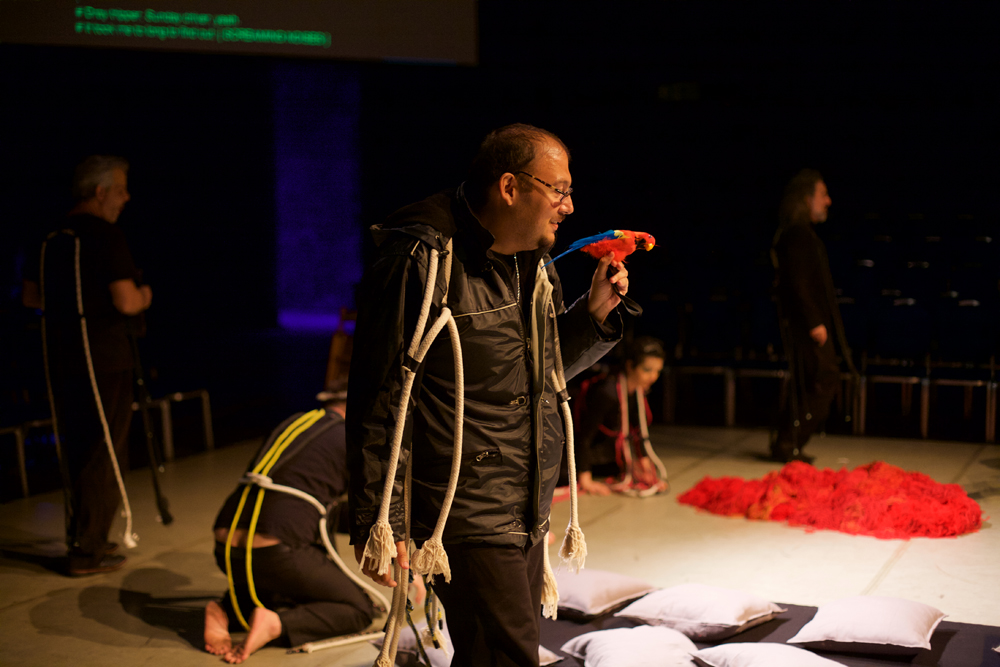
Inhabiting a different kind of energy, Ueinzz’s open rehearsals reveal a glimpse into their ongoing daily theatrical modes of caring – multiplying the ways in which their plays are meant to be felt, rather than understood.