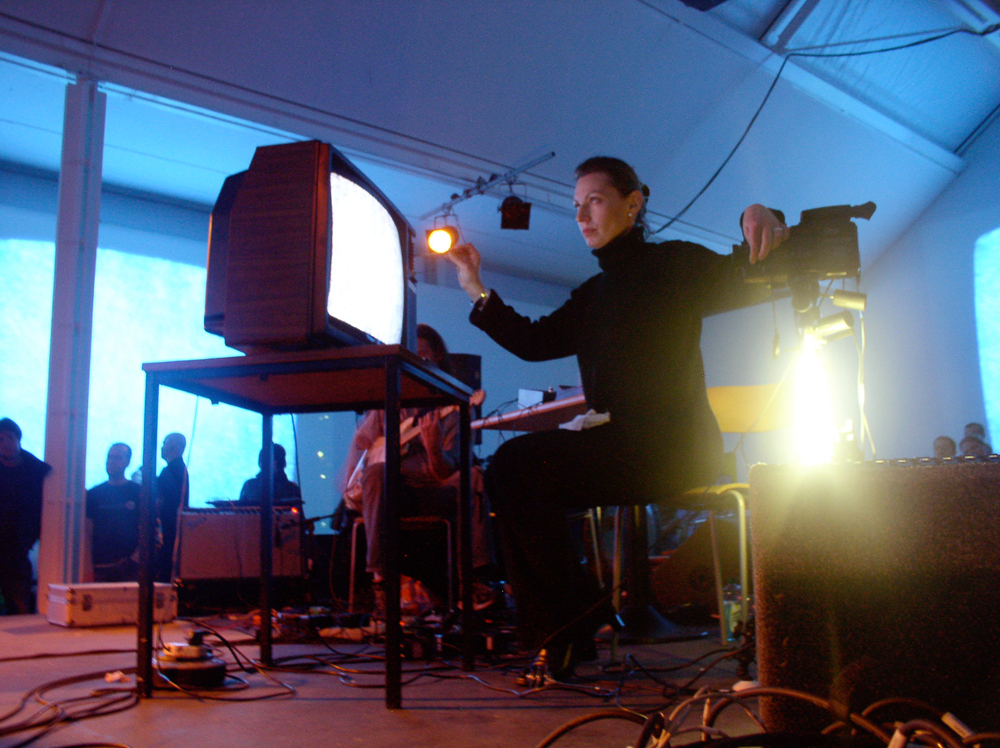
Perlonex & Ulrike Flaig
Burkhard Beins Ignaz Schick Joerg Maria Zeger Ulrike Flaig
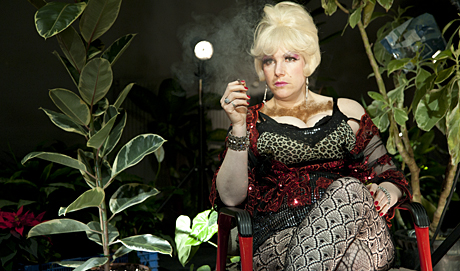
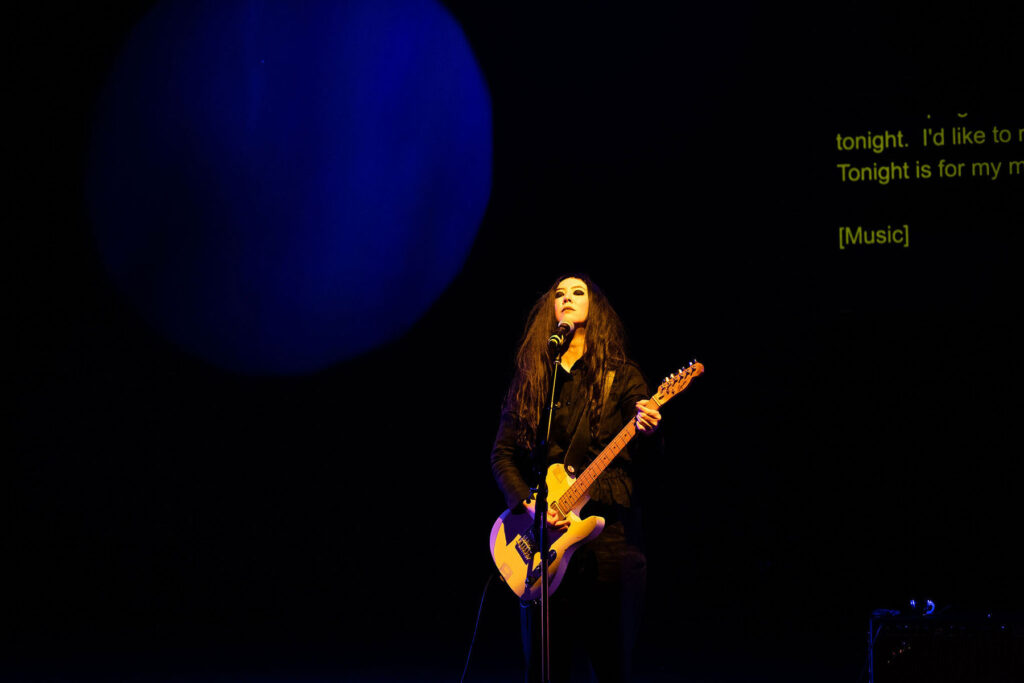
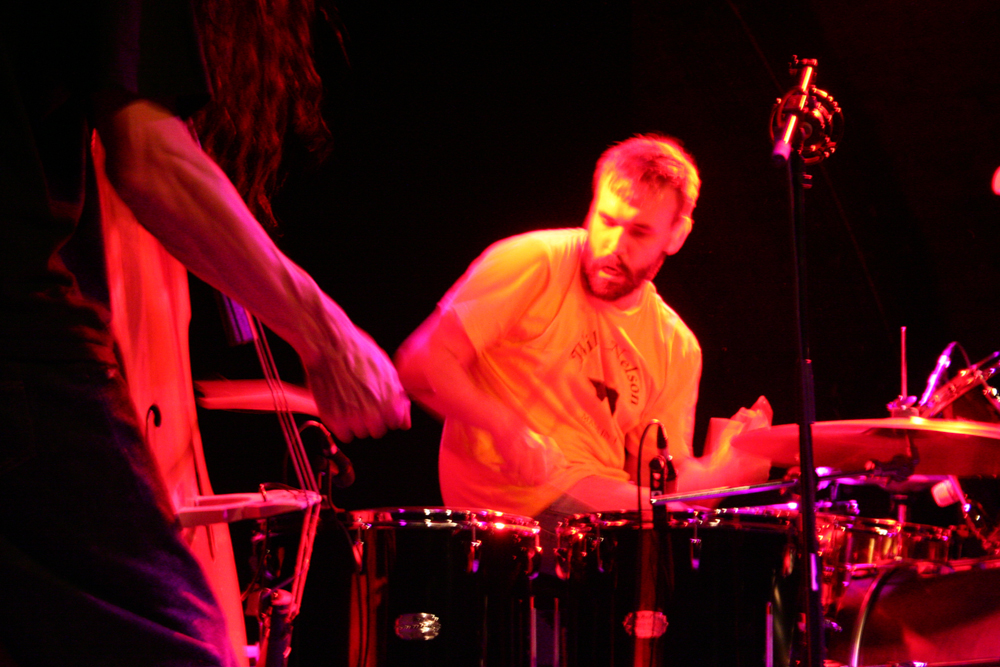
Real-time video feedback loops submerged in laminal sheets of sound soaked in gauzy timbral detail and multi-valenced, buzzing overtones.
Arika have been creating events since 2001. The Archive is space to share the documentation of our work, over 600 events from the past 20 years. Browse the archive by event, artists and collections, explore using theme pairs, or use the index for a comprehensive overview.
Real-time video feedback loops submerged in laminal sheets of sound soaked in gauzy timbral detail and multi-valenced, buzzing overtones.
Trans-temporal drag, sexuality and the re-staging of illegible moments in history.
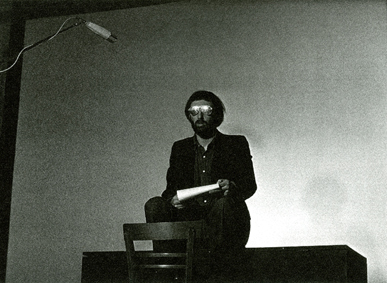
Recently rediscovered but still very pertinent, Kino Beleške presents a series of speech acts and performative gestures by protagonists of the new artistic practice in former Yugoslavia: each a personal take on the role of art in society.
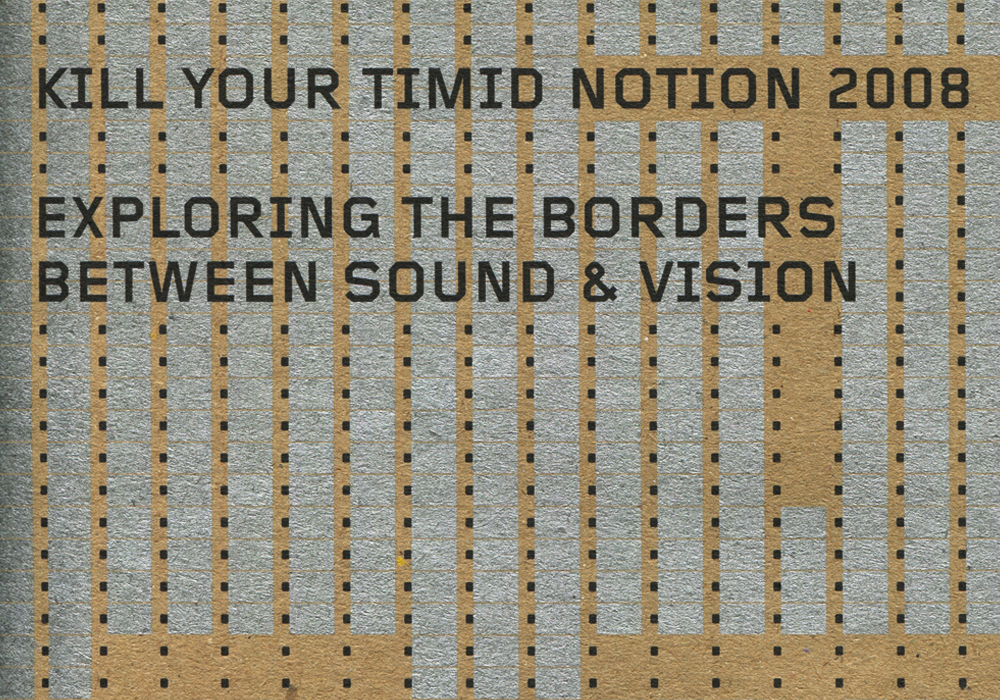
Bringing together artists working with music, sound, film and the moving image, KYTN 2008 saw performances, improvisations, screenings and installations over three days at DCA.
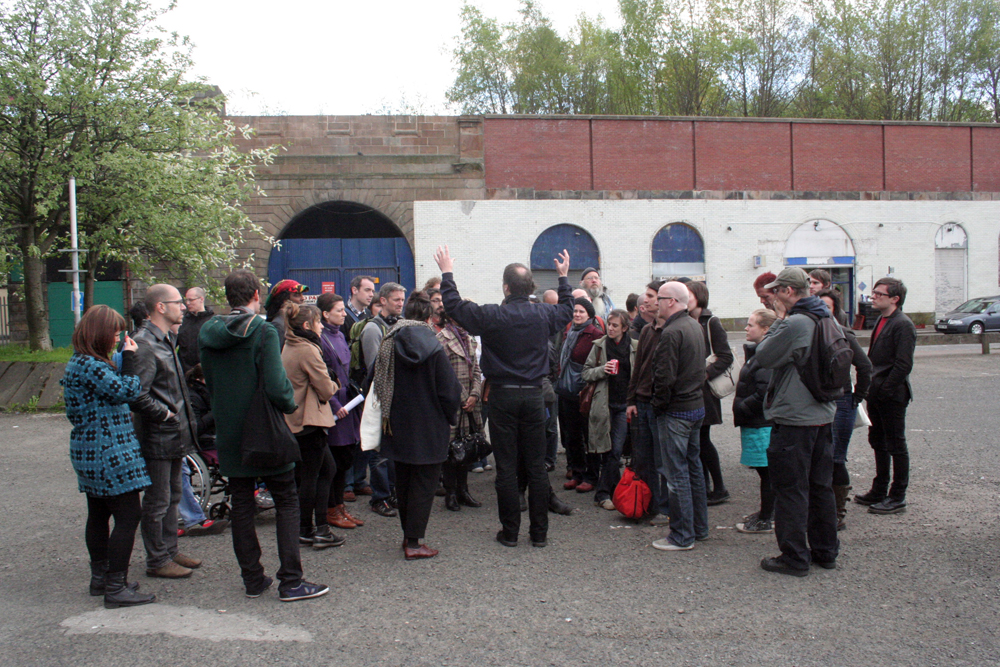
A public walk from George Square to the Barras market bringing contributions from researchers, activists and artists in a form of live critical praxis
Guitar and voice. Keening, droning and mourning. Be ready to release and bring your dis-ease.
Free Jazz group comprising Matt Lavelle, Matt Heyner (TEST, No-Neck Blues Band) and Ryan Sawyer (Tall Firs).
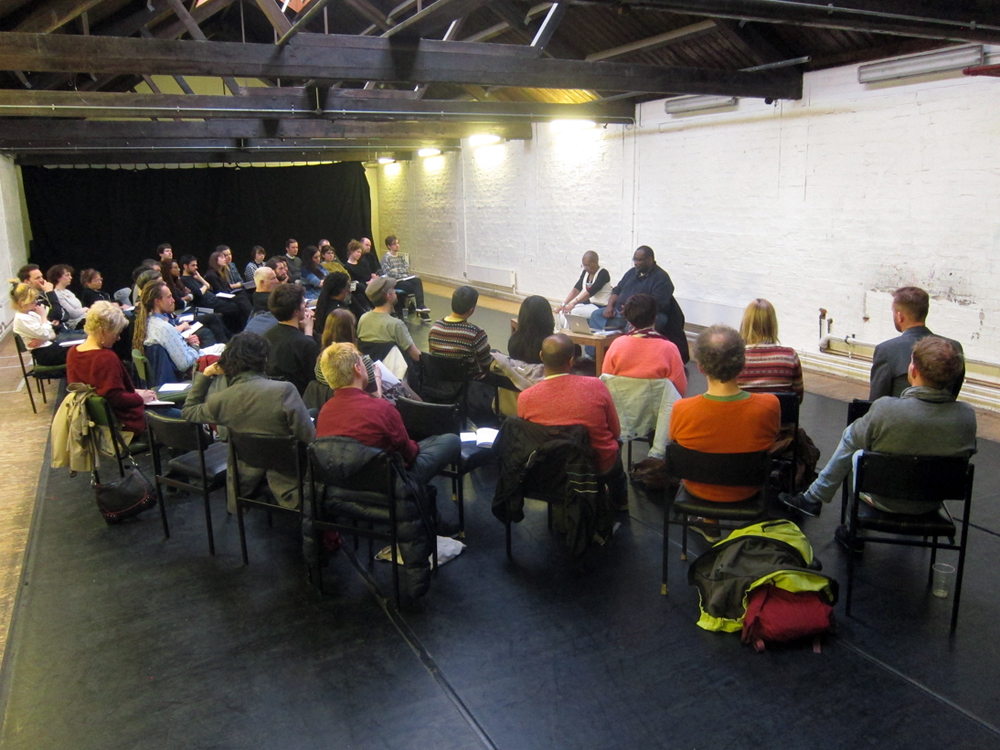
Discussion: If we approach “care as an event” rather than as a “contract of exchange” then what becomes possible in how we know, care for, and appreciate each other?
A conversation between Philip and Moten: how do we read NourbeSe’s anti-narrative poetic lament in Glasgow today, given the city’s role in the history of slavery?
William cradles, hammers, and rains down blows, plucking and using 2 bows to attack the strings above and below the bridge, all in the service of a fiery and passionate creativity.
An occasion for commotion, and a chorus of motions. Choreography rotating your revolutions and then some.
Dworkin asks: What would a non-expressive poetry look like? A poetry of intellect rather than emotion?