Every Book is Dead
Hal Duncan LAPS
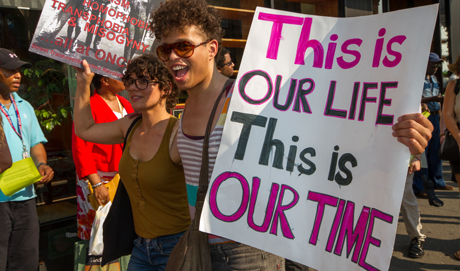
Mashed up queer fantasy of worker’s revolts, biblical demons and present-day hells, and dubbed out cyborg-electro.
Arika have been creating events since 2001. The Archive is space to share the documentation of our work, over 600 events from the past 20 years. Browse the archive by event, artists and collections, explore using theme pairs, or use the index for a comprehensive overview.
Mashed up queer fantasy of worker’s revolts, biblical demons and present-day hells, and dubbed out cyborg-electro.
Investigate film as language, via the language of film reduced to the basic units of film and language. A film as text in which each frame is a single word.
Philip Jeck creates slowly evolving symphonies that are as much about the crackling hiss of old vinyl as the actual ‘musical’ material.
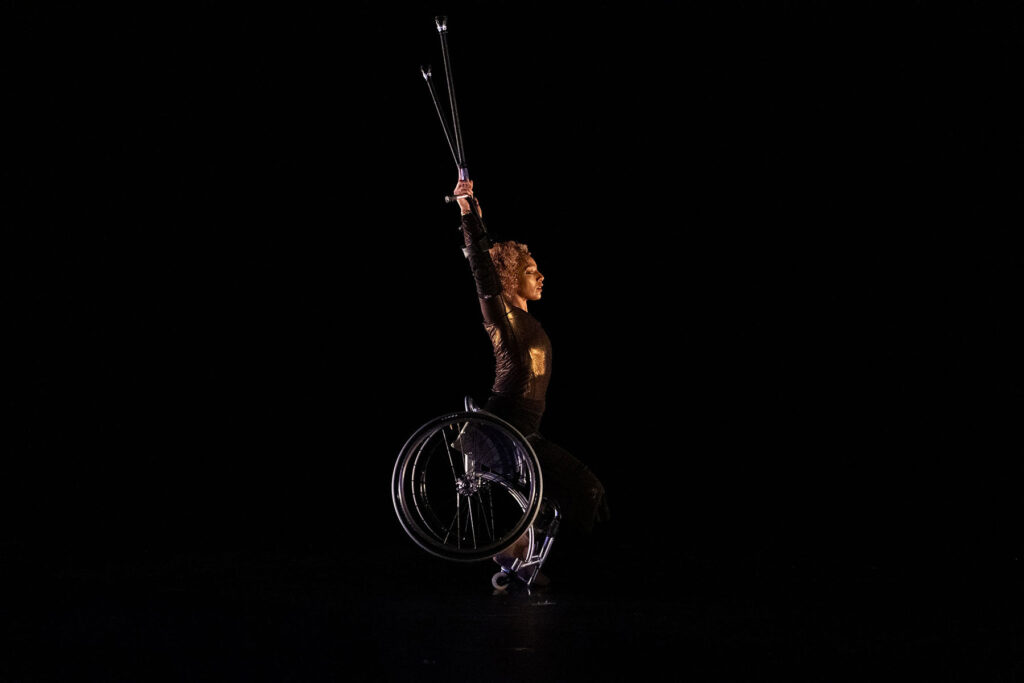
Beyond time, colorlines, ability, and sexuality, a movement exploration into what it means to see and be seen, how hearing contrast with what is actually being heard.
Finnish duo Grönlund Nisunen are known for their extraordinary work fusing incredible sounds with stunning objects in large scale sculptural installations.
Junko’s screaming vocal in a nuanced, piercing duo with Urabe’s fuming and convulsive saxophone, far removed from the codes of musical tradition.
Opening with one of the most memorable shots ever filmed, and screened a year after the initial successes of the 2011 Egyptian revolution, Too Soon, Too Late is a search for the traces left on the landscape of past revolutions in France and Egypt.
Daniel Carter & Sabir Mateen’s trio with percussionist Andrew Barker; incessantly driving forward through sweat-drenched bursts of pure ecstatic freedom.
Performances at Anthology Film Archives by by Loren Mazzacane Connors, Alan Licht & Jandek.
Vanessa Place talks at The Friday Event series at the Glasgow School of Art about her practice as a writer.
Bruno’s liberated improvisational approach stretches beyond the lyrical, tough as nails rhythmic bursts and expressive, swinging attack of his drumming.
Rather than asking the state for services, what kinds of change are made possible when we prioritise people supporting each other?