Shutter Interface
Paul Sharits
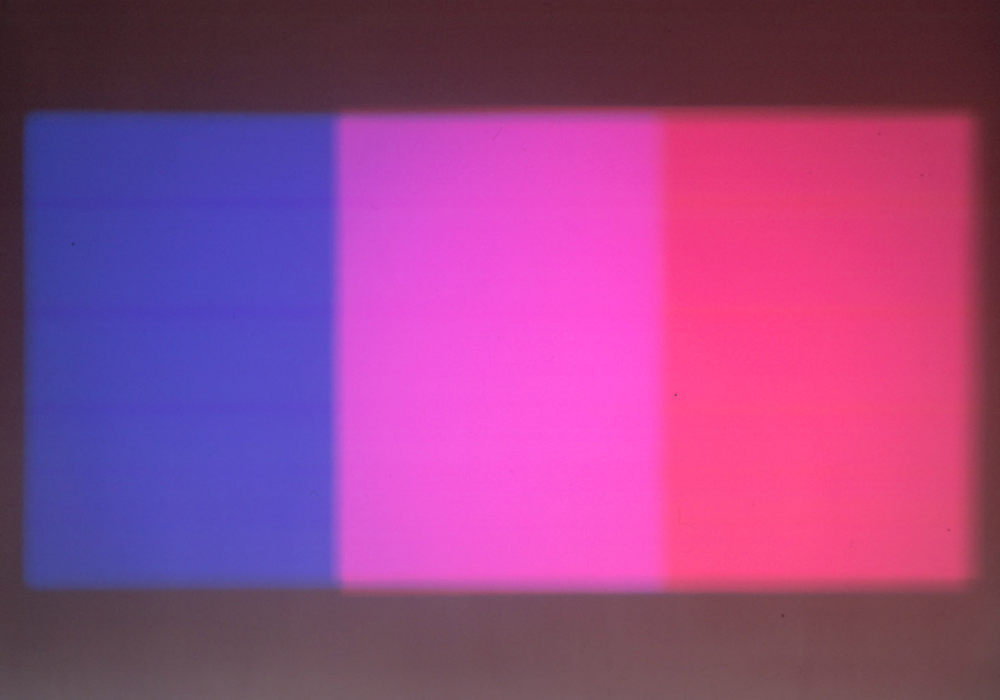
Shutter Interface is an expanded cinema piece: a series of machinegun bursts of chromatic relationships and visual harmonics in an overwhelming montage
Arika have been creating events since 2001. The Archive is space to share the documentation of our work, over 600 events from the past 20 years. Browse the archive by event, artists and collections, explore using theme pairs, or use the index for a comprehensive overview.
Shutter Interface is an expanded cinema piece: a series of machinegun bursts of chromatic relationships and visual harmonics in an overwhelming montage
Glasgow based artist Defaalt invites the audience to collaborate fully in his performance by means of a generative graphical interface.
Chip’s written some of the greatest of all Sci-Fi and Fantasy—page turning character driven diamond-hard novels and short stories: each a lens that refracts our real-life struggles and desires.
Glasgow. Power electronic klutz behaviour by Kovorox sound head-honcho. Bruised bodies and broken microphones.
An LSD trip gone right via dense explorations of post-Fahey steel and low level drone.
An improvisation that may or may not involve (typical) improvisation.
A movement-based workshop on Krump and the politics of how we teach, learn and listen with our bodies. Move with us!
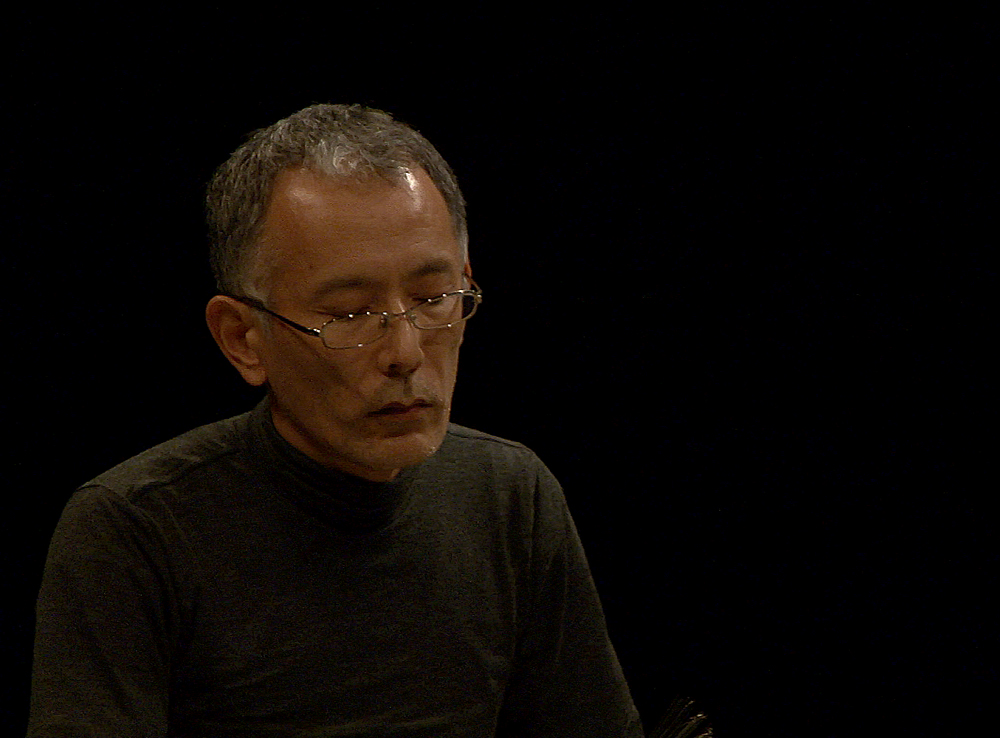
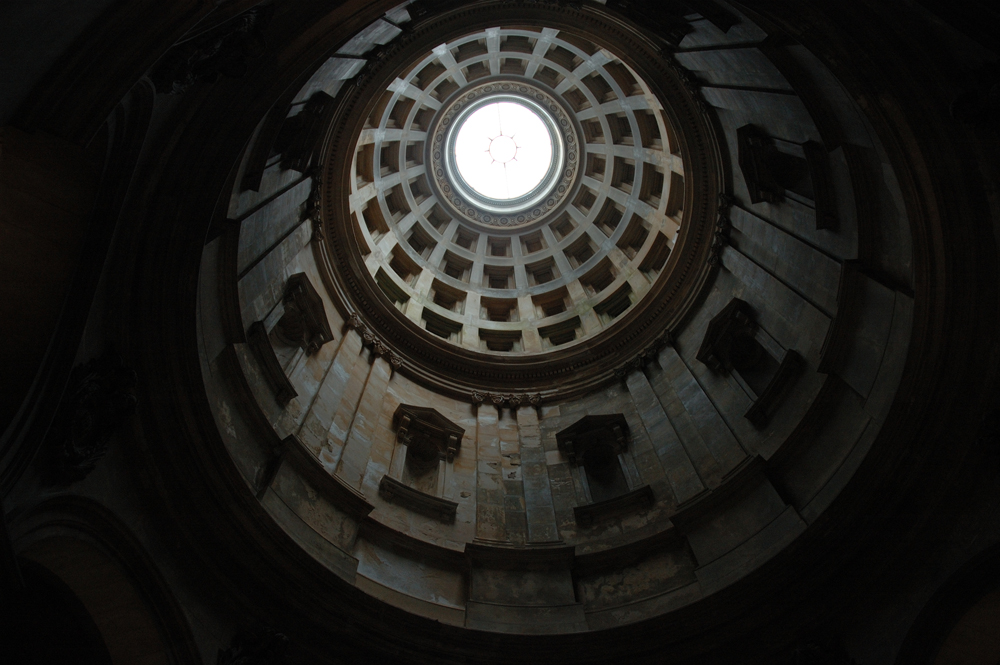
Chris Corsano, Akio Suzuki and John Butcher performing in the Hamilton Mausoleum, Hamilton.
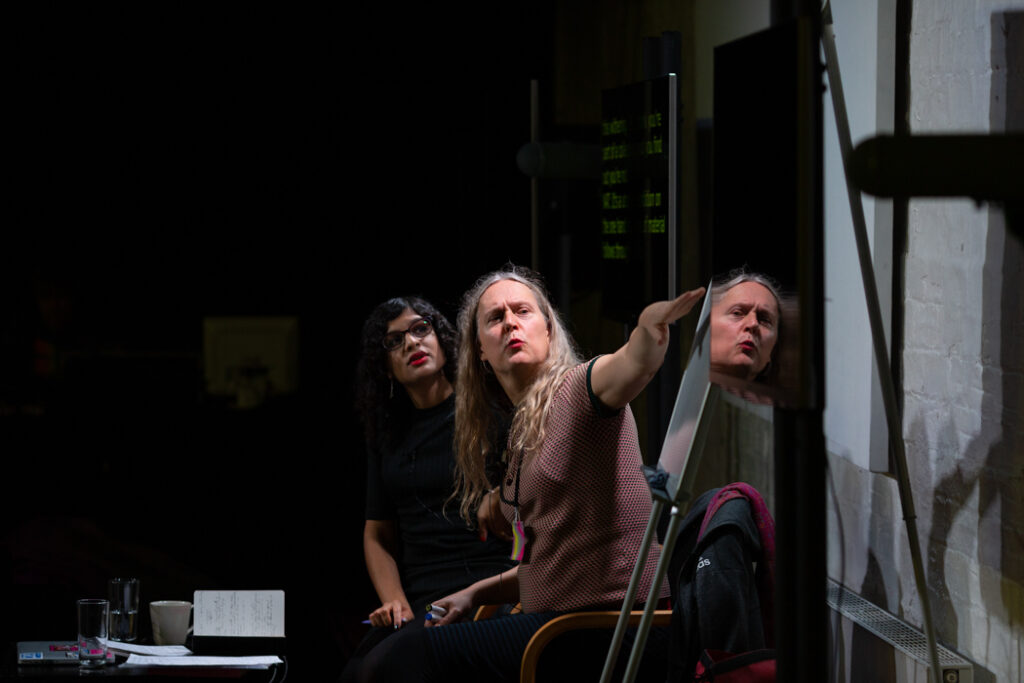
Underlying radical transfeminism, as an urgent critique of binary essentialism and fixed identities, is the call for a new kind of thinking that can move between and integrate the truths of all lives in their transformations.
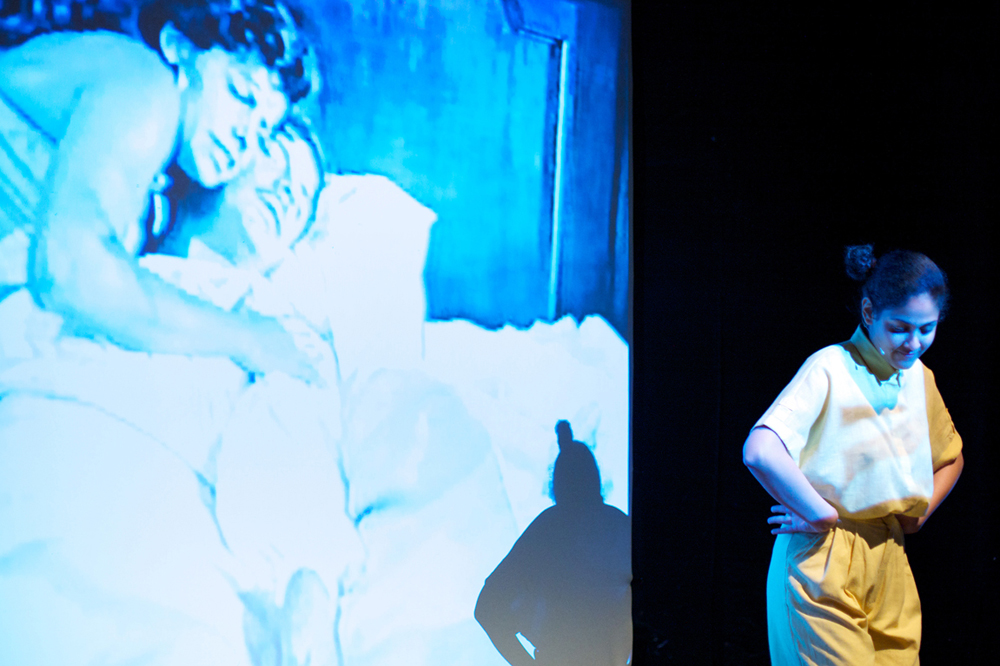
A performed film lecture exploring how the ‘Rumberas’ of Caribbean cinema of the 40’s and 50’s subverted demeaning images of themselves through dance, sound and a sociality that insisted on blackness as being a cultural performance, not simply due to skin colour.
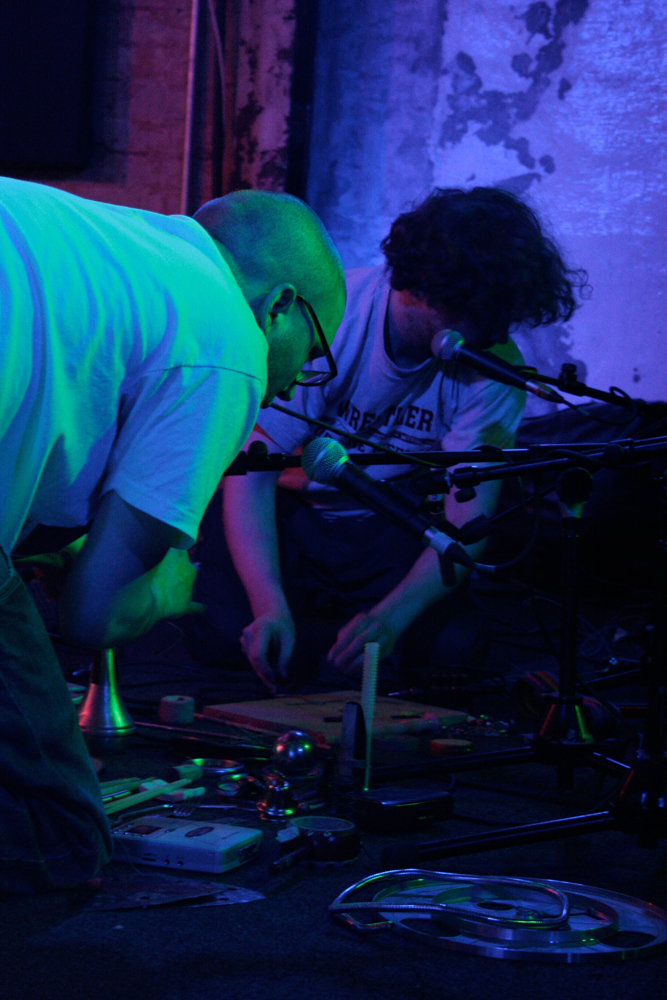
This set continues on from the Bud Neill inspired clatter using the contents of the Usurper twin’s pockets.
A panel exploring how to dismantle the master’s house — its material edifices and ideological architecture — and the construction of abolitionist futures in the present.