4 Waters: Deep Implicancy
Arjuna Neuman Denise Ferreira da Silva
What would a world and an ethics look like free from the destructive consequences of the Western mind?
Arika have been creating events since 2001. The Archive is space to share the documentation of our work, over 600 events from the past 20 years. Browse the archive by event, artists and collections, explore using theme pairs, or use the index for a comprehensive overview.
What would a world and an ethics look like free from the destructive consequences of the Western mind?
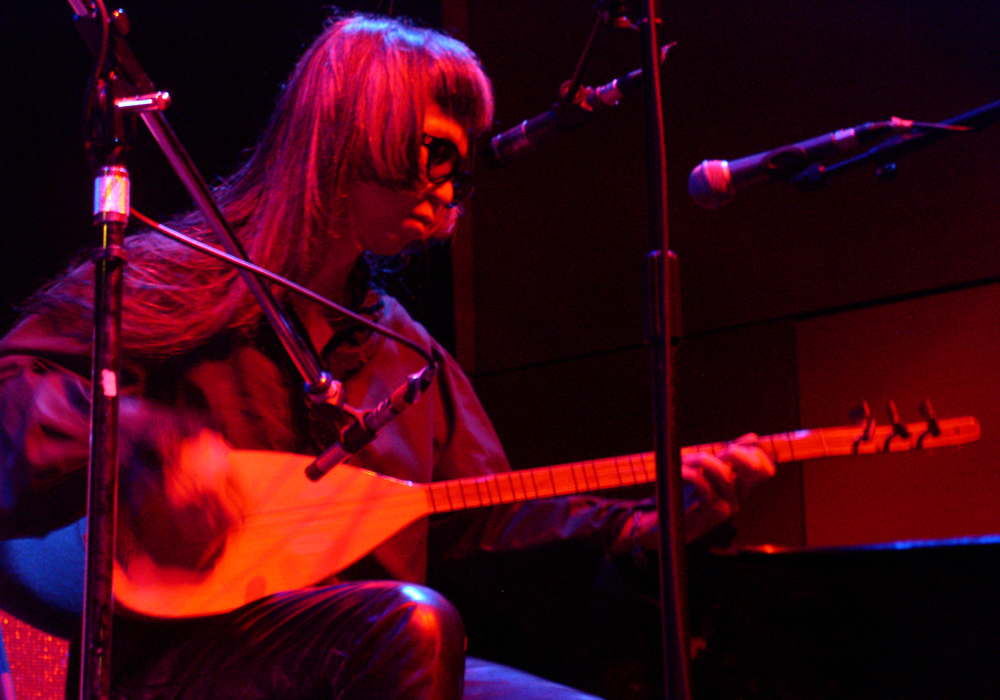
Performances at CCA Glasgow by Keiji Haino, My Cat Is An Alien, Taurpis Tula, Jandek with Richard Youngs and Alex Neilson.
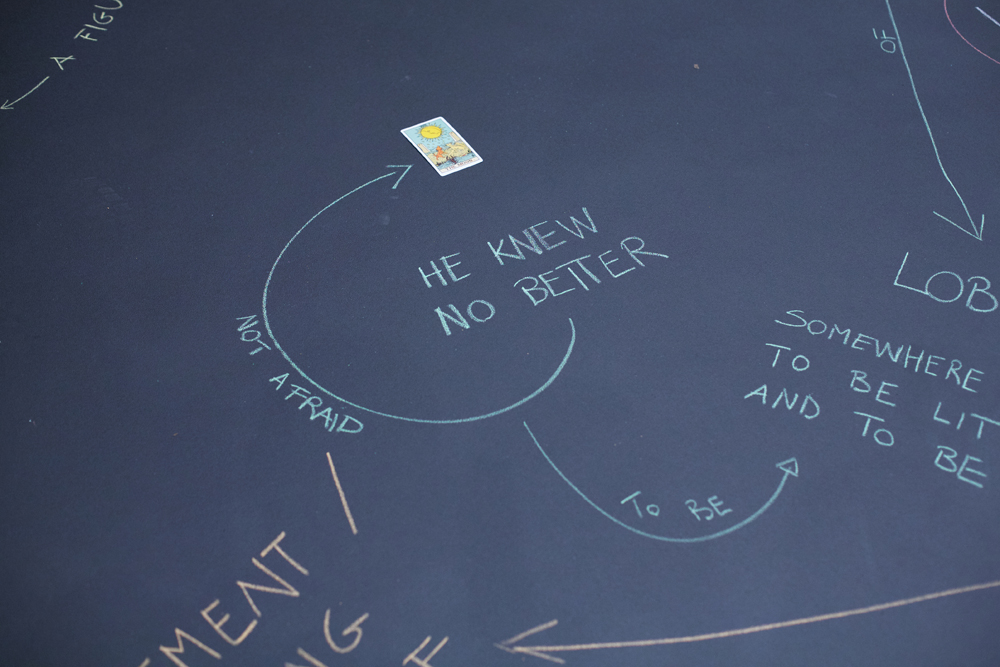
A performed, open, public conversation about how we might think politics from the position of intuition, in which Denise and Valentina use un-reasonable tools to map out a hybrid poetical/ ethical reading of their own situations.
Usurper jamming live in a skip at the site of Bud’s Neill’s Lobey Dosser statue on Woodlands Road.
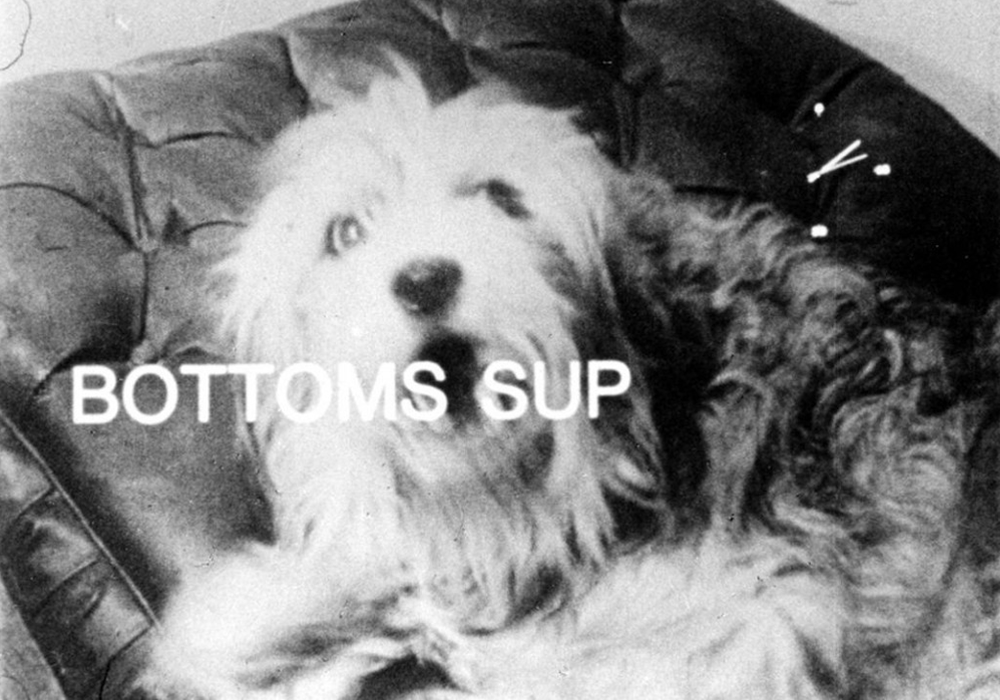
A kind of audience activating, structured film guessing game in the manipulation of time, sound and image. “At 11:15, weiners. At 21:05, pornography. At 23:30, a duet. Watch the Clock.”
Ex-Decaer Pinga and CKDH rodeo queens; regular ladynoise hoedown gets gatecrashed by sonic chunder-huffing remedial clatter boys.
Koji Asano, Japanese composer and sound-artist performing slow groaning burbling tones, moaning echoes and drones.
A dense materialist experience at the limits of contemporary computer music, drawing on Korean Shamanism and Communism; striving to create a strange new vibration to the world that seems to contain the seed of everything.
Jean-Luc Guionnet will be giving a talk as part of the music department’s ongoing series of colloquia.
Discussion with David Keenan: an author, critic and musician based in Glasgow, Scotland. He is best known for the reviews and features he has contributed to The Wire.
An LSD trip gone right via dense explorations of post-Fahey steel and low level drone.
Rather than asking the state for services, what kinds of change are made possible when we prioritise people supporting each other?