Against Inclusion
Dean Spade Eric A Stanley Mujeres Creando
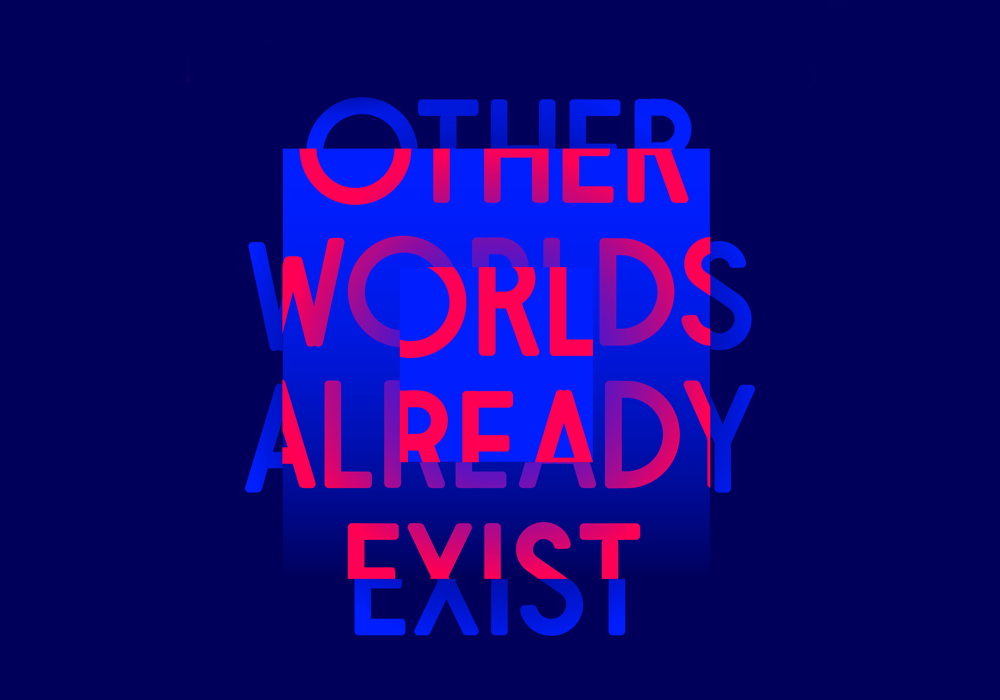
What does it mean to resist seeking assimilation or inclusion within, or let our demands be co-opted by the very systems we seek to dismantle?
Arika have been creating events since 2001. The Archive is space to share the documentation of our work, over 600 events from the past 20 years. Browse the archive by event, artists and collections, explore using theme pairs, or use the index for a comprehensive overview.
What does it mean to resist seeking assimilation or inclusion within, or let our demands be co-opted by the very systems we seek to dismantle?
A short chat about what we (Arika) might be trying to do with our program for the Biennial.
West Coast drone-age guitar grumbler/ consumer electronic reclaimer meets free-thinking clang/ chime/ drone bluesman of The East.
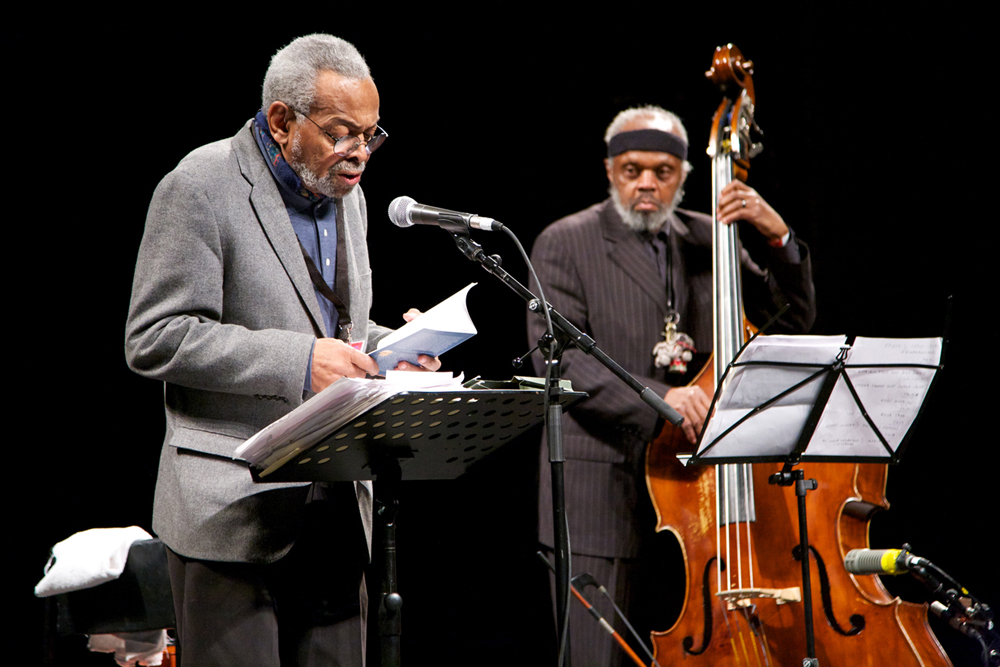
A dialogical meeting of Baraka’s radical poetry and Grimes’ free jazz syncopation.
Three (thankfully short) chats wherein we try and get at what’s eating us with regards to experimental music, and what we think might be worth salvaging.
Formed as a means to realise William Bennett’s goal of “a sound that could bludgeon an audience into submission”
Edinburgh. Sinewave manipulating Giant Tank-ette goes head-to-head with Decaer Pinga’s first lady of noise.
A conversation between influential figures thinking through Blackness and Indigeneity, asking: what if we took seriously the possibility that this world, as we know it, may be coming to an end? We dread the loss of this world, but have we begun to imagine the one to come?
4 days of performances, discussions, workshops, screenings with mutant dancers, prison abolitionist poets, transfeminist revolutionaries, haunted noise, science fiction, sex worker resistance, crip erotics, radical pornography and militant fiction.
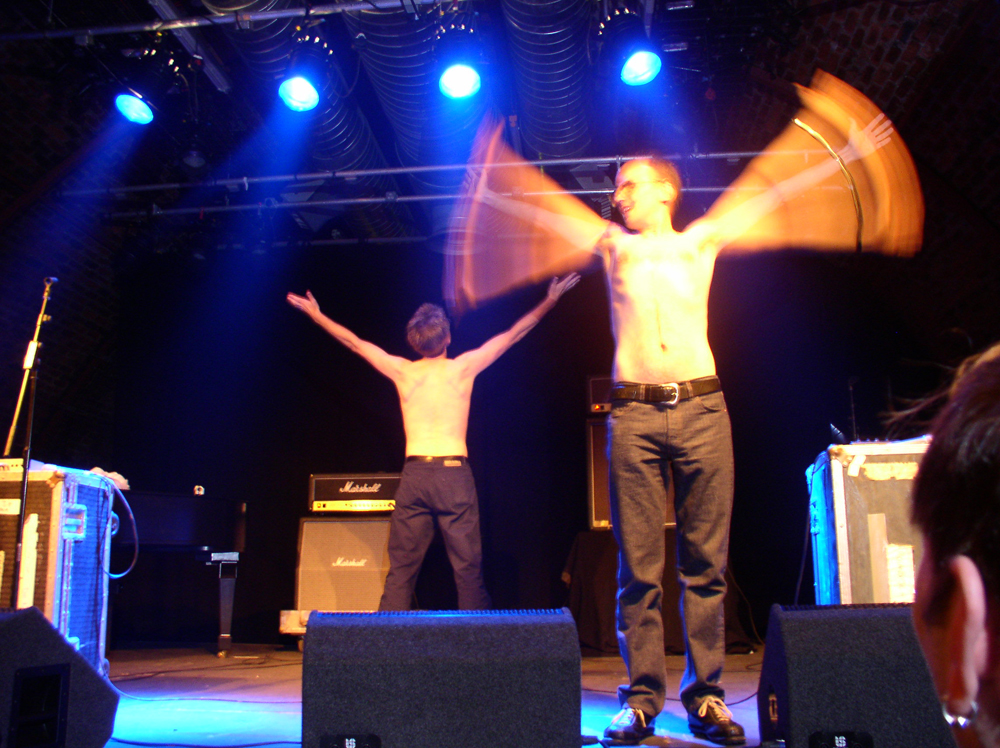
Exploring the interplay between punk sinewave aggression, high-speed video sequences and stroboscopic lighting
A chat with Eugene Thacker. Can we rethink the world as unthinkable, and without us?
The first of two workshops that highlight correspondence as a way of working. Somewhere between song, speech, and logistical arrangement, these workshops invite participants to consider care as infrastructure.