Tetsuya Umeda
Tetsuya Umeda
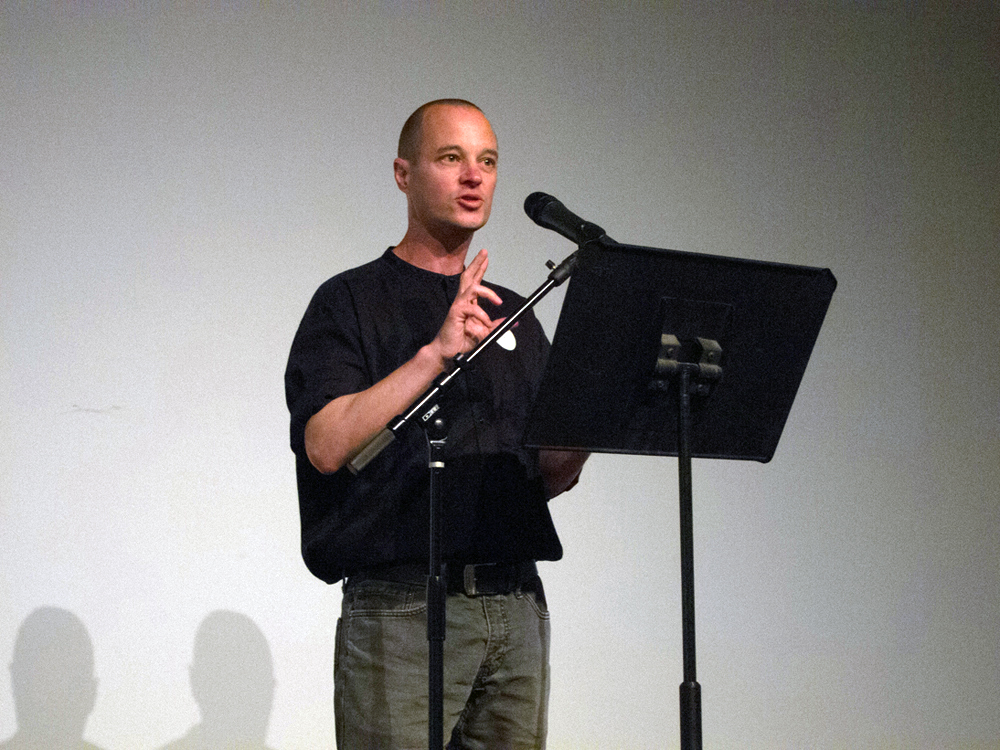
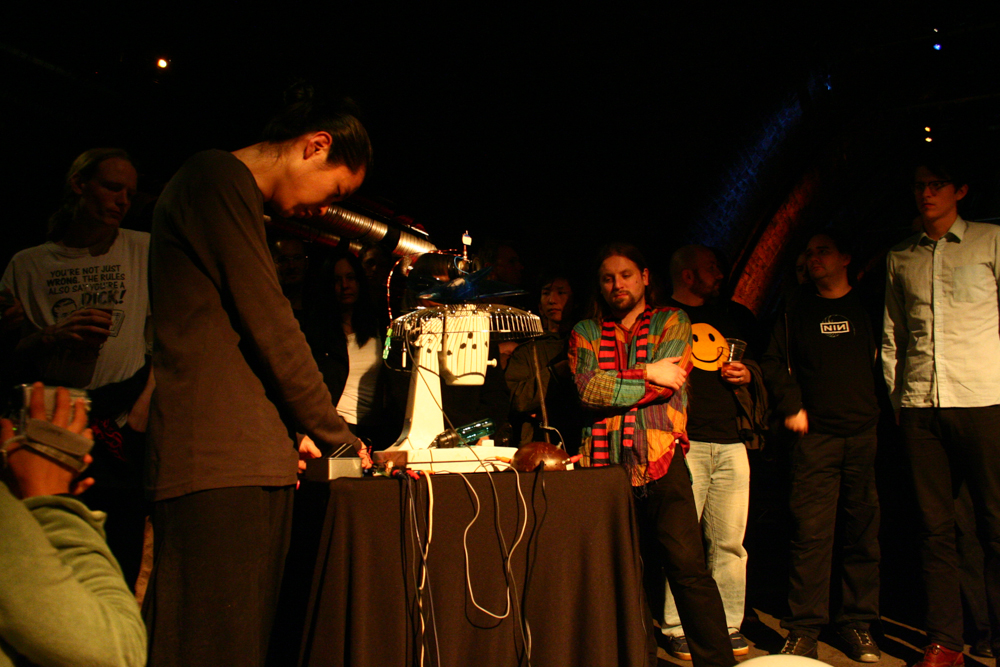
Umeda is a Japanese artist who is as fascinated in setting up interesting situations to observe, as he is in creating performances.
Arika have been creating events since 2001. The Archive is space to share the documentation of our work, over 600 events from the past 20 years. Browse the archive by event, artists and collections, explore using theme pairs, or use the index for a comprehensive overview.
Umeda is a Japanese artist who is as fascinated in setting up interesting situations to observe, as he is in creating performances.
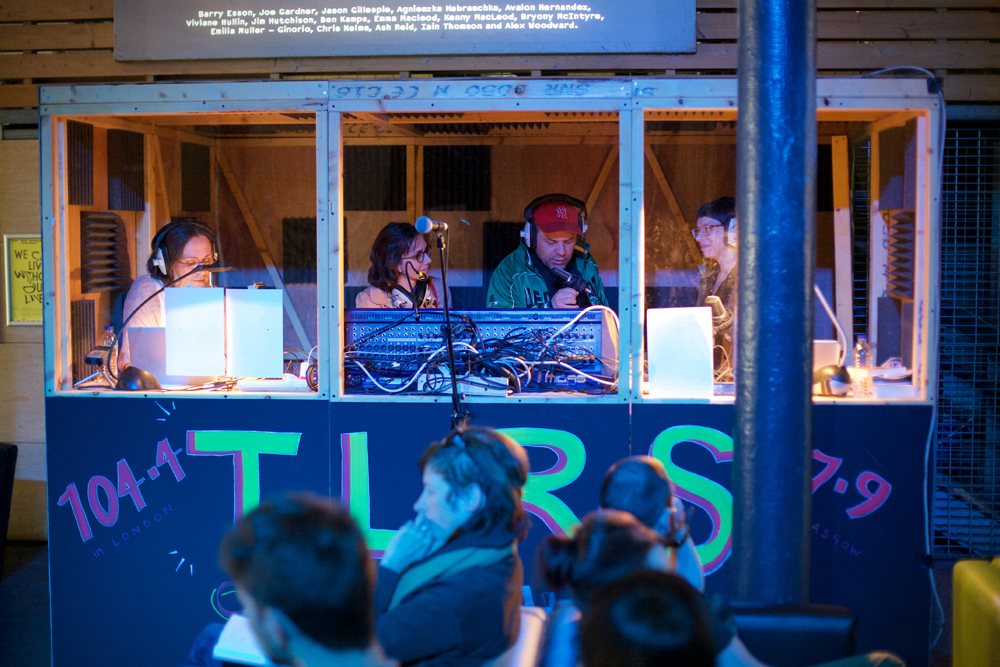
(Cyber)feminist, non-essentialist transgender and queer daily radio shows using the formula of morning radio as an arch way of thinking about the scripted behaviour and controlled empathy of systematic care.
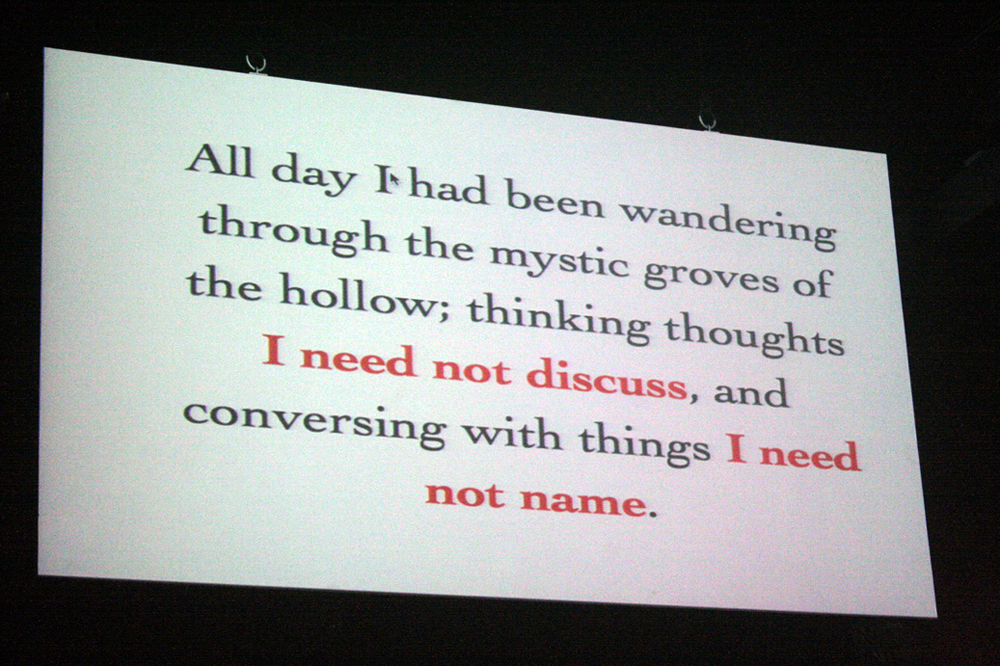
A chat, with examples (Zola, H. P. Lovecraft, Hammer Horror), about blackness and the sheer stupid thickness of what has no profundity whatsoever.
Craig will give a guided reading of his handbook of exemplary instances of literary listening and will be joined by one of the selected authors, Vanessa Place.
A sound of buzzing and flickering metallic drones, glottal stops and guttural growls, and also an explosiveness and purity of sound that reminds you as much of Bill Dixon as anyone else.
An audio and video investigation of gender cults, Catholicism, hauntings and nuns’ use of audio devices…
How do communities practice being one another’s means, addressing their material problems facing them replicating the state’s violent logic of who is disposable.
Can a musician create a sonic photograph; something with a depth of field, where you can hear sounds and their interconnections, much as you see objects and their relationships in a photo? Could a filmmaker use musical concepts to represent landscape?
Dundee. Progressive rhythmical guitar squall vs. post-highland discorporate dusk-jockey.
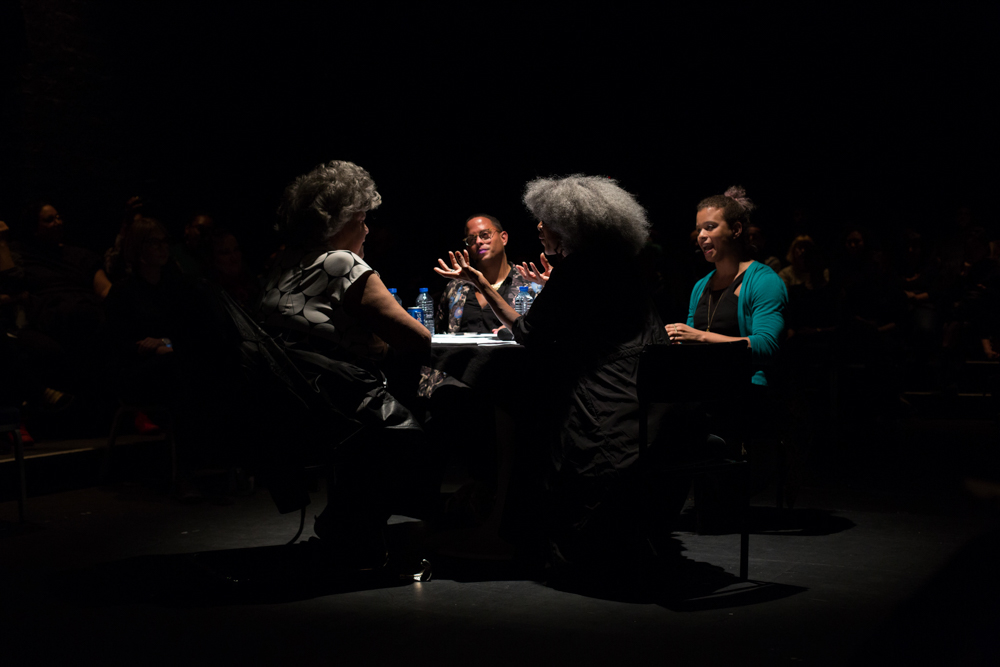
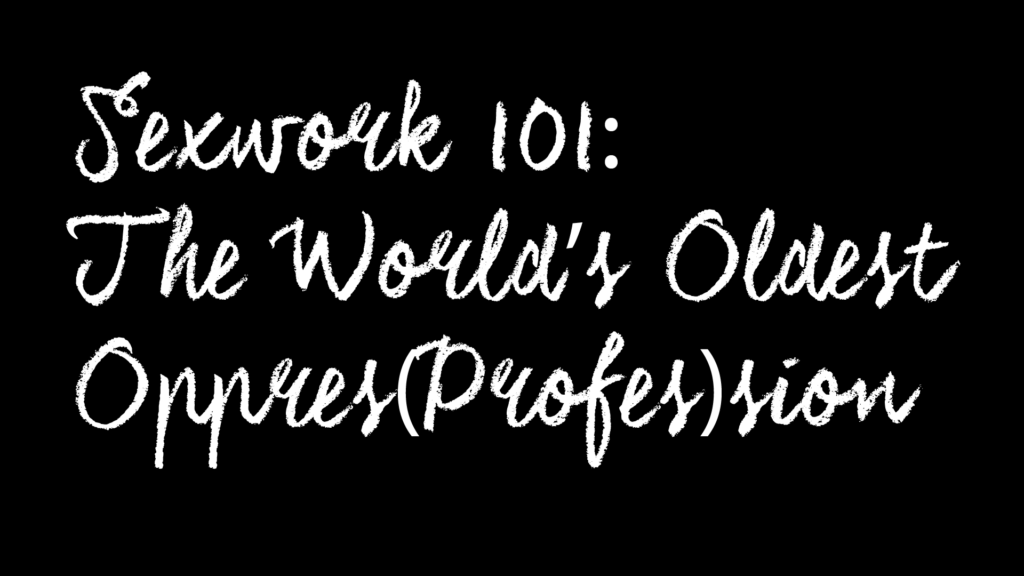
A 101 panel on sex work in Scotland, hosted by National Ugly Mugs, Sex Workers Union, Scotland for Decrim (Decrim Now) host
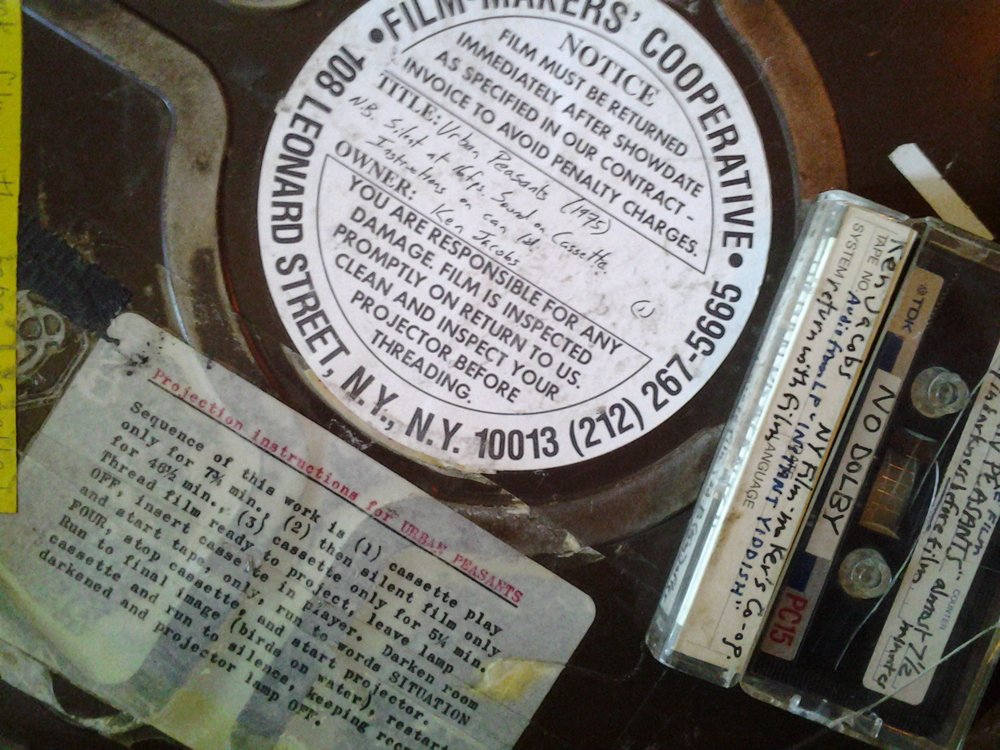
Do almost nothing: re-present (unaltered and arranged by chance) silent family home movies handed down to Flo, (Ken’s wife) and follow them with a “teach yourself Yiddish” cassette tape.
In a moment of social exhaustion, we want to ask how we might care for each other differently. We Can’t Live Without Our Lives is a 5-day exploration of care as a form of struggle and resistance, with communities who embody it.