What is the Sound of Freedom?
Nancy Nevárez Ultra-red
For day three of Ultra-red’s project, the investigation will take up protocols for listening to the sound of freedom composed and facilitated by Nancy Nevárez.
Arika have been creating events since 2001. The Archive is space to share the documentation of our work, over 600 events from the past 20 years. Browse the archive by event, artists and collections, explore using theme pairs, or use the index for a comprehensive overview.
For day three of Ultra-red’s project, the investigation will take up protocols for listening to the sound of freedom composed and facilitated by Nancy Nevárez.
A conversation and livestream considering a global feminist critique of capital with Silvia Federici, Hortense Spillers and Gayatri C. Spivak.
Acoustic turntable, engines, trumpet and accordion joined by Bassist Magarida Garcia: build long-form quietly detailed pieces that clatter and rumble, that expand and contract with the tension and release of deeply held breath.
Includes: a £20 note, stock fluctuations, an examination of words in the video medium, a linguistic challenge for your mind, a frame by frame dissection 50 words, shop front poetry, image and language head to head and newspapers under the microscope.
Renouncing the bind of the written word, Chopin’s sound poetry is a magical evocation of the pure powers of the voices, stripped bare of language.
Investigate film as language, via the language of film reduced to the basic units of film and language. A film as text in which each frame is a single word.
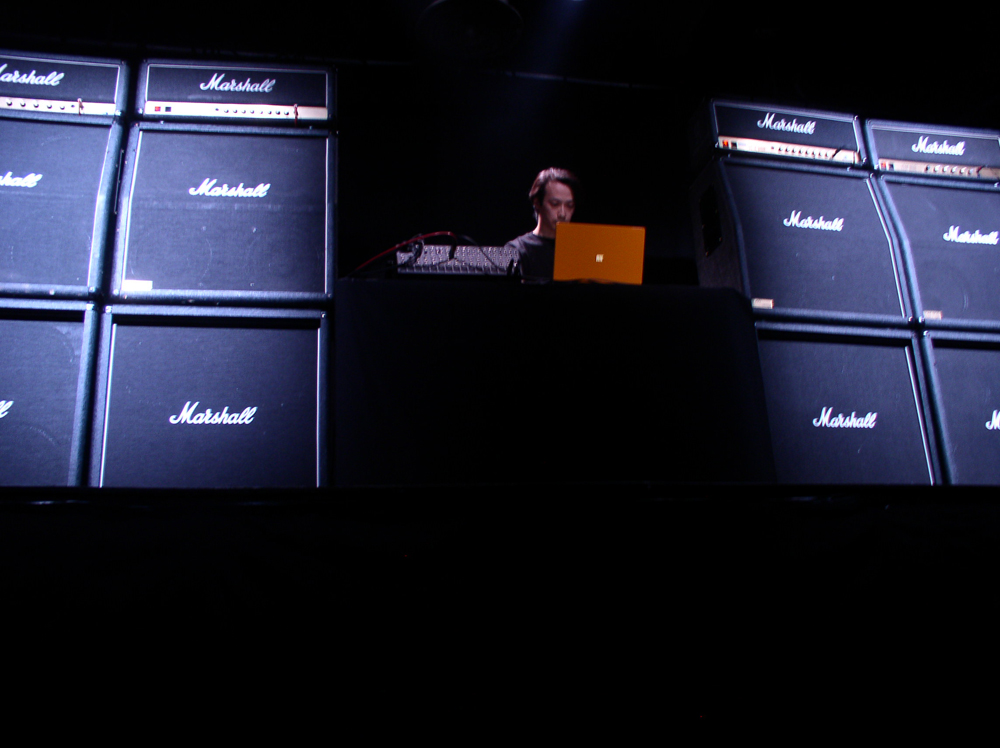
A system in which oscillators shake The Arches, seismographs pick up the harmonics that are then amplified through massive sub-bass PA.
Everyday objects and materials (rubber bands, paper, a sink, microphones) disabused of their inertia and made to speak for themselves in a kind of focusing in on the tiny, repetitive, almost unobserved (sonic/ visual) potential of everyday things put into motion.
From really simple, open instructions, An Unrhymed Chord creates a kind of half-way point between composition and improvisation.
Setting up a minimal procedure to explore the interaction between a person and the (documentary) film/ video process. What initially seems simple ends up contrarily distanced and intimate, public and private.
Can we use sound, repetition and difference to personally and collectively engage with space, time and labour?
Dworkin asks: What would a non-expressive poetry look like? A poetry of intellect rather than emotion?