Episode 2: A Special Form of Darkness
A festival asking how ideas of nihilism, darkness, subjectivity and abjection play out in experimental music, performance art, horror, neuroscience and philosophy?
Arika have been creating events since 2001. The Archive is space to share the documentation of our work, over 600 events from the past 20 years. Browse the archive by event, artists and collections, explore using theme pairs, or use the index for a comprehensive overview.
A festival asking how ideas of nihilism, darkness, subjectivity and abjection play out in experimental music, performance art, horror, neuroscience and philosophy?
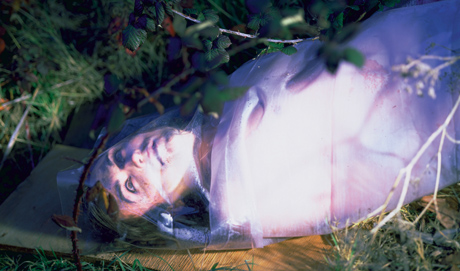
“I am truly without faith. In a media marketplace that demands soulness, I can only offer soulnessless.”
Over 3 days Episode 8 celebrates all the unruly ways we escape attempts to constrain us, tear down the walls of normative culture and build joy in flight.
An audio/ video, lecture/ performance exploring the queer and companionly inter-activity of human-animal relations.
How can we imagine bodies not as an end in themselves, but as a medium through which we can become one another’s means?
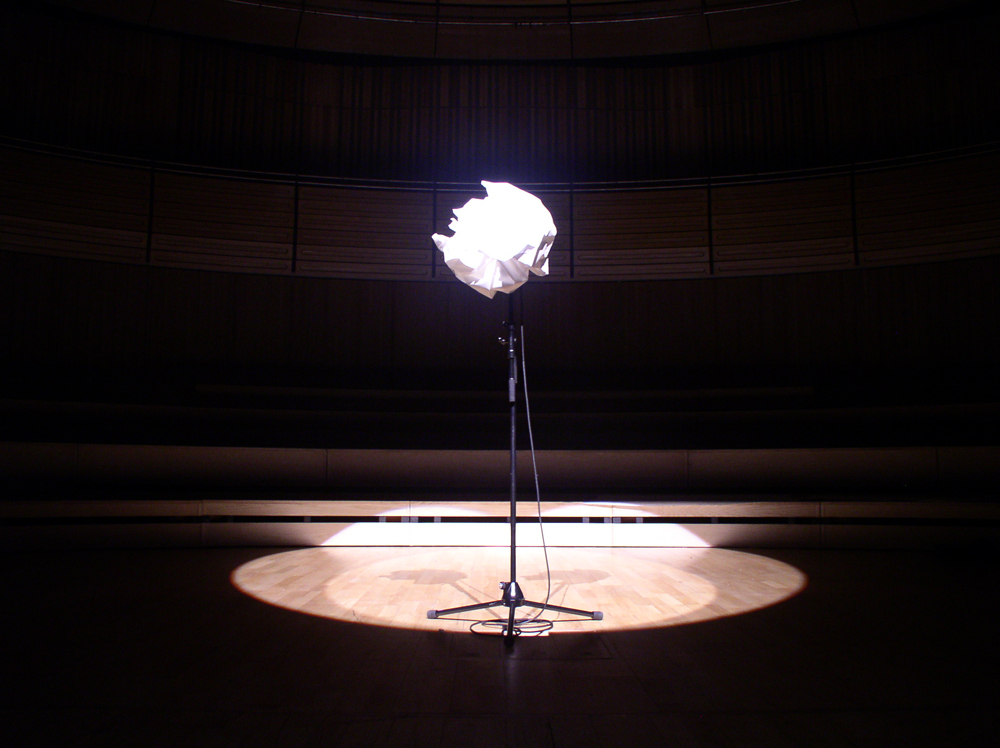
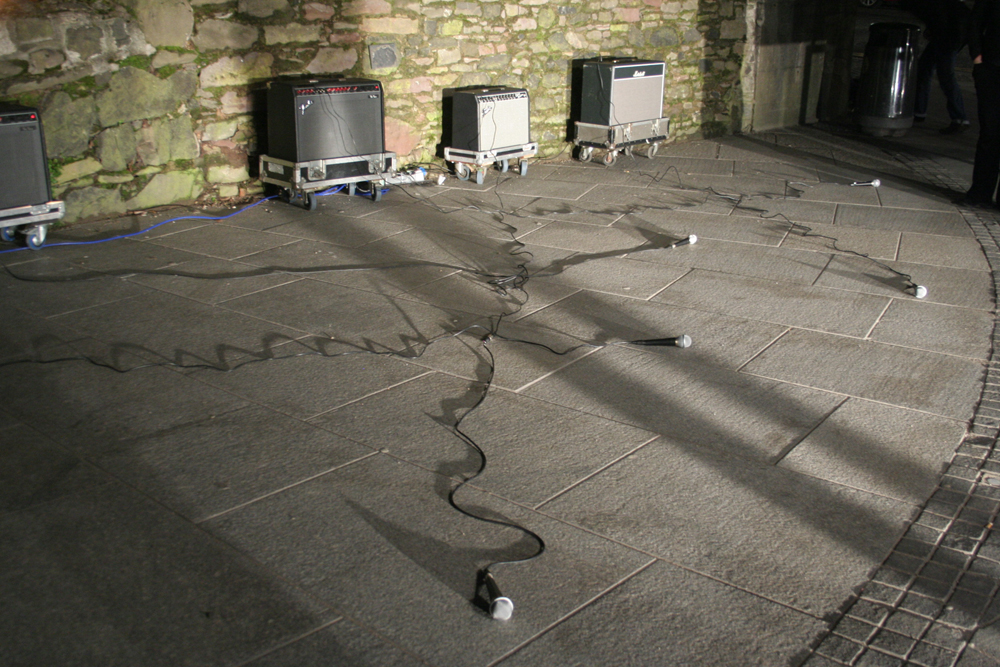
MICRO 1 – Wrap a live microphone with a very large sheet of paper. Make a light bundle. Keep the microphone live for another 5 minutes. T. Kosugi – (1961)
A queer black operatic requiem for piano and voice that asks us to stay in the hold of the slave ship, that tries to understand the connection from the slave ship to the prison.
For day four of Ultra-red’s project, the investigation will take up protocols for listening to the sound of freedom composed and facilitated by Fred Moten.
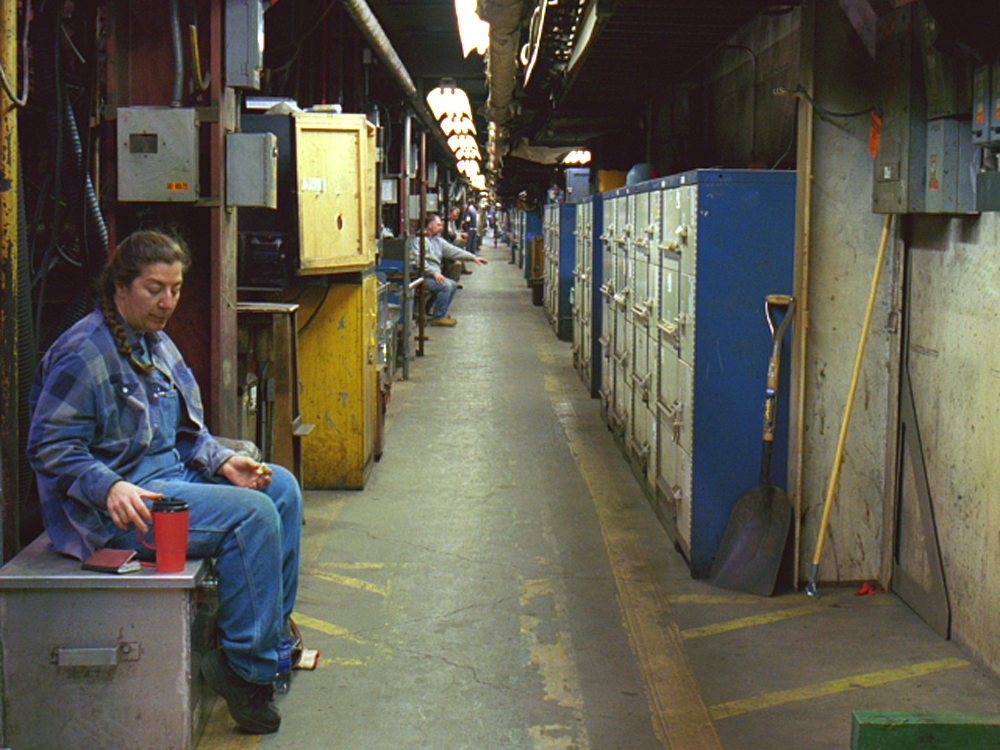
A slowed down single tracking shot along a corridor as workers at the Bath Iron Works, (Maine, USA) take their lunch break.
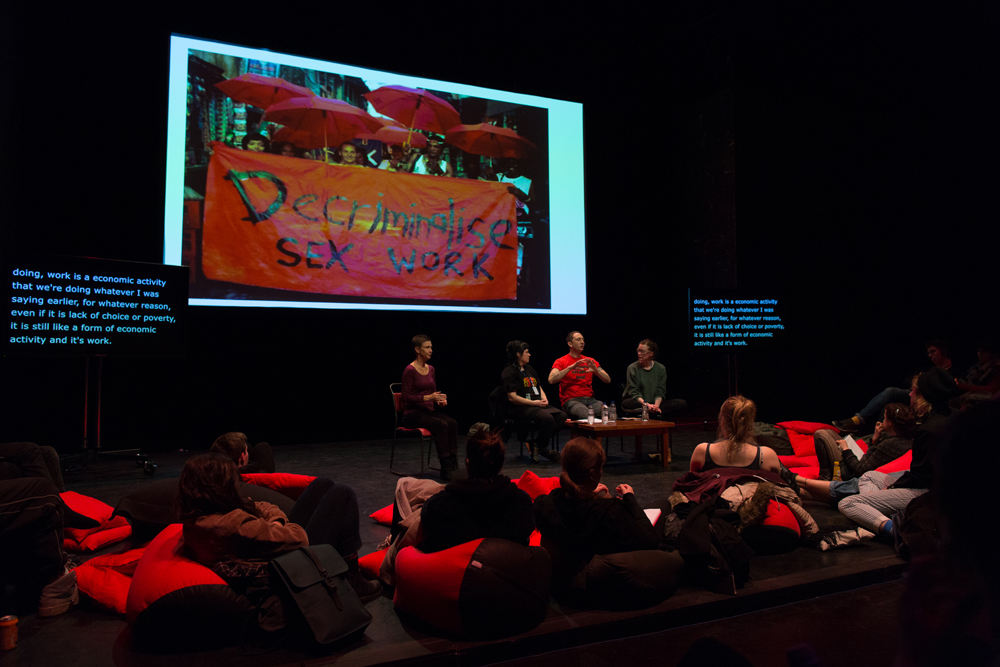
The struggle for sex workers’ rights and how we can understand it in the continuum of care work and other forms of invisibilised and precarious work.
The films in the programme take the essential and fundamental building blocks of cinema (combining sound and image through time) screw about with them, interrogate them and cast them anew.
Can we use sound, repetition and difference to personally and collectively engage with space, time and labour?