Mutual Aid on the Road to Abolition
Dean Spade Abolitionist Futures
How do we make the connections between the mutual aid practices of our daily lives and anti-capitalist efforts to dismantle wider systems of exploitation?
Arika have been creating events since 2001. The Archive is space to share the documentation of our work, over 600 events from the past 20 years. Browse the archive by event, artists and collections, explore using theme pairs, or use the index for a comprehensive overview.
How do we make the connections between the mutual aid practices of our daily lives and anti-capitalist efforts to dismantle wider systems of exploitation?
Glasgow. Power electronic klutz behaviour by Kovorox sound head-honcho. Bruised bodies and broken microphones.
Can we use sound, repetition and difference to personally and collectively engage with space, time and labour?
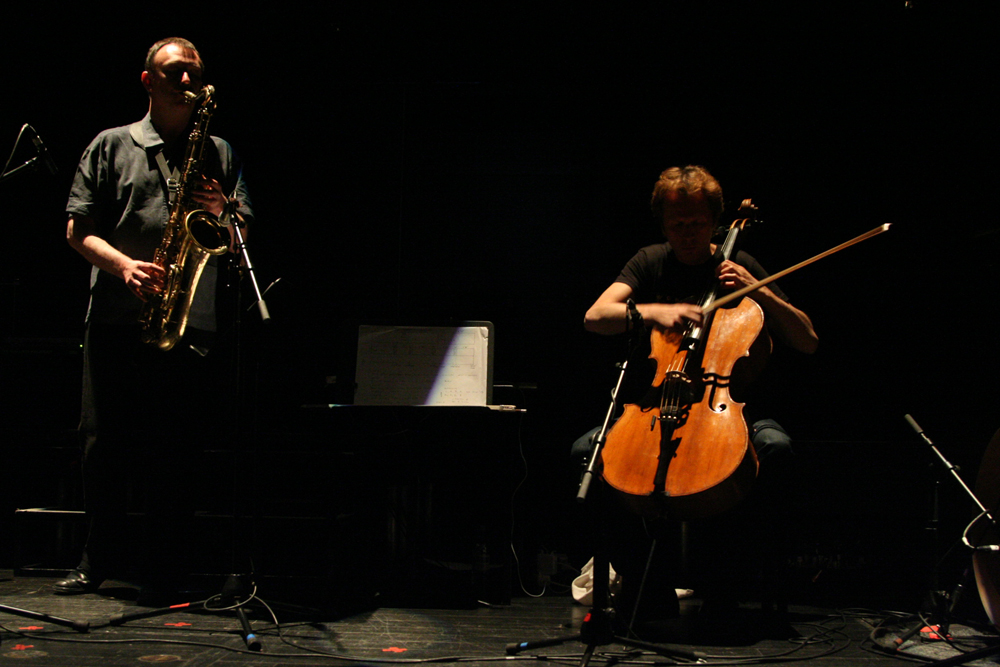
Andrew Chalk & Christoph Heemann return with their diaphanous, impressionistic drone duo; their slowly evolving and enthralling works flutter and quiver with elegantly restrained, miniature sound events.
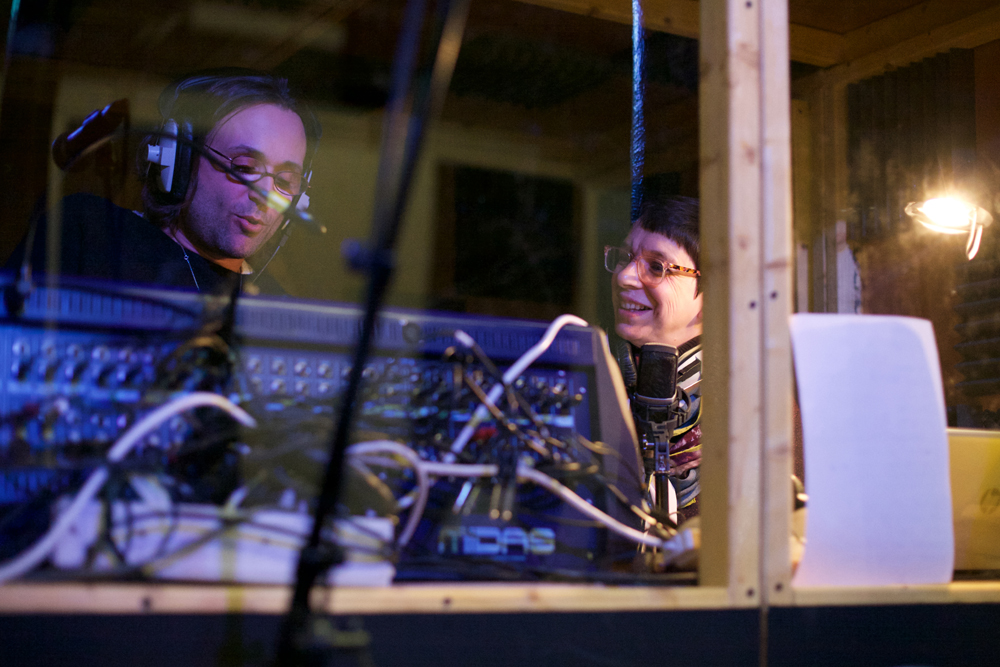
AVVA sees the internal feedback of Toshi’s no-input mixing desk is fed to Billy, and transformed into bright and variegated patters, striations and blooming colour, before being fed back to Toshi and manipulated on route to the PA.
5 days of film, music, discussion and study of our collective incompleteness—arrayed against the colonial ordering of how we come to know the world—practicing how we might exist otherwise, right here and now. Can we start to know and practice the world to come?
UK conceptual/ drone/ noise artist, who is seriously posing what might seem to be unanswerable questions of music.
Can a musician create a sonic photograph; something with a depth of field, where you can hear sounds and their interconnections, much as you see objects and their relationships in a photo? Could a filmmaker use musical concepts to represent landscape?
How do communities formed under the duress of violent othering and the joy of solidarity – such as ballroom culture, Black diasporas, Zapatistas – reform bonds of kinship?
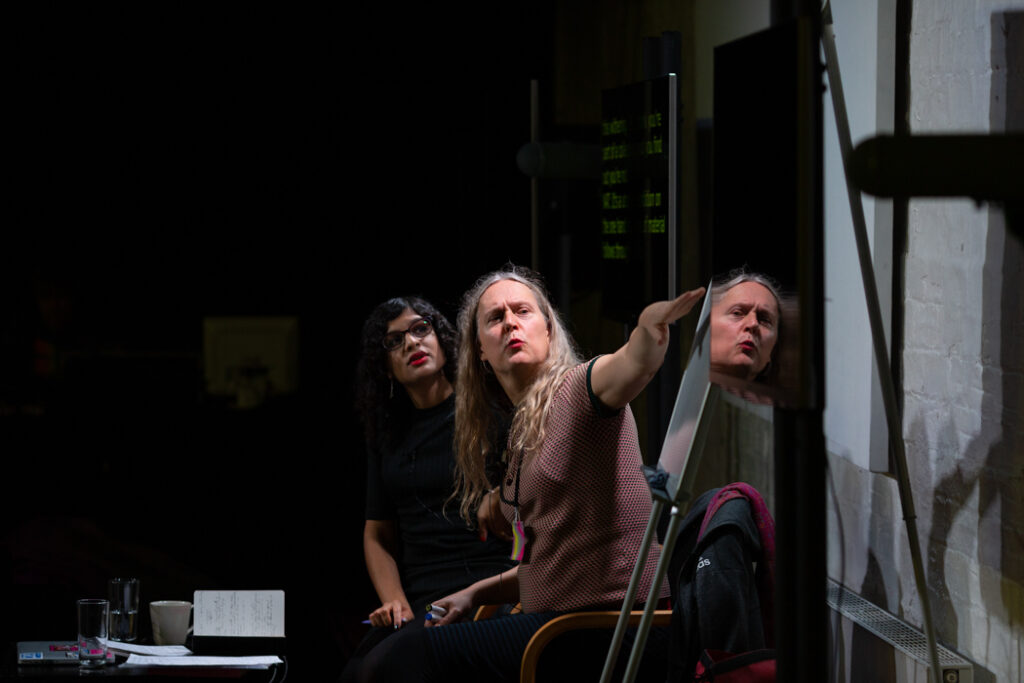
A joyful conversation discussing disability, gender transition and care labour as expressions of virtuosic and innovative skills that make care – good care – possible.
What is the radical concept at the core of ‘rhythm’, expanded from simply musical or mathematical notions to encompass personal, social, collective rhythms?
A kind of performed installation of searing noise and silence, where we’re not sure who the performer is, when it starts or ends or even who it’s for.