Paper Piece: Secrets
Brandon LaBelle
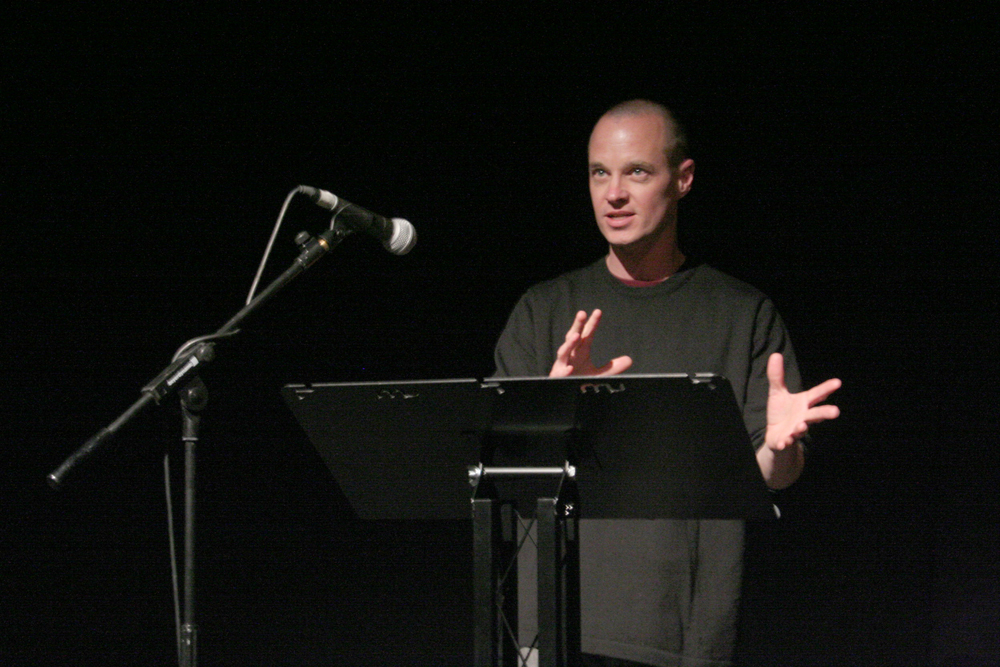
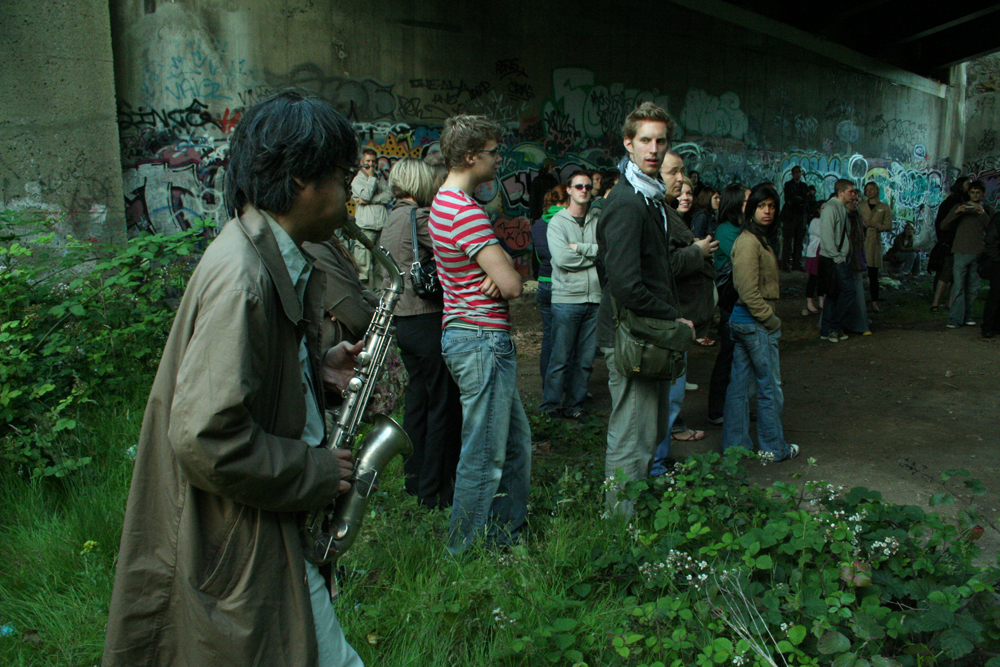
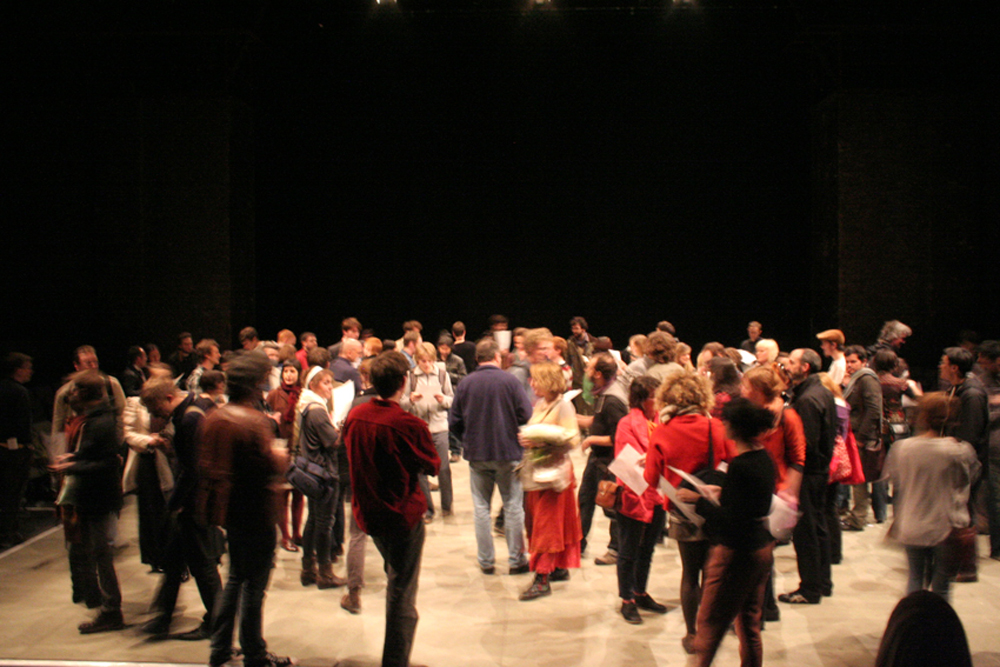
Paper Piece: Secrets is a performance for and with the whole audience, using paper, text, secrets, being in the crowd
Arika have been creating events since 2001. The Archive is space to share the documentation of our work, over 600 events from the past 20 years. Browse the archive by event, artists and collections, explore using theme pairs, or use the index for a comprehensive overview.
Paper Piece: Secrets is a performance for and with the whole audience, using paper, text, secrets, being in the crowd
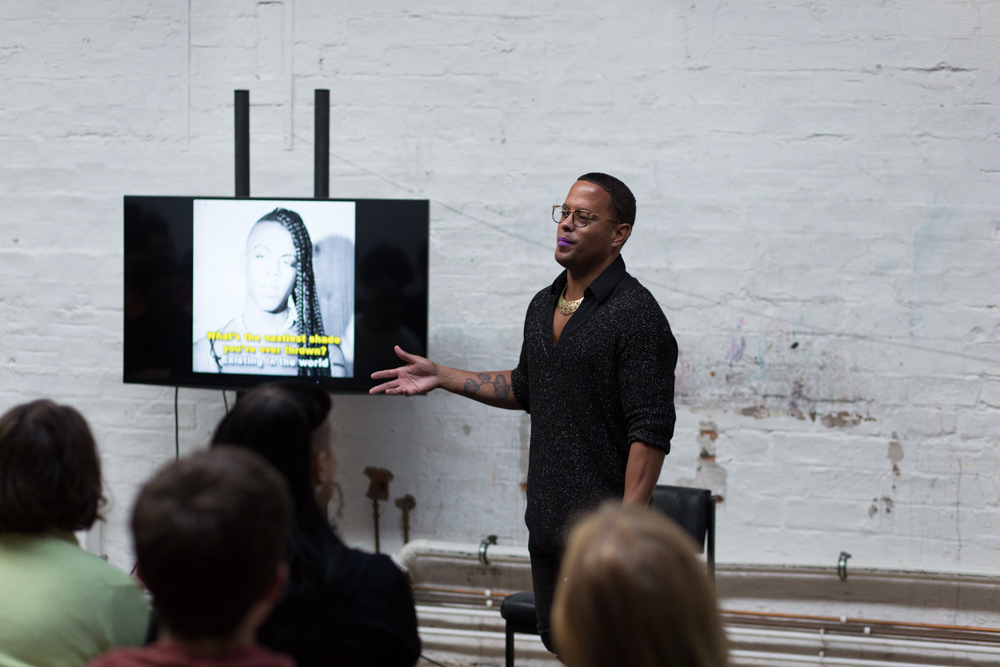
How black radical practices of abolition imagine a way out of the caging and mass killing of life.
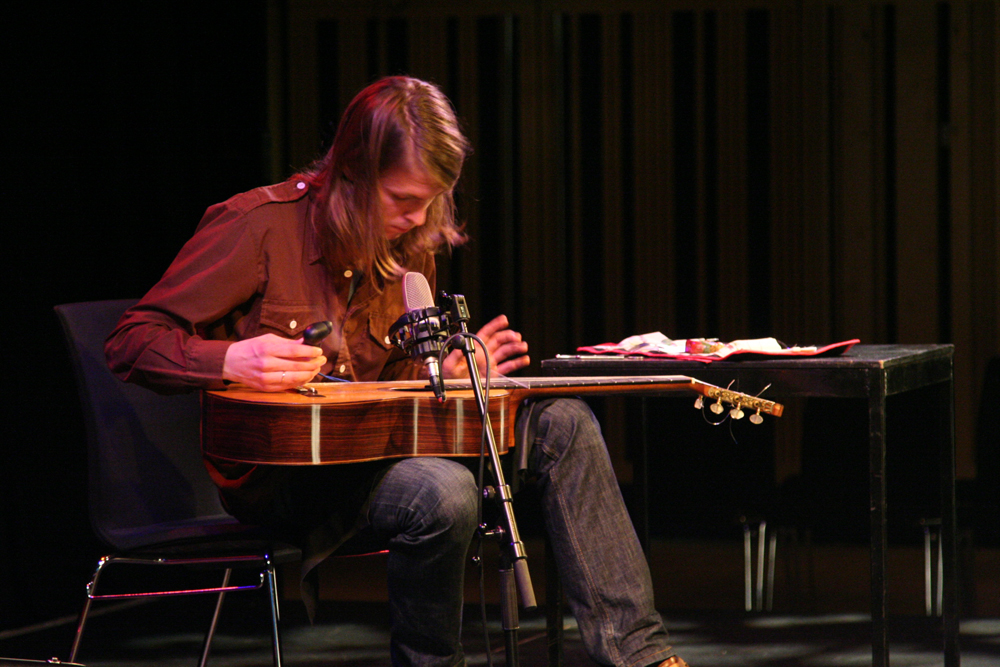
A guitar solo of frugal wringing, of notes in the dark, an attitude of making everything count.
Discussion with David Keenan: an author, critic and musician based in Glasgow, Scotland. He is best known for the reviews and features he has contributed to The Wire.
Goodwin’s writing emanates from the social life of poetry, from a condition of entanglement before historically racially-specific forms of representation. Another word for this emanation is breath.
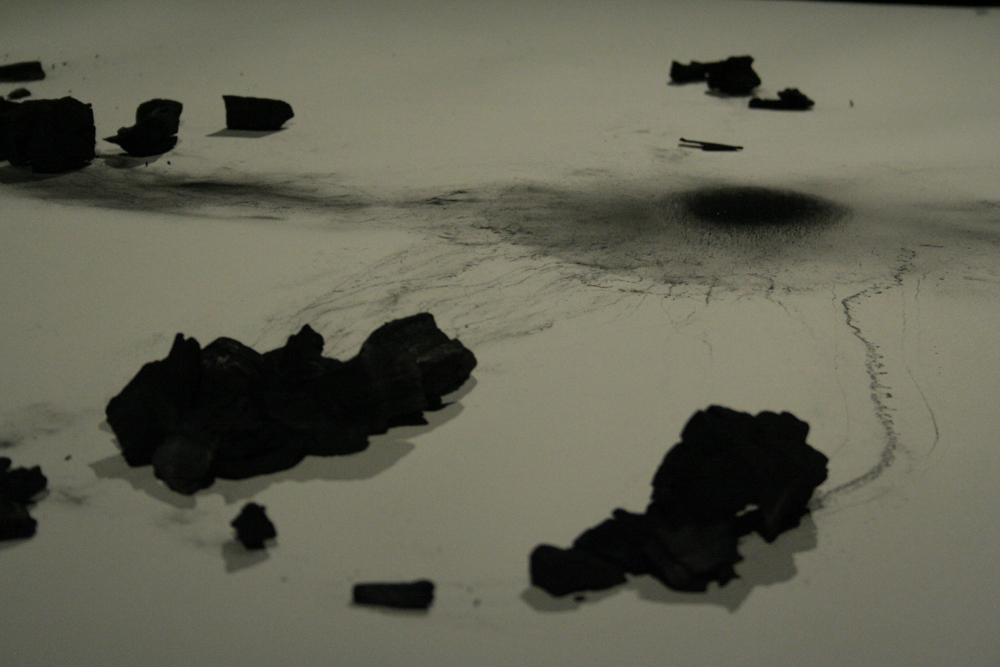
Laser beam sine tones used to draw delicate, abstract patterns by vibrating charcoal, placed atop of a great strip of paper running through the gallery; beautiful, fragile sound-created autonomous drawing.
Dworkin asks: What would a non-expressive poetry look like? A poetry of intellect rather than emotion?
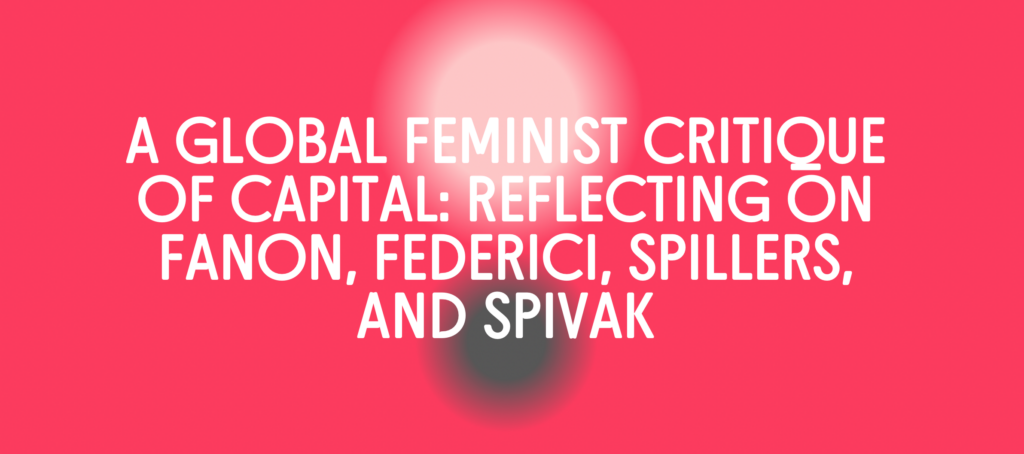
A conversation and livestream considering a global feminist critique of capital with Silvia Federici, Hortense Spillers and Gayatri C. Spivak.
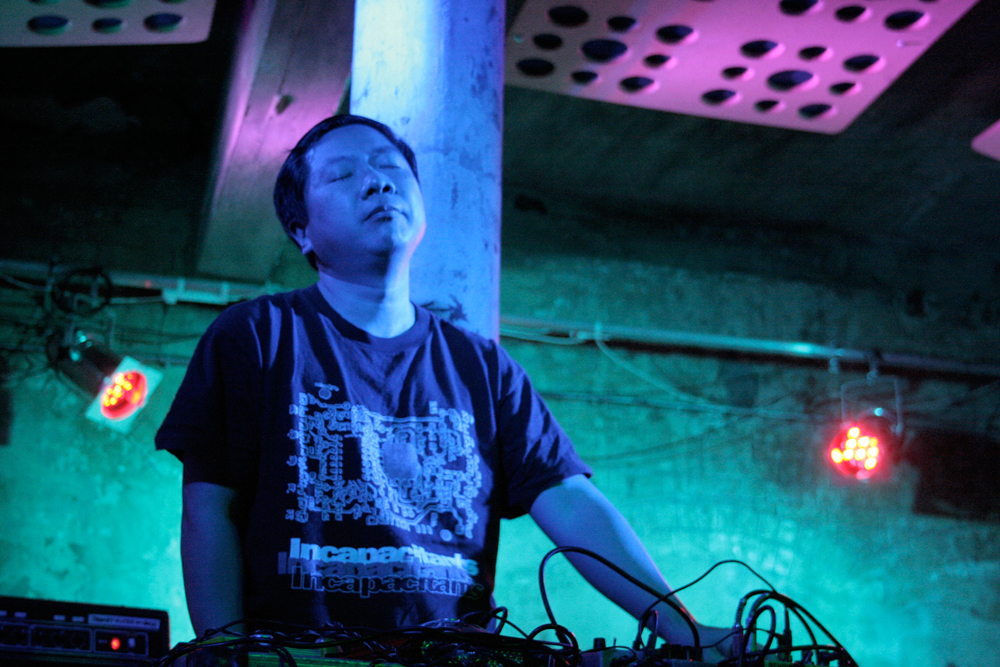
Ecstatic, scalding and ludicrously heavy, nobody matches Incapacitants for live noise energy. One of the most exhilarating live acts in underground music.
Instead of the one-way monologue of normal performance, what would be the result of an actual collective dialogue? Where would it go?
A concrete walkway ending in mid air, a ridiculously tight squeeze between three office buildings and various other sites of Labour politician and council leader T. Dan Smith’s modernist regeneration projects and ‘slum clearances’ of the 1950’s and 60’s.
In a moment of social exhaustion, we want to ask how we might care for each other differently. We Can’t Live Without Our Lives is a 5-day exploration of care as a form of struggle and resistance, with communities who embody it.