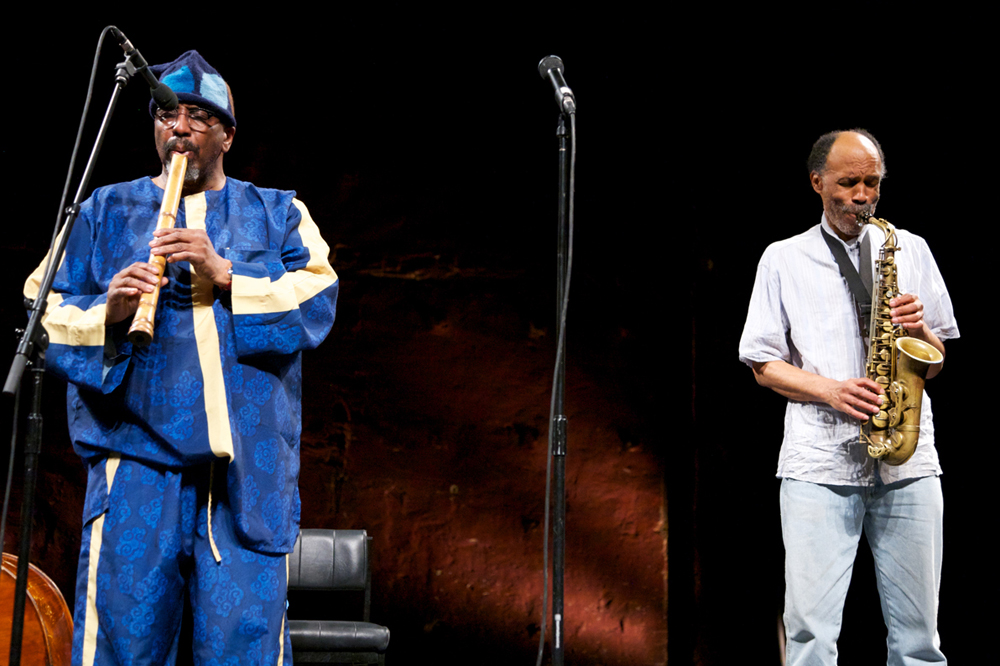
Daniel Carter & William Parker
Daniel Carter William Parker
What might Carter and Parker’s collaboration tell us about our own performances of responsibility and liberty, whether individual, social or musical?
Arika have been creating events since 2001. The Archive is space to share the documentation of our work, over 600 events from the past 20 years. Browse the archive by event, artists and collections, explore using theme pairs, or use the index for a comprehensive overview.
What might Carter and Parker’s collaboration tell us about our own performances of responsibility and liberty, whether individual, social or musical?
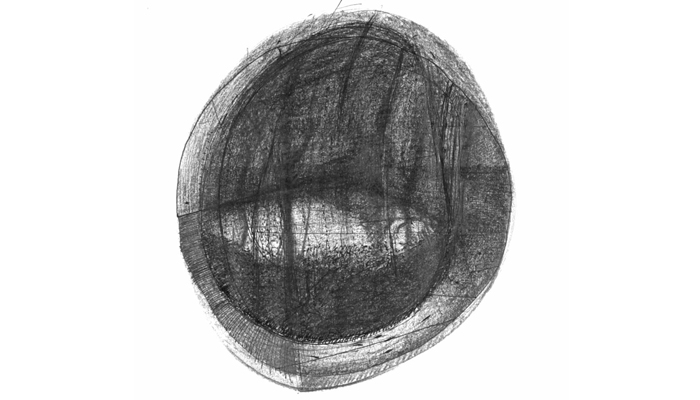
Each organ is unique. The project is to find out what makes it unique.
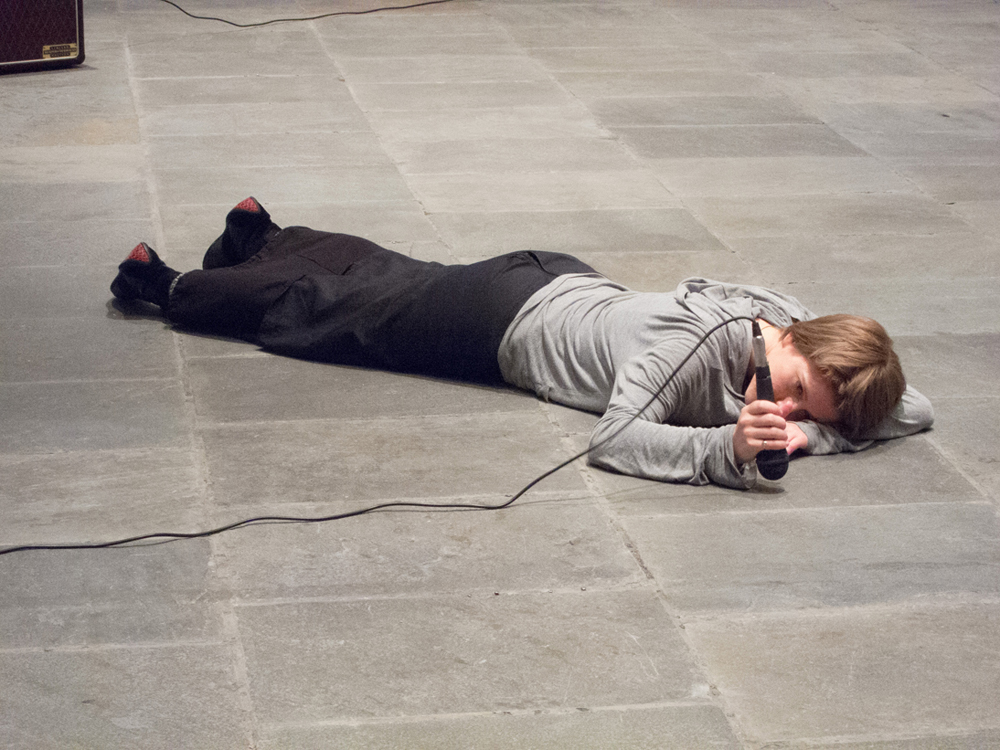
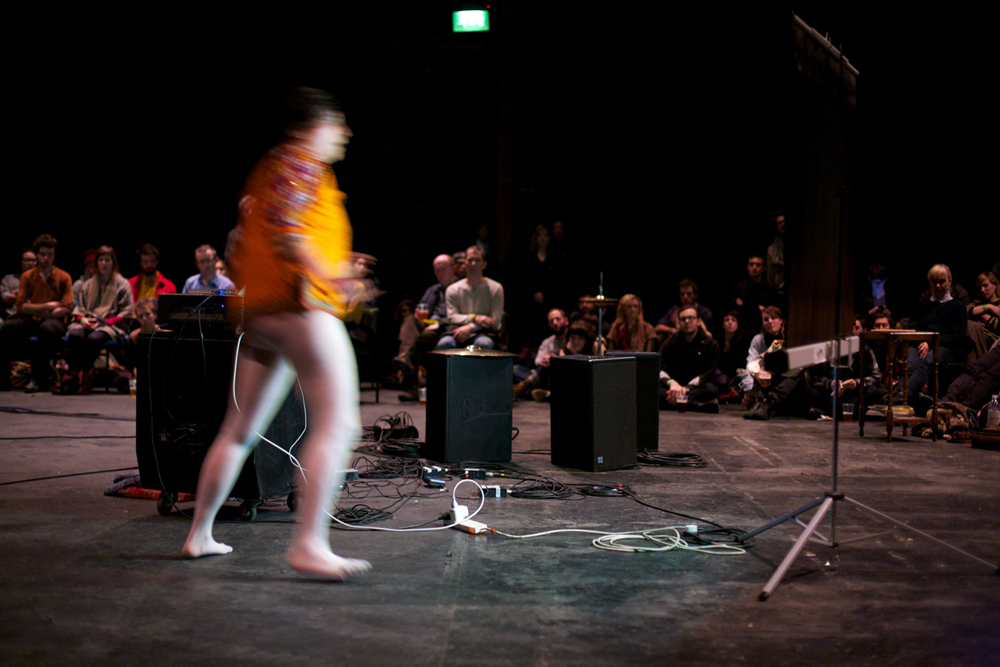
Sound as it is endured by space and the body: 15 participants lie face down and pound the floor with a microphone one thousand times, each person choosing their own rhythm and intensity.
What is the radical concept at the core of ‘rhythm’, expanded from simply musical or mathematical notions to encompass personal, social, collective rhythms?
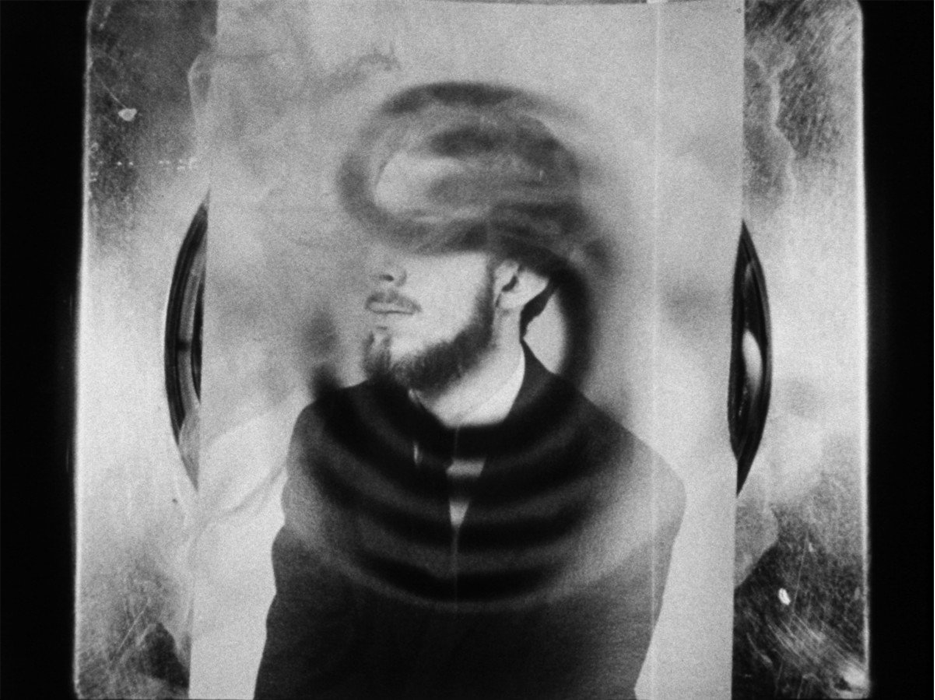
A programme that looks at how sound and image can be treated as variants in a collection of ordered objects; at how to create meaning from the similar, and to notice difference.
Slapstick comedy, monologue, and a kind of live sculpture transformed through video, props, musical instruments and make-up.
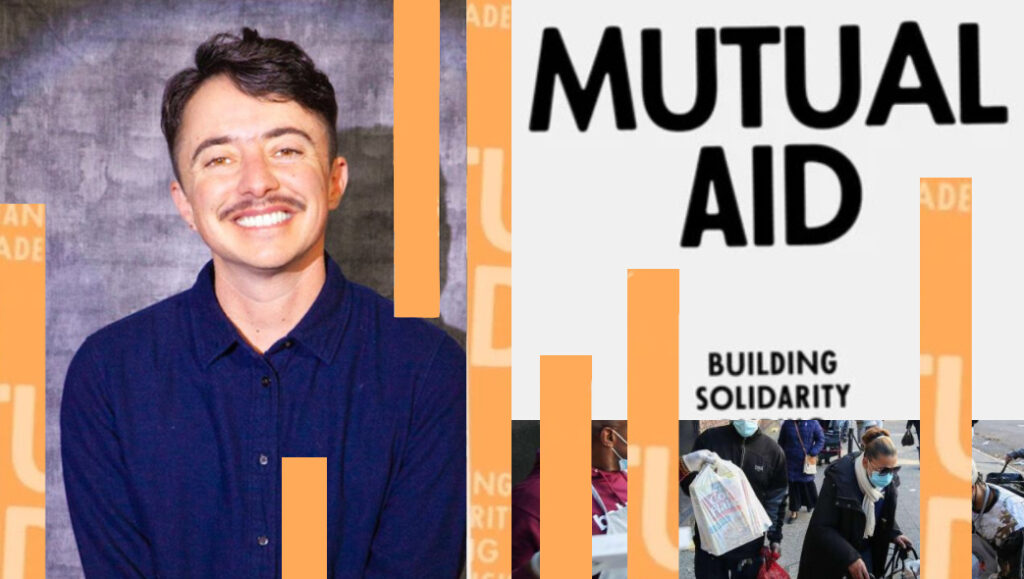
In this interactive workshop, Dean Spade, author of Mutual Aid, will share key principles, explore common challenges in mutual aid work, and offer tools for working through them.
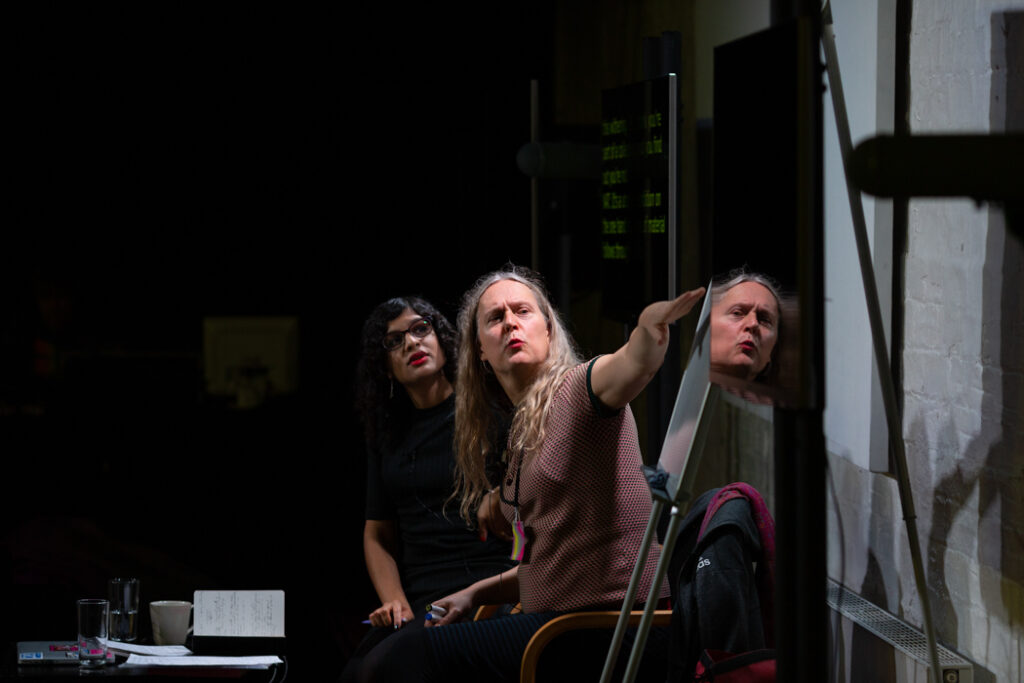
Underlying radical transfeminism, as an urgent critique of binary essentialism and fixed identities, is the call for a new kind of thinking that can move between and integrate the truths of all lives in their transformations.
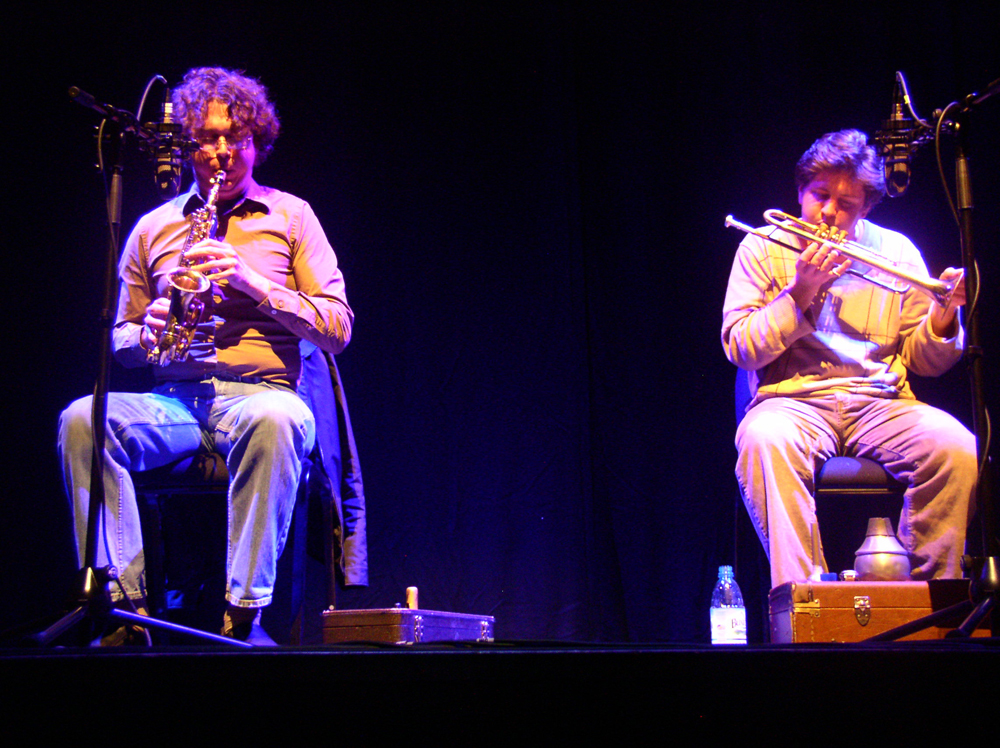
Boston duo of saxophonist Bhob Rainey and trumpeter Greg Kelley approach their improvisations with a slew if extended techniques and pregnant silences.
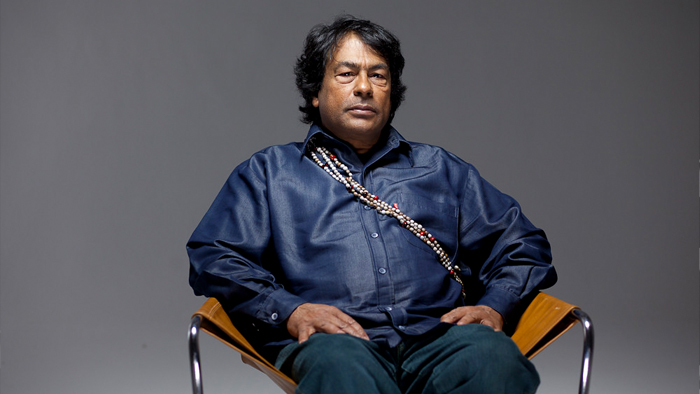
A recorded a conversation that grounds the Episode, exploring Ailton Krenak’s thinking and distinct poetics of life; as it work against capitalism and fascism, as a denunciation of political alliances, and maybe even of ‘politics’.
Discussion: If we approach “care as an event” rather than as a “contract of exchange” then what becomes possible in how we know, care for, and appreciate each other?
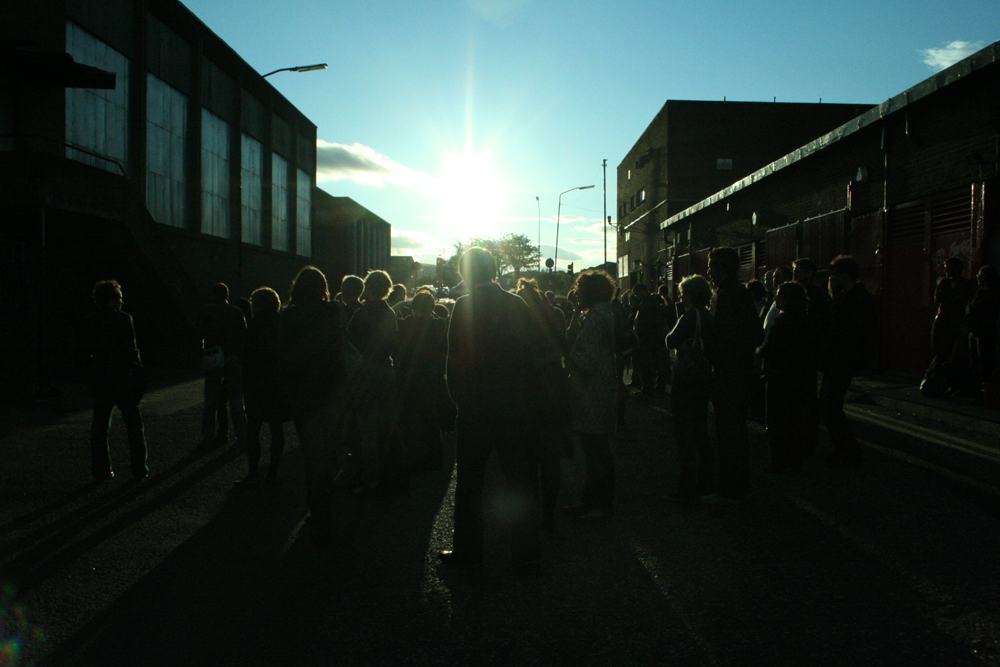
Location: Around and about the old public library in Easterhouse; disinvested in and left to rot by the council but which was shamelessly, hastily and superficially cleaned by them in expectation of our event.