Ode to 1 & under
Constantina Zavitsanos Park McArthur
How can we imagine bodies not as an end in themselves, but as a medium through which we can become one another’s means?
Arika have been creating events since 2001. The Archive is space to share the documentation of our work, over 600 events from the past 20 years. Browse the archive by event, artists and collections, explore using theme pairs, or use the index for a comprehensive overview.
How can we imagine bodies not as an end in themselves, but as a medium through which we can become one another’s means?
Save the dates for Episode 12.
Wednesday 11 – Sunday 15 November 2026
Join Brian as he ruminates on the history of how experimental filmmakers and sound artists have drifted into and taken over galleries in order to show their work.
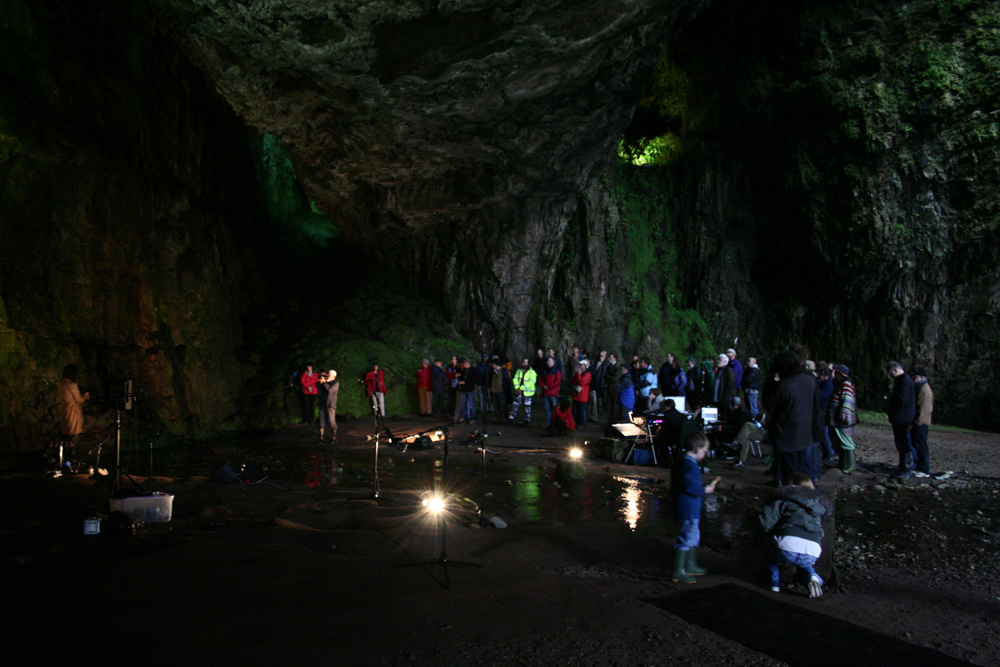
Akio Suzuki and John Butcher performing in a remote sea cave near Durness.
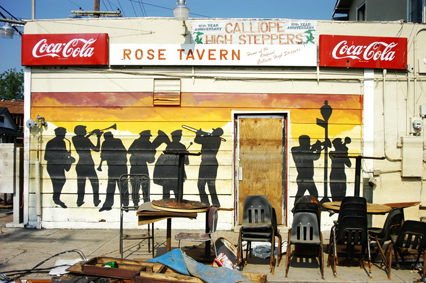
A dismantled, performed film, where a narrator pieces together the sounds, images and storytelling of a documentary about Hurricane Katrina before a live audience.
A chat with Rashad about the communist, conceptual methodology that informs his ground-breaking synthetic music—a form of speculative sonic fiction writing to produce hyperreal non-representational auditive experiences.
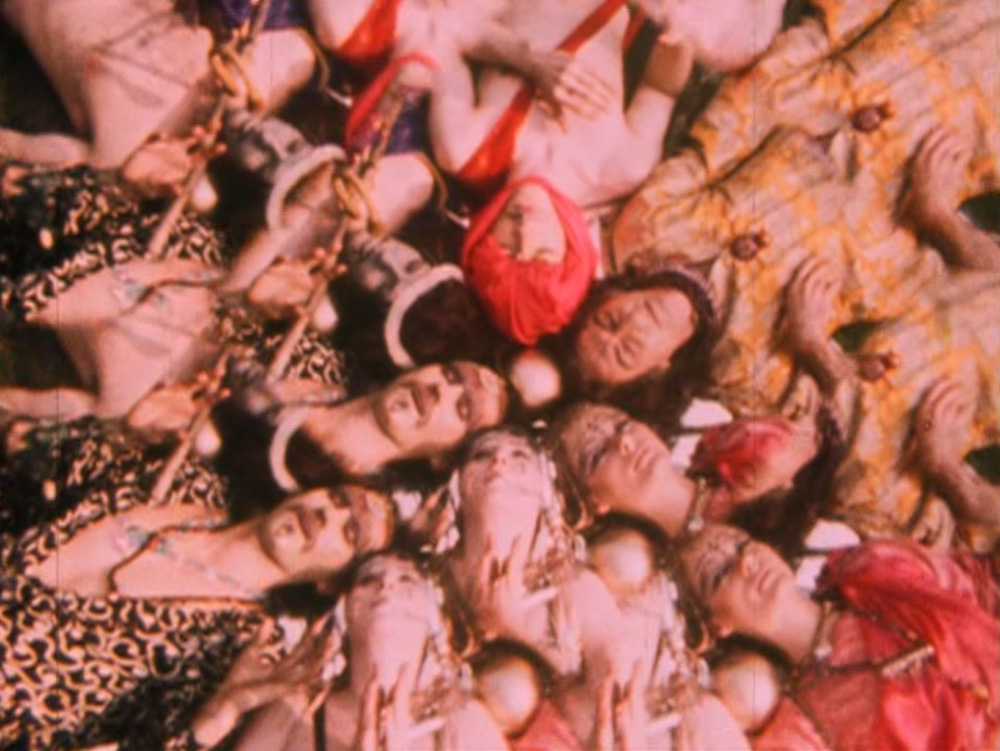
Beat poet Ira Cohen’s now infamous and wildly psychedelic film odyssey feeds one’s own seeing apparatus through beautifully warped and distorting mylar mirrors, resulting in a film dense and rich with visual arcana and poetry.
Nina’s going to talk about November, by Hito Steyerl: what and how the film thinks, or about what and how it might makes us think (which is connected, but not the same thing), by watching, and it discussing (with you?).
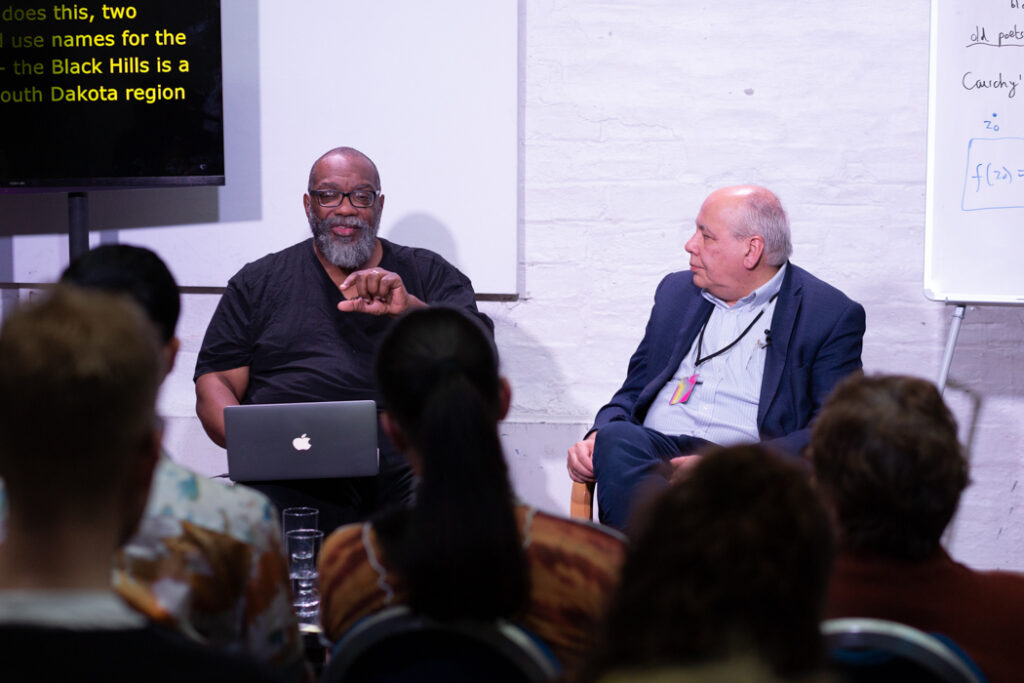
A back and forth between Fred and Fernando on the transits and obstructions between mathematics and poetics, and how both help us to think from the other side.
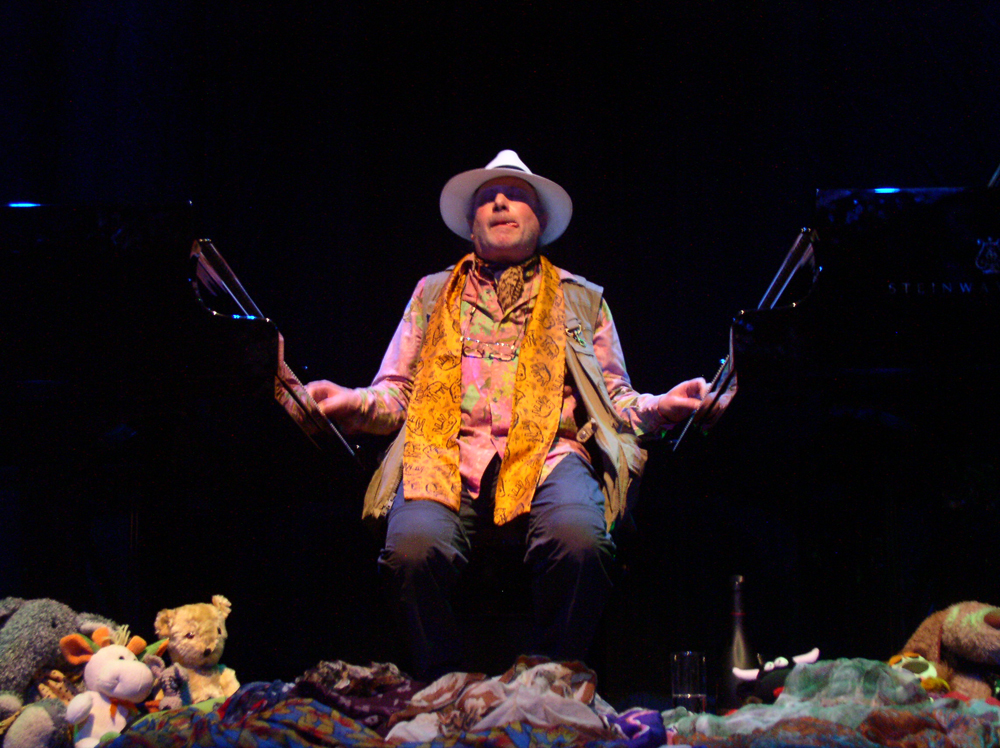
An extravagant debauch of huge pianos, plush toys, cognac and ritual.
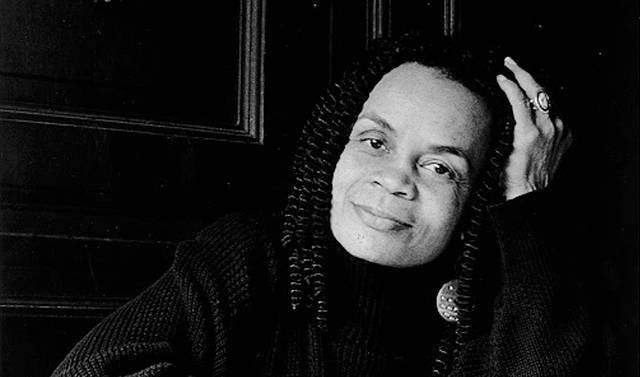
A poet, playwright and activist, Sanchez emerged as a seminal figure in the 1960s Black Arts Movement, writing in the name of black culture, civil rights and women’s liberation.
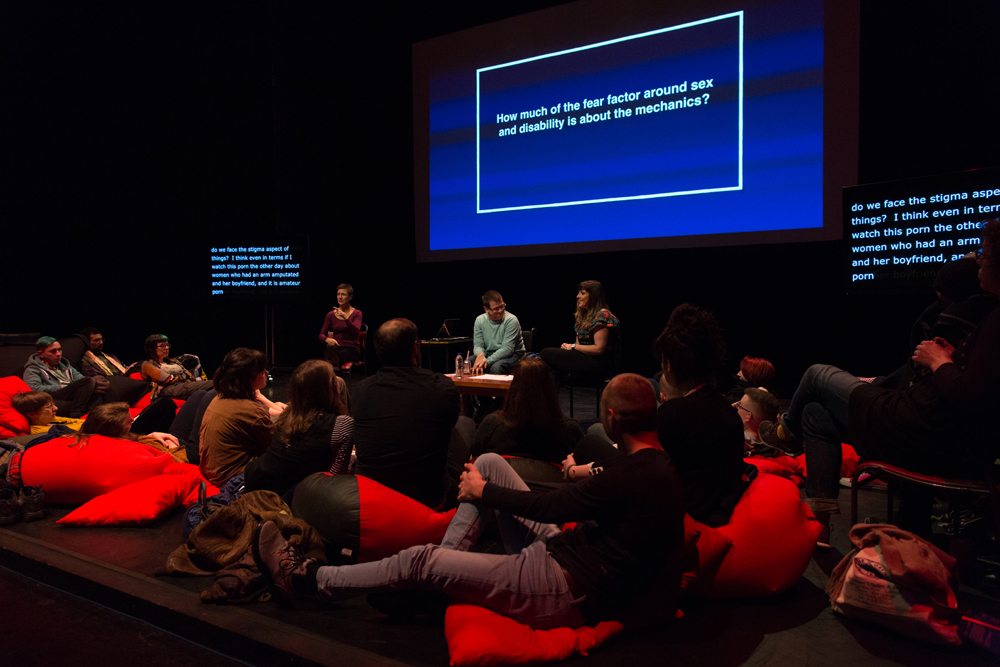
How do people living with disability see themselves in today’s sexualised culture? How do we imagine our crip sexual selves despite society wanting to reduce us to non-erotic bodies?