Lunch Break
Sharon Lockhart
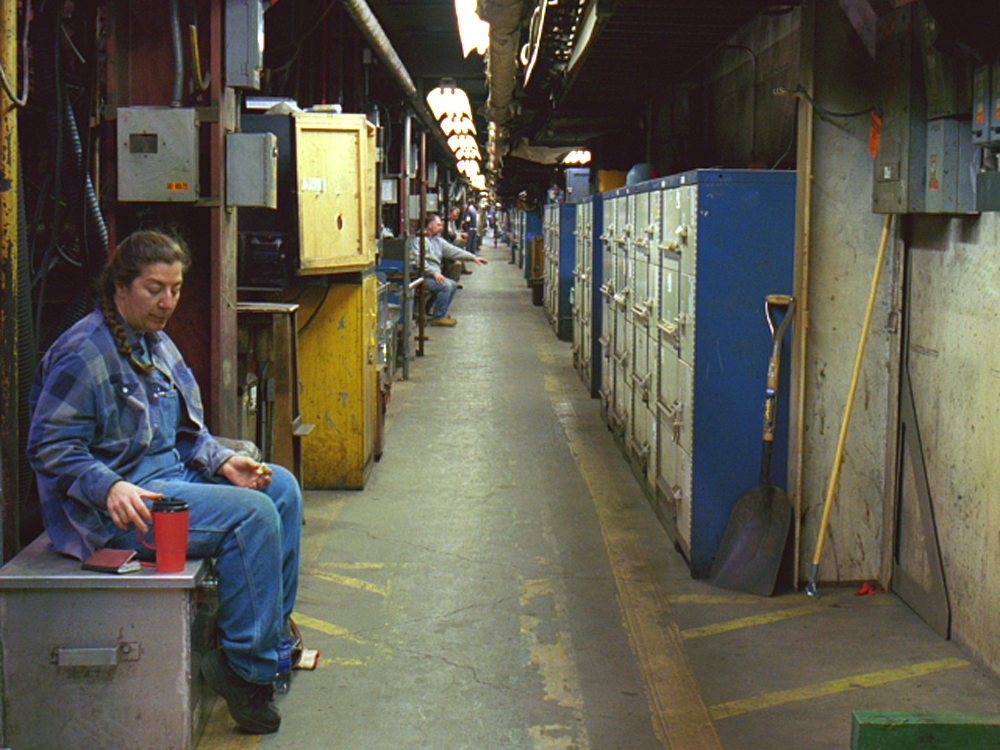
A slowed down single tracking shot along a corridor as workers at the Bath Iron Works, (Maine, USA) take their lunch break.
Arika have been creating events since 2001. The Archive is space to share the documentation of our work, over 600 events from the past 20 years. Browse the archive by event, artists and collections, explore using theme pairs, or use the index for a comprehensive overview.
A slowed down single tracking shot along a corridor as workers at the Bath Iron Works, (Maine, USA) take their lunch break.
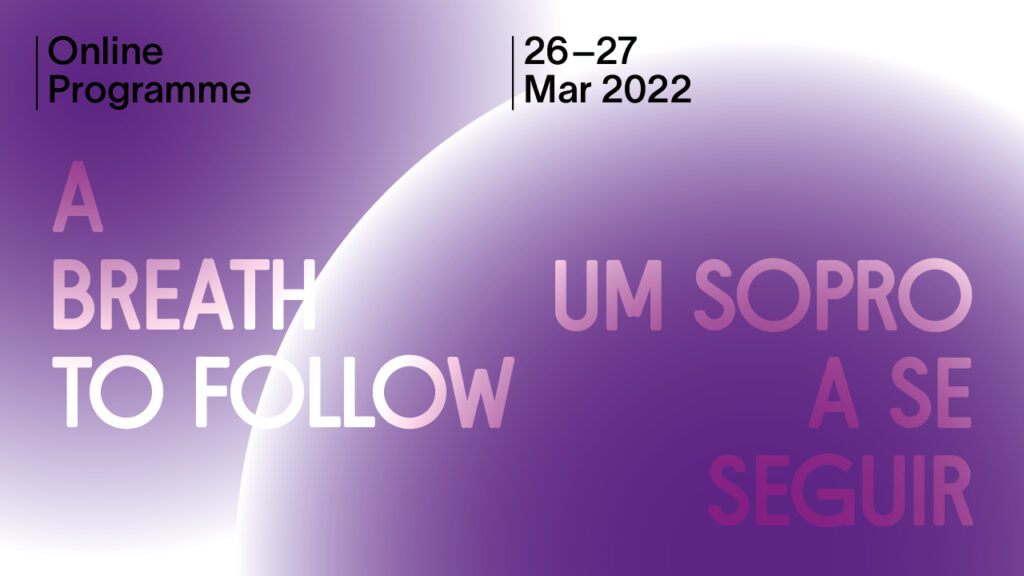
2 days of online discussions and artists presentations exploring the cosmological, decolonial, sensorial practises of Black and Indigenous grass roots art, dance and music collectives in Brazil.
Dois dias de discussões e apresentações online de artistes explorando as práticas cosmológicas, decoloniais e sensoriais de coletivoas de arte, dança e música de base negra e indígena no Brasil.
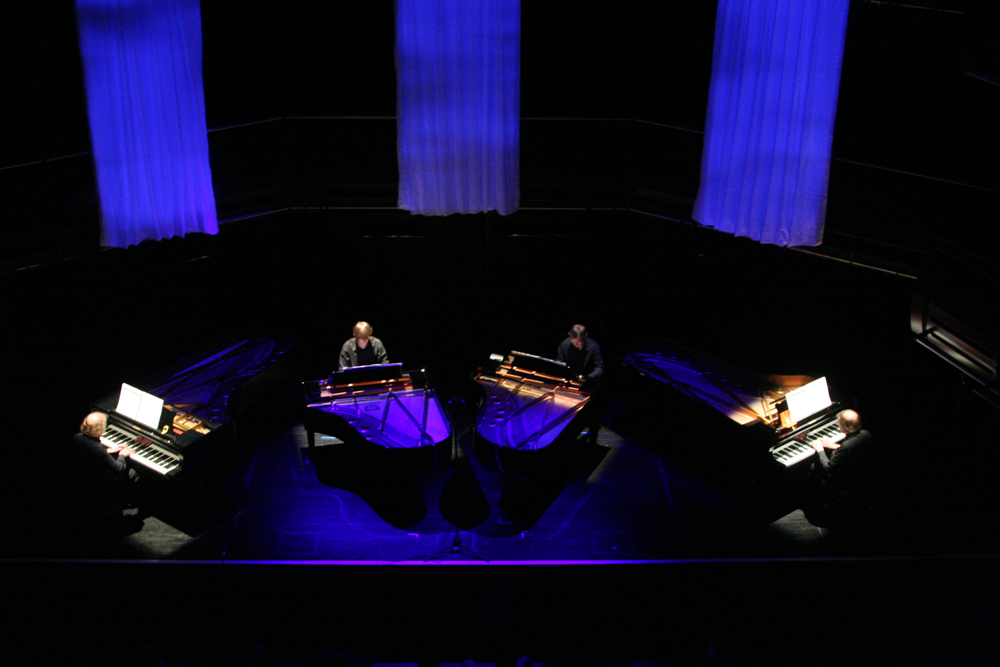
Julius Eastman’s Evil Nigger for 4 pianos performed by Joe Kubera, Kate Thompson, David Murray, Alan Fearon and Simon Passmore.
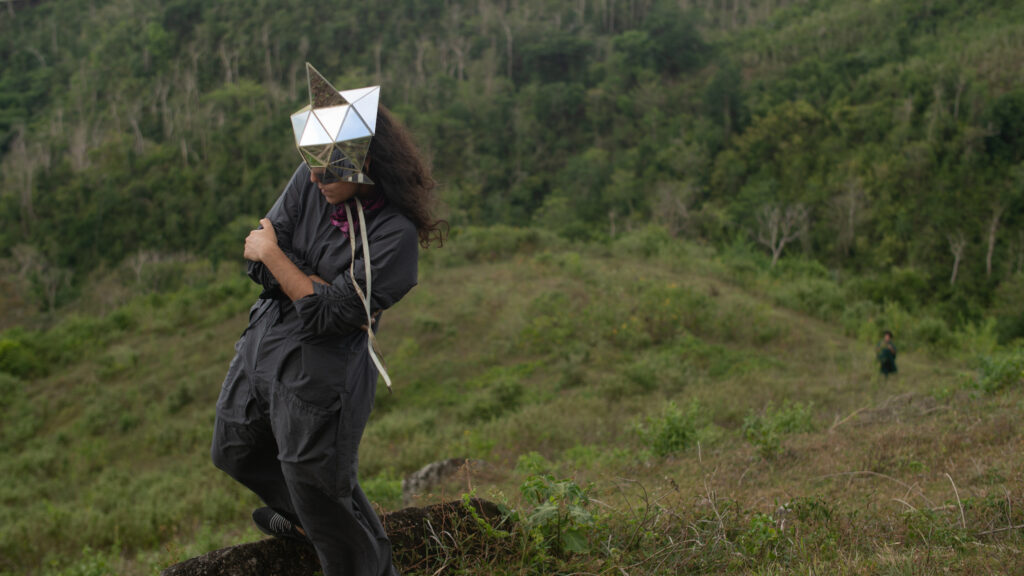
Beatriz will explore her thinking, on film as translation, plural subjectivity or land-based militancy. Discussion will centre around her work Oriana and its companion piece Oenanthe, which will be screened in full.
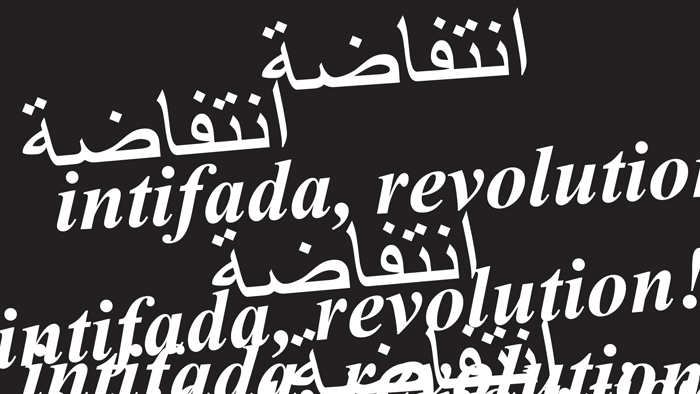
A workshop for educators, activists and young people to think about radical, anti-imperialist pedagogy, and what fighting for the Palestinian cause looks like for young people in the imperial core. PDF of the resource available soon.
A historical narrative of the black and latino/a transgender, bisexual, lesbian, and gay House and Ballroom Scene in relation to its artistic practices.
Formed as a means to realise William Bennett’s goal of “a sound that could bludgeon an audience into submission”
Work for cello, percussion, contra bassoon and cherbulum commissioned for Instal in collaboration with Paragon
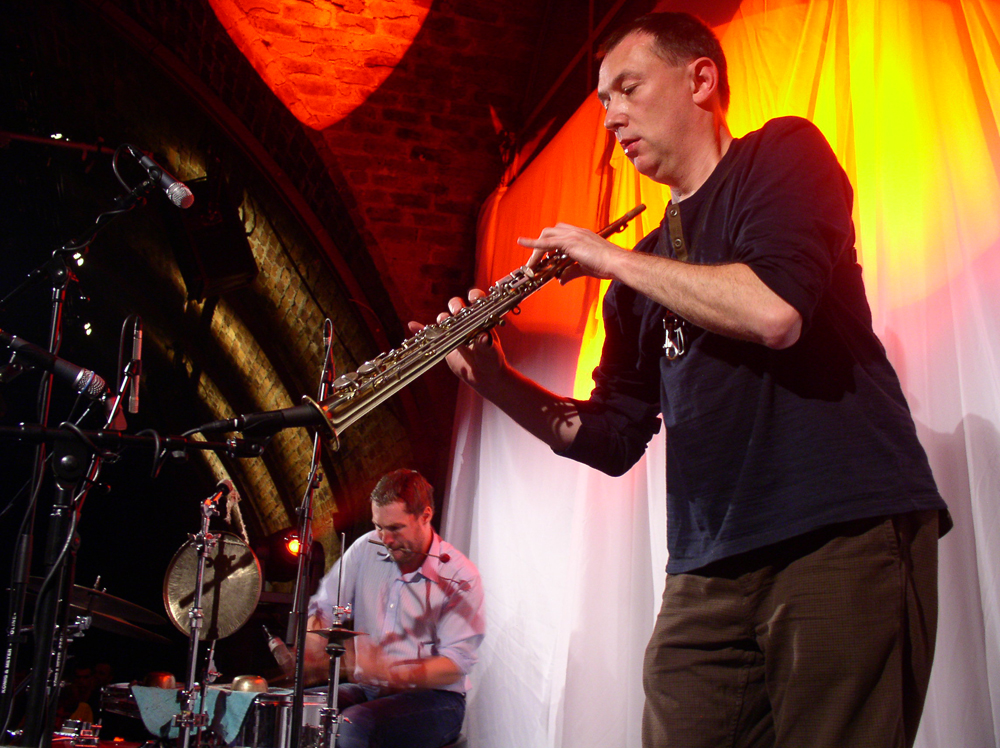
Originally billed as a duo of Ingar Zach and Derek Bailey, John Butcher stood in for Bailey at the last minute.
Over 3 days Episode 8 celebrates all the unruly ways we escape attempts to constrain us, tear down the walls of normative culture and build joy in flight.
What happens when you are engaged in a deep and extended artistic practice that intersects between literature and music, notation and improvisation, sight and sound?
What’s the relationship between the eternal hum of the oceanic beloved and the persistence of vorticity in fluid dynamics? And how does Alice Coltrane’s harp help us stay there?