Twenty Looks or Paris is Burning at The Judson Church (S)
Trajal Harrell
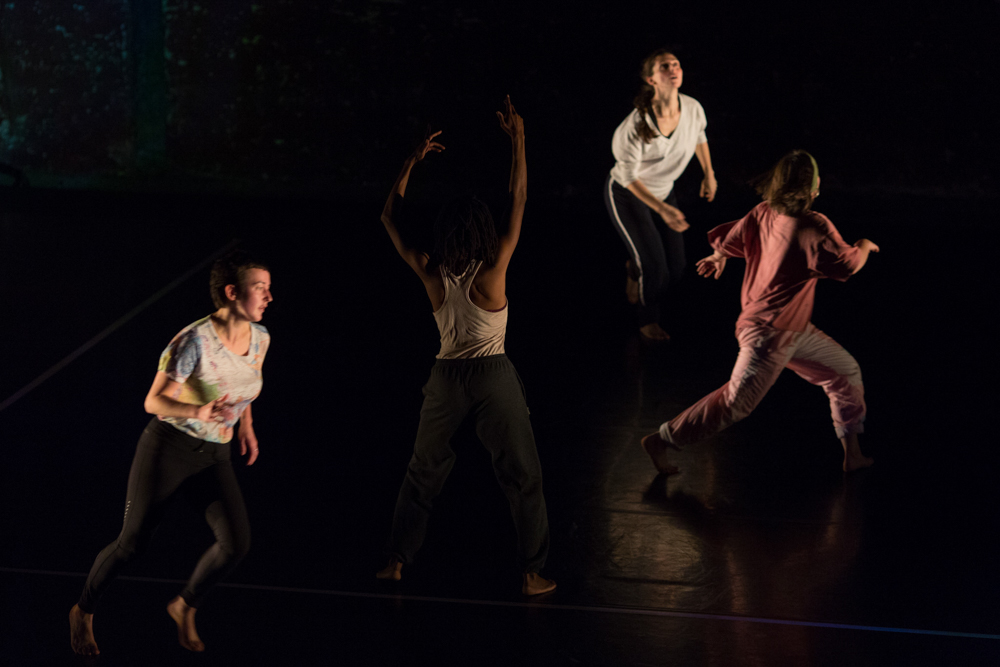
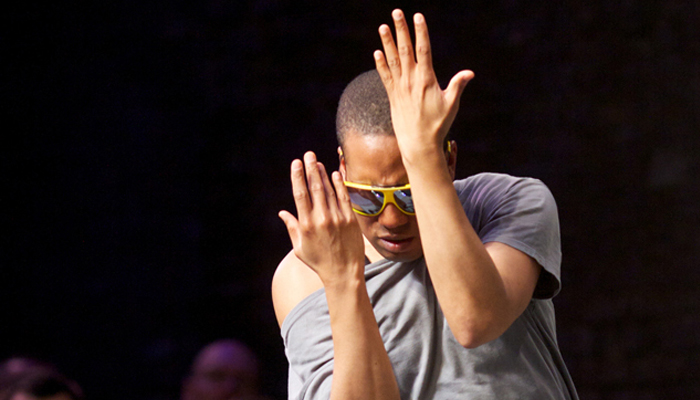
A meditation on how all of us perform — sometimes reinforcing, sometimes subverting — the shifting categories of gender, sexuality and race.
Arika have been creating events since 2001. The Archive is space to share the documentation of our work, over 600 events from the past 20 years. Browse the archive by event, artists and collections, explore using theme pairs, or use the index for a comprehensive overview.
A meditation on how all of us perform — sometimes reinforcing, sometimes subverting — the shifting categories of gender, sexuality and race.
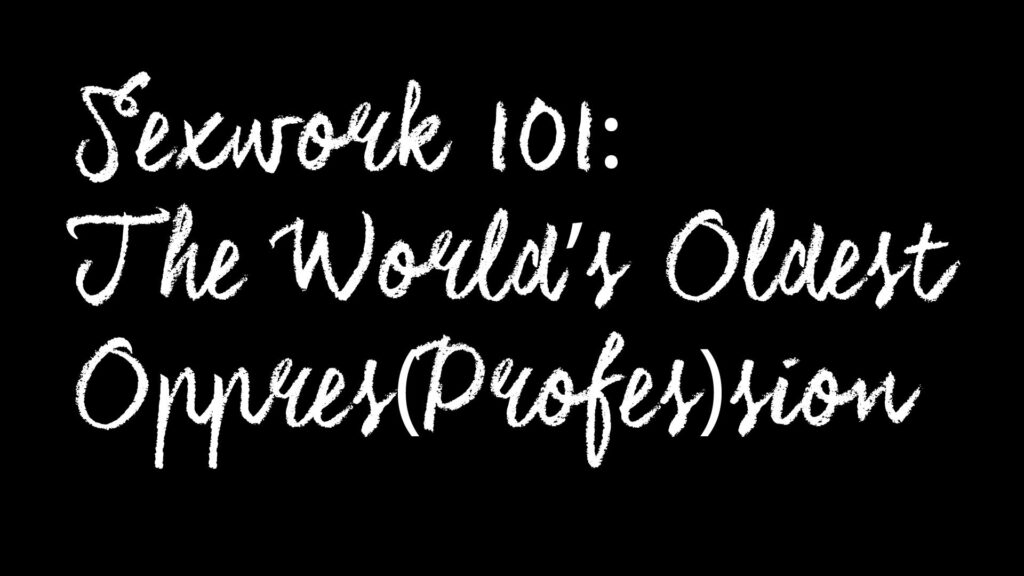
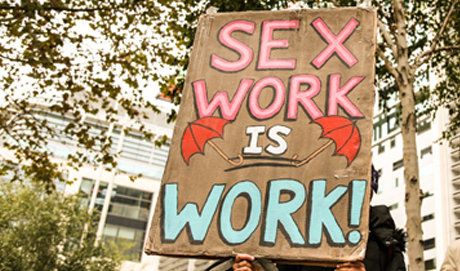
A 101 panel on sex work in Scotland, hosted by Scotland for Decrim and National Ugly Mugs
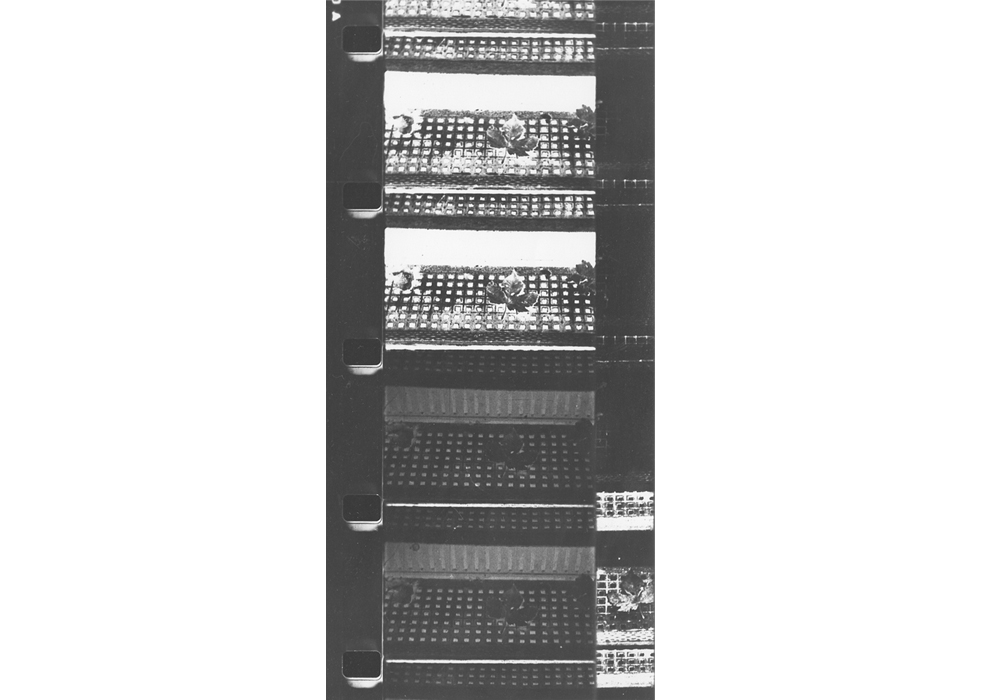
A programme looking at landscape, filmic or architectural spaces and at how the fixed stare of a camera frame only captures so much reality; here we focus on how filmmakers structure our relationship with that reality and at how they relate it to or interpret it through sound.
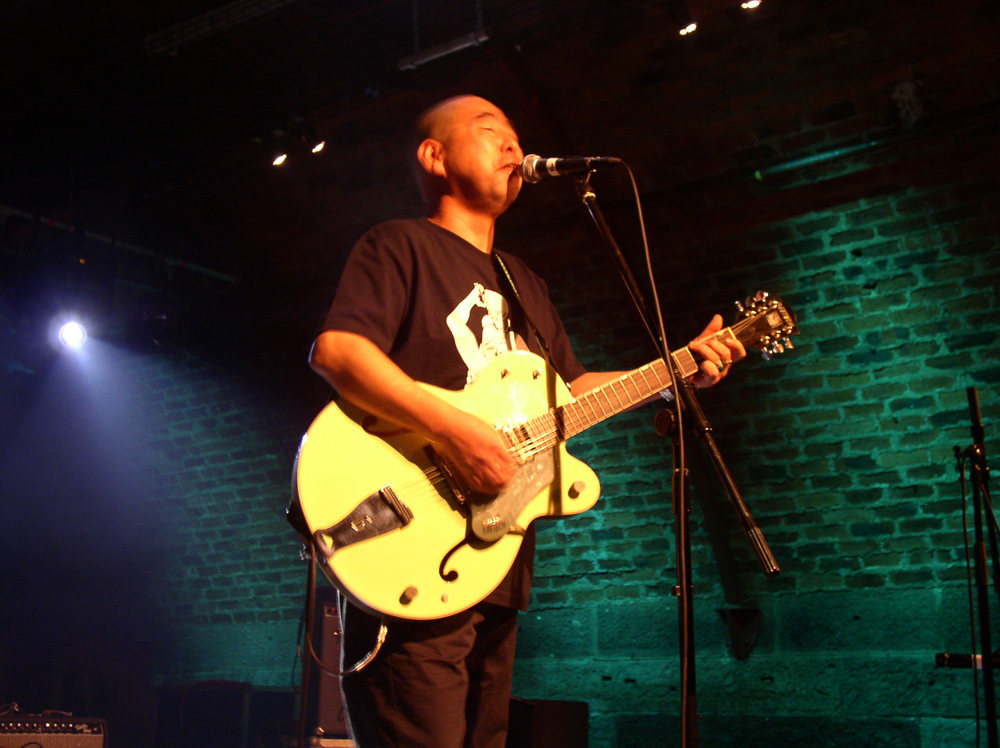
A voice that can vault from an elegantly whispered insinuation to asphyxiated and murderous barks or squalls in a heartbeat.
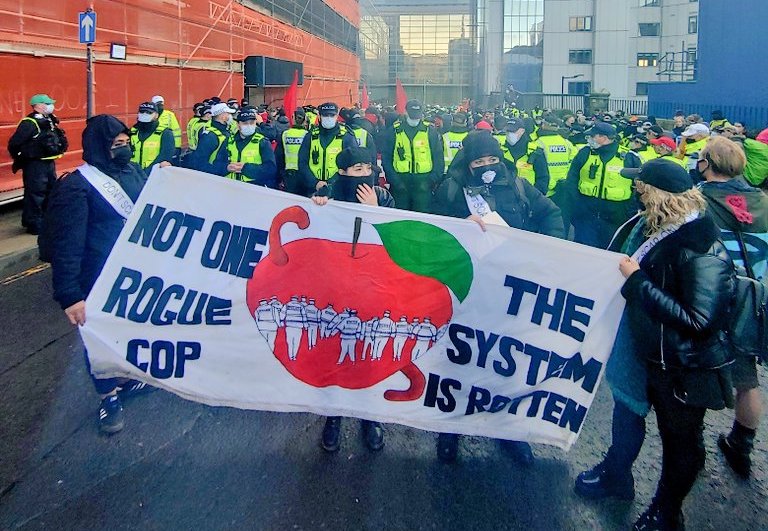
A space to reflect on our own experiences with the police and explore more community and care-based ways of dealing with violence and difficulties in our lives.
Join Umbrella Lane and special guest migrant trans sex workers in a community discussion about the points of intersection in LGBT people’s rights and sex worker’s rights.
Austrian guitarist who specialises in a warm digital deconstruction of guitar noise
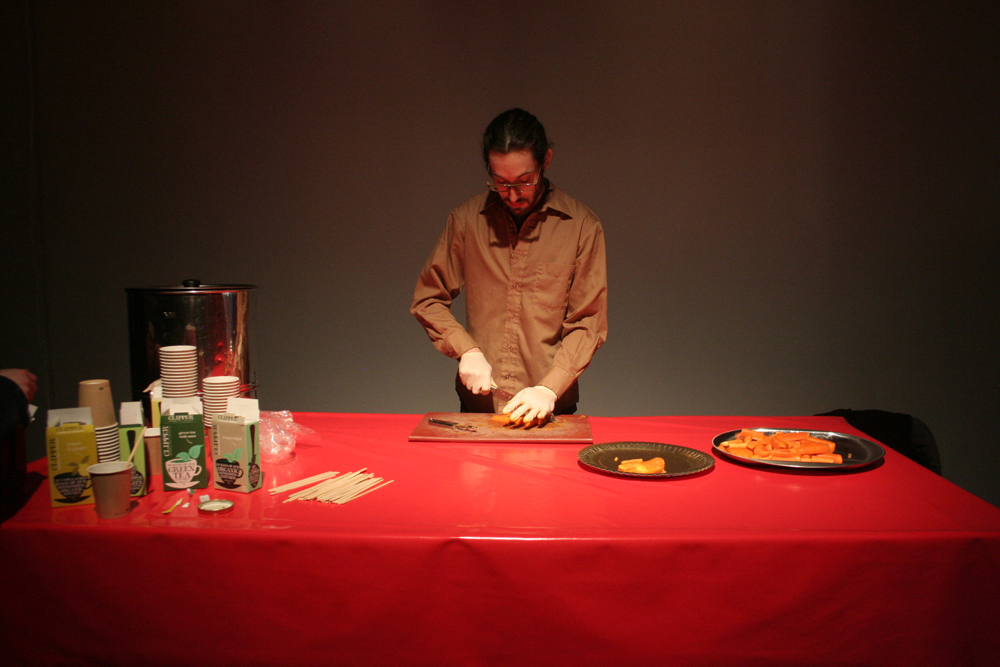
Jarrod Fowler and Christof Migone kick things off with performances involving edible plants, a saw, dandruff, and Christof responding to the prompt: “as far as you can for as long as you can.”
The ongoing development of [b]reach, an abolitionist black queer retelling of Marge Piercy’s incredible feminist utopian novel Woman on the Edge of Time.
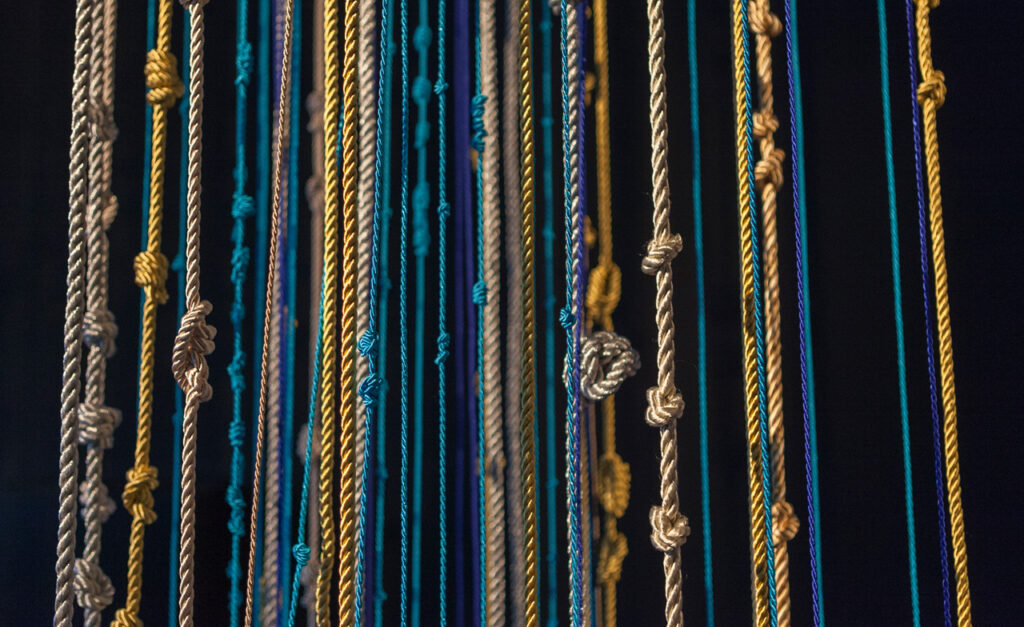
How do we sense entanglement? Can the knotting of ropes according to a poem’s rhythm make the social pulse of language matter?
How does this practice, that simultaneously resists and honours the distinctions between these genres, materials and senses, determine the inhabitation of another: a convergence of aesthetic and social experimentation?
Recently rediscovered but still very pertinent, Kino Beleške presents a series of speech acts and performative gestures by protagonists of the new artistic practice in former Yugoslavia: each a personal take on the role of art in society.