Public Feelings
Ann Cvetkovich
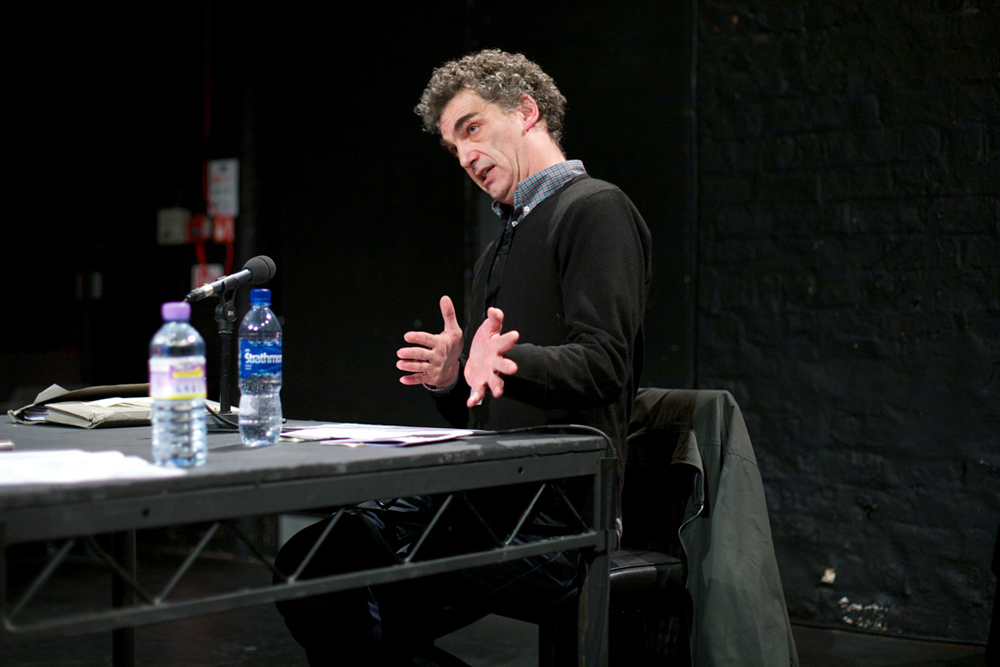
The role of feelings in public life, (political) depression and creative survival.
Arika have been creating events since 2001. The Archive is space to share the documentation of our work, over 600 events from the past 20 years. Browse the archive by event, artists and collections, explore using theme pairs, or use the index for a comprehensive overview.
The role of feelings in public life, (political) depression and creative survival.
Our favourite Lancashire-born autodictact asks what’s political about the tension between the individual and the collective in free jazz.
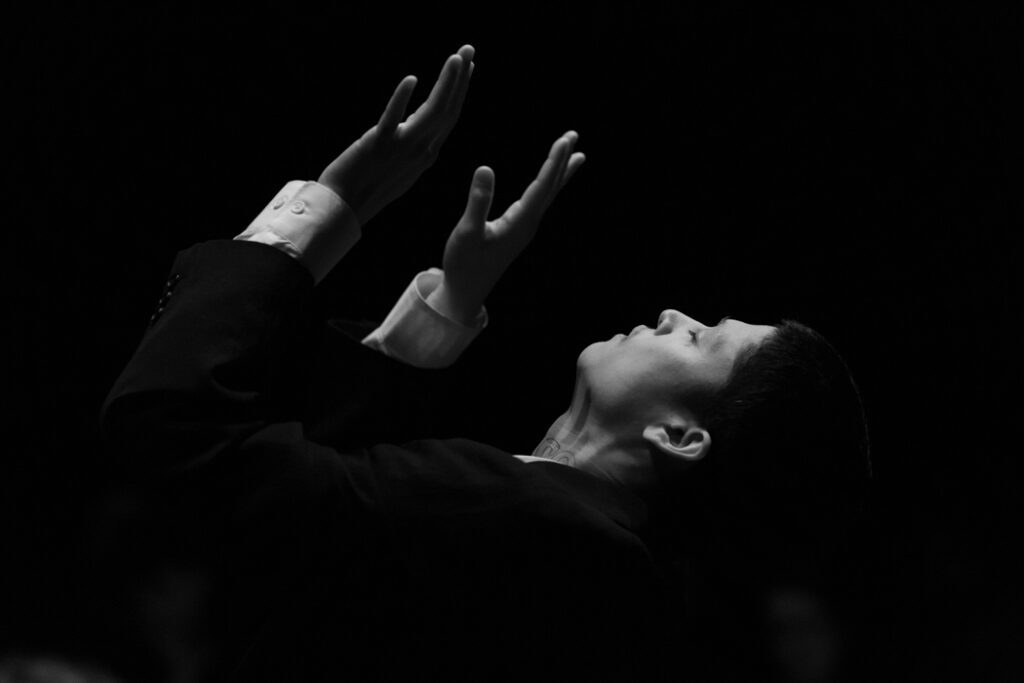
“Hidden in the hands an alluvial transcription of reach and embrace. The final flickers of the body’s expression, caress and touch.” – boychild
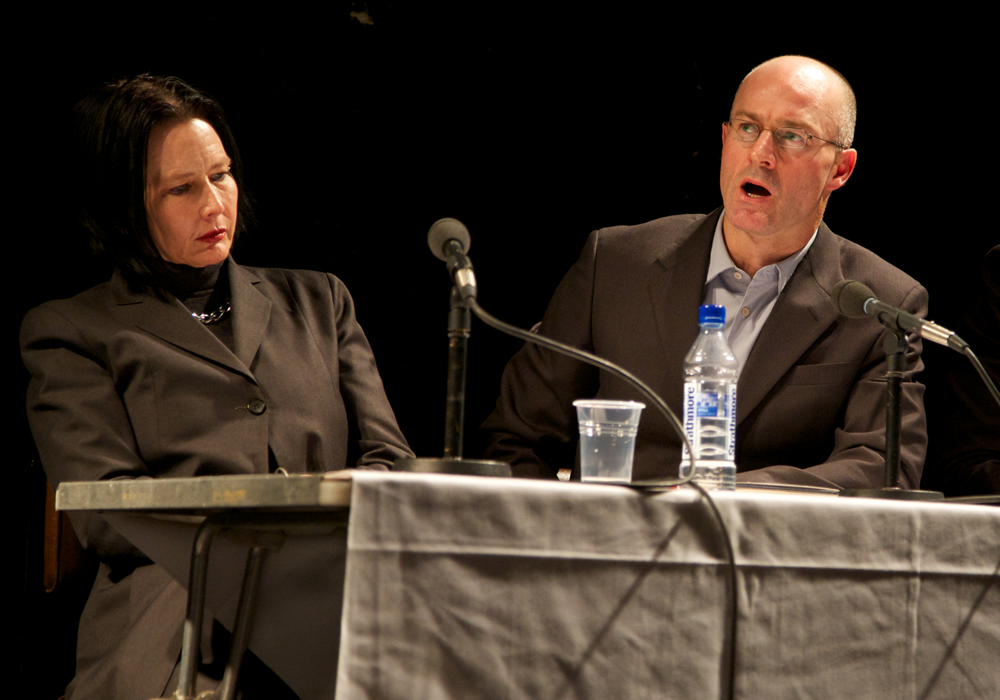
Conceptual writer and practicing lawyer Vanessa Place performs and talks with Mark Sanders, author of the brilliant “Complicities: The Intellectual and Apartheid”
A silent collage of found film footage partially layered with computer graphics to provide a framework in which live music can develop.
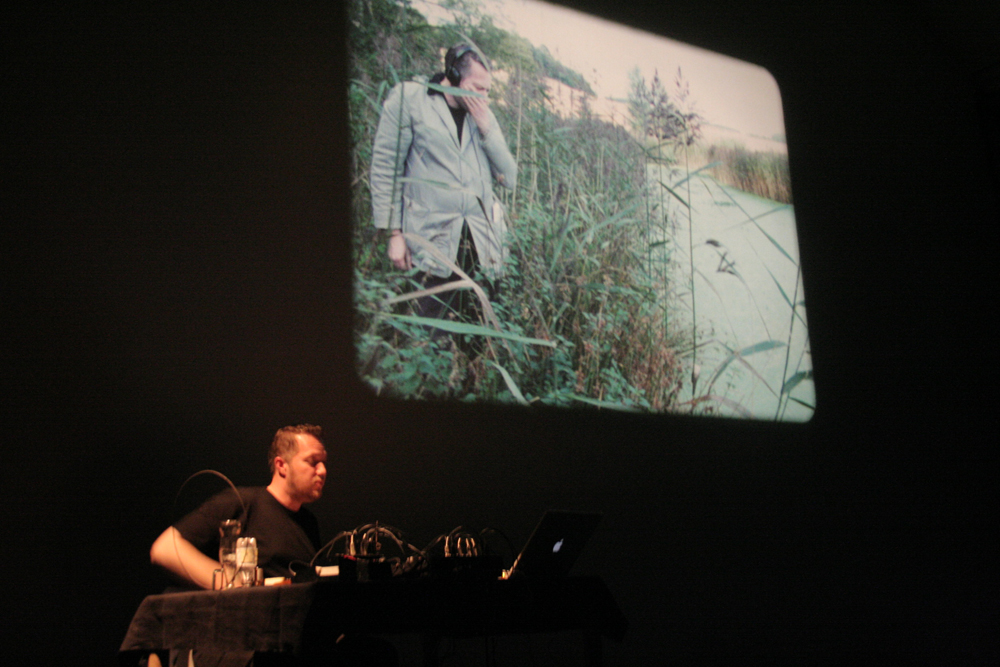
A delicate and detailed walk through the urban and rural landscape around Dundee; a poetic focus on the details found. A performance for 16mm projection and live amplified objects (maybe pine cones, maybe a coke bottle).
A chat with Rashad about the communist, conceptual methodology that informs his ground-breaking synthetic music—a form of speculative sonic fiction writing to produce hyperreal non-representational auditive experiences.
With lo-fi dreams and high-def humor, Bande brings MC vibes to the day. Interluding music with spoken performance, the live extimacy of Bande’s presence reaches out via emo-techno-bridges.
Expansive and considered, inclusive and deeply human minimalism: Antoine Beuger, Radu Malfatti, Manfred Werder.
Dworkin asks: What would a non-expressive poetry look like? A poetry of intellect rather than emotion?
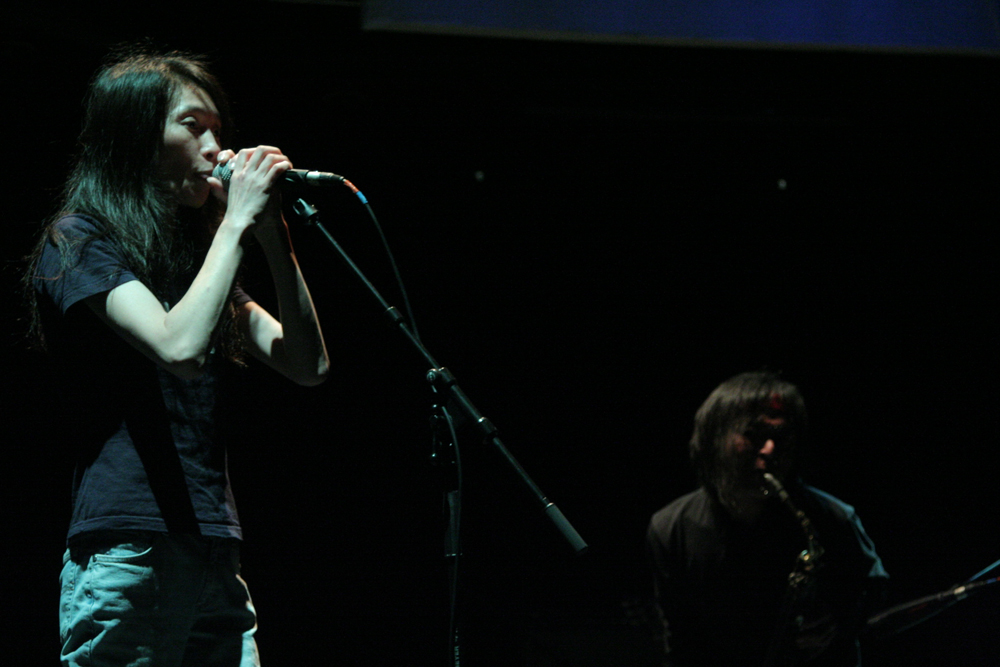
Junko’s screaming vocal in a nuanced, piercing duo with Urabe’s fuming and convulsive saxophone, far removed from the codes of musical tradition.
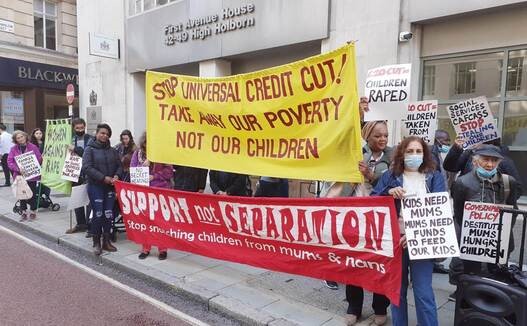
How do grassroots feminist organisations strategise relationships between mothers, parents, carers and their children based on respect and empowerment, in resistance to the practice of putting children in often the most uncaring of places – care.