John Lee Clark
John Lee Clark
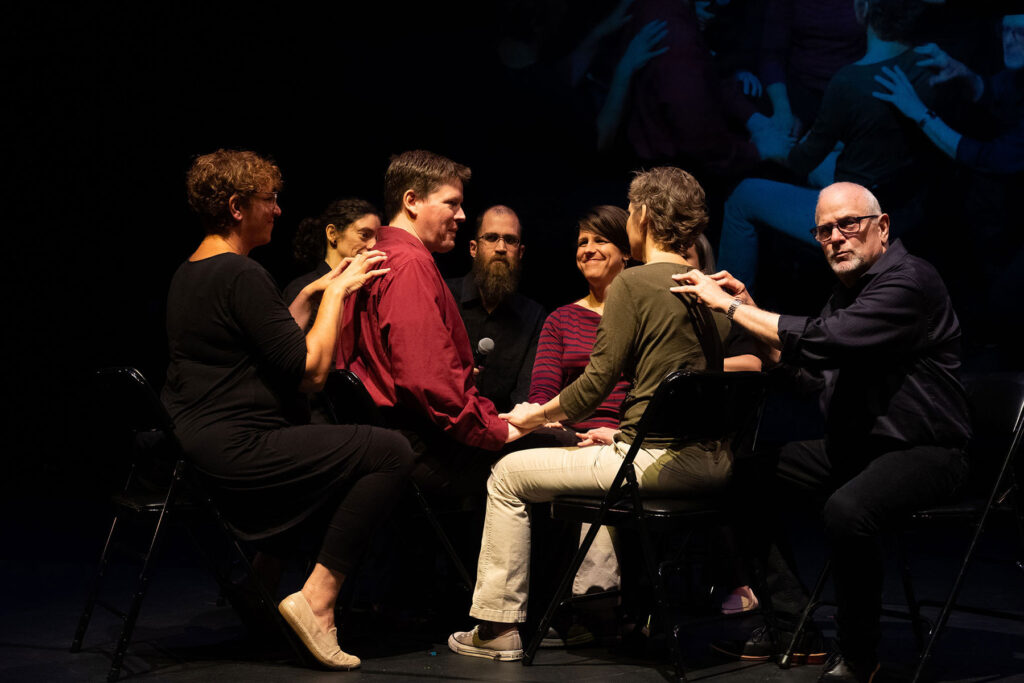
An invitation into languages field of touch; to speak in feeling together.
Arika have been creating events since 2001. The Archive is space to share the documentation of our work, over 600 events from the past 20 years. Browse the archive by event, artists and collections, explore using theme pairs, or use the index for a comprehensive overview.
An invitation into languages field of touch; to speak in feeling together.
The ongoing development of [b]reach, an abolitionist black queer retelling of Marge Piercy’s incredible feminist utopian novel Woman on the Edge of Time.
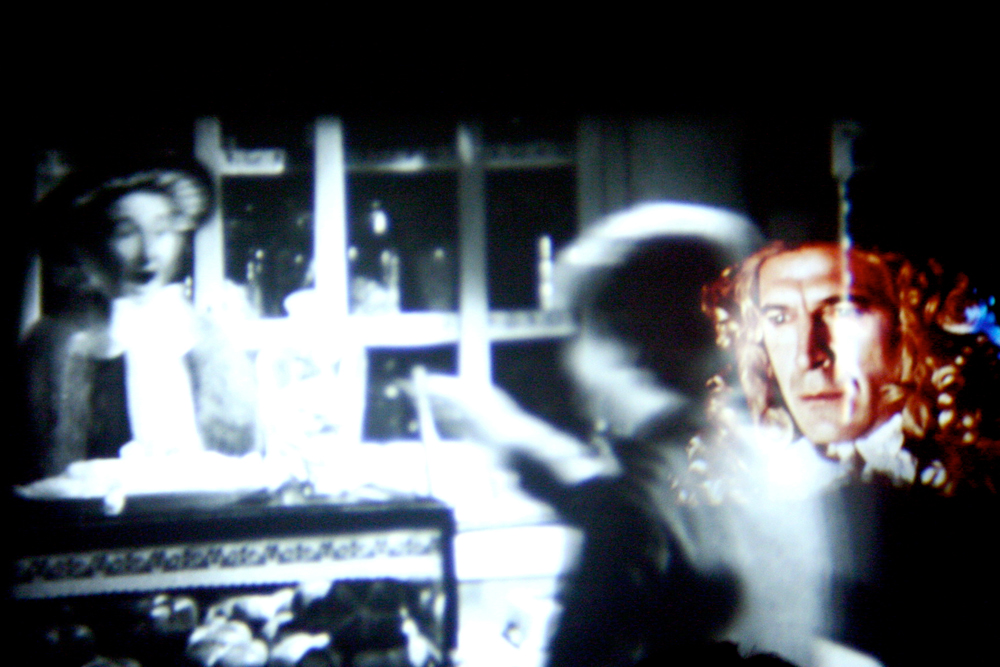
Imagery, drawn from what seems like hundreds of different films is overlaid and combined in a promissory rainbow of new meanings and impossible scenarios, with the unsettling feel of daylight shadows.
Using violin and cello the duo map out a twilight sonic world that seems to tread the faultlines between improvisation and composition.
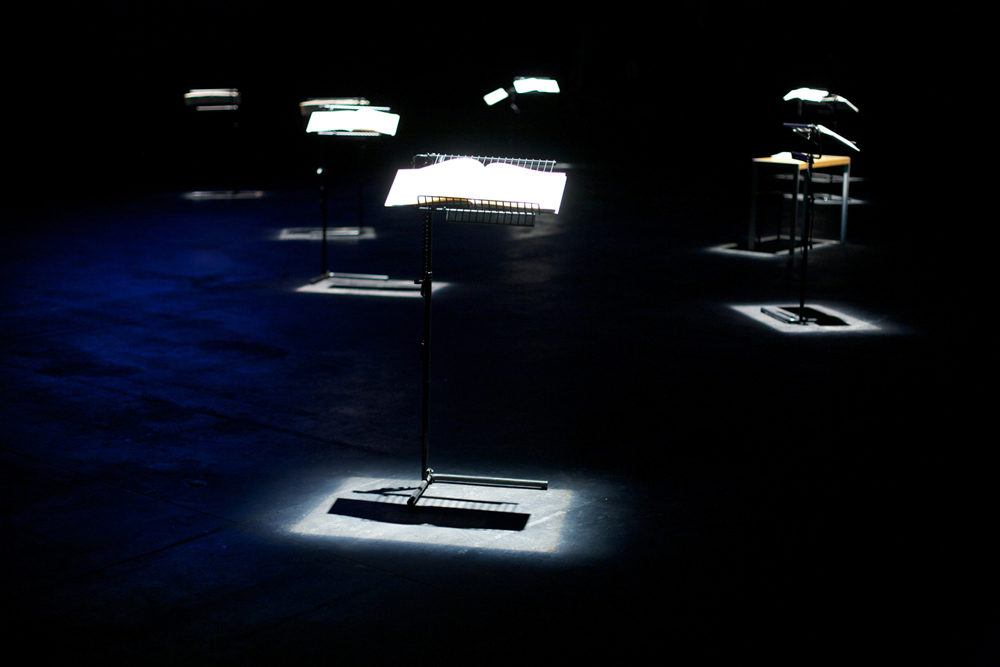
What happens when you are engaged in a deep and extended artistic practice that intersects between literature and music, notation and improvisation, sight and sound?
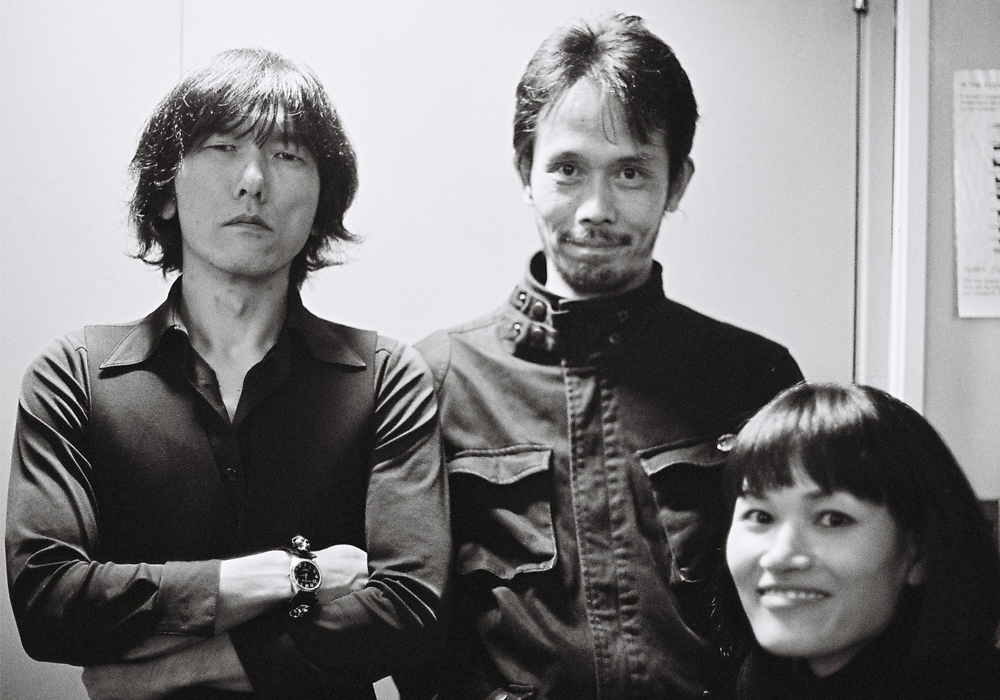
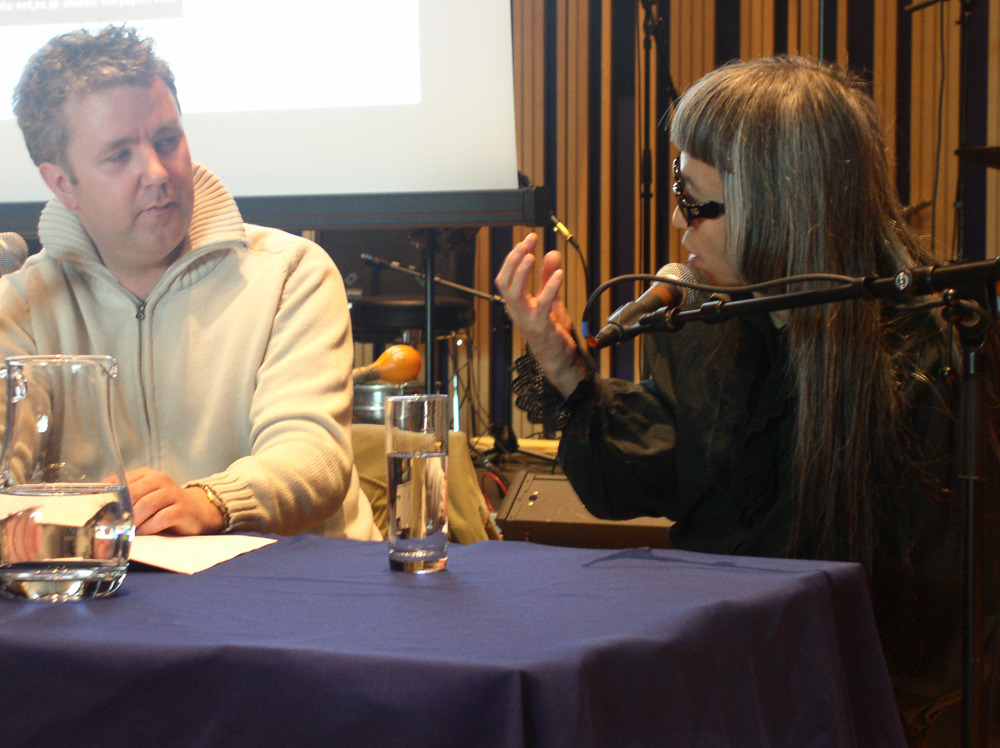
Journalist and underground music champion Alan Cummings talks to Keiji Haino about his career and his performance the previous evening.
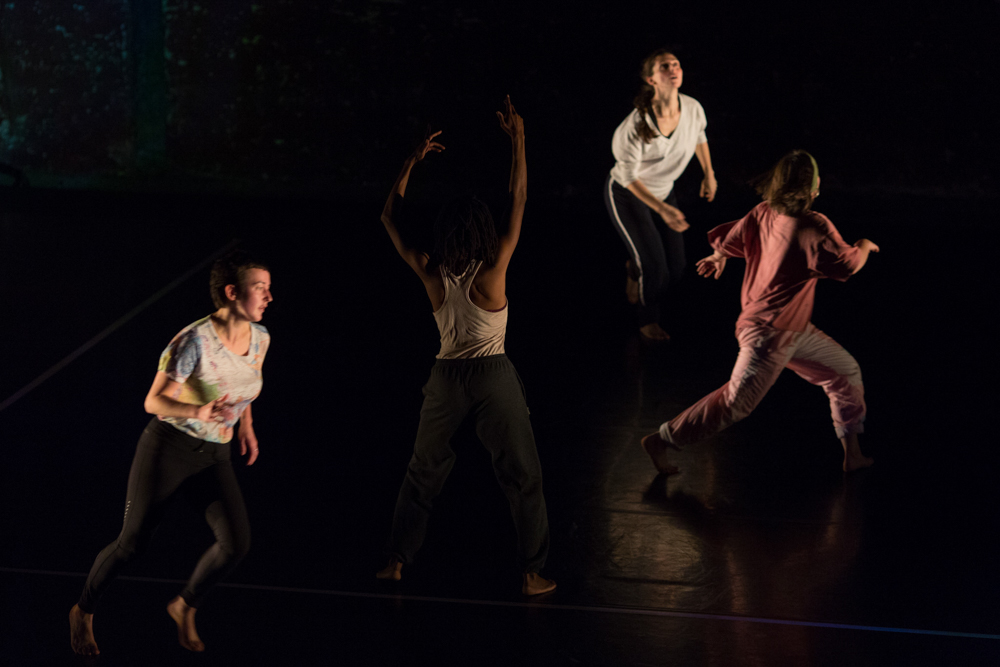
Coming to us from Taipei, Yo-Yo sends us elsewhere while bringing us back with her to the timezone of tomorrow. A dancer, media artist, and choreographer who makes multi-dimensions and realms, Lin’s amplification of energies and connections across bodies devolves the separations we are taught to abide.
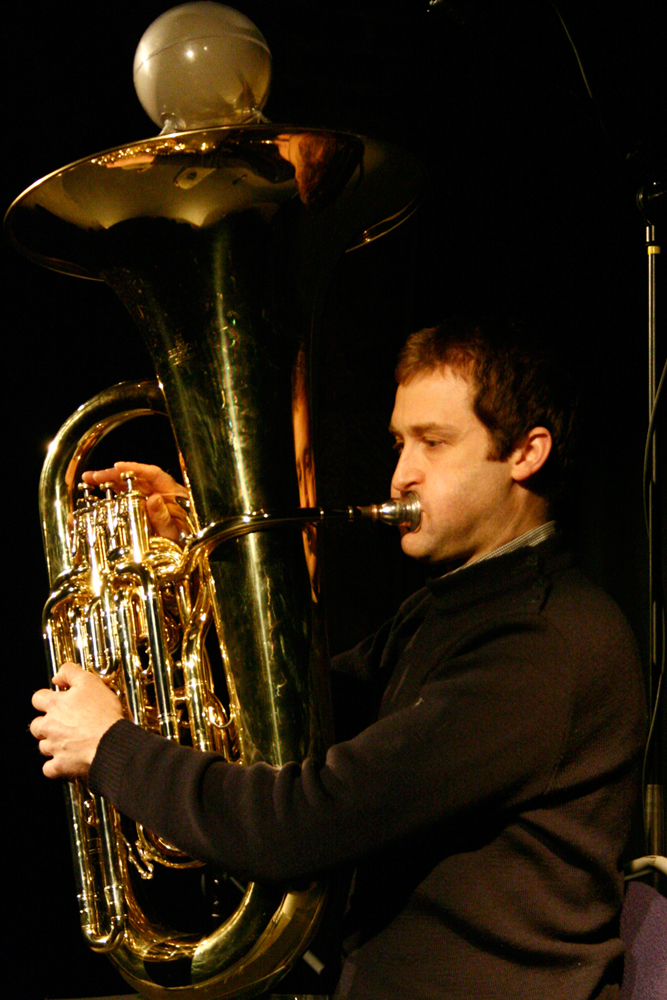
Robin Hayward – exploring the micro-sounds of a tuba, filling slowly with sand.
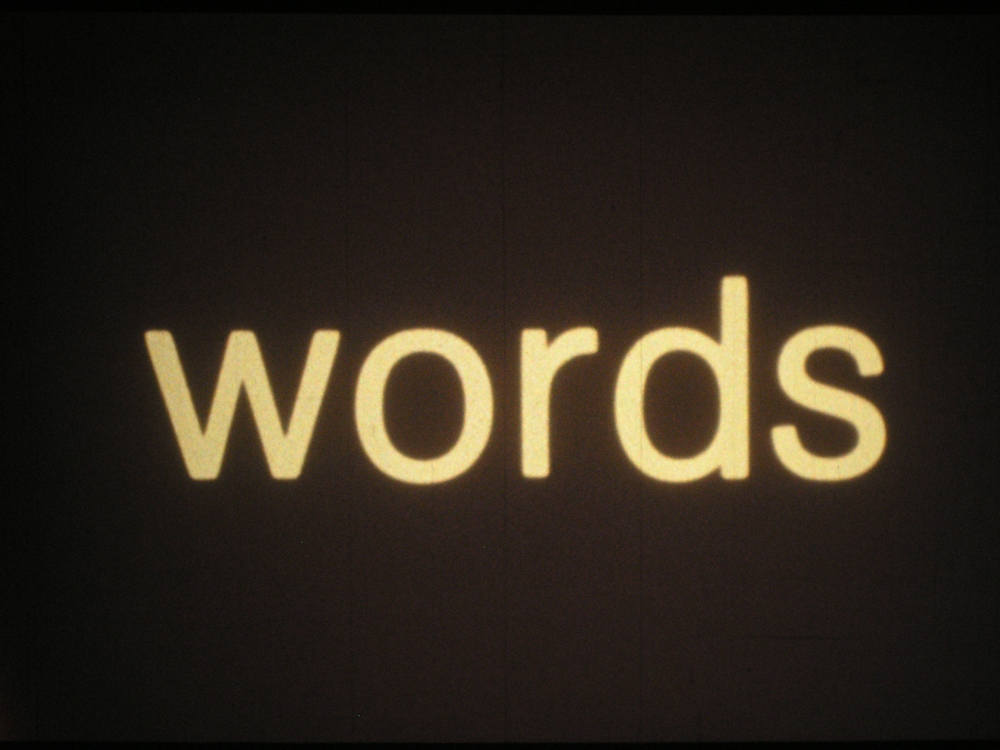
Investigate film as language, via the language of film reduced to the basic units of film and language. A film as text in which each frame is a single word.
‘Ten Pieces in the Form of Painful Variations’ for piano, an impossible score that looks like a grapeshot musical stave, a text of barbed loathing and doubt – an anti-composition.
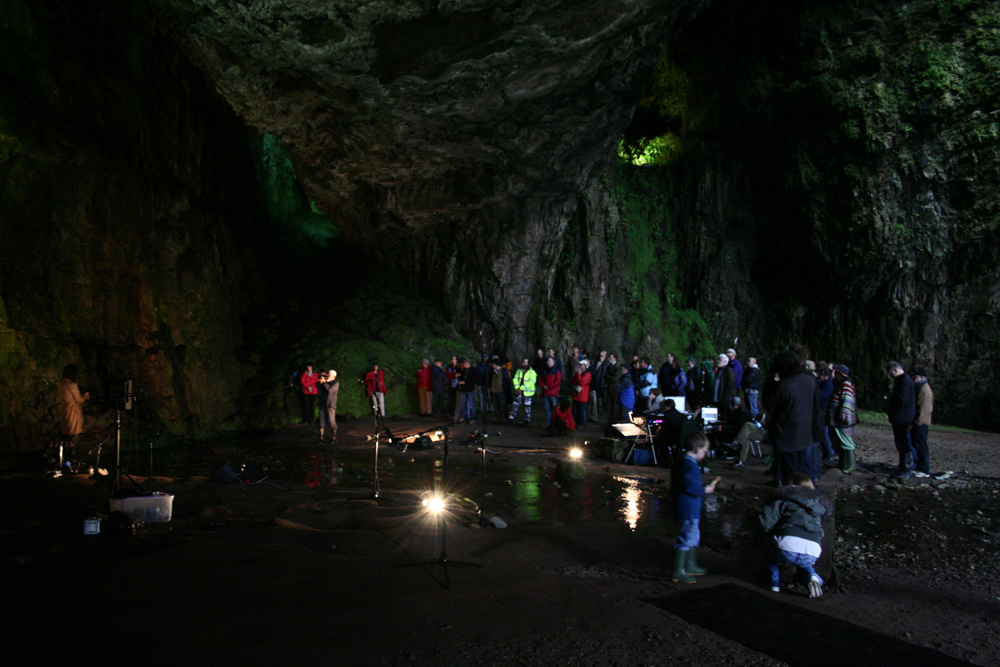
Akio Suzuki and John Butcher performing in a remote sea cave near Durness.
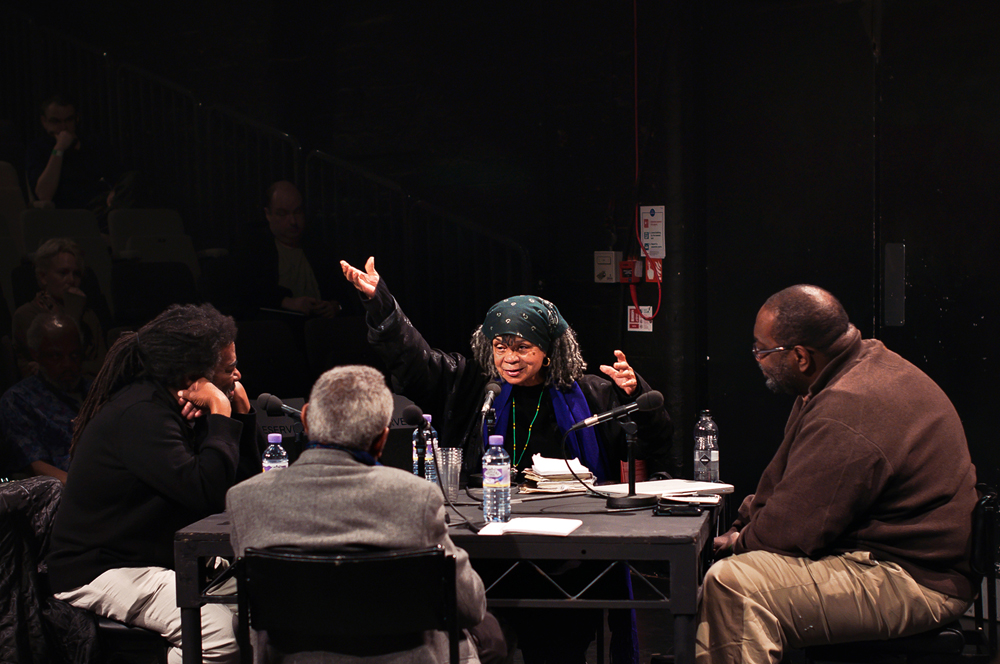
A panel exploring the poetics of abolition. “Poetry is not only dream and vision; it is the skeleton architecture of our lives. It lays the foundations for a future of change.”