Figment Light – Kjell Björgeengen
Kjell Björgeengen
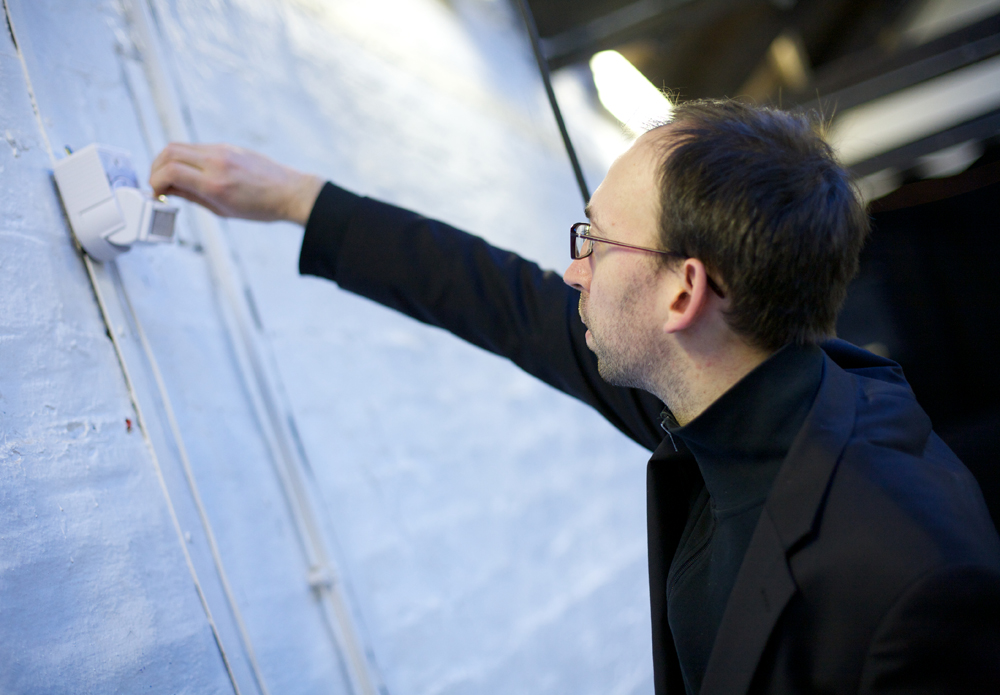
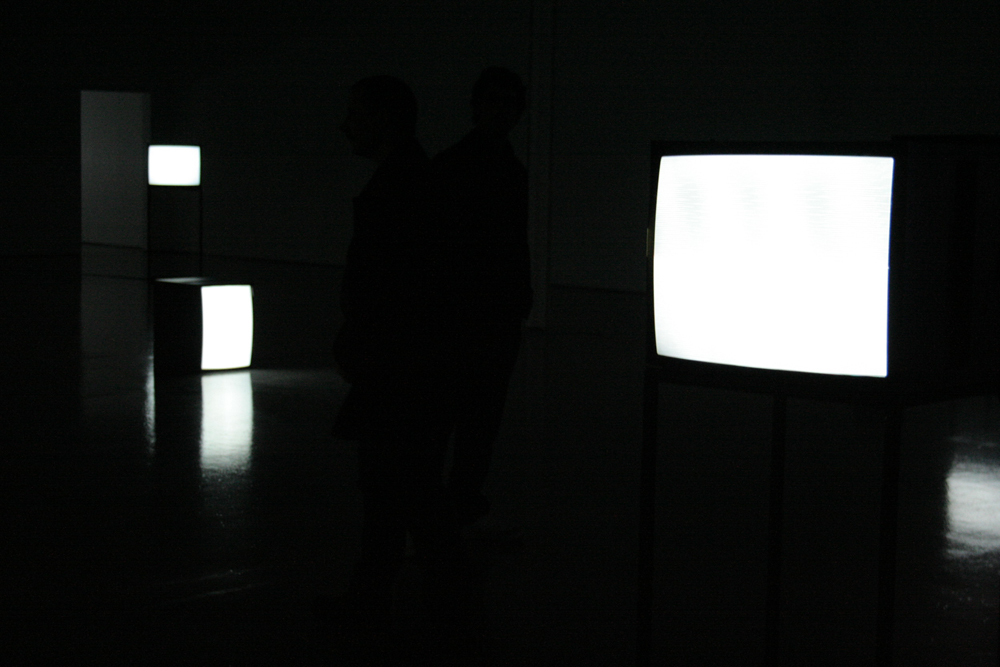
The reknowned artist Kjell Bjørgeengen works collaboratively with innovative musicians to make complex installations. Channels of flickering light are produced in response to and from sound.
Arika have been creating events since 2001. The Archive is space to share the documentation of our work, over 600 events from the past 20 years. Browse the archive by event, artists and collections, explore using theme pairs, or use the index for a comprehensive overview.
The reknowned artist Kjell Bjørgeengen works collaboratively with innovative musicians to make complex installations. Channels of flickering light are produced in response to and from sound.
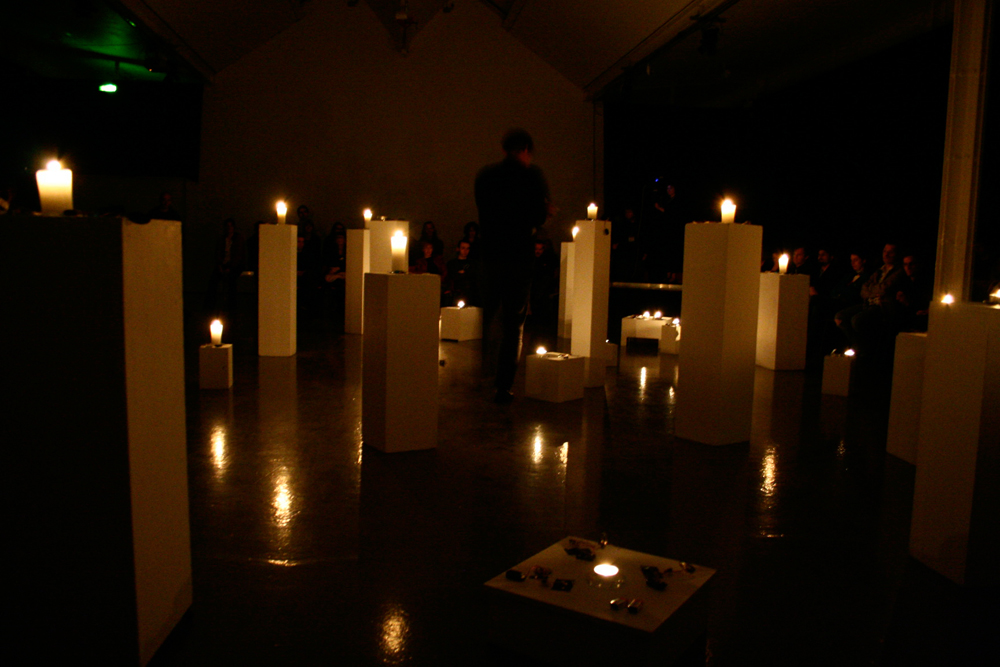
Joe Colley specialises in hotwired sound constructions full of ominous electronic disturbances and caustic, noxious drones. For KYTN, Joe created a situation of controlled chaos with 50 light sensitive oscillators placed in a field of candles.
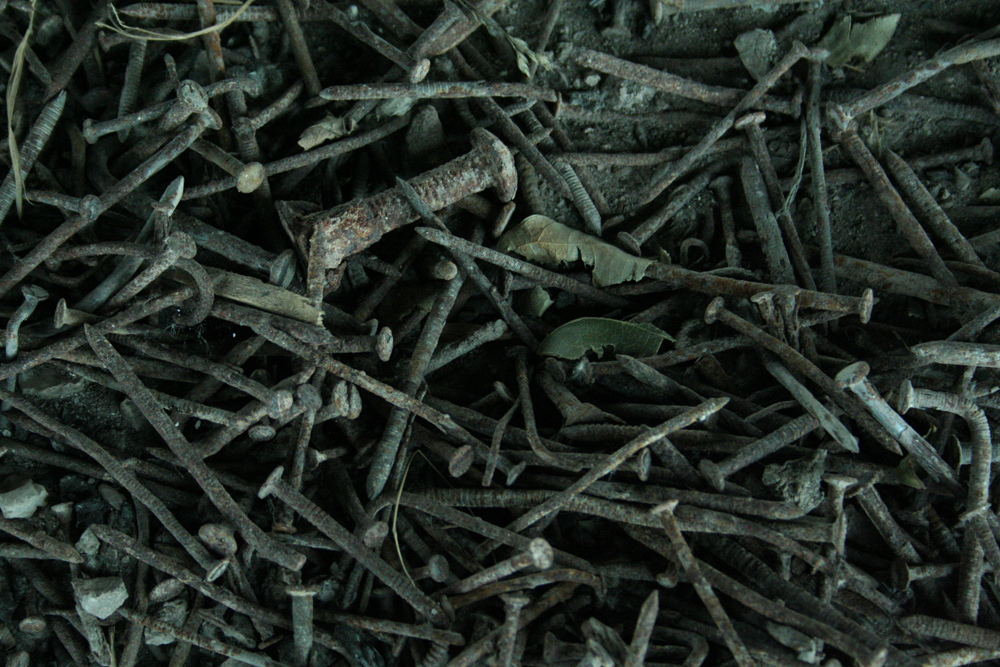
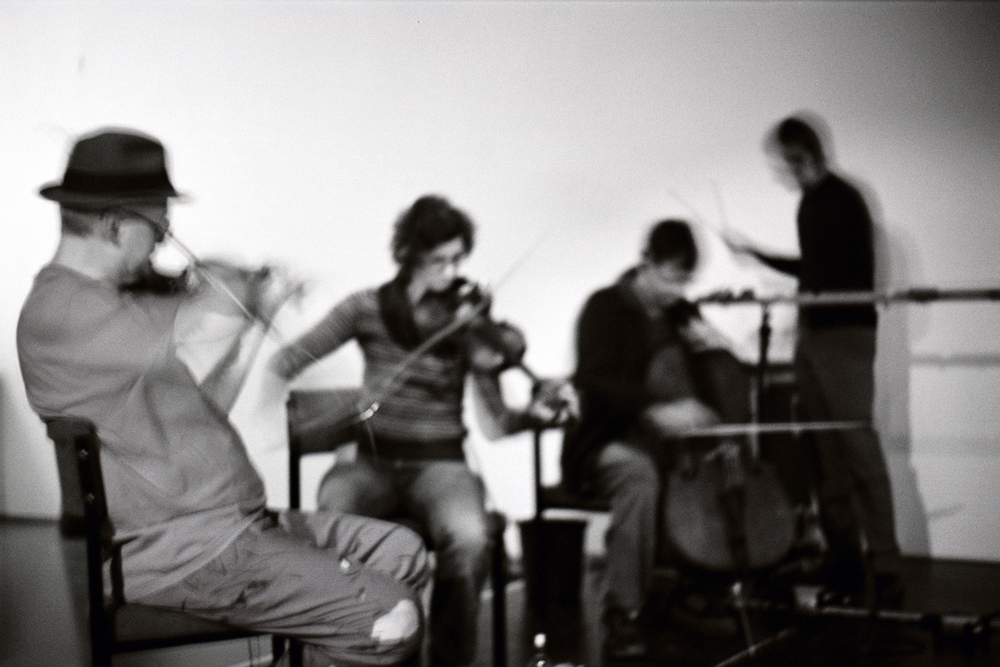
A recording session for BBC Radio Scotland under the M74 ‘Ski Jump’ extension ramp, a secion of motorway that doesn’t go anywhere, one of several such structures that populate the motorway system in the centre of Glasgow.
Like walking through the abstracted amalgamation of 30 or so storms, trays of water shaken by thunder, light bouncing off pools.
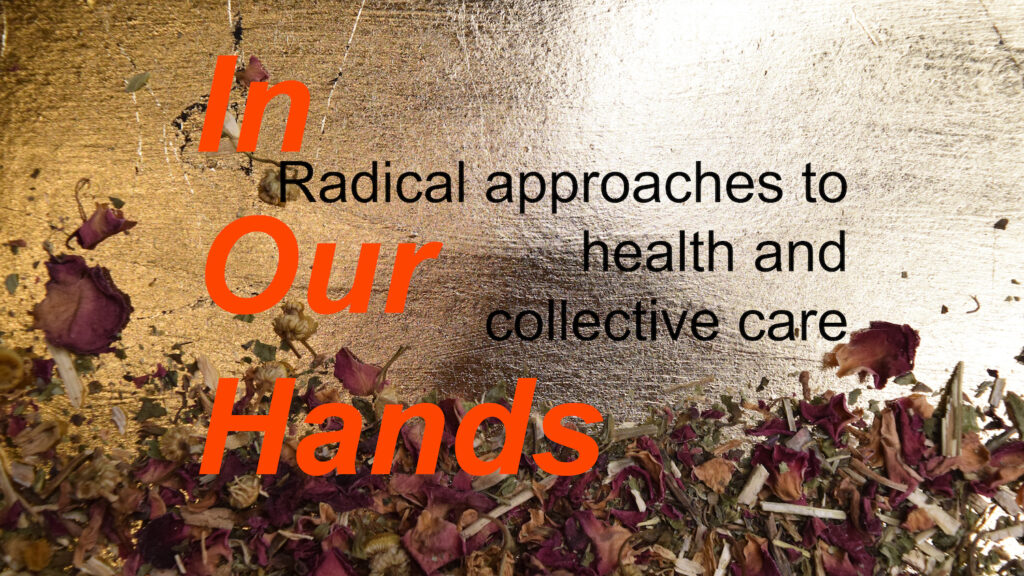
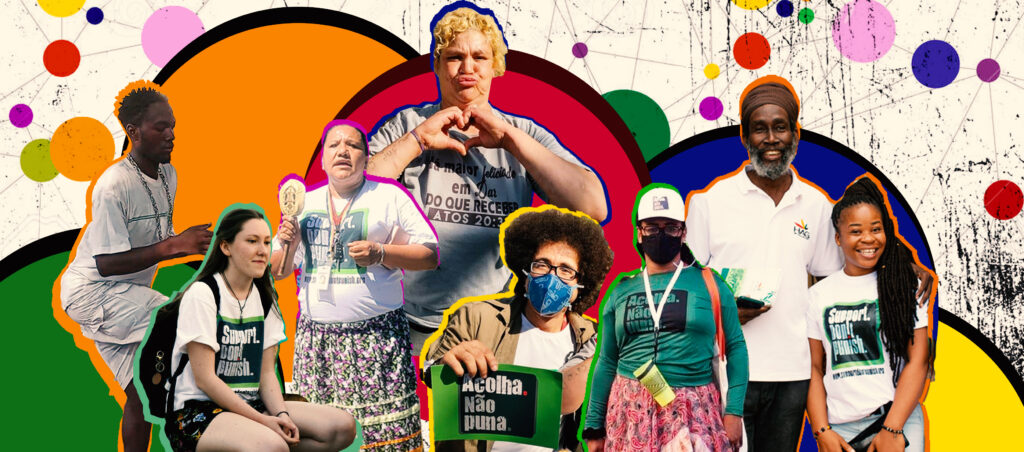
In Our Hands is a ten week programme of workshops facilitated by Lisa Fannen, Omikemi and Clay. The sessions explore radical approaches to health and collective care in the context of movement for liberation and social justice.
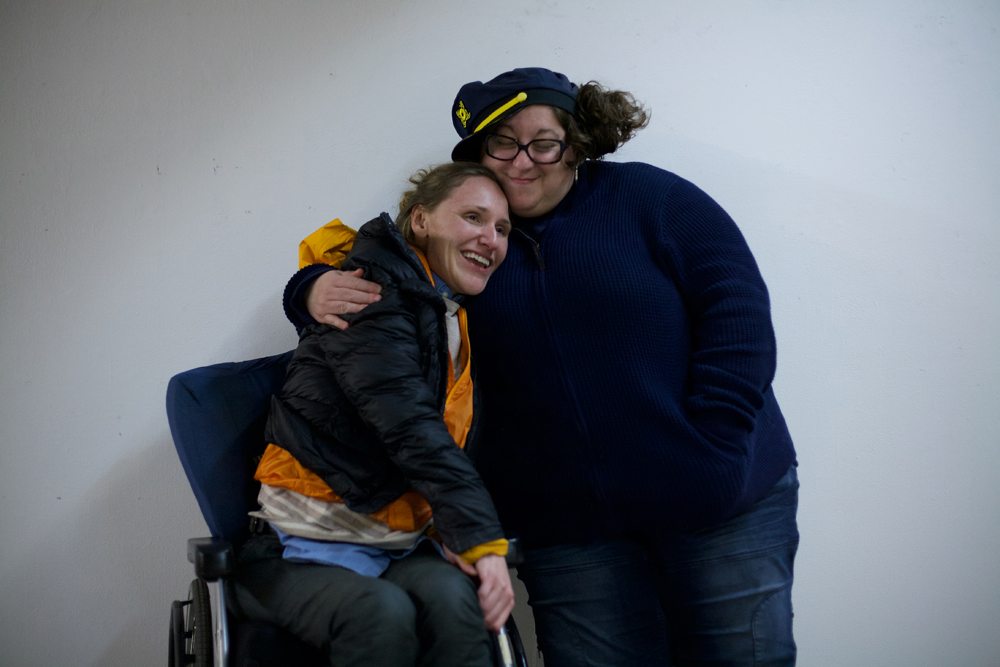
The first of two workshops that highlight correspondence as a way of working. Somewhere between song, speech, and logistical arrangement, these workshops invite participants to consider care as infrastructure.
A kind of performed installation of searing noise and silence, where we’re not sure who the performer is, when it starts or ends or even who it’s for.
A trance inducing, flickering investigation of structural and minimalist droning from one of the key thinkers in sound and image over the last 50 years
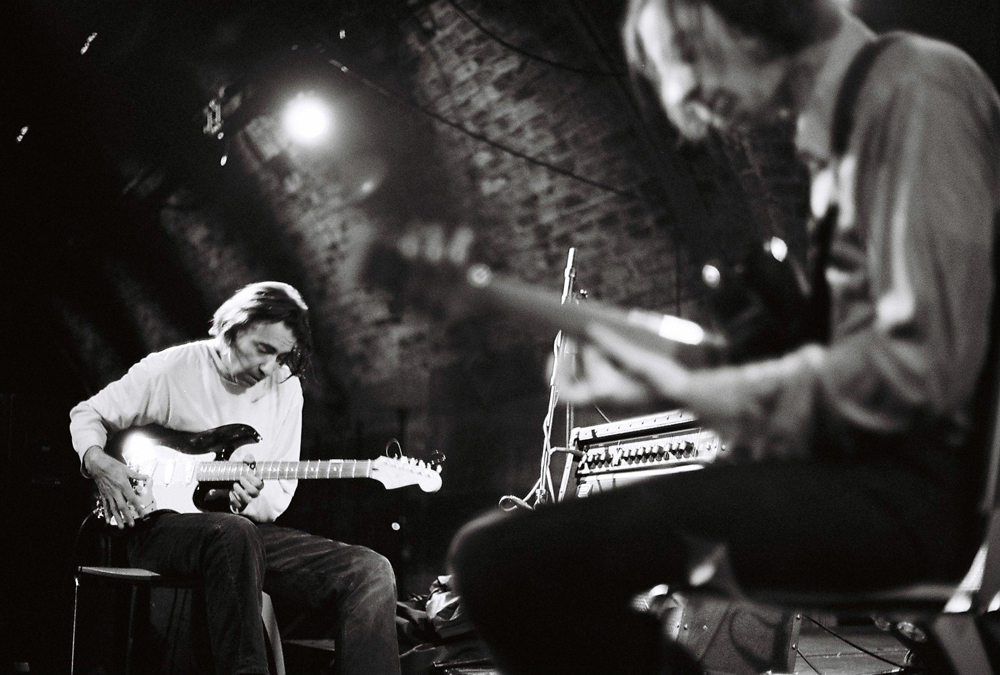
An utterly deep introspection told in aching, weeping guitar lines; melodic, simple, always minimal but somehow entirely epic.
Rather than asking the state for services, what kinds of change are made possible when we prioritise people supporting each other?
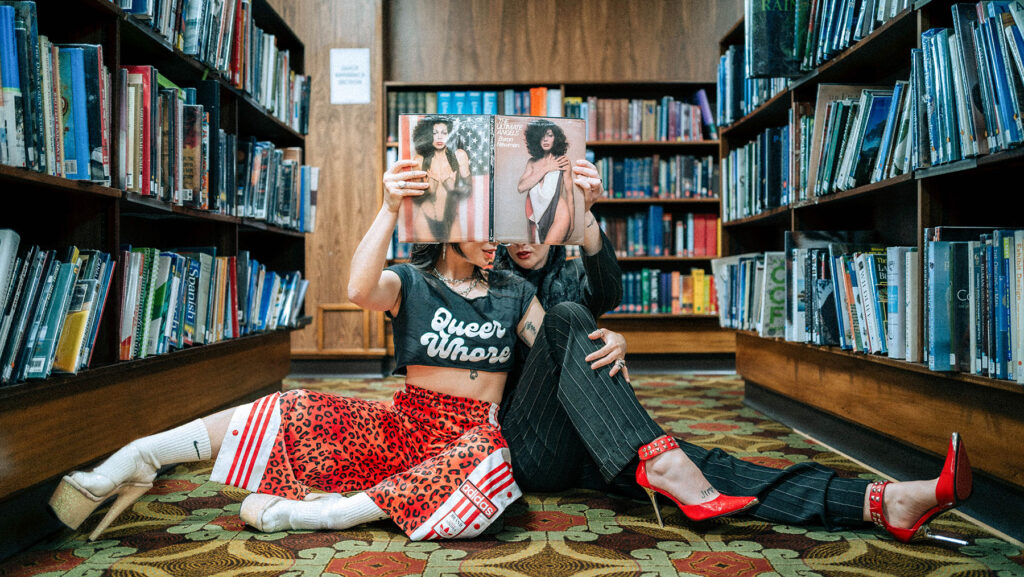
Imagine entering a library where readers can borrow human beings serving as open books. Then select a book stack that specialises in sex work.
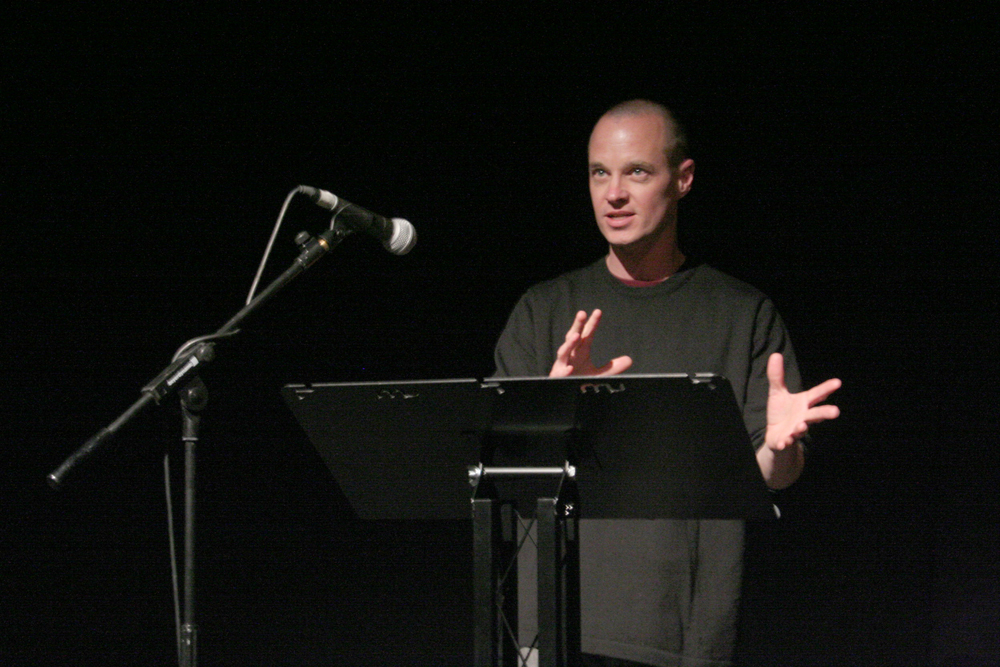
Dworkin asks: What would a non-expressive poetry look like? A poetry of intellect rather than emotion?