Salon and Q&A
Kjell Björgeengen William Bennett Zoe Irvine
A day of presentations and discussions on the theme of audio visual perception in the context of experimental music, film and art.
Arika have been creating events since 2001. The Archive is space to share the documentation of our work, over 600 events from the past 20 years. Browse the archive by event, artists and collections, explore using theme pairs, or use the index for a comprehensive overview.
A day of presentations and discussions on the theme of audio visual perception in the context of experimental music, film and art.
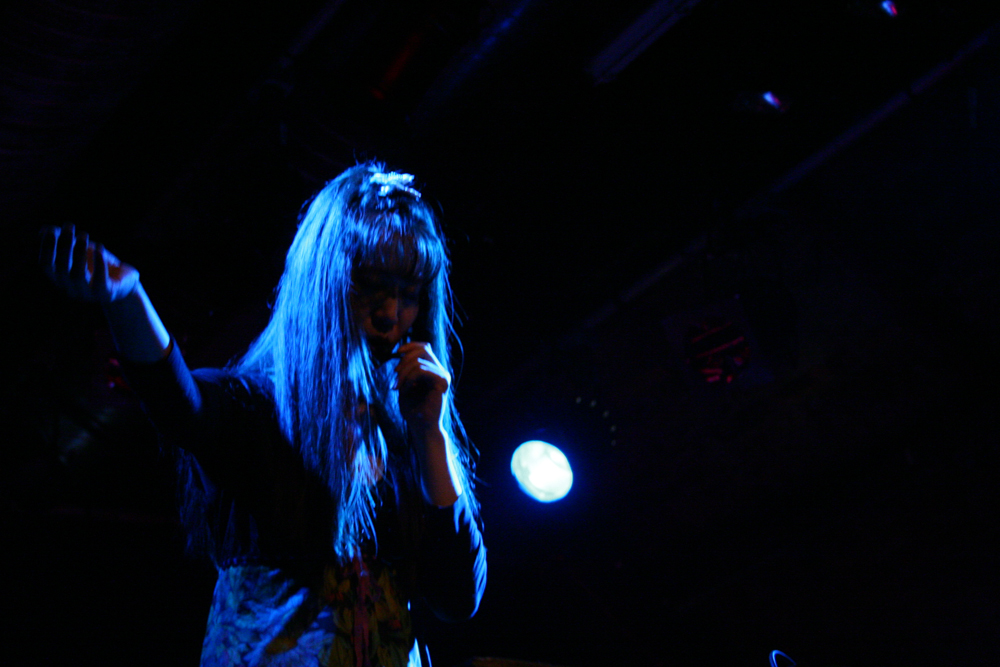
Wordless, reverb drenched voice, ghosted electronics, seething and ferocious electronic damage and Patty Waters style vocal mania.
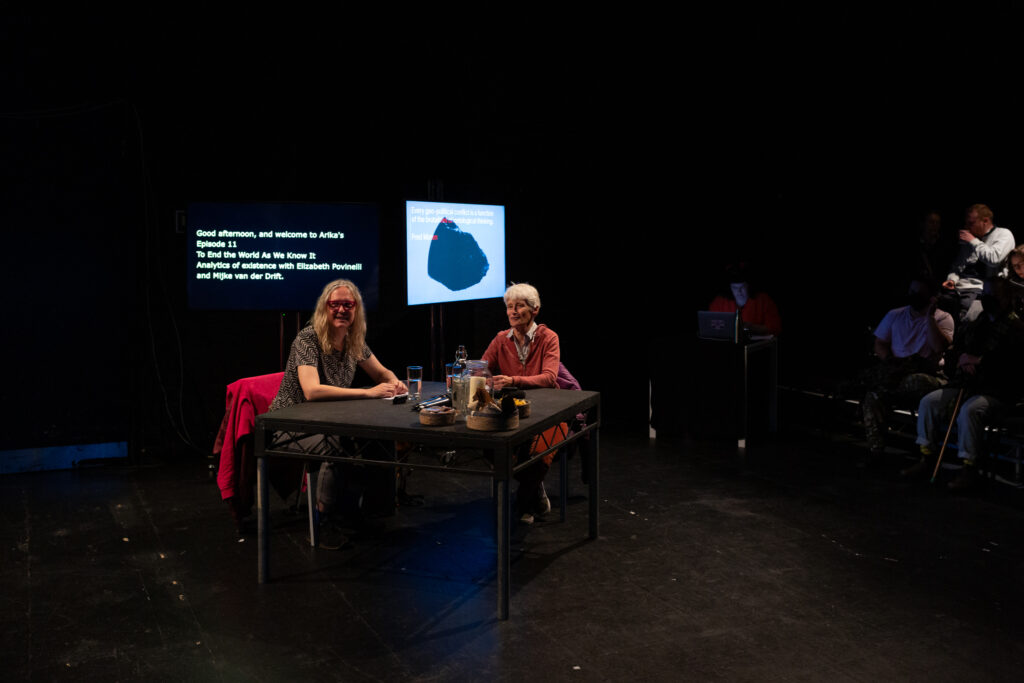
Elizabeth’s writing pulls apart toxic settler colonialism and the worldview used to justify it; working towards an alternative distribution of powers, so that ways of being otherwise can endure.
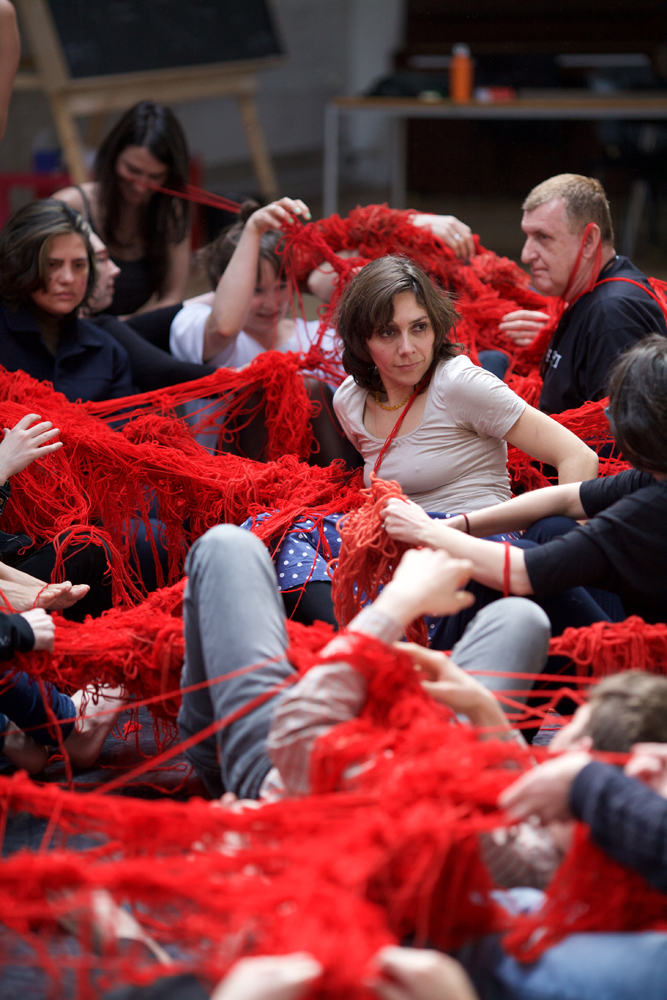
An open collaborative workshop space in which games, warm-up sessions, exercises and scenes are potentially the same thing, through which to project your own concerns onto the stage.
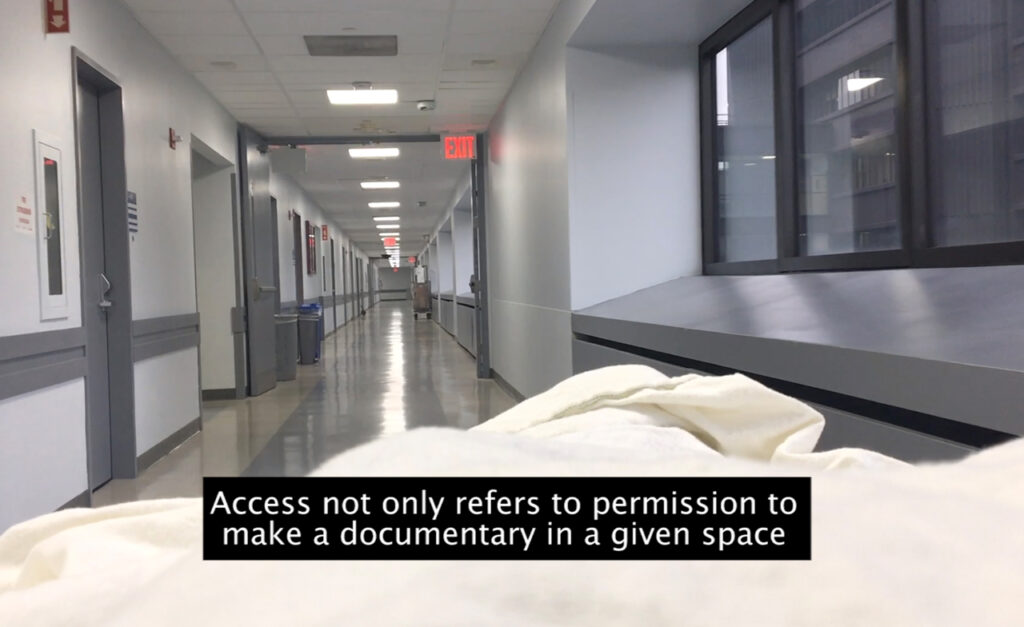
A fully transcribed, described, and open-captioned film screening that’s nothing short of their actual open heart.
Amid the blur of erotics, the jangle of poetics, and the fetishizing of sickness and disability, the heat of Panteha’s performance and sculpture freezes all.
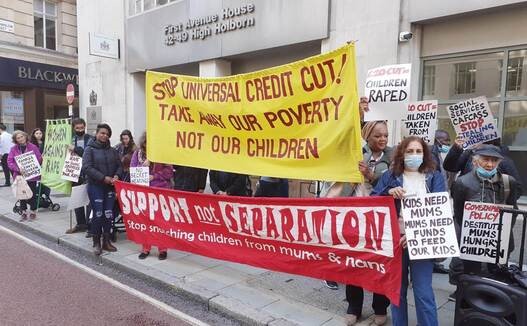
How do grassroots feminist organisations strategise relationships between mothers, parents, carers and their children based on respect and empowerment, in resistance to the practice of putting children in often the most uncaring of places – care.
Tiny fragments of sound recombined and woven into spare and precise, violent yet beautiful pieces
Politicised fan-fiction chronicling working class gay urban space and fantasy.
Ecstatic, intensely joyous experimental club music: like “the sound of our water ceremonies…40 bands playing their melodies at once to recreate the cacophony of the first aurora and the call of the morning star Venus”.
An audio and video investigation of gender cults, Catholicism, hauntings and nuns’ use of audio devices…
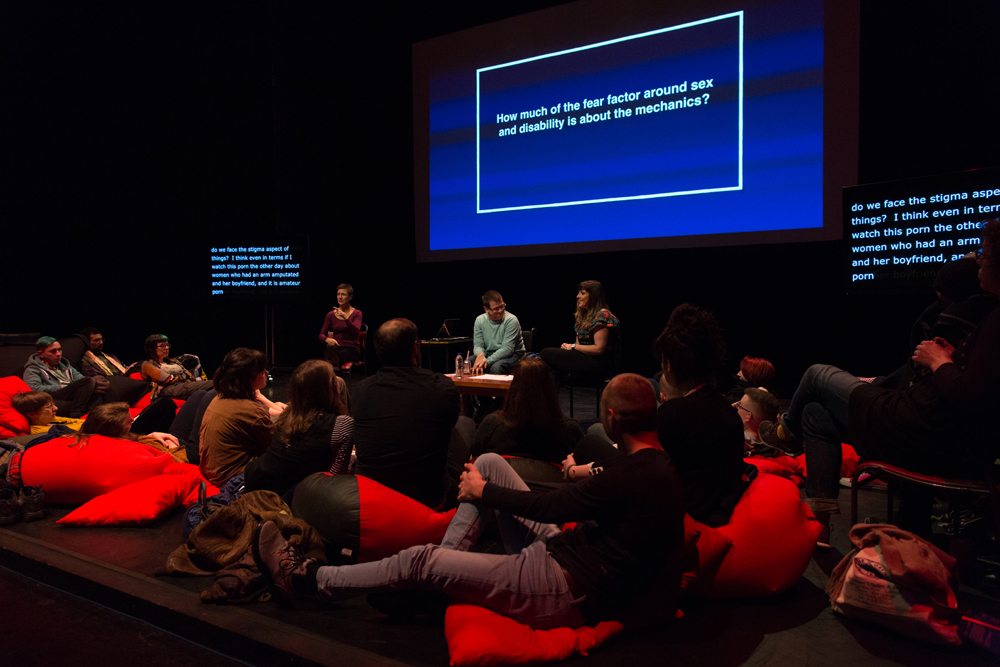
How do people living with disability see themselves in today’s sexualised culture? How do we imagine our crip sexual selves despite society wanting to reduce us to non-erotic bodies?